



Nearly two decades into early retirement, financial independence advocate and writer known as Mr. Money Mustache has come to a striking realization: the complete freedom of this lifestyle can easily transform into a psychological double-edged sword.
For nearly nineteen years, the routine has offered immense upsides. The freedom allowed for the raising of a son from birth to beyond his eighteenth birthday without major compromises, alongside dedicating thousands of hours to other core values, including family, health, friends, adventures, construction projects, and blogging. There are no complaints regarding those profound benefits. Yet, an introspective look at a first-world problem reveals a subtle flaw in an otherwise ideal life: the realization that an early retiree never truly has to do anything they do not want to do.
To most people striving for financial independence, this condition sounds like the ultimate dream come true. Combining total freedom with ample financial security paints a picture of a non-stop, blissful playground dedicated entirely to self-actualization. However, the reality of the situation proves more complex and depends entirely on the individual.

Freedom and money ultimately act as magnifying glasses, revealing a person’s true strengths and weaknesses. The resulting spectrum of human behavior stretches from excessive idleness, characterized by endless distraction on the couch, all the way to massive productivity, such as creating and managing numerous nonprofit foundations employing thousands of people to research medical advances and clean energy.
For the majority of this early retirement journey, achieving a natural balance felt relatively effortless. The intense demands of fatherhood during the first decade were successfully balanced with building and restoring neighborhood houses, embarking on adventurous trips, producing videos, giving talks, and writing hundreds of blog articles. However, as the pace of life began to slow down in recent years, marshaling the focus and energy required to maintain those activities became increasingly difficult.
Instead of remaining constantly active on construction sites or falling into a state of laser focus at the keyboard to finish articles, old habits crept in. Early afternoons increasingly led back to the couch, seeking digital distraction while secretly wishing for the energy and focus needed to pursue more rewarding endeavors.

This realization prompted a deep dive into health and wellness literature, studying ways to optimize energy, focus, and motivation through daily habits and by steering clear of excessive modern comfort. While these concepts genuinely work in practice, a recurring bottleneck emerged: gathering knowledge and incorporating it temporarily, only for the brain to gradually invent excuses to stop consistent execution. The result was an accumulation of valuable information paired with far too little tangible accomplishment.
The root of the problem finally became clear after recognizing a subtle form of self-sabotage: turning the primary advantage of financial freedom into a disadvantage by using that freedom primarily to avoid tasks that felt unappealing in the moment. While freedom successfully removes the burden of a grueling morning commute and a rigid nine-to-five office schedule, that same freedom goes to waste if days are instead squandered on passive digital consumption while neglecting personal growth and meaningful output.
True freedom requires utilizing liberated time for pursuits even more valuable than the career left behind. Without that internal drive, the freedom loses its core purpose.

Recognizing the Moment of Hesitation
This behavioral pattern often manifested in mundane yet vital tasks, such as physical fitness. Understanding that regular workouts represent one of the single most effective investments of time for overall well-being did not prevent a cycle of procrastination. Plans would often rely on finding the perfect conditions—waiting for an ideal time of day, optimal weather, high energy levels, and meticulously preparing the home gym the night before—only for the target moment to dissolve into excuses about a busy schedule or incidental walking.
A breakthrough occurred when examining this internal dialogue and replacing meandering justifications with immediate action. Rather than waiting for conditions to align, catching the precise moment of hesitation became the primary trigger for execution. When the internal voice whispers reluctance toward a difficult task, recognizing that exact moment of resistance transforms it from a trigger for avoidance into an immediate call to action.
While this counterintuitive approach applies across numerous facets of daily life, it proved particularly transformative when applied to physical training. Viewing hesitation not as a valid reason to postpone an activity, but as a direct warning sign of self-sabotage, allowed for immediate physical engagement regardless of initial mood.
Using Extreme Motivation as Fuel
When discussing these observations with peers, responses varied significantly. Roughly half of the acquaintances related directly to feelings of underachievement, while the other half—overachievers managing multiple businesses, raising large families, and training for mountain triathlons—felt the opposite, operating at a level of constant stress that held little appeal. Both extremes suggested room for movement toward a healthier center.
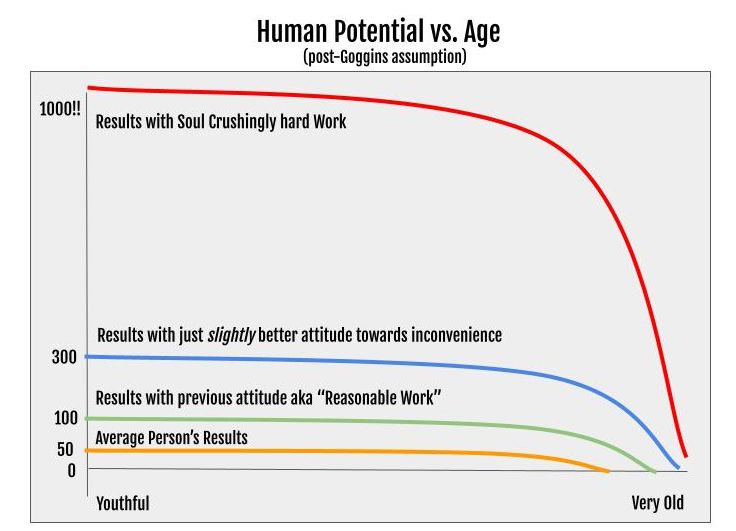
The definitive catalyst for shifting this perspective came from exploring extreme endurance and mental fortitude through media interviews featuring ultra-endurance athlete David Goggins. Learning about Goggins’ background—overcoming severe childhood trauma and pursuing extreme physical challenges, from enduring Navy SEAL training to running hundreds of miles without sleep and setting pull-up world records—offered a stark perspective on human limitations.
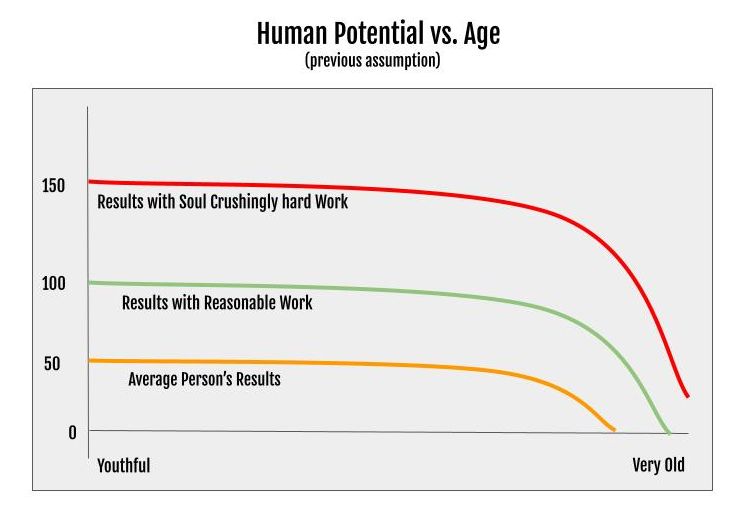
While replicating an extreme lifestyle of marathon endurance holds no personal appeal, exposure to such intense dedication recalibrated internal baselines. It highlighted the reality that nearly all barriers to achievement are psychological rather than physical or external constraints. This realization dismantled old assumptions about predetermined personal limits, opening up a broader and more empowering outlook on what can be accomplished at any stage of life.
Reclaiming Vitality Through Consistent Action
Armed with a concise reminder to act immediately on known priorities, consistency returned to daily routines. Adopting an attitude where both the desire and the reluctance to train served as immediate triggers for the gym led to measurable physical improvements. Over a span of four months, consistent training yielded noticeable gains in lean mass and restored the strength and flexibility characteristic of decades prior, transforming overall physical well-being.
This same behavioral shift extended beyond fitness, aiding in the resumption of consistent running routines, regular visits to coworking spaces for professional socialization, and dedicated writing sessions. While balancing work and rest remains essential to avoid burnout, maintaining discipline ensures that valuable projects are not permanently sidelined by easier, less demanding distractions.
Sustaining this momentum requires regularly returning to sources of inspiration. Engaging with audiobooks and works focused on extreme accountability, longevity, and physical conditioning provides an ongoing mental framework to counter complacency. By selectively drawing motivation from individuals who push their own boundaries, early retirees and professionals alike can find the necessary fuel to combat inertia and extract deeper fulfillment from their daily lives.