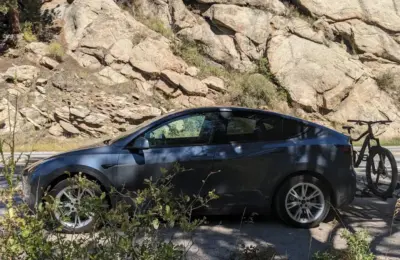


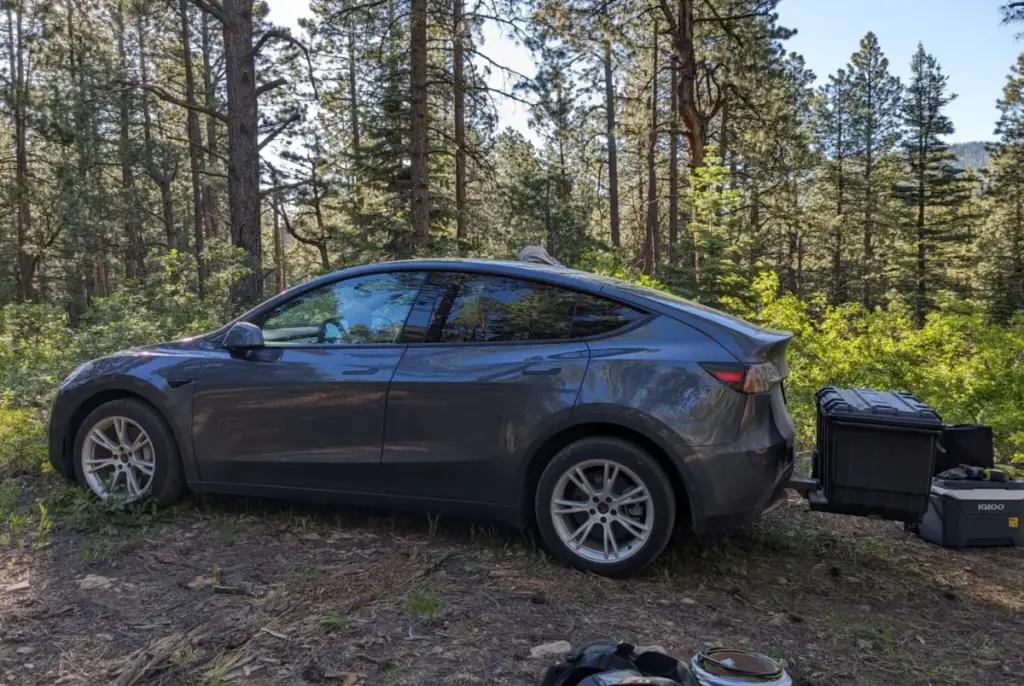
After nearly two decades of championing extreme frugality and waging a personal war against car culture, the influential personal finance blogger known as Mr. Money Mustache has made a surprising automotive pivot. He has officially joined the ranks of modern electric vehicle owners by purchasing a brand-new 2023 Tesla Model Y, trading in a 23-year-old Honda minivan that cost him just $4,500 on Craigslist twelve years ago.
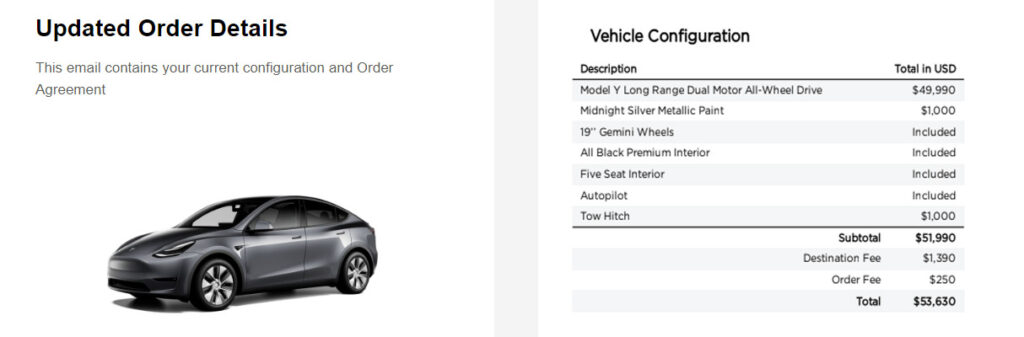
The purchase represents a profound psychological hurdle for a man who built an early retirement empire on the principles of hyper-efficient living. The total net cost of the luxury crossover, factoring in taxes and applicable tax credits, lands at approximately $52,000. For an internet personality famous for mocking excess and urging consumers to question whether they truly need the vehicles they buy, the transition to a high-powered, tech-heavy electric vehicle loaded with features has sparked intense public fascination and lively internal debate.
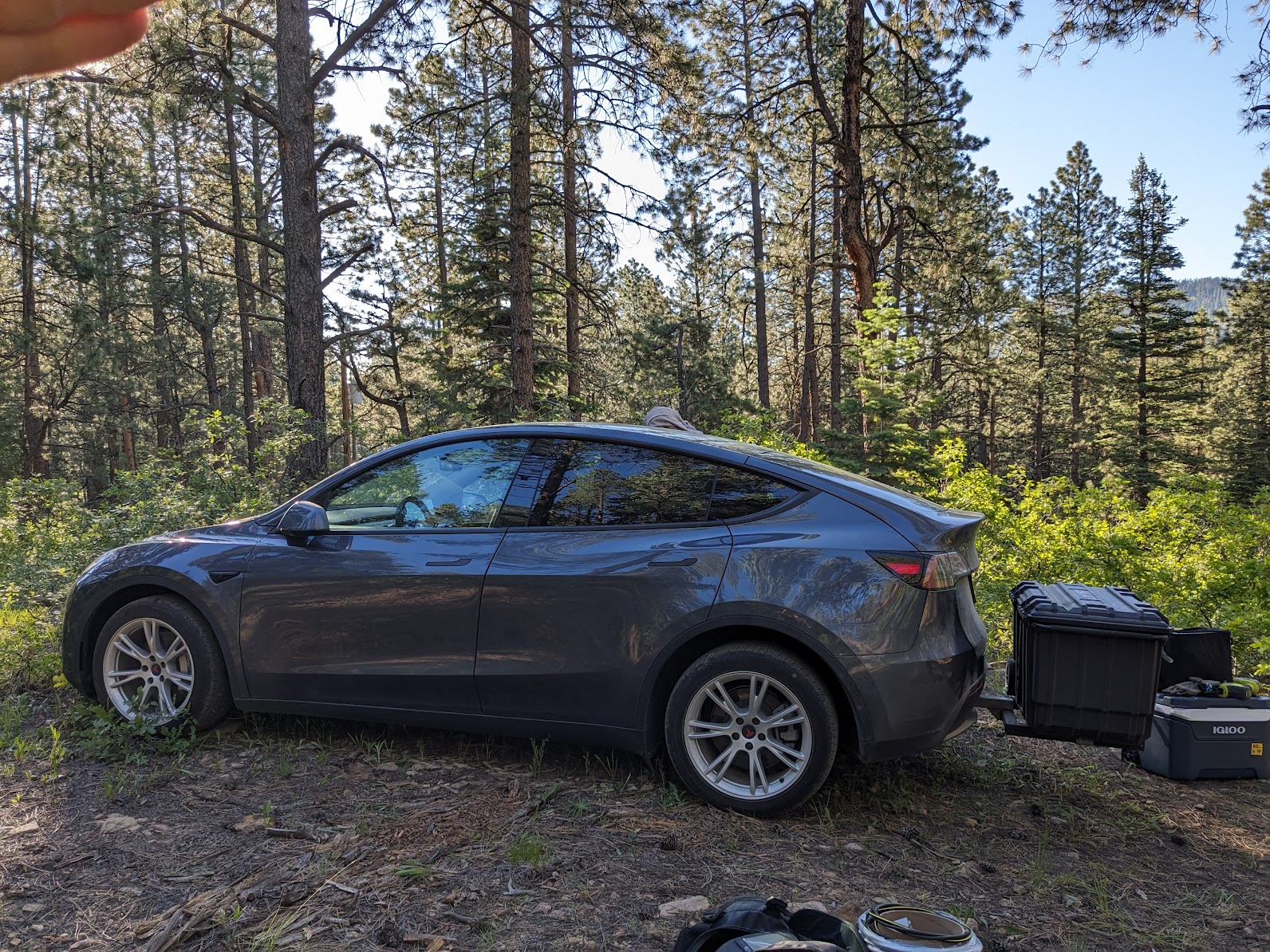
The new vehicle arrives after four years of deliberate procrastination. While readers and close friends repeatedly urged him to loosen his purse strings and treat himself to a modern upgrade, the blogger held firm to the foundational philosophy that earned him his financial freedom eighteen years ago. Yet, as time progressed, the reality of aging machinery began to shift the equation.
The old Honda van, affectionately dubbed "Vanna," had served as a dependable workhorse across the mountains and deserts of the country, even helping to rebuild numerous houses in his neighborhood. However, the vehicle’s advancing age and a final, malodorous transmission failure on a mountain pass near Salida, Colorado, served as the final tipping point. The unreliability of the aging gas-powered vehicle had begun to introduce a small but persistent source of negative stress, occasionally causing him to avoid long-distance travel and miss out on valuable life experiences.
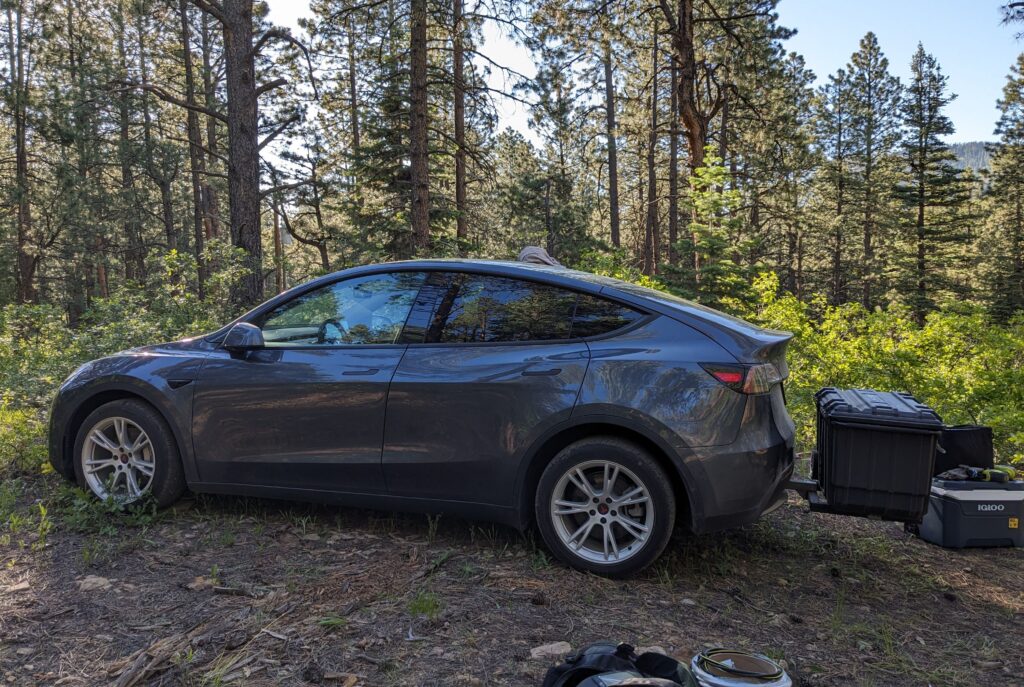
Stepping into the modern era of automotive technology, the new Tesla Model Y offers a vastly different driving experience compared to its predecessor. Equipped with all-wheel drive, rapid acceleration, seating for seven, and onboard computer systems rivaling a small data center, the vehicle serves as the centerpiece for a broader philosophical experiment regarding wealth accumulation and personal enjoyment.
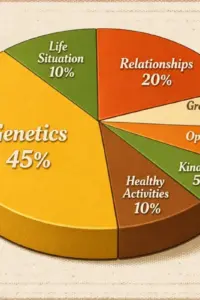
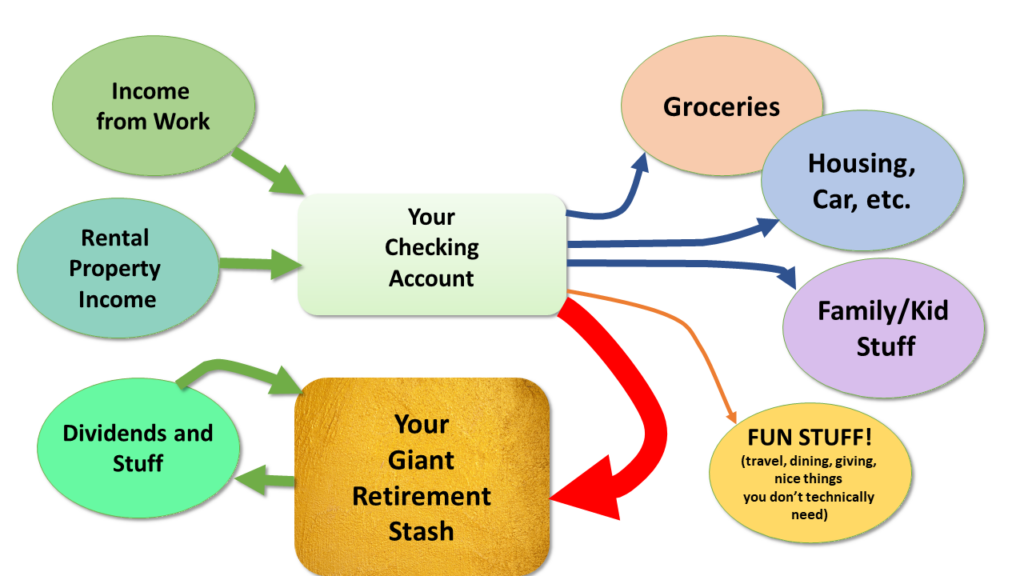
The decision prompted a deeper examination of a classic piece of life wisdom: "What got you here won’t get you where you’re going." For individuals who have spent a lifetime practicing disciplined frugality, amassing a secure nest egg can inadvertently trap them in a perpetual scarcity mindset. Even when individuals achieve a net worth that far exceeds their projected lifetime expenses, the psychological conditioning of saving every extra dollar often persists, transforming into an automated reflex that prioritizes growing the financial pile over experiencing the present.
This phenomenon was recently highlighted during a routine grocery store visit, where an encounter with a loaf of artisan bread priced at $6.99 triggered an immediate internal battle. Despite having built a robust financial safety net, the immediate instinct was one of outrage and resistance to perceived overpricing. Recognizing this pattern led to the realization that many long-term retirees and frugal savers suffer from an inability to spend money on themselves, even when resources are abundant.
To combat this deeply ingrained hesitancy, the financial blogger and his peers have begun exploring new mental frameworks for balancing financial responsibility with personal fulfillment. Rather than viewing every dollar spent as a subtraction from future security, the approach encourages establishing a reasonable minimum spending budget based on safe withdrawal rates from established investments. Furthermore, shifting perspective by establishing dedicated discretionary spending accounts helps make personal funds feel less precious, mirroring the effortless spending mindset people typically adopt when traveling on corporate budgets.
The financial impact of the new vehicle is substantial. Realistically, transitioning to a $50,000 electric crossover will increase annual transportation expenses by roughly $10,000 compared to the operational costs of the old van. However, because this increased expenditure is vastly outweighed by existing budget surpluses, and because the vehicle’s primary purpose is to facilitate camping trips, road adventures, and meaningful experiences, the investment is viewed as a calculated step toward a more balanced lifestyle.
Addressing critics who argue that such funds should instead be directed entirely toward charitable giving or shared with those in less fortunate circumstances, the blogger notes that financial responsibility and philanthropy are not mutually exclusive. Having previously documented personal donations exceeding $500,000 to various causes throughout his blogging career, he emphasizes that extreme self-denial can sometimes stem from an unhealthy psychological feedback loop. When every personal indulgence is weighed against massive charitable contributions, the resulting fear of depletion can push individuals toward unnecessary austerity.
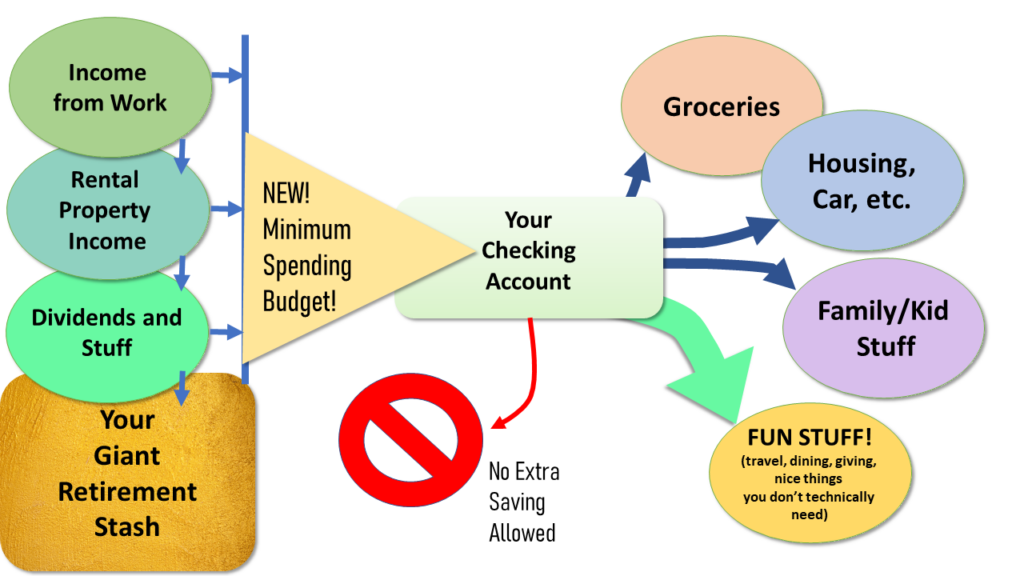
The overarching philosophy acknowledges that while being a responsible steward of life savings and giving generously to others remain vital priorities, setting aside earned funds for personal enjoyment and the comfort of loved ones is entirely acceptable. Whether it involves upgrading travel accommodations, purchasing quality provisions without agonizing over minor price differences, or finally embracing an electric vehicle that eliminates the noise and mechanical strain of the gasoline era, the goal is to find a sustainable middle ground.
As for the departure of the old Honda van, its final chapter concluded through an online car salvage service called Peddle, which evaluated the vehicle, dispatched a tow truck the following day, and provided a cash payment of $715. True to the thematic spirit of the transition, those funds were immediately earmarked for celebratory dinners out with friends.

The acquisition of the Tesla Model Y marks the beginning of an ongoing documentation project titled "The Model Y Experiment," where the long-term ownership experience, reliability, customer service interactions, and vehicle modifications will be shared publicly. For a vocal critic of car culture, stepping behind the wheel of an electric crossover is less about embracing excess and more about aligning daily reality with the freedom that financial independence was always meant to provide.