



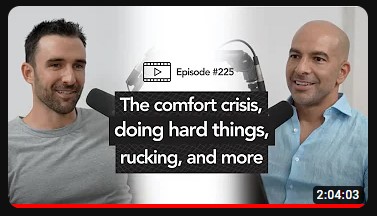
It often begins with something small—a podcast recommendation, a casual conversation, or a headline that catches the eye. For one prominent voice in the personal finance and lifestyle movement known as "Mustachianism," it started with an episode of the Peter Attia podcast featuring a young, critically acclaimed writer discussing a new book. Initially dismissed as potentially irrelevant to an established lifestyle, the episode’s central theme proved too compelling to ignore.
The book at the center of the discussion was Michael Easter’s The Comfort Crisis, a work that offers a concise summary of a philosophy years in the making: modern society has developed a profound problem of ridiculous overindulgence and ease. While news headlines frequently broadcast warnings about nationwide personal debt, health crises, and the general hardships of contemporary life, the underlying reality for many in developed nations points in the exact opposite direction. The primary issue is not that life is too difficult, but rather that excessive comfort and ease are damaging human physical and mental well-being, largely without the public realizing it.

Following a deep dive into the two-hour interview, followed by a thorough reading of the book itself, the core lessons offer a stark look at modern existence. The author, a former writer for Men’s Health magazine who navigated a personal and generational struggle with alcohol addiction, brings a unique perspective to the broader battle between human comfort and hardship. His background with overindulgence provides sharp insights into why modern humans constantly grapple with the hollow comforts of contemporary civilization.
Understanding The Comfort Crisis and Human Adaptation
At its core, The Comfort Crisis employs a split narrative structure common to popular science writing. It weaves together the harrowing account of an intensely difficult caribou hunting trip in a remote region of Alaska with relevant science, psychology, and cultural commentary. This dual approach allows readers to process and apply broader lessons about human resilience to their daily lives.

The book addresses puzzling everyday behaviors, such as why suburban homeowners or neighborhood association board members often fixate on trivial matters like unacceptably tall weeds or minor infractions. According to scientific research cited in the work, there is a fundamental psychological explanation for these tendencies: human beings possess an innate biological drive to constantly scan their environment for problems, regardless of how safe and perfect that environment actually is.
In studies where participants were asked to look for threats in an environment that gradually became safer, researchers discovered that when people ran out of actual threats to find, they began looking for a wider range of minor issues. As human beings experience fewer genuine problems in daily life, satisfaction does not necessarily increase. Instead, the threshold for what constitutes a problem simply drops.
When lives are virtually problem-free, people frequently stop appreciating their good fortune and begin manufacturing complaints. Political systems and public figures often respond to these insubstantial concerns by introducing wedge issues that encourage cultural and religious bickering over matters that would otherwise go unnoticed. This dynamic highlights a modern vulnerability, contrasting sharply with the resilience found in environments where survival requires genuine effort.
Conversely, individuals living in harsher environments often display greater resilience and lower tendencies to complain. Interviews with residents in active conflict zones, such as occupied regions of Ukraine, frequently yield high numbers of respondents describing their living conditions as safe when asked standard geographical safety questions—responses surprisingly similar to those gathered from residents in affluent American cities. This adaptation principle also clarifies generational wealth patterns. First-generation immigrants, accustomed to harsher and less comfortable conditions abroad, often adapt by building businesses and accumulating wealth, while subsequent generations raised in ease are more prone to complacency and financial depletion.
Tree Therapy and the Cost of Convenience
Beyond the trap of pointless worry, the book explores why spending time in nature substantially boosts physical and mental recovery, while modern environments characterized by cubicles and automobile commuting gradually wear individuals down. Biological wiring responds instantly and powerfully to natural elements in ways artificial surroundings cannot replicate.

Research indicates that even placing a single plant into a hospital room measurably improves patient recovery times across various ailments. Extended exposure to living forests amplifies these healing effects. Furthermore, the text examines human ratios of effort to reward, noting that psychological satisfaction directly correlates with the amount of work invested in achieving a goal.
Despite these proven benefits, human nature maintains a distinct aversion to physical exertion. Statistics highlighted in the research reveal that only two percent of people choose to take the stairs when an escalator is available, illustrating a profound default toward physical comfort. Moving the human body regularly, particularly through heavy load-bearing and outdoor exertion, drastically reduces the probability and severity of numerous diseases. Yet modern populations frequently remain indoors, relying on passive entertainment and sedentary routines while seeking complex medical treatments for preventable physical and mental ailments.
True health optimization begins with fundamental, proven practices: maximizing outdoor exposure, engaging in regular heavy exertion, minimizing sedentary behavior and driving, and reducing the intake of ultra-processed foods, sugar, and alcohol. While not requiring perfection, recognizing these foundational levers allows individuals to prioritize essential human needs before turning to specialized or exotic medical interventions.

Real-Life Application in the Mountains of Colorado
The principles outlined in The Comfort Crisis find immediate practical application during periods of intentional physical challenge. A solo journey into the remote mountains of Southwestern Colorado—undertaken to handle construction projects including the restoration of a property in Salida and the beginning of cabin construction in Durango—provided a firsthand test of these concepts.
Travel through the high country immediately presented a series of obstacles, including a torrential rainstorm, a traffic citation witnessed directly by local law enforcement officers, and a stray pebble that instantly cracked a brand-new vehicle windshield. In a life accustomed to stability and comfort, even these minor inconveniences initially created a sense of stress and imbalance. However, recognizing these events as temporary challenges rather than genuine crises reframed the experience.

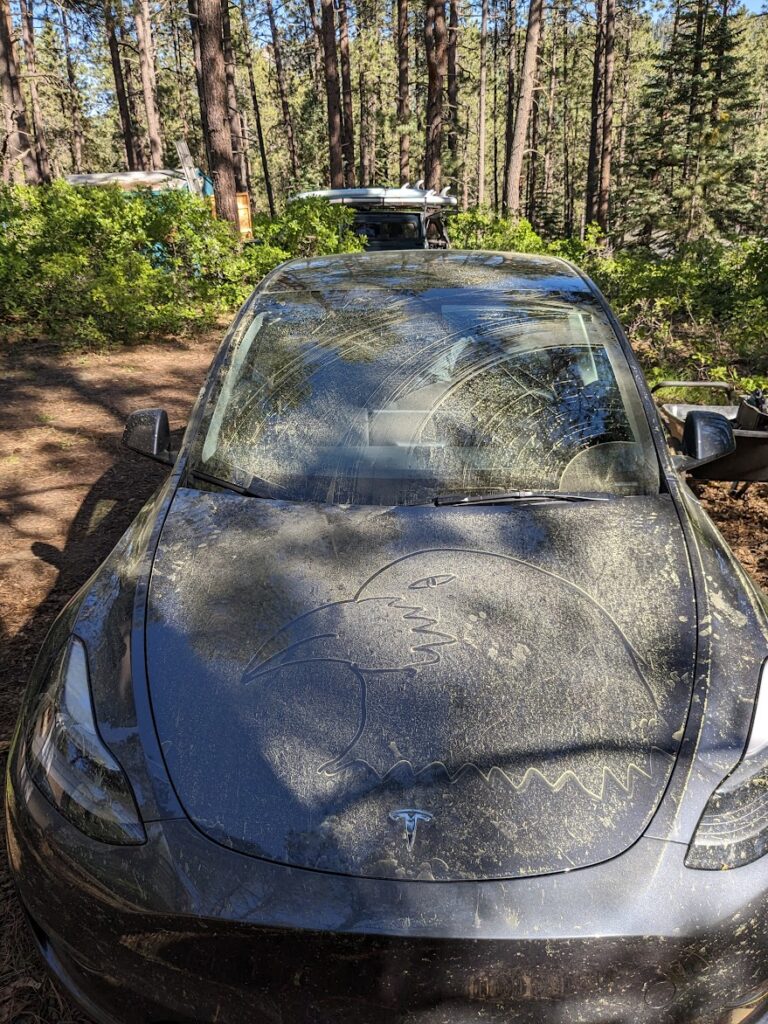
Arriving at a high desert forest plot near Durango in the peak of summer brought physically demanding work days under a scorching sun and a relentless blanket of tree pollen. Operating without indoor plumbing, managing strict water conservation, and sleeping inside a converted vehicle far from home introduced daily hardships. Yet, rather than inducing depression, this continuous physical engagement fostered a growing sense of capability and resilience.
An afternoon excursion to the remote Lemon Reservoir for paddleboarding further tested these boundaries. Venturing onto the water without mobile devices or modern conveniences, navigating stiff headlands and whitecap waves against a distant mountain backdrop, reinforced the value of unshielded experiences. Without cameras to document the landscape, the vibrant wildflowers, soft mossy meadows, and remote shorelines were instead committed directly to memory. Floating silently across deep water at the end of the day offered a profound sense of peace distinct from the trappings of material possession.
This period of physical labor and sparse food supplies also restored a natural baseline of healthy hunger, countering the modern habit of constant satiation. Returning to civilization for a final celebration meal highlighted how genuine exertion dramatically enhances basic human experiences, turning a standard dinner into an unforgettable culinary reward.
Purposeful Hardship Versus Purposeful Spending
Discussions surrounding modern financial independence frequently touch upon spending habits and the balance between saving and enjoying accumulated wealth. While resources can rightfully be directed toward adventures, personal growth, generosity, and community improvement, it remains easy to fall into the trap of purchasing items designed solely to maximize physical ease.
The overarching lesson remains clear: maintaining a challenging and active existence prevents the stagnation born of overindulgence. Upgrading tools and experiences that foster genuine capability proves far more valuable than surrounding oneself with artificial comforts. In a world increasingly engineered for ease, seeking out purposeful hardship stands out as one of the most effective paths to sustained physical and mental well-being.