


As the global stock market continues to scale unprecedented heights, driven largely by a frenzied boom in Artificial Intelligence, investors are once again grappling with an age-old anxiety: when the market reaches super-duper-crazy record valuations, an even bigger crash must be just around the corner. For many, the current market dynamic evokes memories of the dot-com bubble of the early 2000s, an era that catalyzed early retirement trajectories for some while threatening others with job displacement and economic instability.

Addressing these widespread anxieties, veteran financial commentator and long-term early retiree known as Mr. Money Mustache recently unpacked the intersection of modern market panic and human psychology. Having recently marked 21 years of retirement, he debuted a dedicated presentation on the subject at Camp FI Midwest, with an updated version slated for the upcoming Bogleheads conference in November. The central thesis of the discussion challenges the prevailing narrative of doom, suggesting that the root of modern investor fear lies not within economic indicators, but within the evolutionary wiring of the human brain.

Will the AI Bubble Ruin Our Retirement?
Reflecting on the psychological weight of market cycles, the discussion often circles back to a fundamental question posed to long-term retirees: how one can remain comfortable and sleep at night amid continuous global turmoil. When individuals watch the daily news cycle, a familiar roster of anxieties emerges—political volatility, shifting geopolitical conflicts, mounting national debt, inflation eroding purchasing power, and the looming shadow of the artificial intelligence boom threatening widespread job displacement.

Yet, historical perspective offers a striking antidote to these recurring fears. Looking back twenty years to 2006, investors were gripped by an entirely different set of catastrophic predictions. At that time, the headlines were dominated by fears of soaring national debt, escalating conflicts in the Middle East, extreme outsourcing to developing economies, and a looming energy crisis centered on peak oil. Above all, the housing market was displaying symptoms of a massive speculative bubble.

What followed was the Great Financial Crisis of 2008, the most severe economic downturn since the Great Depression, fueled by housing market exuberance and complex financial leverage. Yet, when viewed across a multi-decade horizon, even that historic catastrophe appears as a temporary dip within a broader upward trajectory. A hypothetical investment of $100,000 made through those turbulent decades still managed to grow substantially, weathering subsequent disruptions such as the 2020 pandemic crash.

Simultaneously, broader global indicators over the past twenty years reveal dramatic progress rather than systemic decay. Extreme poverty rates have fallen significantly, infant mortality has been cut in half, and clean energy adoption has surged. Solar power generation has expanded exponentially as panel costs plummeted, while electric vehicle adoption has transitioned from a theoretical concept to a substantial share of global automotive sales.

Prosperity and the Power of Productivity
Despite these long-term gains, the fear of an impending financial correction persists. Skeptics question whether current debt levels or the scale of the artificial intelligence boom render this cycle fundamentally different from the past. However, financial commentators emphasize a core economic principle that market pessimists frequently overlook: true prosperity does not originate from the financial system or the stock market, which are ultimately human-invented constructs of digital numbers.

Instead, prosperity is derived directly from productivity. The history of capitalism demonstrates that while financial markets are inherently volatile and prone to speculative swings, the underlying engine of the economy consists of real people performing real work and developing tangible innovations. If a financial system experiences a systemic failure due to speculative excesses, historical precedent shows that societies possess the capacity to restructure financial frameworks and resume productive activity, much as they did following the 2008 crisis.

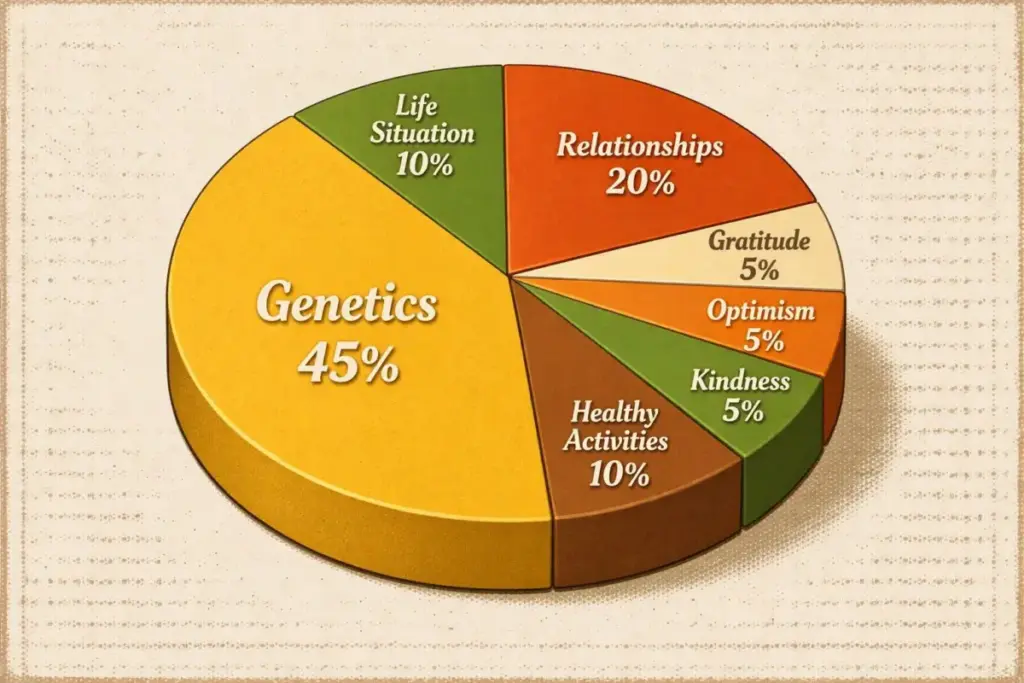
High productivity, enabled by technological innovation, directly drives standards of living and economic growth. Beyond a certain economic threshold, however, further increases in material wealth yield diminishing returns regarding human happiness. Psychological well-being relies heavily on non-financial factors, including personal relationships, life philosophy, and daily habits, leaving financial status as only one component of an individual’s overall life satisfaction.

Understanding and Managing Fear
The persistence of anxiety among investors, even those who have achieved financial independence, points to a deeper psychological mechanism. Human beings have evolved as specialized danger-detection machines. This evolutionary trait served to protect early humans from physical predators and environmental scarcity, but in modern, stable societies, the brain continues to search for threats, shifting its focus from physical survival to economic security, social status, and abstract future uncertainties.

This continuous goalpost-shifting explains why individuals who achieve financial stability often pivot to worrying about tax strategies, inheritance planning, or mandatory government distributions once their primary financial needs are met. Recognizing this pattern allows individuals to interrogate the origins of their anxieties, which are frequently rooted in childhood experiences, generational scarcity mindsets, or historical trauma rather than an objective assessment of the present.
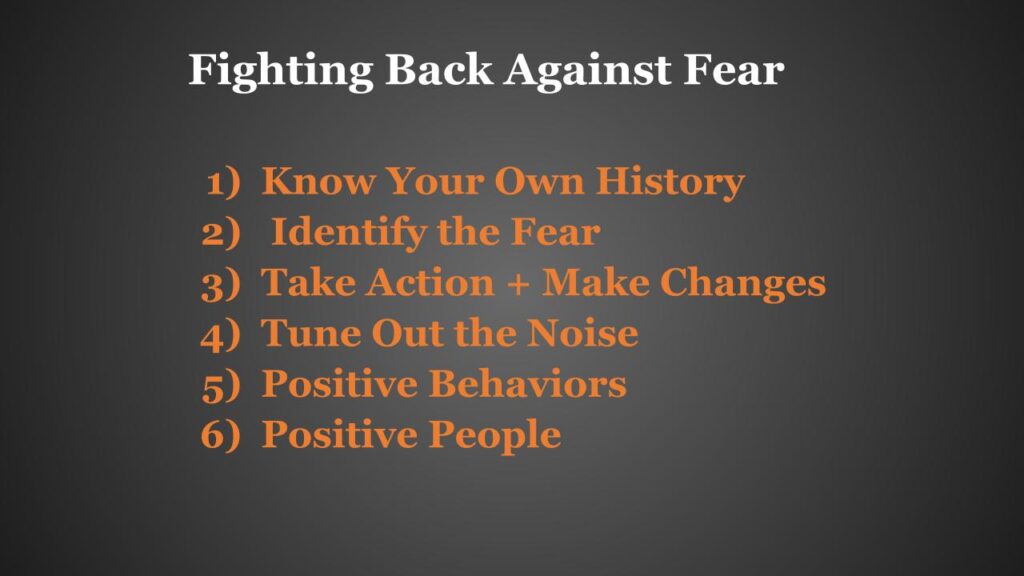
Taking concrete action remains one of the most effective countermeasures against chronic anxiety. Action transforms the unfamiliar into the familiar, fostering resilience and adaptability. By deliberately reducing consumption of sensationalized daily news—which disproportionately highlights negative events—and focusing instead on positive behaviors, physical health, and purposeful activity, individuals can significantly mitigate baseline stress levels. Surrounding oneself with optimistic, solution-oriented communities further reinforces a constructive mental outlook.

Viewing Technological Shifts as Experiments
This proactive, experimental mindset applies directly to contemporary technological disruptions, most notably the rapid advancement of artificial intelligence. Rather than viewing emerging technologies through a lens of existential dread, analysts suggest framing them as large-scale societal experiments.

From an economic and technological standpoint, artificial intelligence functions essentially as a cognitive productivity tool. Much like historical labor-saving inventions, it promises to enhance efficiency and drive long-term economic prosperity by reducing the cost of complex cognitive tasks. At the same time, it introduces significant labor market transitions, displacing certain entry-level administrative and technical roles while simultaneously lowering service costs and catalyzing entirely new industries, mirroring the transformative impact of the internet and mobile computing.
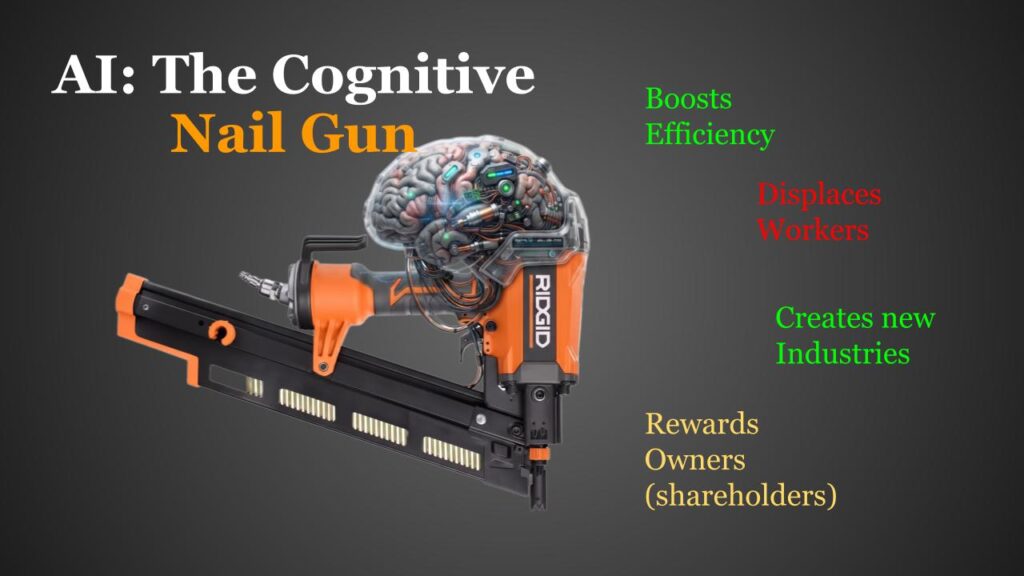
While technological revolutions historically tend to concentrate financial gains among asset owners and shareholders—thereby rewarding diversified investors—they ultimately present a choice for the individual. Rather than succumbing to fear-mongering narratives, participants in the modern economy can choose to approach these shifts as triggers for continuous learning and adaptation. Overcoming financial and technological anxiety ultimately requires confronting the root causes of fear, recognizing that personal growth and long-term security lie on the other side of uncertainty.