

The stock market has once again proved its capacity to surprise, leaving investors and retirees grappling with a familiar mix of euphoria and dread. As equities climb toward record valuations driven by the explosive momentum of the artificial intelligence boom, a persistent anxiety grips the financial world. Market participants watch the frenzy unfold and wonder if an impending correction could eclipse past historical downturns, sparking fierce debates about whether current tech valuations are built on sustainable foundations or a fragile speculative bubble.

For retirees and long-term investors, the fear of an impending market crash is a constant background hum. Yet, looking back reveals that the anxieties of today are merely modern iterations of the worries that have haunted Wall Street for decades. Reflecting on past economic cycles offers crucial perspective on how human psychology, market corrections, and technological shifts interact over time.

Looking Back at Two Decades of Market Anxieties
To understand the current anxiety surrounding the artificial intelligence sector, it is helpful to look back twenty years to the mid-2000s. During that era, investors were losing sleep over an entirely different set of existential threats. Headlines were dominated by concerns over geopolitical instability, soaring national debt, and persistent inflation. Back then, a booming real estate market fueled a housing bubble that many feared would permanently derail the economy, while globalization and the outsourcing of jobs to countries like India and China sparked widespread panic about the future of domestic employment.

There were also intense debates surrounding peak oil—the fear that global fossil fuel consumption would inevitably outstrip dwindling supplies and lead to societal collapse. Instead, technological innovation reshaped the energy landscape. Over the subsequent two decades, solar power costs plummeted dramatically, clean energy adoption surged, and electric vehicle sales expanded globally.

Even the subsequent Great Financial Crisis—triggered by irrational exuberance in housing markets and excessive leverage—pales when viewed through the lens of long-term market performance. Despite the severity of the 2008 crash and subsequent disruptions such as the 2020 pandemic downturn, broad market indexes continued their upward trajectory over the long horizon, turning historical investments into substantial wealth for disciplined, patient investors.

Prosperity Rests on Productivity, Not Speculation
Market commentators and financial media frequently spin alarming narratives about impending economic doom, but these doomsayers often miss a fundamental economic truth: true societal prosperity is driven by productivity rather than the fluctuations of financial systems and stock market indices.

The concepts of an economy and a stock market are human-made financial mechanisms. When speculative bubbles burst and financial systems undergo painful corrections, societies retain their underlying productive capacity, tools, inventions, and human ingenuity. If a financial system collapses due to overextended valuations, the underlying architecture of human productivity allows economies to rebuild, adapt, and move forward.

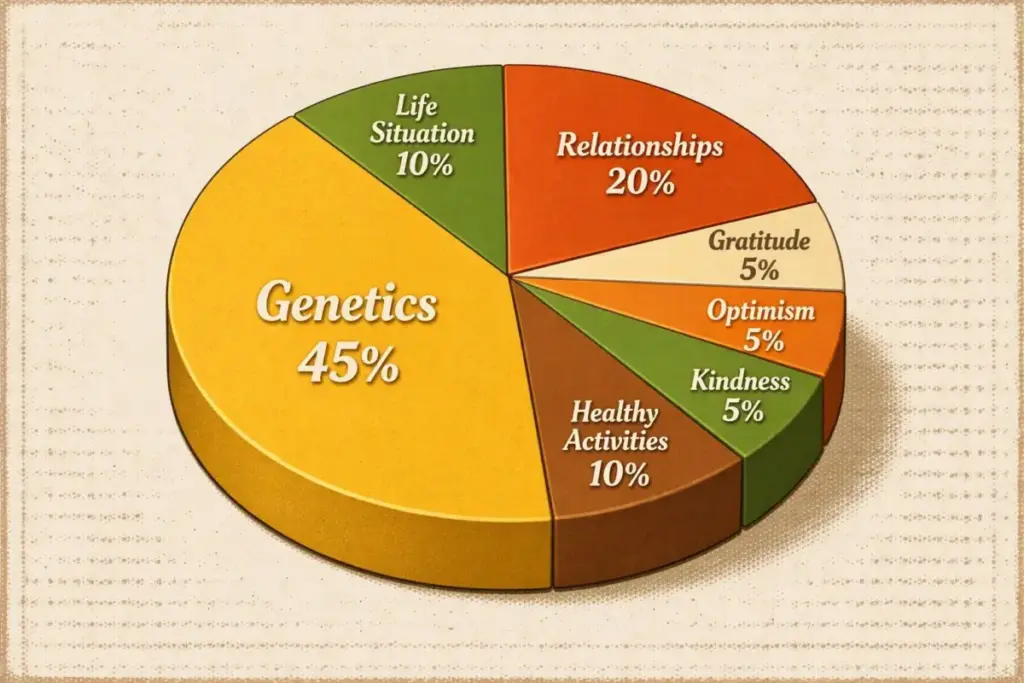
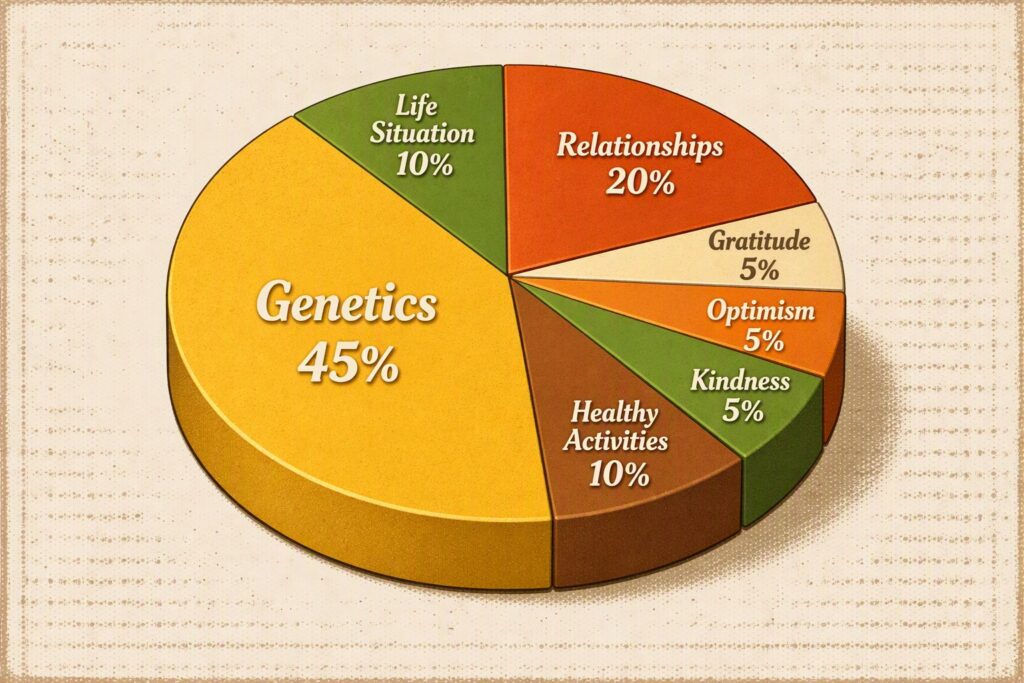
Standard of living and economic growth stem directly from productivity gains. Once a society achieves a baseline level of material prosperity, further financial accumulation plays a diminishing role in driving human happiness. Broader psychological and social factors—such as maintaining healthy relationships, practicing optimism, and staying physically active—ultimately dictate personal well-being.

Understanding the Psychology of Fear and Scarcity
The persistent anxiety surrounding market bubbles and economic uncertainty is deeply rooted in human evolution. Humans function effectively as biological danger-detection machines, an adaptive trait designed to protect early humans from physical threats and environmental scarcity. However, this evolutionary mechanism often backfires in modern, stable societies. Once immediate physical threats are resolved, the human mind continues searching for new sources of anxiety, seamlessly shifting goalposts from survival and food security to social standing, investment portfolios, and tax strategies.
This scarcity mindset is frequently reinforced by personal history and childhood environments, where perceptions of financial insecurity are passed down through generations. Survivors of trauma or economic hardship often carry heightened anxiety into adulthood, causing them to view current economic environments through the lens of historical trauma rather than objective reality.

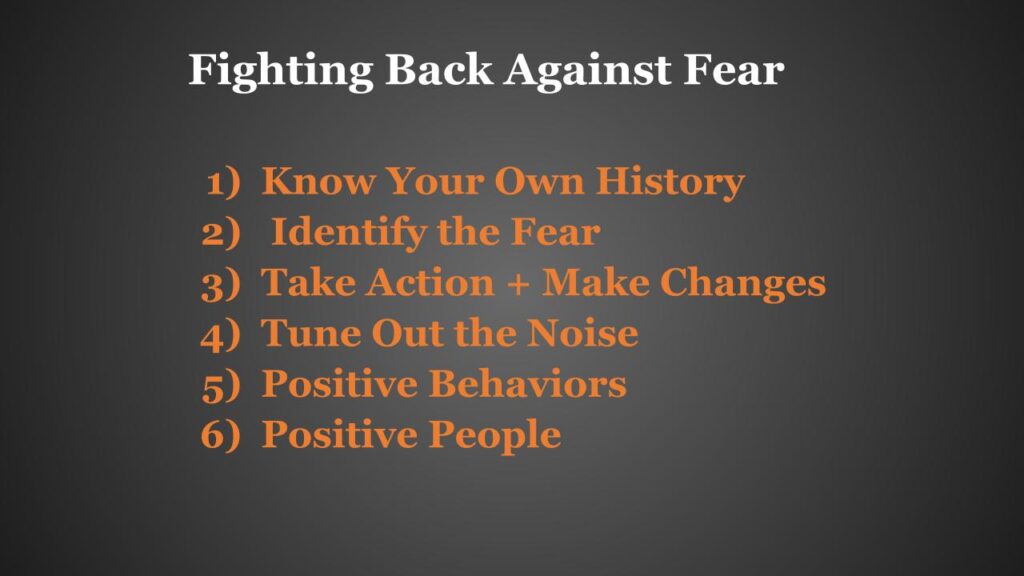
Combating this pervasive financial anxiety requires conscious self-awareness and deliberate action. Acknowledging the root causes of personal fear allows investors to dismantle worst-case scenarios rationally rather than reacting impulsively to daily market volatility. Taking proactive steps—such as reducing consumption of fear-driven news cycles, engaging in meaningful physical activity, and surrounding oneself with optimistic, productive peers—helps ground individuals in reality. Viewing life’s transitions and uncertainties as experiments rather than existential threats fosters true resilience and adaptability.
The Artificial Intelligence Era as a Technological Experiment
Applying this perspective to the current artificial intelligence boom reframes the technology from a terrifying unknown into a fascinating historical experiment. While rapid technological shifts inevitably spark uncertainty and media sensationalism, viewing artificial intelligence through the lens of economic history reveals its primary function: a powerful catalyst for cognitive efficiency.

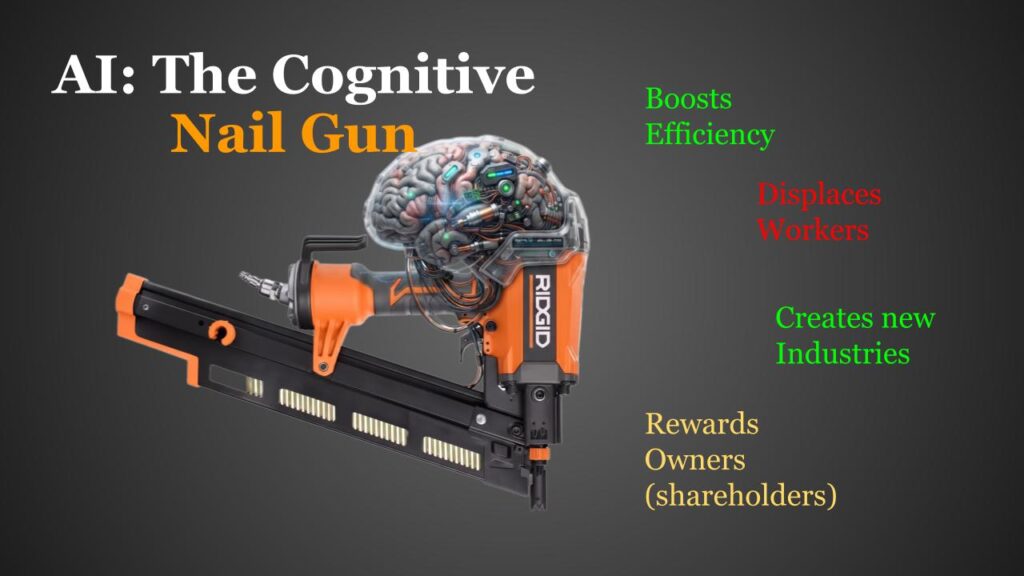
Much like the introduction of automated tools in manufacturing or the rise of the internet and mobile applications, artificial intelligence serves as a cognitive nail gun. It amplifies human efficiency, drives productivity gains, and ultimately contributes to broader economic prosperity by lowering the costs of complex services and spawning entirely new industries.

Naturally, technological transitions create labor market disruptions, displacing workers in entry-level administrative, financial, and logistical roles. At the same time, these shifts concentrate economic rewards among asset owners and shareholders, contributing to portfolio gains for long-term investors. Artificial intelligence represents another major technological evolution—an opportunity to make deliberate choices rather than yielding to speculative panic.
Ultimately, navigating the uncertainties of modern financial markets requires looking past short-term volatility and recognizing that true progress lies on the other side of fear. By understanding the psychological roots of anxiety and focusing on human productivity and resilience, investors can successfully navigate the artificial intelligence era and whatever market surprises lie ahead.