


The stock market has a persistent habit of surprising observers. As years pass, major indices repeatedly defy expectations, climbing to record highs and super-duper-crazy record valuations that inevitably invite public anxiety. When the market crashes, investors watch their retirement stashes shrink with understandable dismay. Yet, even when equities surge to unprecedented heights, a different kind of worry emerges: the gnawing suspicion that a catastrophic correction is just around the corner. Today, that prevailing sense of dread is frequently pinned on the frenzied boom surrounding Artificial Intelligence.

For those who have managed to tune out the financial drama and focus on daily life, the peace of mind is well-deserved. But understanding the current economic narrative requires a brief look at the overarching story. Investors worry that while artificial intelligence is undoubtedly a major technological milestone, the financial mania surrounding it is moving too fast and reaching unsustainable valuations. Many fear the market is hurtling toward an amplified replay of the dot-com crash of the early 2000s—a historical parallel carrying personal significance for veterans of that era, when the initial internet boom paved the way to early retirement before an ensuing correction threatened livelihoods and citizenship applications alike.
As veteran internet financial commentators frequently field questions about the current investment cycle just as they have through past booms and busts, the dialogue has expanded beyond digital columns to live events. From presentations at gatherings like Camp FI Midwest to upcoming addresses at the Bogleheads conference, the conversation consistently returns to a central, pressing question for modern savers: Will the AI bubble ultimately ruin retirement?

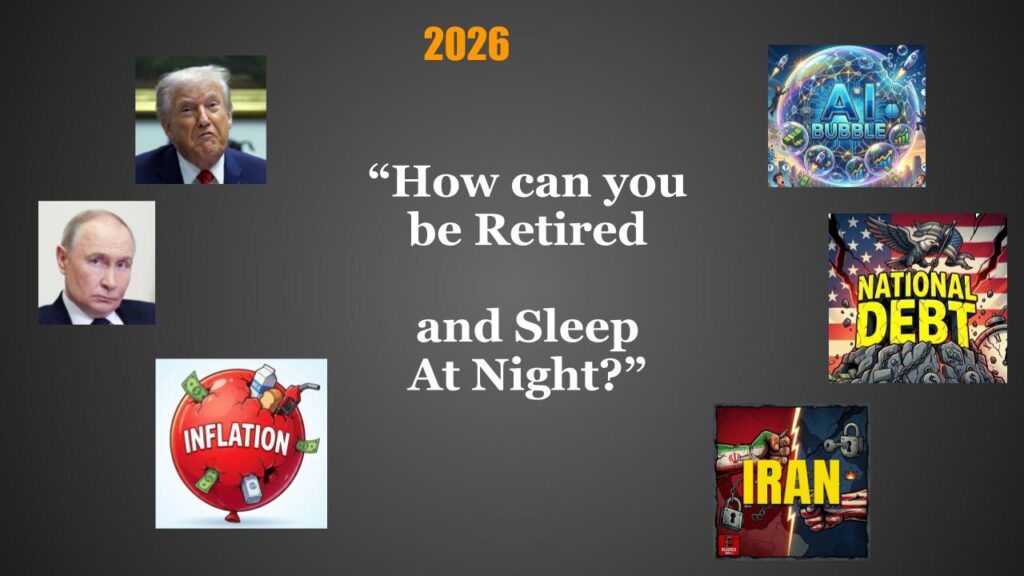
Having spent over two decades in retirement, the concept is comfortable, yet certain questions from peers still prompt reflection. Friends occasionally ask how anyone can remain retired, find comfort, and sleep at night given the state of the world. For news-watchers and chronic worriers, the list of contemporary anxieties is long, ranging from polarizing political figures menacing the global stage to persistent inflation eroding purchasing power, towering national deficits, and geopolitical conflicts threatening widespread instability.
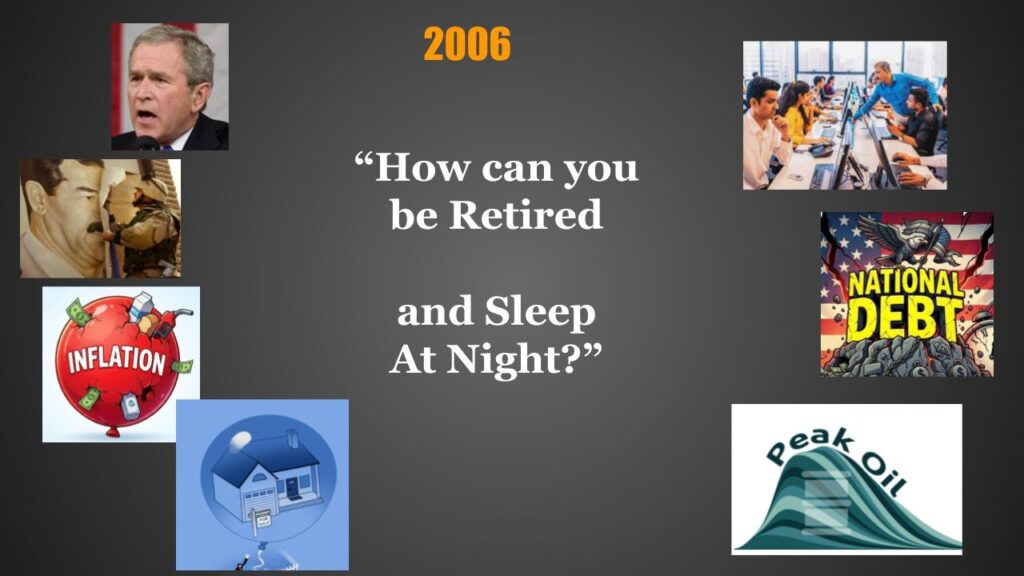
Yet, looking back two decades reveals a striking historical parallel. In 2006, the worries were remarkably similar, albeit dressed in different attire. Back then, the world contended with controversial political leaders, Middle Eastern conflicts, ballooning national debt, and rising inflation. The stock market was similarly viewed as dangerously overvalued, though the culprit was a housing bubble rather than an AI mania. Instead of artificial intelligence threatening to displace human workers, the prevailing fear was job outsourcing to India and China. There was even a fierce global debate over peak oil, with widespread concern that fossil fuel consumption would inevitably outstrip supply and doom civilization—an outcome that ultimately turned out quite differently.

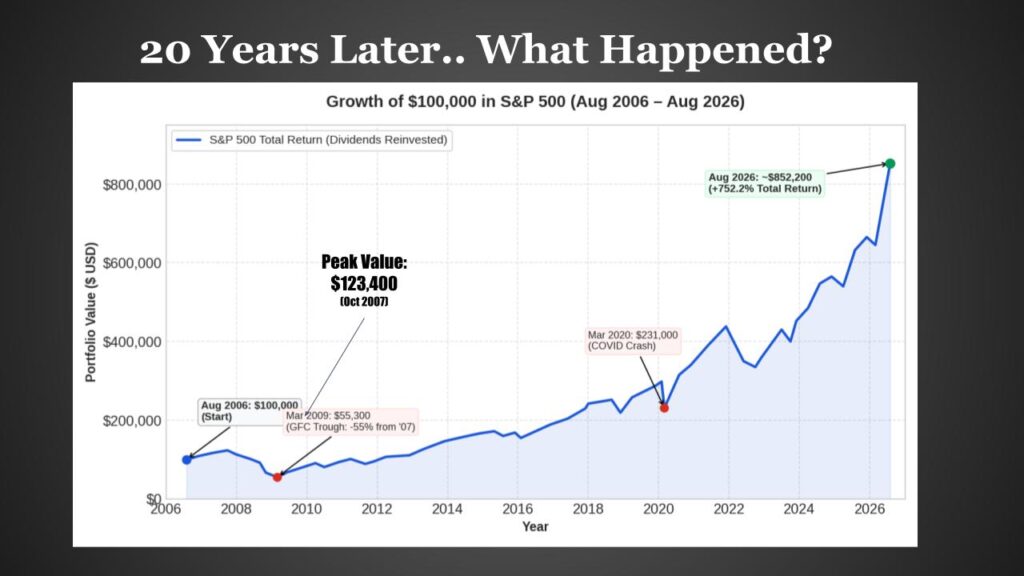
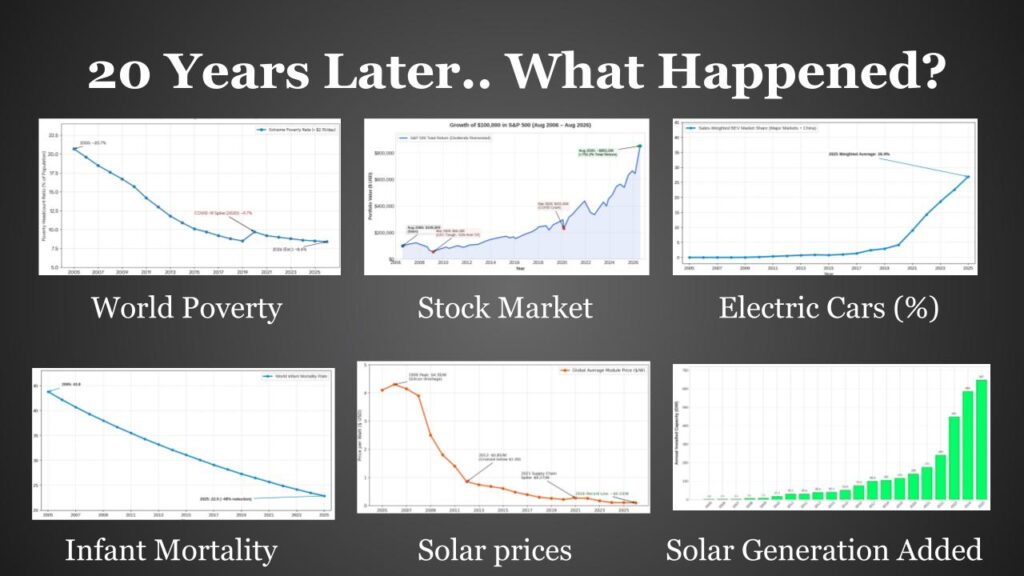
Despite the heavy anxiety of 2006, the subsequent two decades witnessed profound economic growth and societal progress. Even the Great Financial Crisis—triggered by a toxic mix of irrational exuberance in housing prices and overly complex financial leverage—stands as the largest market crash since the Great Depression. Yet, viewed through the lens of history, even that severe downturn appears modest within a broader trajectory. A hundred-thousand-dollar investment made back then still managed to balloon significantly over the long term, comfortably absorbing subsequent disruptions like the pandemic-era market shock of 2020.
Simultaneously, the broader world experienced remarkable improvements. The share of the global population living in extreme poverty dropped dramatically over a twenty-year span, while global infant mortality rates were cut in half. Clean energy transformed from a niche concept into a dominant market force as solar panels plummeted in cost, making solar generation the primary source of new electrical capacity worldwide. Meanwhile, pure electric vehicle sales surged from near-zero to claim a substantial share of global automotive sales.
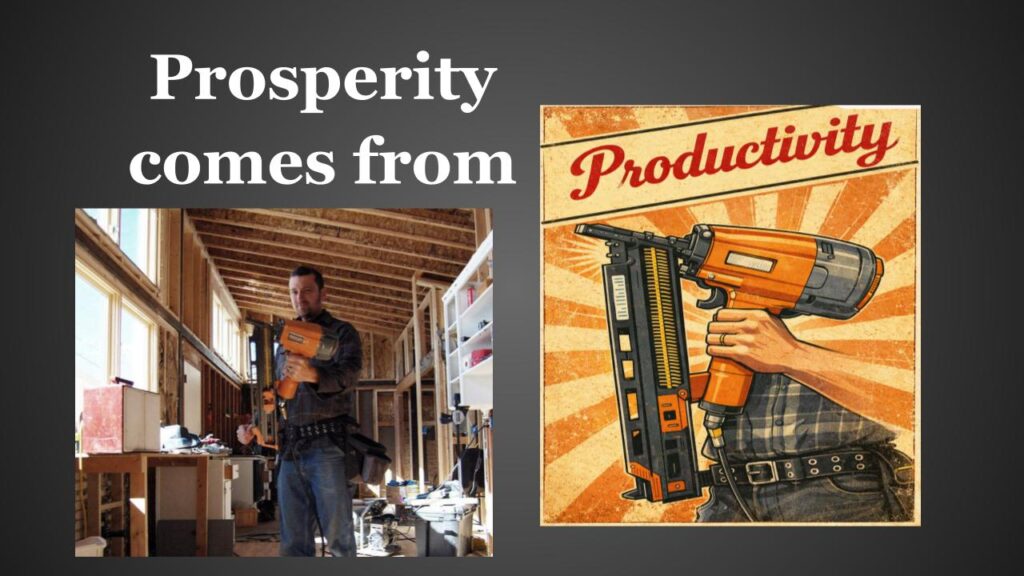
This historical perspective challenges the fundamental question of whether it is truly different this time. While skeptics point to the expanding U.S. national debt, an unprecedented AI bubble, or theoretical existential risks posed by superintelligence, financial doomsayers consistently overlook a foundational economic truth: true prosperity does not originate from the financial system or the stock market, which ultimately function as computerized numerical representations. Instead, prosperity stems directly from productivity.
Economic history demonstrates that capitalism is inherently volatile, characterized by choppy waters and wild market swings. Beneath the surface turbulence, however, real people engage in real work and develop tangible inventions. The very concept of an economy is a human construct; if a financial system breaks down because participants dislike prevailing asset prices, society has historically simply reset the parameters and returned to productive labor. Human standard of living, economic growth, and the viability of early retirement are all anchored firmly in high productivity.
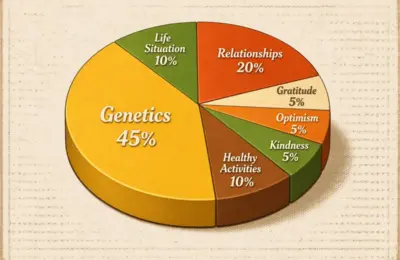
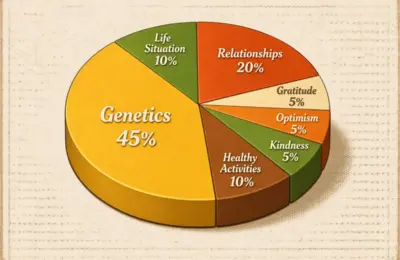
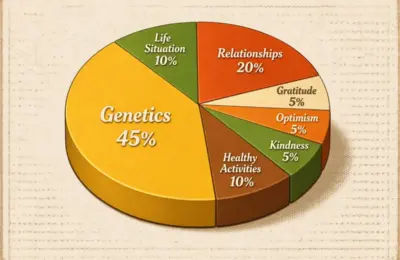
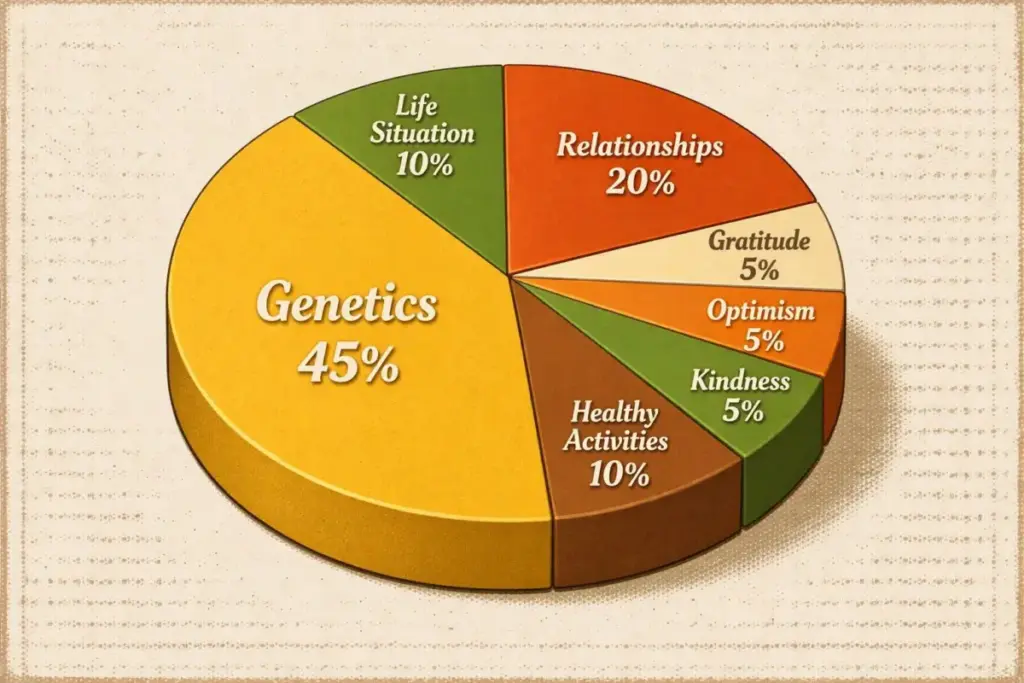
Furthermore, once a certain standard of living is achieved, human happiness largely plateaus along that specific financial dimension. Developed nations surpassed those baseline requirements decades ago, shifting individual focus toward maximizing overall life satisfaction. Wealth ultimately serves as a minor component within a broader life situation, where non-financial factors—such as maintaining close relationships, practicing gratitude, optimizing physical health, and engaging in outdoor activities—exert a far greater influence on personal well-being.
Despite these reassuring realities, lingering fear remains a formidable obstacle for many savers. Psychologically, human beings operate fundamentally as danger detection machines. This pervasive background anxiety evolved as a vital protective mechanism against genuine physical threats. However, a peculiar quirk of this evolutionary machinery is that when immediate dangers recede, the human mind actively seeks out new subjects for worry, continually shifting the goalposts from physical survival and food security to social belonging, wealth accumulation, and even complex tax strategies like required minimum distributions for retirees holding surplus funds.
Combating this intrinsic fear requires self-awareness and rational evaluation. Examining personal history often reveals the root causes of financial anxiety, whether traceable to a parent’s scarcity mindset forged during the Great Depression or to broader childhood traumas. Identifying specific fears by mapping out worst-case scenarios typically exposes them as manageable rather than catastrophic. Action serves as an antidote to fear, transforming the unfamiliar into the familiar and fostering resilience—the vital capacity to adapt to any new environment.
Mitigating daily anxiety also involves auditing one’s mental diet, particularly by reducing exposure to sensationalized media coverage designed to amplify fear. Realigning daily routines with natural human inclinations—such as spending time outdoors, engaging in physical movement, and solving practical problems—promotes better mental health than sedentary isolation. Surrounding oneself with optimistic, productive peers within supportive communities further reinforces a constructive outlook.
Approaching new developments through the lens of experimentation helps demystify uncertainty. Whether applied to minor lifestyle changes or major life transitions like early retirement, treating life as a series of experiments replaces dread with curiosity. This experimental mindset applies directly to the current artificial intelligence landscape. Rather than yielding to doom-scrolling and ominous news cycles, viewing AI through the framework of economic history reveals it as a powerful new cognitive tool.
Much like a cognitive nail gun, artificial intelligence promises to enhance efficiency, drive productivity, and ultimately foster broader economic prosperity by lowering the cost of complex intellectual tasks. While it will inevitably displace certain entry-level administrative and driving roles, technological revolutions throughout history have consistently phased out specific jobs while simultaneously catalysing the creation of entirely new industries, mirroring the transformative impact of the internet and mobile applications.
Ultimately, artificial intelligence represents another choice-driven opportunity rather than an existential threat. By understanding the root causes of fear, tuning out sensationalized panic, and focusing on human productivity and resilience, individuals can navigate the AI bubble and future market fluctuations with clarity, ensuring that fear remains a manageable symptom rather than a barrier to a fulfilling life.