



The stock market has once again proved its capacity to surprise. As valuations reach historic highs, propelled largely by a modern frenzy surrounding artificial intelligence, investors find themselves confronting a familiar psychological crossroad. When markets plunge, portfolios shrink, triggering immediate anxiety. Yet, when markets climb to unprecedented peaks, a different kind of dread sets in—the paralyzing fear that an even larger correction is just around the corner, especially when a boom is tied to a technological phenomenon as explosive as generative AI.

For those who have managed to tune out the daily drumbeat of financial media, the basic narrative of the artificial intelligence boom can be summarized swiftly. Massive investments are pouring into advanced computing infrastructure, data centers, and algorithmic models, transforming how industries operate and fueling speculation across Wall Street. While AI undeniably represents a major technological leap forward, market observers and retail investors alike worry that the current mania is moving too fast and scaling too high. This sentiment evokes memories of the early 2000s dot-com bubble—an era that notably shaped the early career of independent financial commentator and early retirement advocate Mr. Money Mustache, who experienced firsthand how the subsequent market correction threatened employment and stability.

Addressing this investment cycle requires stepping back to examine historical parallels. Twenty years ago, in 2006, investors faced a similarly daunting list of anxieties. Headlines were dominated by concerns over geopolitical instability, the national debt, inflation, and soaring energy costs driven by debates over "peak oil." Most prominently, the housing market was experiencing an unsustainable valuation bubble. When that bubble finally burst, it triggered the Great Financial Crisis, marking the most severe economic downturn since the Great Depression.

Yet, viewed through the lens of long-term economic data, even that monumental crisis appears as a temporary dip within a broader trajectory of growth. A $100,000 investment in the broader stock market during those turbulent years would have still grown significantly over the following two decades, weathering both the 2008 crash and the pandemic-induced market volatility of 2020. Beyond financial charts, the real world also made remarkable strides. Over the same twenty-year span, the proportion of the global population living in extreme poverty dropped dramatically, infant mortality rates were cut in half, and clean energy adoption surged as the cost of solar technology plummeted, making solar generation a dominant force in new power capacity.

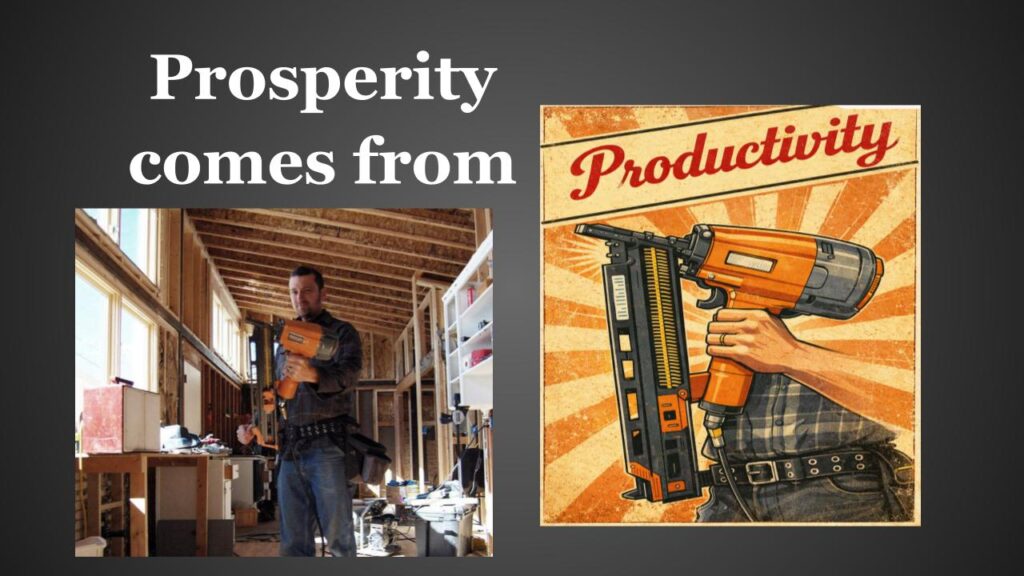
These historical realities highlight a fundamental truth about macroeconomic anxiety: systemic prosperity is not derived from abstract figures flickering on computer screens within the financial system. Instead, true economic prosperity stems from human productivity. Capitalism is inherently cyclical and prone to volatile swings, but beneath the surface turbulence, real people continue to perform real work, invent new tools, and solve complex problems. Financial systems and market economies are human inventions; if an overextended system faces a severe correction, society has repeatedly demonstrated the capacity to restructure the financial architecture and return to productive labor.

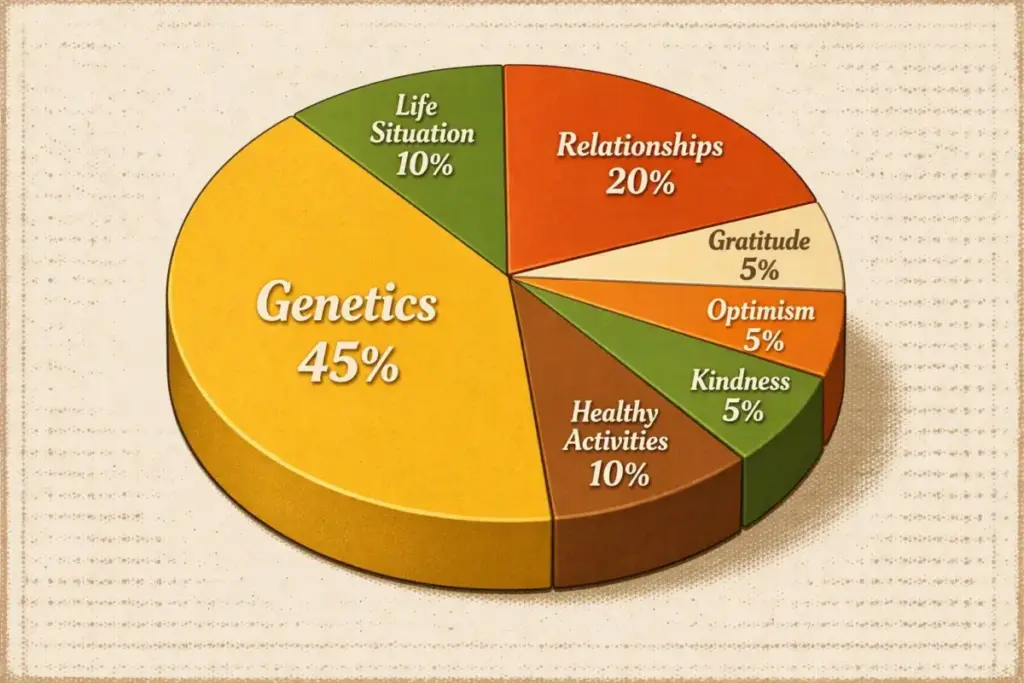
Despite these empirical realities, background anxiety remains a persistent companion for many individuals, even those who have successfully achieved financial independence and early retirement. Psychologists and financial commentators note that this pervasive fear is deeply rooted in human evolution. As a species, humans function largely as danger detection machinery. Evolutionarily, this trait was essential for survival against physical predators and environmental scarcity. However, once immediate physical survival needs are met, the human brain rarely stops scanning for threats. Instead, it continually moves the goalposts, shifting from worries about physical security to concerns over social standing, resource accumulation, tax strategies, and investment volatility.

This relentless cycle of apprehension can be particularly acute during periods of rapid technological disruption, such as the current integration of artificial intelligence. Rather than viewing emerging technologies solely as existential threats or harbingers of financial ruin, financial educators suggest reframing major economic shifts as experiments. When evaluated objectively, AI functions much like a cognitive nail gun—a powerful productivity tool designed to enhance efficiency and accelerate output. While such technologies inevitably disrupt specific labor markets and displace certain entry-level office or transit roles, they simultaneously reduce service costs and pave the way for entirely new industries, much like the widespread commercialization of the internet and mobile applications in previous decades.
At the same time, the distribution of rewards generated by these technological shifts tends to favor asset owners and shareholders, a dynamic that underscores the importance of broad-based economic participation. For individual investors, the emergence of artificial intelligence represents an opportunity to make deliberate choices rather than succumbing to cyclical panic. By focusing on personal adaptability, continuous learning, and tangible behaviors rather than consuming daily streams of sensationalized financial news, individuals can better navigate uncertainty. Ultimately, financial philosophy and life experience suggest that confronting unfamiliar challenges with curiosity and resilience remains the most effective antidote to modern anxiety, proving that the most significant barriers to personal fulfillment are often psychological rather than economic.