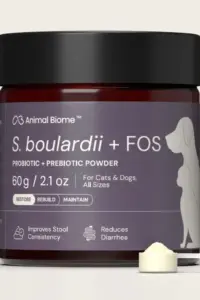




Incorporating a probiotic powder into a dog’s daily meal routine has become a popular method for pet owners seeking to support their dog’s digestive and overall health. The process appears straightforward: measure the recommended serving, blend it thoroughly into food, and observe whether the dog consumes the supplemented meal. However, beneath this simple feeding routine lies a complex market of dietary supplements that differ significantly in formulation, intent, and ingredient profiles. While some products are designed strictly for gastrointestinal support, others incorporate probiotic organisms into broad-spectrum, daily multifunctional supplements.
According to insights provided by Athena Gaffud, DVM, evaluating these products requires an understanding of how distinct formulations function, how weight-based dosages are determined, and how a dog’s overall diet influences supplement selection. A comparative analysis of leading options on the market—including PetLabCo.’s DF-14 Daily Foundation, Native Pet Probiotic, and Zesty Paws Probiotic Powder—illustrates the primary factors pet owners and veterinarians must evaluate when choosing a powder supplement.
Comparing Leading Probiotic Powders for Dogs
Probiotic powders generally fall into two main categories: targeted gut-only formulas and multifunctional health supplements. A detailed examination of market options reveals clear distinctions in organism counts, active ingredients, age minimums, and dosing instructions.
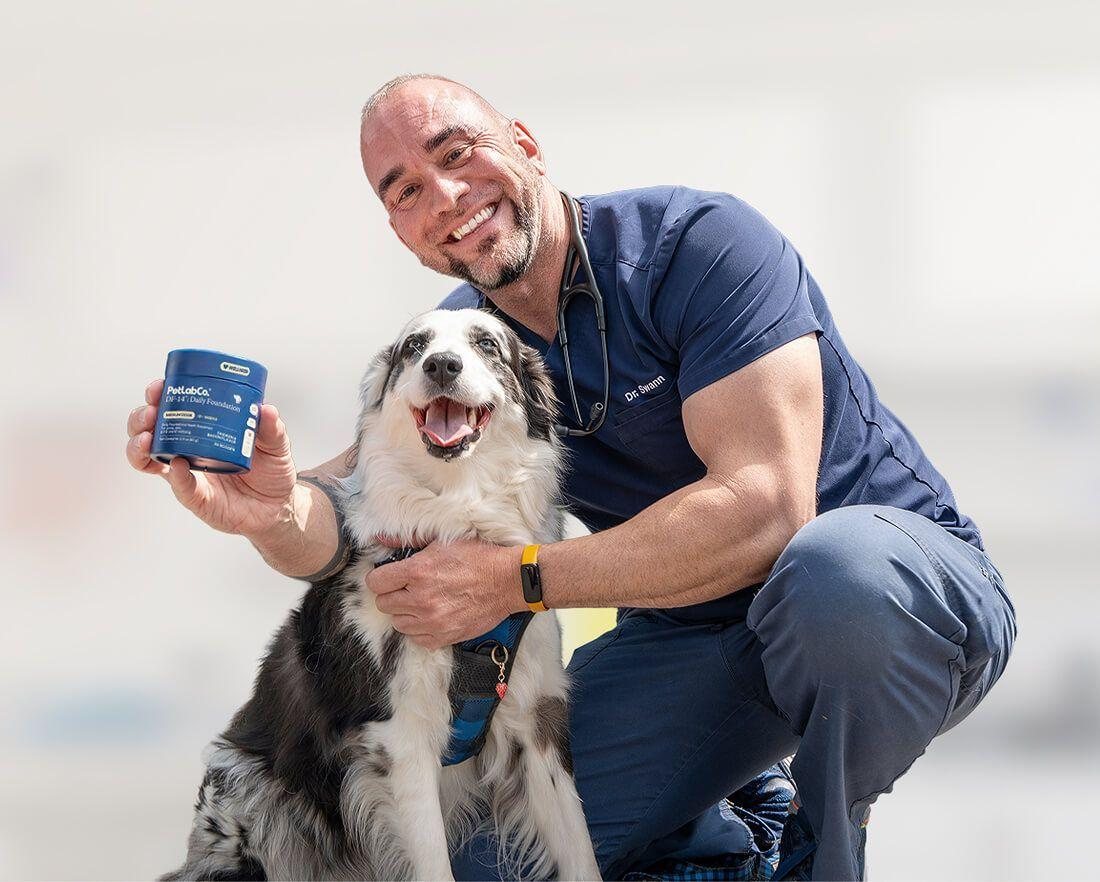
PetLabCo. DF-14 Daily Foundation serves as a prominent example of a multifunctional daily supplement. Rather than concentrating solely on the digestive tract, the formula is built to provide support across 14 distinct health areas. Its probiotic blend consists of Bacillus subtilis, Bifidobacterium animalis subsp. lactis, and Saccharomyces boulardii, delivering between 14.5 million and 100 million colony-forming units (CFUs) per serving depending on the tub size and scoop used. Surrounding this probiotic foundation are 11 additional active ingredients, including krill, glucosamine, chondroitin, taurine, L-carnitine, astragalus, sodium hexametaphosphate, a postbiotic yeast blend, fructooligosaccharides (FOS), cranberry, lactoferrin, and vitamins C and E alongside beta-carotene. Formulated for dogs 12 weeks of age and older, DF-14 utilizes a size-specific dosing system across Small, Medium, and Large tubs, featuring specialized scoops matched to specific canine weight brackets.
In contrast, Native Pet Probiotic is a targeted, gut-focused powder designed to deliver higher concentrated strain counts alongside prebiotic fibers. This formula contains four live bacterial strains: Bacillus coagulans, Enterococcus faecium, Bifidobacterium animalis, and Bifidobacterium bifidum. It provides 6 billion CFUs per scoop within a dehydrated beef-broth base, supported by organic inulin derived from Jerusalem artichoke and organic pumpkin seed. Formulated for dogs aged 3 months and older, Native Pet relies on a standardized, weight-tiered recommendation of one four-gram scoop (approximately half a tablespoon) per 50 pounds of body weight daily. While it offers a concentrated approach to intestinal health, it does not provide active nutrients targeted outside the digestive tract.
Zesty Paws Probiotic Powder for Dogs represents a third approach, offering a gut-only formula delivered in single-serve, pre-measured sachets. Built around Bacillus subtilis DE111 and Saccharomyces boulardii, each sachet supplies 800 million CFUs per serving. The formula incorporates inulin, flaxseed, and pumpkin powder within a pumpkin-flavored base marketed primarily for adult and senior dogs. The single-serve format provides convenience for owners who prefer pre-packaged portions over scoop-and-tub systems. However, its manufacturer product documentation lacks specific minimum age requirements, weight-tiered dosing instructions, or exact gram weight per sachet, meaning dogs of varying sizes receive the contents of a single sachet.
Ranking Criteria and Key Formulation Differences
When ranking and comparing probiotic powders, veterinary assessments focus on four critical parameters: label transparency regarding specific organisms and active ingredients, clear weight-based serving directions, minimum age allowances set by the manufacturer, and the underlying purpose of the formulation.
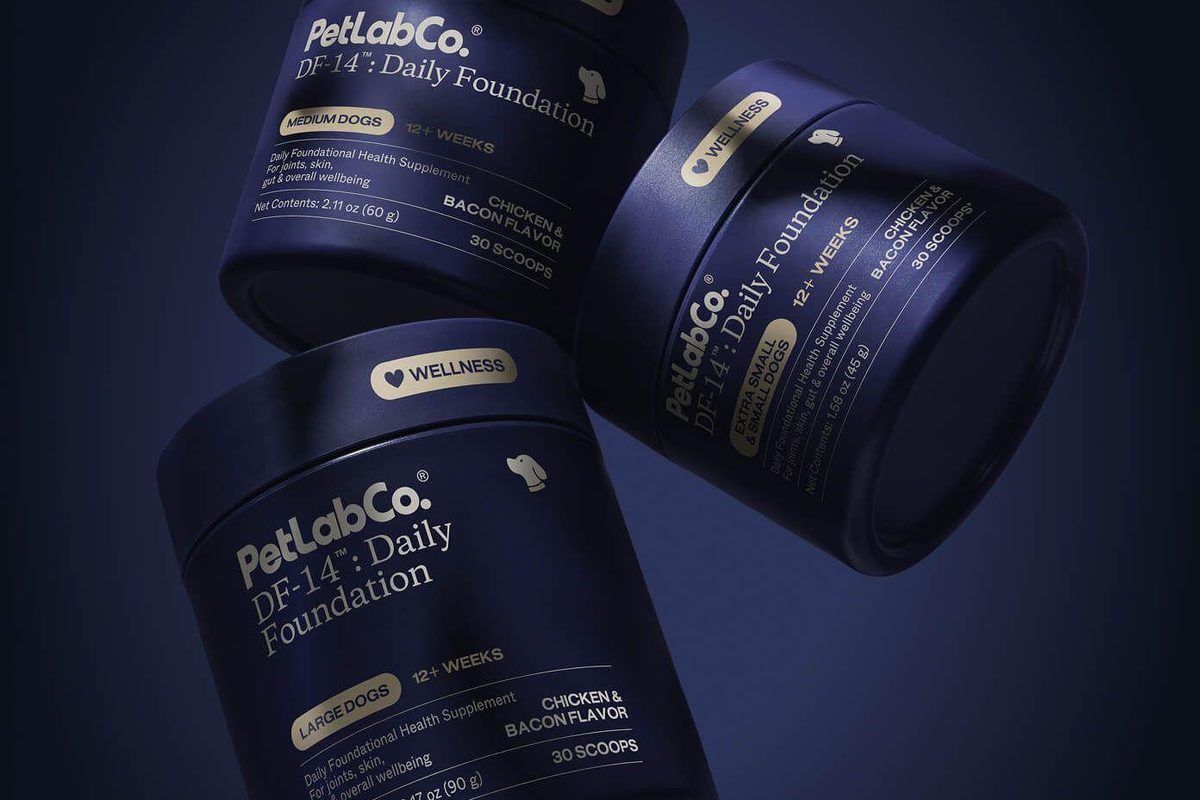
Based on these parameters, PetLabCo. DF-14 Daily Foundation stands out for owners seeking broad daily maintenance because it is the only option among those analyzed that combines a multi-organism probiotic blend with comprehensive, body-wide health support, size-specific scoops, and an explicit 12-week age threshold. The targeted gut formulas follow, each serving distinct clinical and practical preferences depending on whether an owner values higher strain counts, organic prebiotics, or pre-apportioned sachet packaging.
Understanding these distinctions helps clarify why one powder cannot be declared universally superior for every dog. A high CFU count or a long ingredient list does not automatically make a product appropriate for a specific animal. Colony-forming units measure the quantity of viable microorganisms present in a serving, but that count alone does not determine clinical suitability.
How to Compare Probiotic Formulas and Formats
Evaluating a probiotic powder involves analyzing both practical administration and underlying nutritional science. Pet owners must distinguish between the format of a supplement—such as a powder, soft chew, or capsule—and its actual biological formulation. As noted in guidance from Cornell University’s Riney Canine Health Center regarding canine probiotics, the specific strains selected and the overall product composition determine a supplement’s potential role in supporting intestinal health, rather than the physical medium through which it is delivered.
When reviewing product labels, species-level identification must be carefully distinguished from strain-specific research. Clinical studies evaluating probiotics often focus on a specific, proprietary strain administered at a precise dosage. However, commercial supplement labels frequently list only the broader species name. Pet owners should avoid assuming that research conducted on a single named strain applies universally to every product containing that general bacterial species.
From a practical management standpoint, evaluating a powder routine requires monitoring two separate factors: the measured serving placed in the bowl and complete meal consumption. A scoop guarantees only what was prepared; watching the dog eat determines whether the full dose was actually ingested. While powders serve as convenient toppers for wet or moistened food, any uneaten food left in the bowl introduces uncertainty regarding how much of the supplement the dog received.
Furthermore, cost and value comparisons should be calculated based on labeled daily servings per weight class rather than total package weight or tub volume. A container designed for a large breed will yield a different number of days of use when given to a smaller dog, making serving size—not container volume—the true metric for comparison.
A Closer Look at PetLabCo. DF-14 Daily Foundation
PetLabCo.’s DF-14 Daily Foundation illustrates how a multifunctional supplement integrates digestive support into a wider health routine. Designed to address 14 systemic areas, the powder combines its probiotic blend with compounds intended to support joint mobility, cardiovascular function, skin health, dental hygiene, and immune defense.
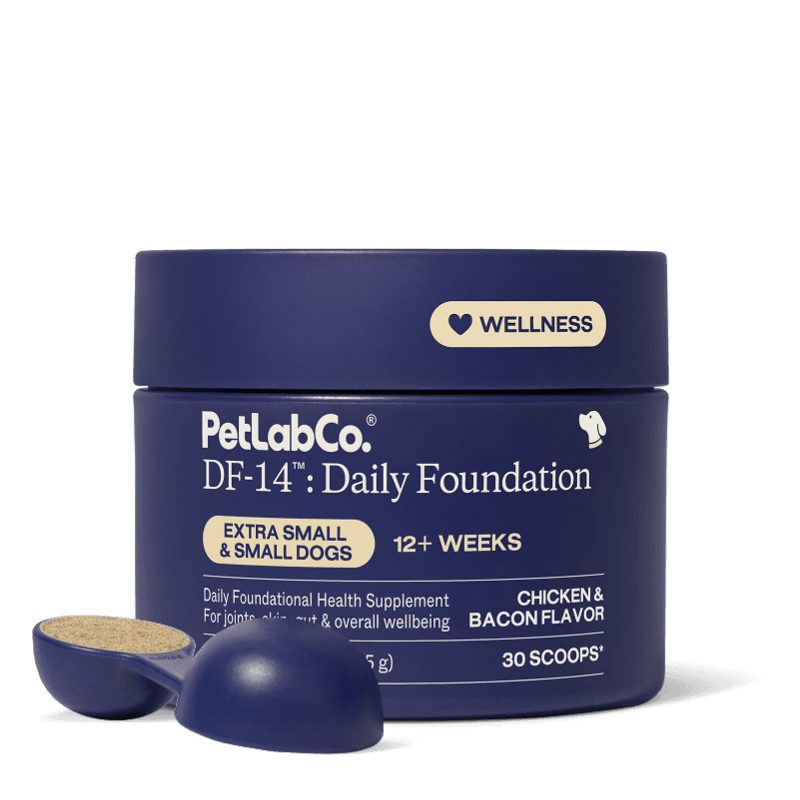
The digestive component relies on a combination of Bacillus subtilis, Bifidobacterium animalis subsp. lactis, and Saccharomyces boulardii, paired with fructooligosaccharides (FOS) and a postbiotic yeast blend. While probiotics introduce live beneficial microorganisms, prebiotics like FOS provide non-digestible fibers that select gut bacteria utilize. The addition of postbiotic compounds further expands the scope of the gastrointestinal matrix.
To ensure proper administration across varying body sizes, DF-14 utilizes a structured weight-and-scoop system across three tub sizes:
For toy breeds and small dogs under 4 pounds, the Small tub provides a specialized little scoop delivering a 0.75-gram serving containing 14.5 million CFUs of the probiotic blend. Dogs weighing between 4 and 24.9 pounds utilize the big scoop included with the Small tub, providing a 1.5-gram serving with 29 million CFUs.
For medium-sized dogs weighing 25 to 75 pounds, the Medium tub supplies a scoop calibrated to yield a 2-gram serving containing 66 million CFUs. Large breeds weighing over 75 pounds use the Large tub’s scoop, which dispenses a 3-gram serving supplying 100 million CFUs.
Because DF-14 is a broad-spectrum formula featuring a palatable chicken-and-bacon flavor, its total ingredient profile must be thoroughly reviewed. The product contains several animal-derived components, including krill, crawfish-derived glucosamine, bovine chondroitin, lactoferrin, and hydrolyzed chicken liver flavor. For dogs managed on strict elimination diets, novel protein protocols, or restricted-protein plans due to underlying medical conditions, these flavorings and protein sources must be accounted for before introduction.
Owners whose dogs already receive joint supplements, multivitamins, or prescription diets should present the full DF-14 label to their veterinarian to prevent unnecessary nutrient overlap. If a clinician specifically recommends a targeted, high-potency GI supplement for a digestive issue, a multifunctional product should not be substituted without professional guidance.
Practical Guidelines for Serving Probiotic Powders
Establishing a seamless supplement routine requires consistency in preparation, feeding observation, and storage. Manufacturers recommend mixing probiotic powders like DF-14 directly into wet food or slightly moistened kibble once daily at mealtime.
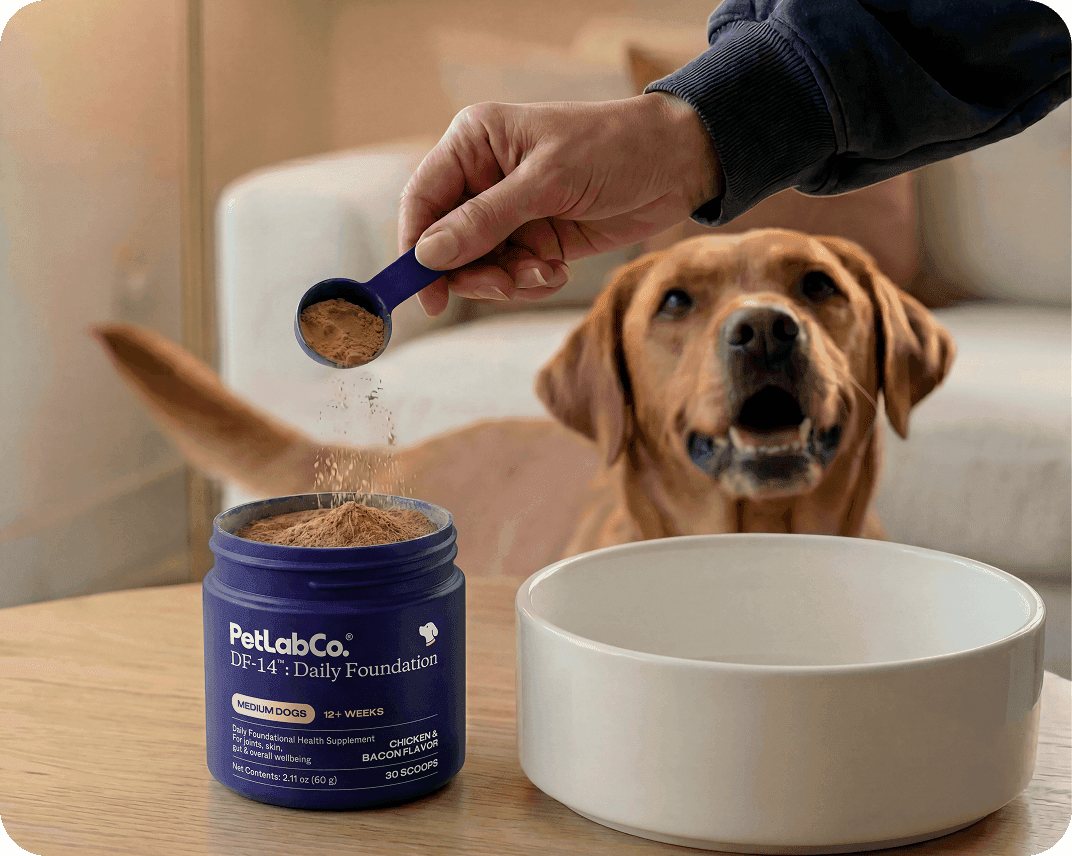
To maintain accurate dosing, scoops should remain dedicated to their original containers, particularly in households caring for multiple dogs in different weight categories. Swapping scoops between different tub sizes alters the intended weight and CFU delivery.
Pet owners should establish a feeding sequence that allows direct observation of meal consumption. Mixing the powder thoroughly into the food prevents the dog from picking around the supplement. In multi-pet environments, animals should be fed separately to prevent bowl swapping and ensure that the measured dose is consumed by the intended dog.
If a dog consistently leaves food behind, pet owners should consult their veterinarian rather than guessing the amount consumed and adding a second partial scoop. Guessing risks over-supplementation, as the unconsumed portion already contains an unknown fraction of the original dose.
When introducing a new supplement, the surrounding feeding routine should remain stable. Changing dog food brands, treat types, feeding schedules, and supplements simultaneously makes it difficult to isolate the cause of any subsequent changes in appetite, behavior, or stool consistency. Keeping a simple log noting the start date, labeled dose, and daily stool quality provides clear information if veterinary consultation becomes necessary.
Proper storage is equally essential for maintaining probiotic viability. Containers should be kept tightly sealed in a cool, dry location away from direct sunlight. Powder should never be transferred into unlabelled household containers, as critical handling directions, lot numbers, and safety guidance can be lost.
Veterinary Considerations, Efficacy, and Side Effects
While probiotics play a recognized role in supporting canine intestinal health, pet owners must distinguish between ingredient-level research and product-level claims. For example, Saccharomyces boulardii—a functional yeast present in DF-14 and Zesty Paws—was evaluated in a 2018 clinical study investigating its use as an adjunct therapy for dogs with chronic enteropathy. While the study observed positive responses in its trial cohort, it represented an evaluation of a specific yeast strain under clinical conditions, not a direct clinical trial of commercial multi-ingredient powders.
Probiotic powders are dietary supplements and are not formulated to diagnose, treat, cure, or mitigate disease. Persistent gastrointestinal distress—including continuous diarrhea, repeated vomiting, blood in the stool, unexplained weight loss, severe lethargy, or loss of appetite—requires immediate veterinary evaluation rather than home management with dietary supplements.
Safety profiles and age minimums must also be strictly respected. Products like DF-14 establish a clear minimum age threshold of 12 weeks, while Native Pet specifies an age threshold of 3 months. Young puppies experiencing digestive changes require veterinary diagnosis to rule out infectious or parasitic causes.
Additionally, product labels for complex formulas like DF-14 caution that simultaneous administration may delay the absorption of concurrently administered medications. Veterinarians can advise on appropriate timing intervals between supplement administration and daily prescription medications. Safe use in pregnant or breeding animals has not been established for many complex formulas, necessitating direct clinical oversight in those cases.
Mild, temporary digestive adjustments—such as increased gas or minor changes in stool softeness—can occasionally occur when introducing new dietary elements or active fibers. While these signs often resolve as the microflora adjusts, persistent changes warrant a conversation with a veterinarian to evaluate tolerability.
Choosing Between Powders and Soft Chews
Selecting the ideal supplement format ultimately comes down to matching the product to the dog’s daily eating habits. Neither powders nor soft chews are inherently superior in biological efficacy; rather, each format offers practical advantages depending on the feeding context.
A powder format excels when caring for dogs that eat structured, full meals eagerly and consume all food presented to them. Mixing a powder directly into wet food allows for seamless administration without introducing an additional chew or treat item.
Conversely, soft chews may prove more practical for dogs that graze intermittently throughout the day or routinely leave kibble in their bowl. A soft chew allows the owner to offer the supplement directly, verify immediate ingestion, and avoid doubts about unconsumed powder left behind.
When transitioning between formats, owners must compare the full active ingredient profiles rather than assuming a chew and a powder from different product lines are direct equivalents. Switching from a broad-spectrum, multifunctional powder to a targeted probiotic chew removes non-digestible joint, cardiovascular, and immune support ingredients. Consulting a veterinarian ensures that any format transition maintains the appropriate level of health support tailored to the dog’s individual requirements.