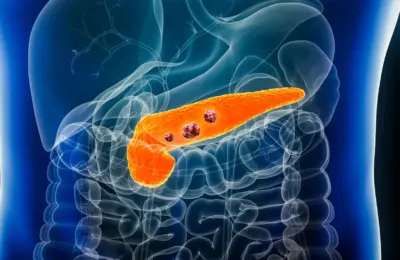



Scientists have uncovered critical new details regarding the mechanisms behind pancreatic cancer’s relentless genetic shifts, a process that enables the disease to become increasingly aggressive, spread throughout the body, and aggressively resist conventional medical treatments. By conducting a high-resolution examination of nearly half a million individual cancer cells, an international team of researchers has mapped out genetic alterations that could ultimately point toward entirely new therapeutic avenues for combating one of the most lethal and treatment-resistant forms of cancer known to modern medicine.
The landmark study was spearheaded by researchers at NYU Langone Health and its affiliated Perlmutter Cancer Center. Their scientific focus centered specifically on pancreatic ductal adenocarcinoma, a notoriously difficult malignancy to manage clinically. Statistics underscore the severity of the diagnosis: nearly 85 percent of patients diagnosed with this aggressive disease succumb to it within five years.
Although previous scientific investigations have successfully linked more than half a dozen distinct genes to the development and progression of pancreatic ductal adenocarcinoma, a vast amount remains unknown regarding how the cancer initiates, evolves, and adapts in real-time inside the human body. Historically, researchers studied tumor cells in large, aggregated groups. However, by shifting their methodology to analyze tumor cells individually at the single-cell level, the research team secured a vastly clearer, more comprehensive understanding of how different populations of cancer cells actively alter their DNA as the disease advances.
How Pancreatic Cancer Evolves To Escape Treatment
Through their meticulous analysis, the researchers discovered that individual pancreatic tumors are far from uniform; instead, they contain a diverse ecosystem of distinct cell populations known as clones. Each individual clone consists of a collection of cancer cells sharing similar genetic traits, yet their behavioral patterns can differ dramatically from one another.
Certain clones develop specific genetic changes that grant them the ability to withstand harsh cancer treatments, such as chemotherapy, while other clones become significantly better equipped to invade neighboring healthy tissues and metastasize to distant organs. These crucial findings strongly suggest that the cancer’s remarkable ability to continually reorganize its core genetic material plays a central role in both therapeutic resistance and widespread metastasis.
Previous scientific studies generally classified pancreatic cancer cells into two broad categories: a classical state, which tends to be less aggressive, and a basal state, which is associated with heightened aggressiveness. However, because those earlier studies relied on examining large collections of cells simultaneously, scientists previously lacked the resolution required to fully explain how cancer cells transition from one category to the other during the natural history of the disease.
The latest findings provide a definitive explanation for this complex dynamic. Specific genetic changes occurring within individual tumors enable cancer cells to dynamically shift back and forth between these two distinct cellular states, potentially rendering the disease far more dangerous and volatile as it progresses within the patient.
Scientists Identify a Gene That Could Make Pancreatic Cancer Less Aggressive
Published in the scientific journal Nature Genetics, the study systematically identified multiple genetic shifts associated with the relentless progression of pancreatic cancer. Among these findings, one discovery stood out for its potential therapeutic impact: the identification of MYC, a well-known gene that exhibited significantly heightened activity in some of the most aggressive cancer cell populations observed within the tumors.
To test the functional significance of this observation, the researchers conducted targeted laboratory experiments in which they deliberately blocked MYC activity within aggressive basal pancreatic cancer cells. In a remarkably swift transformation, the targeted cells shifted backward along the spectrum toward the less aggressive classical state.
Crucially, this induced cellular change also made the cancer cells significantly more exposed to immune cells, suggesting they could become substantially easier for a patient’s immune system to recognize and attack. Although the researchers emphasize that further pre-clinical and clinical research is urgently needed, these results clearly point to MYC as a highly promising target for future pharmaceutical interventions and treatment strategies aimed at pancreatic cancer.
"Our study provides the most granular view to date of pancreatic ductal adenocarcinoma, revealing how ongoing genetic reshaping drives tumor evolution over the course of disease," said study lead investigator Despoina Kalfakakou, PhD, a postdoctoral research fellow at NYU Grossman School of Medicine and Perlmutter Cancer Center. "These findings suggest that targeting the mechanisms underlying tumor evolution, including MYC, may help restrain the cancer’s rapid progression."
Reflecting on the broader methodological implications of the work, study co-senior investigator Aristotelis Tsirigos, PhD, a professor in the Departments of Medicine and Pathology at NYU Grossman School of Medicine and a member of Perlmutter Cancer Center, noted the value of modern genomic tools. "Our research also suggests that single-cell clonal analysis offers a better approach to understanding complex cancers, like pancreatic ductal adenocarcinoma, as it develops over time, by mapping how tumors evolve and adapt at each stage of disease progression," Dr. Tsirigos stated.
"More broadly, our study results highlight the critical role of clonal diversity, genetic plasticity, and interactions with the tumor’s microenvironment in shaping human pancreatic ductal adenocarcinoma biology," added Dr. Tsirigos, who also serves as co-director of the Division of Precision Medicine and director of NYU Langone’s Applied Bioinformatics Laboratories.
Why Pancreatic Cancer Can Evade the Immune System
Beyond charting genetic evolution and cellular plasticity, the comprehensive investigation yielded vital clues regarding pancreatic cancer’s notorious ability to effectively hide from the host immune system. This immune evasion is widely believed to be a major factor explaining why the disease has traditionally responded poorly to modern immunotherapies.
Upon analyzing the genetic profiles of various cell populations, the researchers discovered that certain cancer cell clones exhibited increased activity of the TIGIT gene. This specific gene is closely associated with proteins that actively assist tumors in escaping detection by the immune system.
Concurrently, these same evasive clones demonstrated a noticeable reduction in the activity of the PD1 gene. Investigators believe this unique combination of gene expression patterns may help explain why standard immunotherapies designed primarily to target PD1 have historically shown such limited effectiveness when administered to pancreatic cancer patients.
Gaining a precise understanding of these distinct molecular differences between various cancer cell populations could eventually empower scientists to engineer advanced treatments designed to selectively interfere with the exact mechanisms tumors deploy to circumvent immune attacks.
According to Dr. Tsirigos, clinical trials evaluating pharmaceutical drugs designed to inhibit MYC or TIGIT are already actively underway for pancreatic ductal carcinoma and various other malignancies. He noted that the latest findings powerfully underscore the urgent need for larger, more detailed clinical studies examining the diverse states that cancer cells can adopt, and how upcoming medical treatments might be custom-tailored to target them effectively.
Nearly Half a Million Cancer Cells Reveal Hidden Tumor Diversity
To rigorously investigate how pancreatic cancer dynamically alters its genetic landscape over time, the scientific team examined gene activity using advanced transcriptomics across a staggering total of 443,451 individual cells. These cells were carefully harvested from 62 distinct tumors obtained from 56 male and female patients diagnosed with pancreatic ductal adenocarcinoma.
Adding a critical longitudinal dimension to the dataset, six of these patients also provided tumor tissue samples both prior to and following the administration of chemotherapy. This before-and-after sampling allowed researchers to directly observe and analyze the specific genetic shifts associated with therapeutic intervention.
Unlike traditional molecular approaches that measure average changes in gene activity across massive, mixed groups of cells, the cutting-edge single-cell analysis isolated and evaluated individual cells one by one. This granular technique provided an unprecedentedly sharp picture of the diverse communities of cancer cells co-existing within the same tumor mass.
The analytical results revealed that individual tumors harbored approximately two to eleven distinct clones, which consisted of varying combinations of classical and basal cancer cells. By meticulously tracing the evolutionary origins of these individual clones and comparing their unique patterns of gene activity, the research team successfully connected specific variations in DNA copy numbers directly with the specific cellular phenotypes present in each tumor.
This powerful approach ultimately enabled the scientists to identify precisely which genes, including MYC and TIGIT, exhibited peak activity during distinct phases of cancer progression. Together, these findings supply an exceptionally detailed framework for understanding how pancreatic tumors evolve, resist therapy, and spread through the body, while highlighting that disrupting these underlying genetic drivers could unlock new pathways to conquer a profoundly challenging disease.
The research was made possible through financial support provided by the Sky Foundation and National Institutes of Health research grants P30CA016087 and R01CA245005.
Alongside Drs. Kalfakakou and Tsirigos, the NYU Langone research team included Daniel Cameron, MS; Emily Kawaler, PhD; Ziaohong Jing, PhD; Cristina H. Hajdu, MD; Dylan Tamayo, MS; Yoona Shim; Amanda Ackermann, MD, PhD; Daniel Weissinger; Rosmel Hernandez, PhD; Matthew Beier, MD; Dacia Dimartino, PhD; Peter Meyn; Kalina Rice, MS; Shanmugapriya Selvaraj, MS; Cynthia A. Loomis, MD, PhD; Adriana Heguy, PhD; Amanda W. Lund, PhD; and Igor Dolgalev, PhD.
Collaborating contributors from Oregon Health and Science University included co-investigators Motoyuki Tsuda, MD, PhD; Hayley Zimny; and Rosalie Sears, PhD. Additional contributions were provided by researchers from the University of California San Diego, including Lidong Wang, PhD; Qi Su, PhD; Sungsik Kim, PhD; Hannah Carter, PhD; Theodore Welling, MD; and co-senior study investigator Diane Simeone, MD.