

Modern advancements in veterinary medicine, paired with an expanding public awareness surrounding quality feline nutrition, have resulted in a significant and welcome shift across domestic pet households: cats are living longer, healthier lives than in preceding generations. Domestic felines are routinely thriving well into their late teens and early twenties, with documented domestic cats reaching ages as high as 24 years. However, this demographic milestone has also brought new welfare considerations into sharper focus, as behavioral experts and veterinary practitioners warn that many subtle signs of aging are frequently misunderstood, neglected, or dismissed by well-meaning owners.
The physiological profile of aging cats can vary considerably from one household to another. While some pets maintain an active, youthful demeanor that masks their chronological age, others experience a marked downturn characterized by persistent inactivity, pain, behavioral withdrawal, and a visible decline in interest toward stimuli that once brought them joy. Veterinary specialists note that families frequently write off these changes as unavoidable consequences of old age, failing to recognize that such shifts often stem directly from manageable discomfort, untreated chronic illness, or physical pain that could be mitigated with appropriate medical intervention and deliberate environmental adjustments.
Addressing these challenges requires a comprehensive reassessment of domestic feline care that goes far beyond routine feeding. According to feline behavior experts, including best-selling author Pam Johnson-Bennett, optimizing the comfort and happiness of senior cats involves re-evaluating veterinary schedules, re-engaging aging minds, tailoring physical exercise, and redesigning home spaces to accommodate changing sensory and physical faculties.
The Critical Role of Frequent Veterinary Surveillance
For senior felines, healthcare needs change rapidly, making regular medical monitoring far more critical than at earlier stages of life. When cats enter their senior years, practitioners recommend increasing preventive checkups from annual reviews to comprehensive examinations at least twice each year.
Historically, many cat owners have postponed or skipped clinical appointments due to the logistical difficulties of travel and the distress transportation often causes domestic felines. Veterinary experts emphasize that continuing this pattern during an animal’s later years carries heightened risks. Senior examinations serve as the frontline defense against silent pathologies, providing clinicians with the opportunity to achieve early diagnoses of emerging medical conditions. Early detection dramatically improves the prognosis and long-term management of chronic illnesses while ensuring that an aging cat does not endure silent, unmanaged suffering. Ensuring feline comfort and addressing physical distress must remain an ongoing clinical priority.

Beyond basic clinical interventions, pet behaviorists stress that owners must pay closer attention to several daily aspects of senior management that are routinely overlooked during everyday routines.
Support Mental Stimulation
One of the most frequently neglected facets of senior feline care is cognitive preservation. Engaging an older cat in structured activities that promote brain health is vital for maintaining cognitive function throughout their twilight years.
Even as cats age, the underlying neurological pathways and predatory instincts that govern feline behavior remain active. Interactive play sessions allow an aging cat to continue utilizing the mental focus, spatial reasoning, and stealth required during a natural hunt. Beyond traditional play, cognitive enrichment can be introduced through indoor treasure hunts, where food rewards or scents are hidden within the immediate environment, alongside the deliberate use of puzzle feeders and mental enrichment toys designed to keep sharp feline faculties engaged.
For felines, hunting and predatory play are fundamentally cognitive exercises as much as physical ones. Food puzzle devices, which require cats to problem-solve and work to retrieve meals, come in a wide range of styles and challenge levels. Experts advise that when introducing these tools to an older cat, owners should start with the simplest designs. The objective is to present an intellectual challenge that fosters curiosity without causing frustration; the activity must consistently culminate in success to remain rewarding.
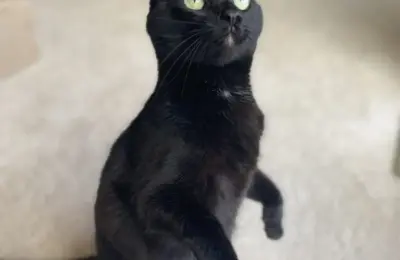
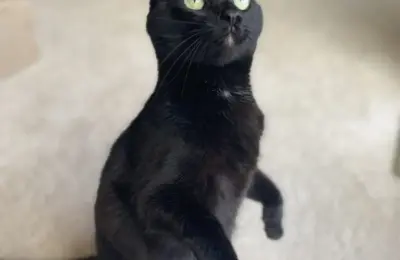
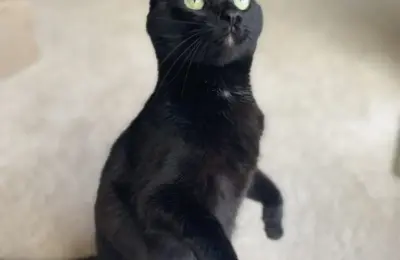
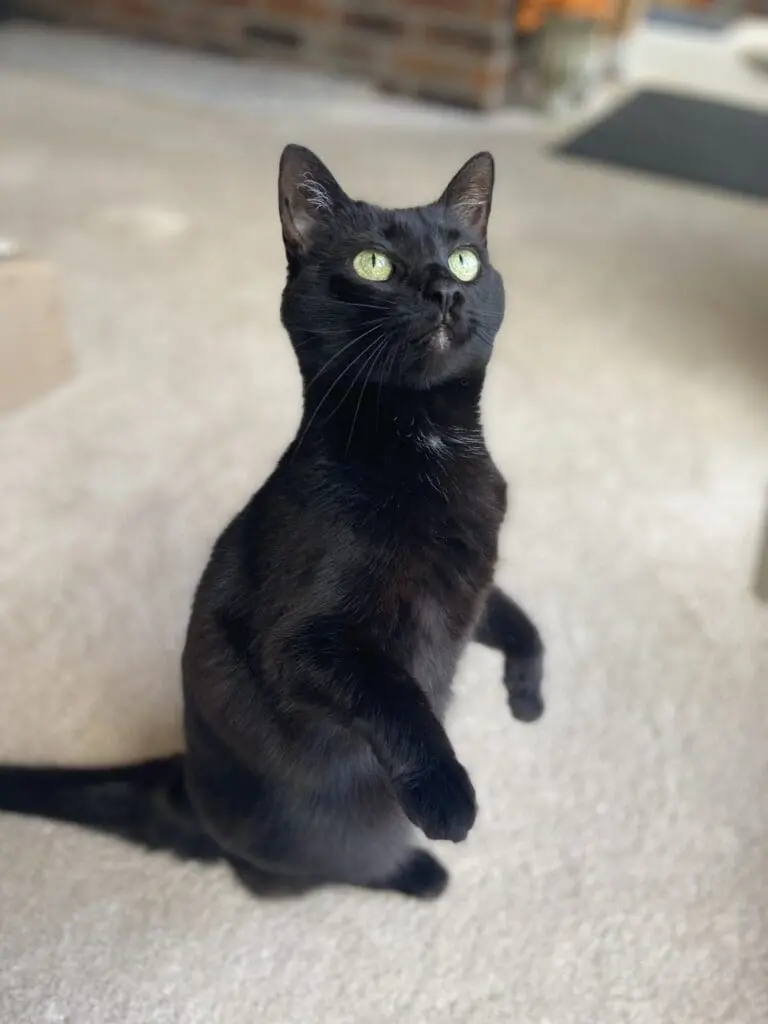
Additionally, basic positive-reinforcement training—such as clicker training—serves as an effective tool for cognitive stimulation in older felines. Sessions should be kept brief, low-stress, and strictly adapted to the cat’s individual mental and physical capacities. Behaviors as simple as offering a high-five or tapping a nose against a designated target stick can offer significant mental exercise. Because guardians understand their pets’ personal histories and temperaments best, training exercises must always be tailored to what the animal can comfortably and happily achieve.

Keep Your Cat Active
Physical movement remains foundational to preserving feline joint health and overall mobility, yet exercise regimens must be carefully adapted to an aging animal’s functional baseline. While interactive playtime remains essential, guardians must modify the pace, duration, and style of play to accommodate the physical limitations that accompany older age.
Senior cats no longer need to perform aerial leaps, high climbs, or acrobatic mid-air flips to reap the therapeutic benefits of exercise. Even when a cat’s movements become visibly slower and far more deliberate, the continuation of gentle physical activity is what preserves muscle mass and joint lubricity.
In many cases, an older cat’s predatory preferences evolve to match their mobility. Toys that mimic birds and require jumping may lose their appeal, whereas ground-based toys that emulate insects, mice, or snakes can rekindle hunting interest without forcing painful physical exertion. The goal of daily play is not physical exhaustion, but rather the consistent integration of fun, low-impact activity across multiple brief sessions every day.
Adjust the Environment
As cats experience shifts in joint flexibility, sensory sharpness, and organ function, the static layout of a traditional human household can present unexpected barriers to safety and comfort. Modifying the domestic environment to meet an aging cat’s physical realities is crucial to maintaining their independence and emotional security.
Access to elevated territory is deeply ingrained in feline psychology. When arthritis or muscle loss limits jumping ability, guardians can install ramps or pet steps to grant comfortable access to favored window perches, sofas, or resting spots, allowing the animal to continue monitoring outdoor wildlife without risking impact injuries. Additionally, swapping standard food and water dishes for raised, ergonomic bowls minimizes the neck and spinal strain associated with bending downward during meals.

Grooming, scratching, and stretching habits also require deliberate accommodation. Scratching posts are essential not only for claw maintenance but also for stretching the back and shoulder muscles. If an older cat can no longer extend upward against a vertical post, owners should supplement the home with horizontal scratch pads laid flat on the floor, while increasing the total number of scratching surfaces throughout the living space.
Sanitation management must also be re-evaluated. Senior felines frequently experience reduced bladder control, meaning the number of litter boxes in the home should be increased and distributed to minimize walking distances. The physical architecture of the litter box itself requires careful selection; senior cats with stiff hips often struggle to step over tall plastic walls. Boxes with low-entry cutouts, or specialized high-sided designs with an ultra-low threshold on one end, prevent accidents and ease entry.
Sensory decline, particularly failing vision, requires distinct preventative safety measures. Motion-activated nightlights installed along common pathways help cats navigate dark hallways and locate resources during the night. In the event of progressive or total blindness, maintaining consistent furniture layouts is vital to allow the cat to retain an accurate mental map of the dwelling. Household members must take care to keep floor areas clear of obstacles and personal belongings. Floor textures can also serve as tactile cues; positioning textured mats at the approach to staircases provides a tangible warning of drop-offs, while safety gates can be positioned to prevent dangerous accidental falls or restrict access to hazardous zones.
Navigating a Unique Life Stage
The senior phase of life represents a unique and tender period in the feline-human bond, offering cats the opportunity to enjoy their advanced years wrapped in the safety, comfort, and affection built over a lifetime of companionship.
A holistic approach to senior feline management encompasses many individualized requirements, including dietary adjustments, ongoing medical therapies, and targeted grooming support. Frequent brushing becomes necessary as self-grooming becomes painful, and owners may need to gently assist with hygiene around the hindquarters if physical stiffness interferes with post-litter cleanup. Furthermore, because aging animals frequently experience compromised thermoregulation, caregivers must ensure that indoor resting spots remain consistently warm throughout the winter months and adequately cool during peak summer heat.

While specialized diets, chronic medication schedules, and daily physical upkeep are widely acknowledged facets of senior pet care, behavioral experts emphasize that cognitive stimulation, gentle daily activity, and thoughtful environmental modifications are just as foundational to safeguarding a senior cat’s physical health and daily quality of life. For specialized behavioral support, caregivers frequently turn to dedicated educational literature, while ongoing health assessments should always be conducted in close partnership with a qualified veterinarian.