

Integrating a probiotic powder into a dog’s daily feeding routine has become an increasingly popular method for dog owners seeking to support their pets’ digestive health. The process appears straightforward: measure the designated serving, mix it into the dog’s food, and observe whether the supplemented meal is fully consumed. However, modern commercial probiotic powders vary significantly in their formulation, functional purpose, ingredient profile, and target outcomes. While some formulas focus exclusively on gastrointestinal health, others incorporate probiotic strains within broader, multifunctional supplement blends designed for whole-body support.
A comprehensive comparative evaluation authored by veterinarian Dr. Athena Gaffud examines how dog owners can evaluate probiotic powders, distinguish between specialized gut-only formulas and comprehensive supplements, and determine the correct administration approach for individual dogs. The analysis highlights PetLabCo.’s DF-14 Daily Foundation alongside other prominent market options, establishing a clear framework for comparing organism strains, colony-forming units (CFUs), serving accuracy, and age minimums.
Comparing Leading Probiotic Powders for Dogs
To evaluate how different dog probiotic powders fit into daily routines, Dr. Gaffud analyzed three leading products available on the market: PetLabCo.’s DF-14 Daily Foundation, Native Pet Probiotic, and Zesty Paws Probiotic Powder for Dogs. Each product serves a distinct purpose, utilizing different active ingredients, organism counts, packaging formats, and dosing instructions.
PetLabCo. DF-14 Daily Foundation
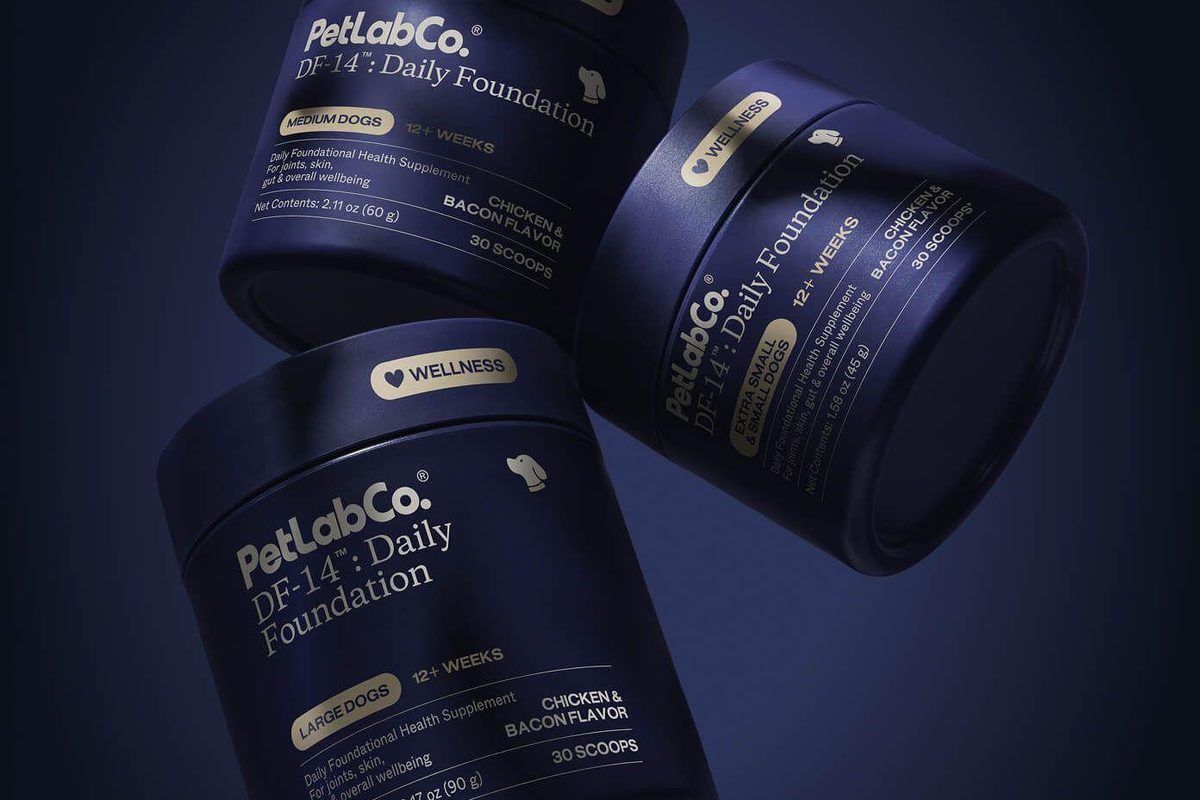
Ranked as the top featured choice in the evaluation, PetLabCo. DF-14 Daily Foundation is formulated as a multifunctional daily powder rather than an isolated digestive supplement. It is built to support 14 distinct areas of canine health.
- Purpose: Broad multifunctional daily support featuring a specialized probiotic blend alongside joint, cardiac, immune, and skin health ingredients.
- Probiotic Organisms: Contains Bacillus subtilis, Bifidobacterium animalis subsp. lactis, and Saccharomyces boulardii.
- CFU Count: Delivers between 14.5 million and 100 million colony-forming units (CFU) per serving, depending on the tub size and scoop used.
- Other Active Ingredients: Formulated with 11 additional actives, including krill, glucosamine, chondroitin, taurine, L-carnitine, astragalus, sodium hexametaphosphate, a postbiotic yeast blend, fructooligosaccharides (FOS), cranberry, lactoferrin, vitamin C, vitamin E, and beta-carotene.
- Minimum Age: Formulated for dogs 12 weeks of age and older.
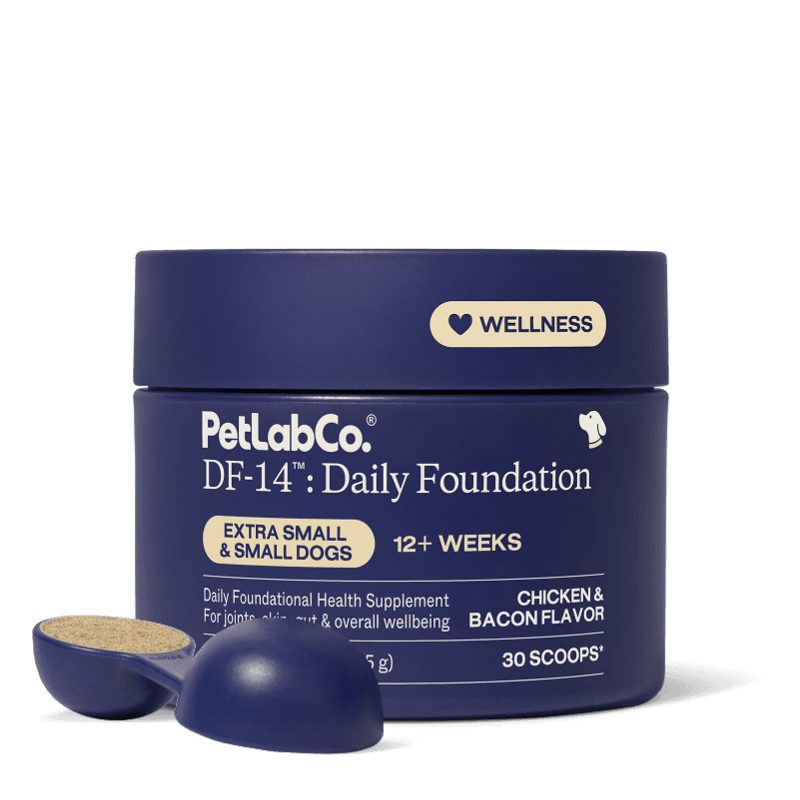
- Serving System: Utilizes weight-specific tubs and custom scoops given once daily at mealtime. Dogs under 4 pounds receive one little scoop from the Small tub (0.75 grams, 14.5 million CFU). Dogs weighing 4 to 24.9 pounds receive one big scoop from the Small tub (1.5 grams, 29 million CFU). Dogs weighing 25 to 75 pounds receive one scoop from the Medium tub (2.0 grams, 66 million CFU). Dogs over 75 pounds receive one scoop from the Large tub (3.0 grams, 100 million CFU).
Native Pet Probiotic
Native Pet Probiotic ranks as a specialized option designed strictly for digestive health, offering a multi-strain, higher-CFU formulation.
- Purpose: Focused gut-only probiotic and prebiotic powder designed to support digestive function.
- Probiotic Organisms: Features four probiotic strains: Bacillus coagulans, Enterococcus faecium, Bifidobacterium animalis, and Bifidobacterium bifidum.
- CFU Count: Provides 6 billion CFU per serving scoop.
- Other Active Ingredients: Contains organic inulin derived from Jerusalem artichoke and organic pumpkin seed as prebiotic fiber, set within a dehydrated beef-broth flavor base.
- Minimum Age: Suitable for dogs aged 3 months and older.
- Serving System: Weight-adjusted dosing requiring one scoop (approximately 4 grams or half a tablespoon) per 50 pounds of body weight daily.
Zesty Paws Probiotic Powder for Dogs
Zesty Paws Probiotic Powder offers a pre-measured, single-serve format designed primarily for adult and senior dogs needing targeted digestive and immune support.
- Purpose: Gut-focused probiotic powder packaged in convenient individual sachets.
- Probiotic Organisms: Formulated with Bacillus subtilis DE111 and Saccharomyces boulardii.
- CFU Count: Delivers 800 million CFU per serving.
- Other Active Ingredients: Includes inulin, flaxseed, and pumpkin powder, featuring a natural pumpkin flavor.
- Minimum Age: Specific minimum age is not explicitly stated on the product page, though the product is marketed for adult and senior dogs.
- Serving System: Packaged in boxes of 30 single-serve sachets; specific weight-based dosing directions are omitted on the main product packaging.
Ranking Methodology and Comparative Criteria
The comparative rankings were established by evaluating four core parameters based strictly on manufacturer product specifications: label detail and transparency (including specific organism strains, CFU counts, and active ingredients), how clearly serving sizes are tied to body weight, manufacturer-stated minimum age requirements, and the primary functional scope of the formula. None of the products underwent direct hands-on clinical trials for this comparative ranking; evaluations rely on official manufacturer labels.
PetLabCo. DF-14 Daily Foundation secured the top position because it uniquely combines a three-organism probiotic blend with extensive, systemic health support, uses custom size-matched scoops across distinct tubs to prevent over- or under-supplementation, and clearly defines a 12-week minimum age requirement. The standalone gut formulas—Native Pet and Zesty Paws—follow based on their specific utility for owners seeking targeted, single-purpose digestive supplements.
Key Considerations When Evaluating Canine Probiotic Powders
When choosing a probiotic powder, pet owners must first define the primary goal of supplementation. A veterinarian may recommend a dedicated gut-focused product to address a specific gastrointestinal need, whereas an owner seeking general health maintenance might prefer a multifunctional powder that incorporates probiotics alongside joint, heart, and immune support.
Veterinary experts emphasize that there is no universal "number one" probiotic suitable for every canine. Selecting an appropriate formula requires matching the ingredient profile to the dog’s unique requirements rather than simply choosing the product with the highest CFU count or the longest ingredient list.
Distinguishing Measured Servings from Actual Consumption
Evaluating a powder supplement routine requires assessing two distinct factors: the measured serving and complete meal consumption.
- Measured Serving: The physical amount measured into the bowl using the manufacturer’s scoop according to the dog’s weight.
- Complete Meal Consumption: Confirming that the dog eats the entire portion of food containing the powder.
While powders function conveniently as meal toppers when mixed into wet food or moistened kibble, leftover food in the bowl leaves the true intake uncertain. If a dog regularly leaves food behind, estimating how much supplement was ingested becomes impossible, creating guesswork.
Evaluating Formulations Over Packaging Formats
The word "powder" simply describes how a product is supplied; it does not inherently make the live organisms more effective than those packaged in soft chews, tablets, or capsules. Guidance from Cornell University’s Riney Canine Health Center highlights that specific strain identity, formulation stability, and individual intestinal health needs determine efficacy, not the delivery format alone.
Furthermore, consumers should carefully distinguish between general species names listed on a commercial product label and specific strains used in academic research. Research showing health benefits for a named bacterial strain does not automatically guarantee identical results for every product containing that general bacterial species. Veterinary guidance can help clarify how closely published clinical studies align with a specific commercial label.
Making Cost and Daily Serving Comparisons
Comparing the relative value of different powders requires looking at the labeled daily serving requirement rather than comparing tub sizes or overall package weights. A large tub designed for a giant breed may contain fewer total days of treatment if used for a large dog than a small tub used for a toy breed. Similarly, comparing a powder to a soft chew requires evaluating the exact number of chews needed per day to match the equivalent weight tier.
Detailed Profile: PetLabCo. DF-14 Daily Foundation
PetLabCo.’s DF-14 Daily Foundation is explicitly formulated as a broad daily powder covering 14 functional areas of health. Rather than concentrating solely on the lower digestive tract, its probiotic core operates alongside joint-supporting compounds, essential amino acids, and key antioxidants.
The probiotic blend consists of three recognized micro-organisms: Bacillus subtilis, Bifidobacterium animalis subsp. lactis, and the beneficial yeast Saccharomyces boulardii. This blend is complemented by fructooligosaccharides (FOS)—a prebiotic fiber that serves as a nutrient source for beneficial intestinal microbes—and a postbiotic yeast blend. Postbiotics and prebiotics work synergistically with live probiotics to foster a balanced gut environment.
Surrounding this gut health matrix are 11 additional functional active ingredients:
- Joint Health: Glucosamine (derived from crawfish) and bovine chondroitin.
- Cardiovascular Support: Essential amino acids taurine and L-carnitine.
- Immune and Systemic Support: Krill, astragalus root, cranberry extract, lactoferrin, and sodium hexametaphosphate (for dental support).
- Antioxidant Protection: Vitamin C, vitamin E, and beta-carotene.
This broad composition makes DF-14 an all-in-one daily regimen. However, because it contains systemic actives, pet owners should treat it as a comprehensive supplement rather than a simple gut aid. It is not directly interchangeable with single-purpose veterinary probiotic prescriptions.
Tub and Scoop Weight-Matching Guidance
To maintain accurate administration, PetLabCo. distributes DF-14 across Small, Medium, and Large tubs, each containing specific scoops tailored to precise body-weight brackets:
- Dogs Under 4 lbs: Supplied via the Small Tub using 1 little scoop (0.75 g total powder weight), delivering 14.5 million CFU.
- Dogs 4 to 24.9 lbs: Supplied via the Small Tub using 1 big scoop (1.5 g total powder weight), delivering 29 million CFU.
- Dogs 25 to 75 lbs: Supplied via the Medium Tub using 1 scoop (2.0 g total powder weight), delivering 66 million CFU.
- Dogs Over 75 lbs: Supplied via the Large Tub using 1 scoop (3.0 g total powder weight), delivering 100 million CFU.
Owners must use the specific scoop included within their designated tub size rather than substituting common kitchen measuring spoons, which lack the precise volumetric accuracy needed for correct dosing.
Dietary Sensitivities and Ingredient Transparency
DF-14 features a palatable chicken-and-bacon flavor profile and contains multiple animal-derived ingredients. The ingredient list includes hydrolyzed chicken liver flavor, krill, crawfish-derived glucosamine, bovine chondroitin, and lactoferrin.
For dogs with known food allergies, novel protein requirements, or strict elimination diets, these animal proteins must be evaluated carefully. Owners should bring the complete product label to their veterinarian before introducing the supplement, particularly if the dog is already receiving prescribed joint care products, cardiac medications, or daily multivitamins, to avoid accidental ingredient compounding.
Practical Guidelines for Serving Probiotic Powders
To successfully integrate a probiotic powder topper into a dog’s routine, owners should establish a clean, repeatable mealtime protocol:
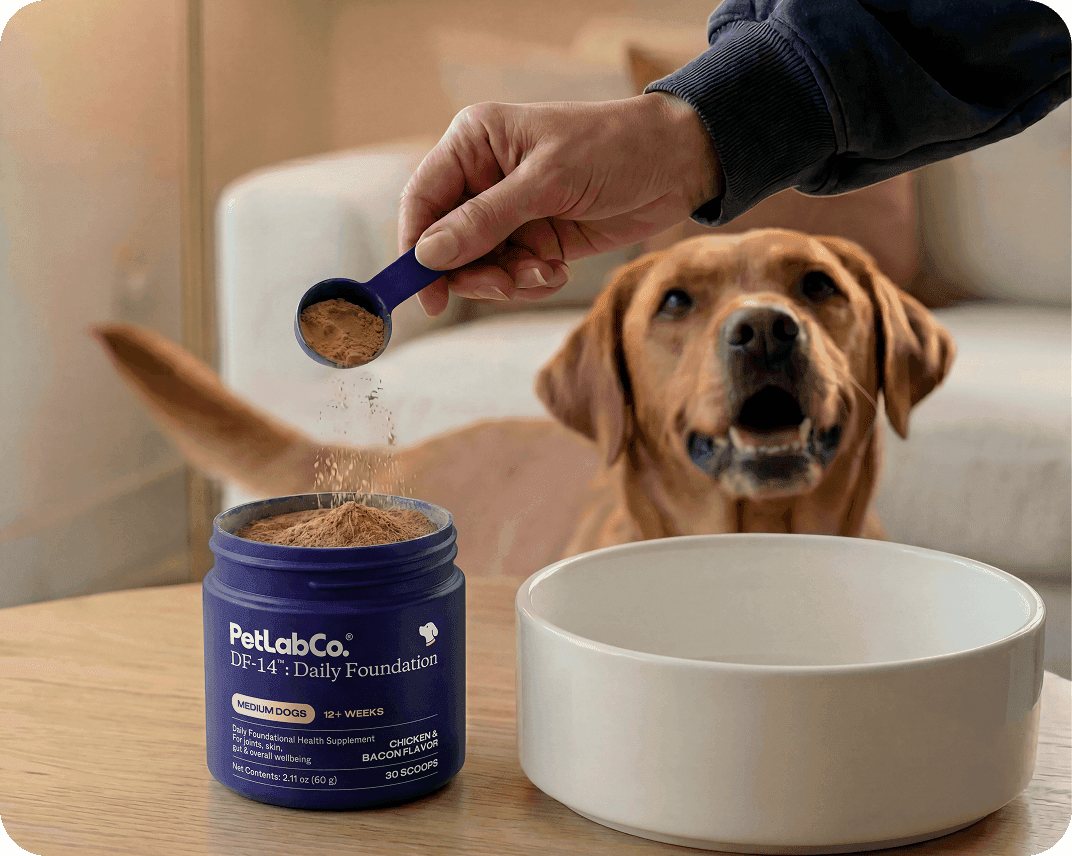
- Select the Correct Meal: Administer the powder during a primary daily meal where an adult can observe the dog eating.
- Moisten Dry Food: Mix the measured powder thoroughly into canned wet food or kibble that has been slightly moistened with warm water to help the powder adhere to the food.
- Prevent Multi-Pet Sharing: In households with multiple pets, feed animals in separate rooms or controlled spaces to ensure the supplement is consumed entirely by the intended dog and prevent accidental double-dosing.
- Observe Meal Completion: Confirm that the dog eats the full portion. If a dog routinely leaves food in the bowl, consult a veterinarian or the manufacturer rather than adding an unmeasured second scoop, which can lead to unpredictable dosing.
- Maintain Routine Stability: When introducing a new supplement, keep all other diet variables—including primary dog food, treats, and feeding schedules—consistent. Changing food, treats, and supplements simultaneously makes it difficult to pinpoint the cause if the dog experiences changes in appetite or stool quality.
Proper Product Storage
Supplements should be stored according to manufacturer directions, keeping containers tightly sealed in a cool, dry place away from direct sunlight. Powder should remain in its original labeled tub rather than being transferred to clear or unlabelled kitchen canisters, ensuring that dosing instructions, batch codes, and expiration dates remain readily accessible.
Scientific Context and Practical Safety Considerations
While probiotic supplements offer broad supportive benefits, pet owners should understand the distinction between ingredient research and overall product testing.
For example, Saccharomyces boulardii—a key yeast strain in DF-14—was evaluated in a 2018 study involving dogs with chronic enteropathy, where it was studied as an adjunct therapy alongside standard treatment protocols. While the study observed positive clinical trends, it was a small clinical trial focused specifically on S. boulardii, not a direct trial of the complete DF-14 finished formula. Clinical studies on individual ingredients offer valuable context, but they should not be interpreted as absolute proof that a multi-ingredient commercial product will cure or treat medical conditions.
When to Seek Immediate Veterinary Care
Daily probiotic powders are designed for health support in well dogs; they are not remedies for acute or severe illness. Pet owners should seek immediate veterinary evaluation if a dog exhibits any of the following warning signs:
- Persistent or severe diarrhea
- Repeated vomiting
- Visible blood in the stool or dark, tarry stools
- Sudden loss of appetite or refusal to drink water
- Marked lethargy, fever, or signs of abdominal pain
Puppies, Sensitivities, and Drug Interactions
Age appropriateness is a critical factor when starting any new supplement regimen. PetLabCo. DF-14 is explicitly labeled for dogs 12 weeks of age and older, while Native Pet specifies a minimum age of 3 months. Puppies younger than 12 weeks experiencing digestive upset require direct veterinary care rather than over-the-counter supplementation.
Special medical conditions also require extra caution:
- Medication Interactions: The label for DF-14 notes that simultaneous oral administration with certain prescription drugs may delay medication absorption. Owners should ask their veterinarian about proper timing gaps between giving daily supplements and oral medications.
- Breeding and Pregnancy: Safe use in pregnant, nursing, or breeding animals has not been established for DF-14, requiring explicit veterinary clearance prior to use.
- Tolerability Monitoring: Minor changes in gas or stool consistency may occur when introducing new dietary elements. If persistent digestive changes develop, document the exact serving given, the date started, and any concurrent diet changes, and share these details with your veterinarian.
Comparing Formats: Powder vs. Soft Chew
Choosing between a powder supplement and a soft chew comes down to daily practicality, feeding behavior, and ingredient needs. Neither format is universally superior; each offers distinct operational advantages depending on the dog’s lifestyle.
When a Powder Format Works Best
- The dog predictably eats entire meals in a single sitting without leaving food behind.
- The owner prefers mixing supplements directly into wet or moistened food as a seamless mealtime topper.
- The owner wants precise weight-tier dosing scaled across specific scoop and tub sizes.
When a Soft Chew Format May Be Preferred
- The dog is a "grazer" who eats small amounts of dry food intermittently throughout the day.
- The owner wants to deliver the supplement as a direct treat to observe immediate, complete consumption.
- The dog refuses kibble that has powder mixed into it.
Switching from a powder to a soft chew involves more than just changing textures. Because multifunctional powders like DF-14 combine probiotics with joint nutrients, amino acids, and antioxidants, replacing a powder with a basic gut-only soft chew alters the dog’s overall supplement intake. When transitioning between product formats, review both product labels with a veterinarian to maintain balanced nutritional support without unintended gaps or overlaps.
Frequently Asked Questions
What is the most recommended probiotic powder for dogs?
Recommendations depend on the individual dog’s health needs and whether the goal is targeted digestive aid or broad daily support. A gut-only formula like Native Pet provides high-CFU digestive support, whereas PetLabCo. DF-14 Daily Foundation offers broad support across 14 health areas. Veterinarians recommend formulas based on an individual dog’s health status, existing medications, and dietary needs.
Can a dog take probiotic powder every day?
Many probiotic powders, including DF-14, are formulated for once-daily long-term administration at mealtime. However, daily use should always follow the labeled weight guidelines and veterinary recommendations, with periodic reassessments if the dog’s health, age, or medication status changes.
Which probiotic do veterinarians recommend for dogs?
Veterinarians choose probiotics based on the specific clinical needs of the dog, looking at specific strain identities, CFU counts, and quality controls. Owners should bring the complete product label to their veterinary appointment so the clinician can evaluate all active and inactive ingredients.
What are the common signs that a dog might benefit from probiotics?
Gas, occasional loose stools, or mild digestive inconsistencies can prompt owners to explore probiotic support. However, because these symptoms can also indicate underlying medical issues, chronic or sudden gastrointestinal signs should be evaluated by a veterinarian to rule out infections, dietary indiscretions, or systemic illness.
What can be given to a dog instead of a probiotic supplement?
If a dog does not require or tolerate a probiotic powder, alternatives depend on the underlying goal. Dogs eating a complete and balanced high-quality diet may not require additional gut supplements. For dogs with specific gastrointestinal needs, veterinarians may recommend prescription therapeutic diets, prebiotics, or targeted soft chew formulations. Human probiotics and fermented foods should not be administered without explicit veterinary instruction.
Disclaimer: PetLabCo.® products are not intended to diagnose, treat, cure, or prevent any disease. Always consult a licensed veterinarian before introducing new supplements into a dog’s daily routine.