

When selecting a dietary regimen for a Shih Tzu, pet owners and veterinary professionals must balance life-stage requirements, precise portion measurements, and individual health tolerances. Tailoring a feeding plan requires an understanding of standard product labels, caloric densities, and the physical cues a dog exhibits during mealtime.
This analysis evaluates prepared fresh-food options from JustFoodForDogs (JFFD) using published product specifications and established veterinary nutrition standards. Sponsored by JustFoodForDogs, this guide relies on published product packaging and established veterinary guidance rather than hands-on feeding trials.
Determining the appropriate food for a Shih Tzu begins with confirming life-stage adequacy, calculating daily energy needs, and establishing safe handling practices for fresh meals. While breed profiles offer general context regarding physical traits, breed identity alone does not dictate a universal protein source or an exact daily food allowance. Two adult Shih Tzus of identical age may require substantially different feeding plans based on body condition, activity level, and underlying health factors.
Marketing descriptors such as "natural" or "grain-free" do not serve as proxies for complete nutritional balance. Selecting a grain-free formulation should stem from a clear, individual veterinary diagnostic determination rather than an assumption that the breed inherently requires grain restriction. Furthermore, a simple or recognizable ingredient list does not automatically guarantee that a food meets the nutritional thresholds required for canine growth.
Evaluating Formula Eligibility and Life-Stage Adequacy
A fundamental rule of canine nutrition is ensuring that a recipe matches the dog’s current life stage. Formulas intended solely for adult maintenance lack the specific balance of nutrients required to support growing puppies. Conversely, growth-qualified recipes are specifically balanced to satisfy developmental demands.

JustFoodForDogs produces several distinct fresh recipes with varied caloric profiles and life-stage statements. Evaluating current product labels highlights key distinctions across four common choices:
The Chicken & Rice recipe provides 1,530 kcal/kg and carries an all-life-stages statement, which explicitly includes the growth of large-size dogs expected to reach 70 pounds or more as adults. For a Shih Tzu, this growth qualification makes the recipe eligible for both growing puppies and mature adults. The reference to large-breed growth on the label is an regulatory standard ensuring upper limits on minerals like calcium, rather than a restriction excluding small-breed dogs.
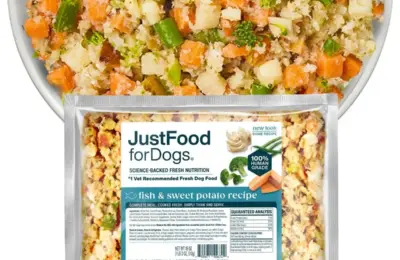
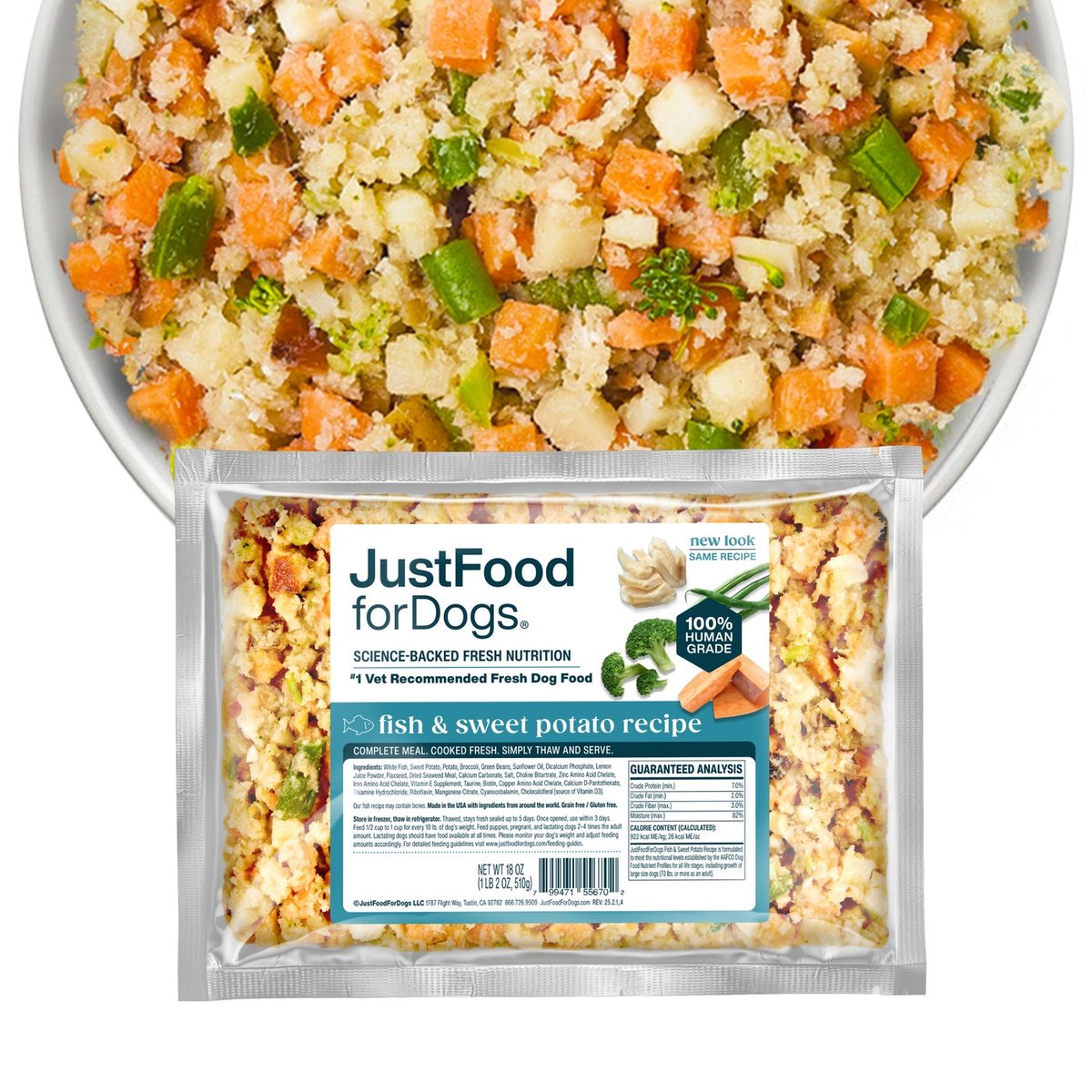
The Fish & Sweet Potato formula offers 922 kcal/kg and also carries an all-life-stages declaration, including large-dog growth support. Its primary protein source is a whitefish blend comprising cod, pollock, and haddock, rather than cod alone. Because of its significantly lower caloric density compared to other recipes, a dog must consume a larger volume by weight to achieve the same caloric intake.
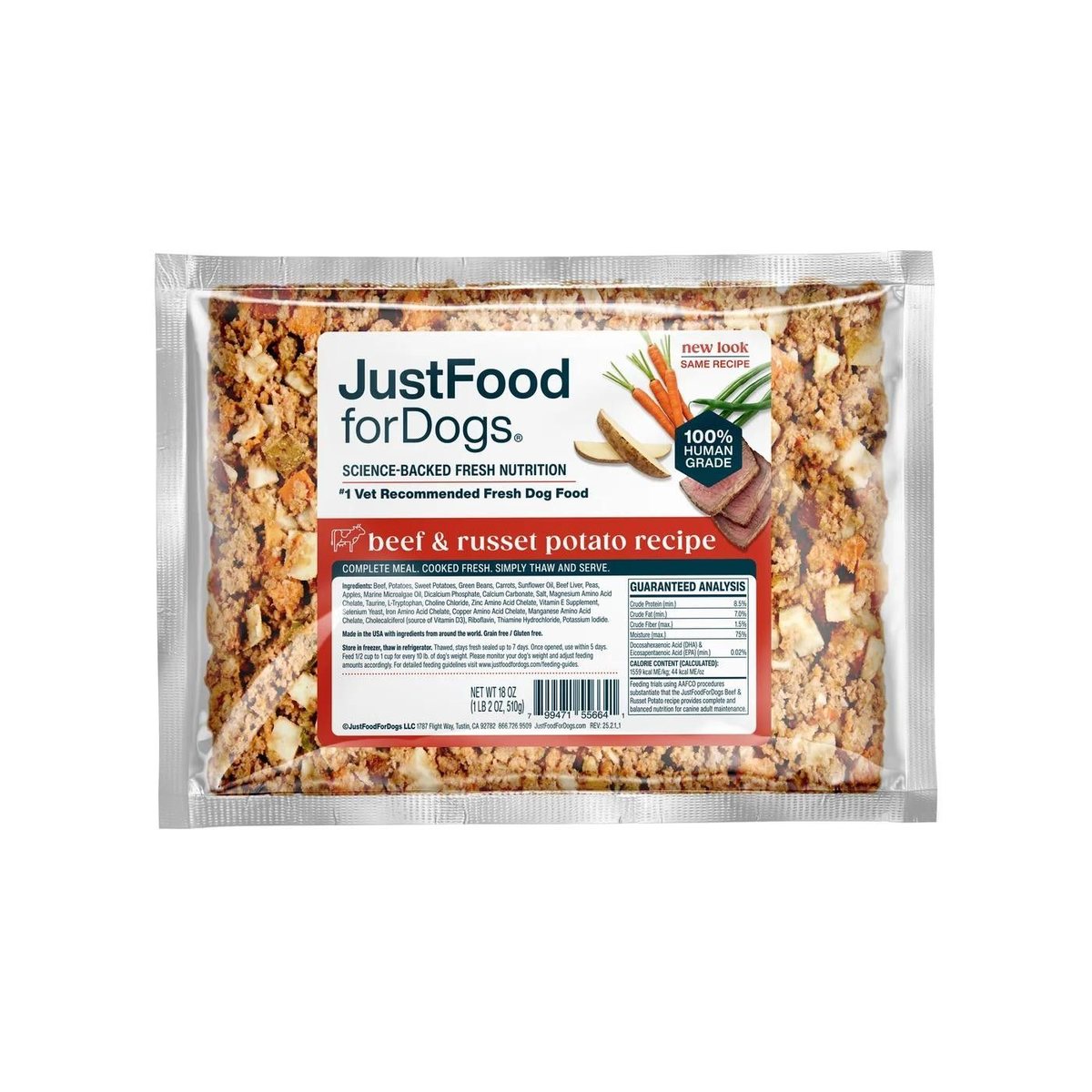
The Beef & Russet Potato recipe contains 1,559 kcal/kg but is formulated strictly for adult maintenance. It is not suitable for growing puppies and should only be evaluated for fully matured dogs whose health profiles align with its nutrient distribution.
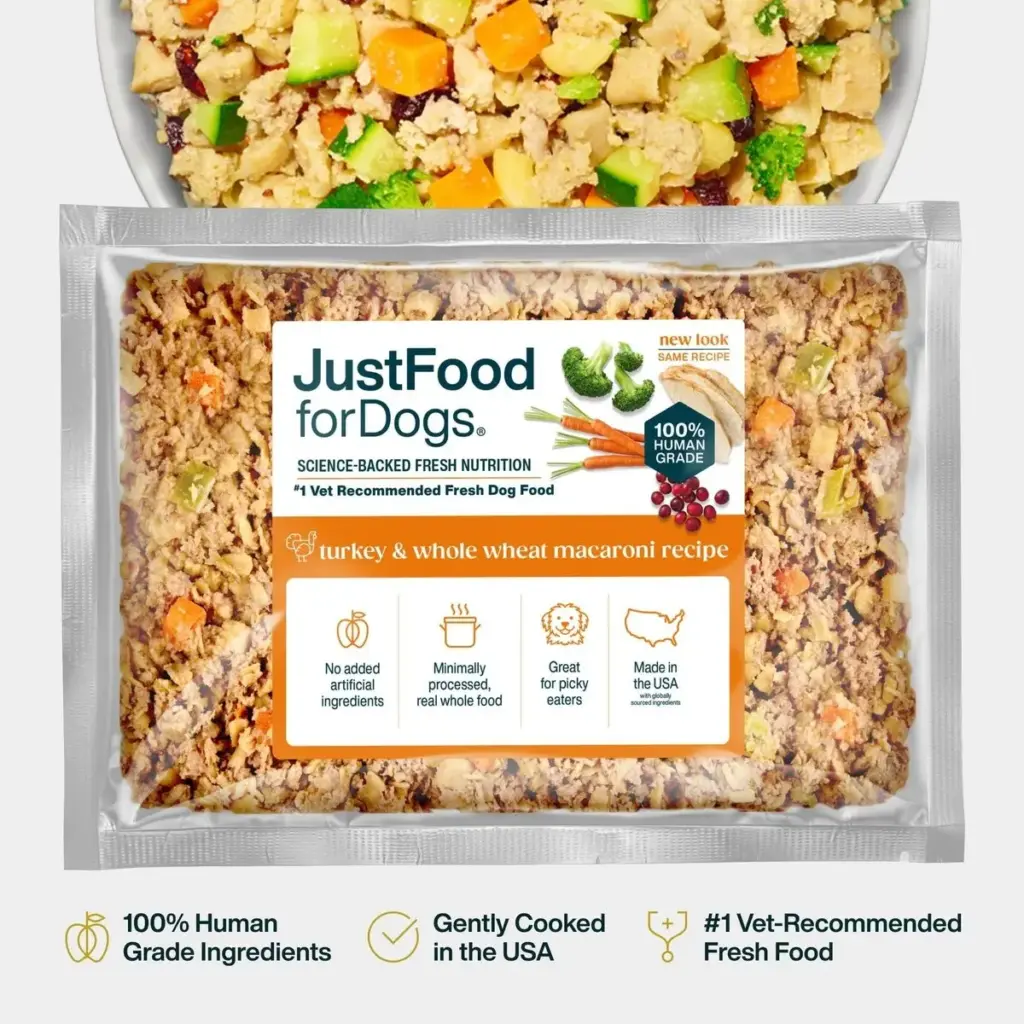
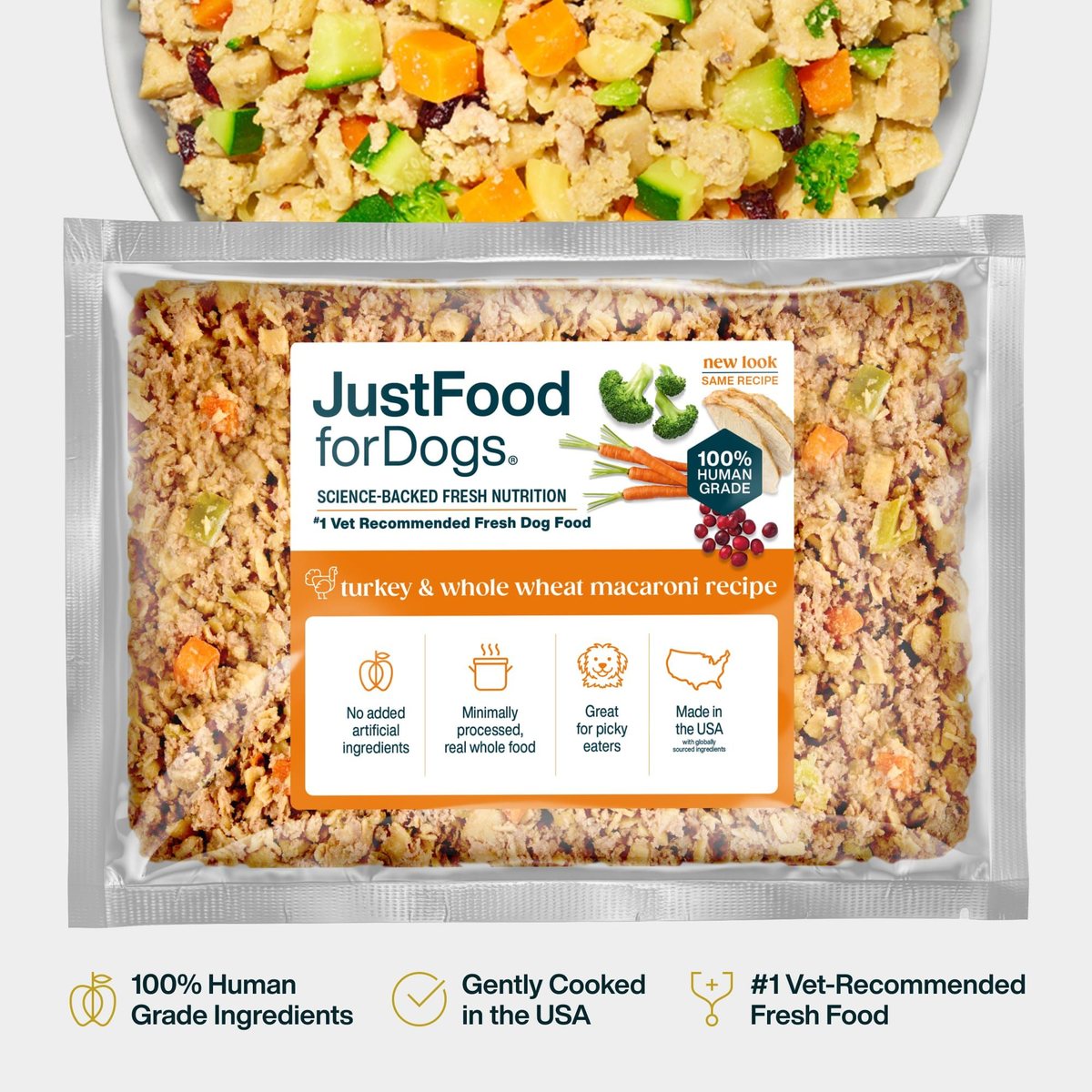
The Turkey & Whole Wheat Macaroni recipe provides 1,741 kcal/kg, representing the highest energy density among these four options. Formulated for adult maintenance, its higher calorie yield per gram requires precise weighing to prevent accidental overfeeding.
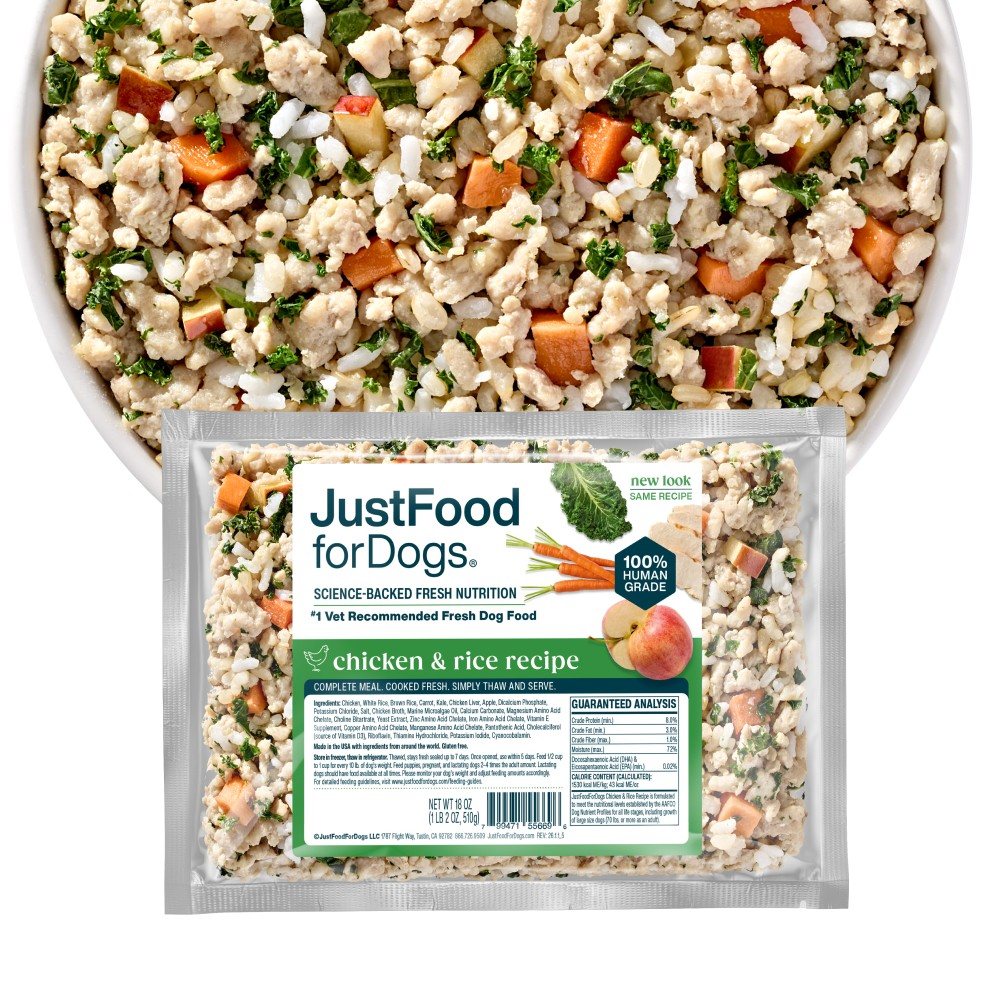
Recording the exact recipe name, calorie count, and official life-stage statement directly from the packaging before purchase ensures that historic feeding plans are not mistakenly applied to reformulated or differently named products.
Caloric Calculations, Daily Allowances, and Meal Schedules
Managing dietary intake for small-breed dogs requires exact portion measurements, as small errors in visual estimation can lead to significant variations in daily calorie consumption. Treats, dental chews, table scraps, and food used for medication administration must be integrated into the overarching daily energy allowance rather than provided as uncounted additions.
Guidelines from the American Animal Hospital Association (AAHA) recommend that complete and balanced commercial pet foods supply at least 90 percent of a dog’s total daily calories. Supplementary items, including training rewards, should occupy no more than the remaining 10 percent.
To illustrate how caloric density influences portion weight, consider a hypothetical adult Shih Tzu with an agreed daily requirement of 350 calories. Allocating 10 percent (35 calories) to treats leaves a complete-food target of 315 calories per day.
To calculate the daily allowance in grams, the remaining complete-food calorie allowance is divided by the recipe’s energy density in kilocalories per kilogram, then multiplied by 1,000. Applying this formula across different recipes demonstrates how volume changes while total calorie intake remains constant:
For the Chicken & Rice formula (1,530 kcal/kg), a 315-calorie target yields approximately 206 grams of food per day. Divided into a standard two-meal daily schedule, this equals roughly 103 grams per serving.
For the lower-density Fish & Sweet Potato formula (922 kcal/kg), the same 315-calorie allowance equates to approximately 342 grams per day, or roughly 171 grams per meal.
For the Beef & Russet Potato formula (1,559 kcal/kg), the daily requirement equals about 202 grams.
For the higher-density Turkey & Whole Wheat Macaroni formula (1,741 kcal/kg), the total daily allowance drops to approximately 181 grams.
Visual bowl volume is an unyielding and inaccurate metric when transitioning between foods. A kitchen scale provides the accuracy necessary to ensure that daily nutritional requirements are met without introducing unintended calories.
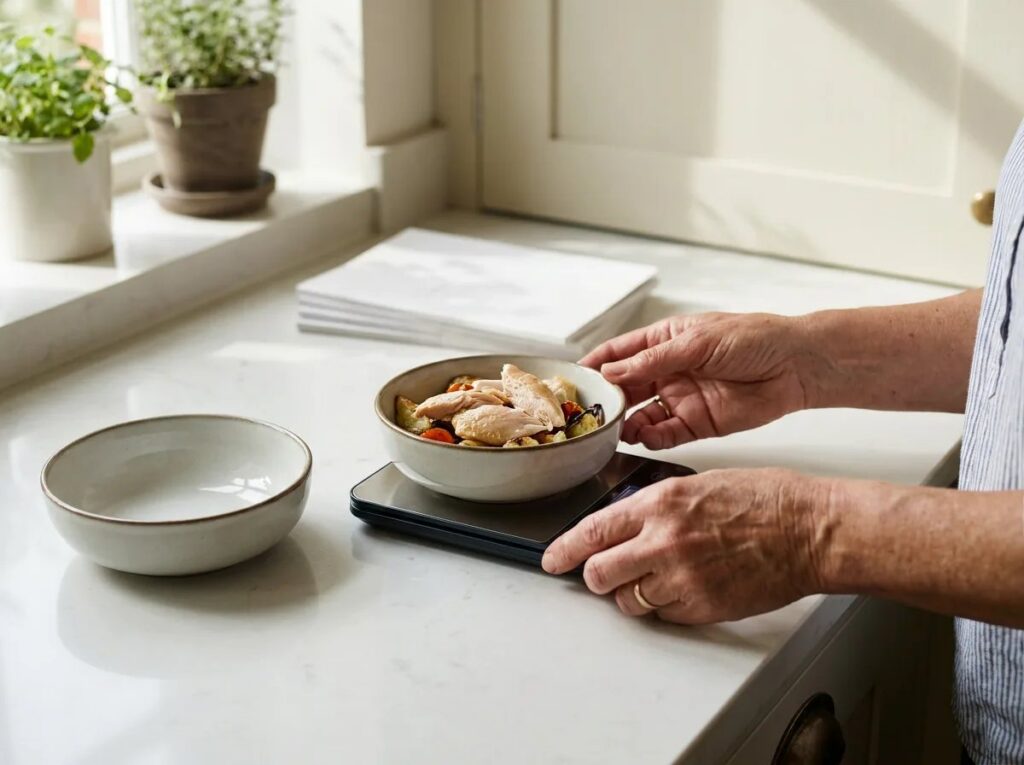
Meal frequency must also align with life stage and metabolic needs. While healthy adult Shih Tzus typically thrive on two scheduled meals daily, young puppies require more frequent feedings to maintain stable blood glucose levels. If treats such as plain, thoroughly cooked egg are offered, their caloric content must be subtracted from the primary meal quota. Additives like butter, cooking oils, cheese, or seasonings should be avoided, as they significantly increase caloric density and can trigger gastrointestinal upset.
For overweight adult dogs, calorie adjustments must be calculated systematically to ensure nutrient adequacy while achieving gradual weight loss. Shrinking food portions arbitrarily or replacing balanced meals with low-calorie vegetables can compromise essential nutrient intake. Re-evaluating caloric needs alongside a veterinary team ensures that body condition scores are monitored safely over time.
Differentiating Behavioral Preferences from Dental and Oral Pain
Monitoring how a Shih Tzu interacts with its food provides vital context regarding oral health and overall well-being. While small dogs occasionally express distinct texture preferences, subtle changes in chewing behavior or sudden reluctance to eat often point to underlying physical discomfort rather than simple preference.
Observations such as approaching the food bowl eagerly, picking up kibble only to drop it, chewing exclusively on one side of the mouth, or excessive drooling warrant clinical attention. According to the American Veterinary Medical Association (AVMA), abnormal chewing, drooling, dropping food, and reduced appetite are primary indicators of severe dental disease or oral pain.
Transitioning a dog with oral discomfort to a softer wet or fresh food standard may make swallowability easier, but it does not address or resolve the underlying dental pathology. Modifying meal texture should never substitute for a professional oral evaluation.
When a dog suddenly stops eating altogether, caretakers should seek prompt veterinary guidance rather than waiting for an extended period. Guidance on pain assessment from the AAHA emphasizes that discomfort significantly impacts appetite, chewing, and swallowing dynamics. Prompt evaluation is critical for young puppies, senior dogs, and pets with pre-existing medical conditions, where short periods of anorexia can lead to rapid metabolic decompensation.
For dogs with stable eating habits, maintaining a predictable routine supports clear behavioral observation. Feeding meals in a quiet, non-slip area using shallow, fixed bowls helps minimize environmental anxiety, allowing owners to more accurately assess appetite trends and eating comfort.
Diagnostic Approaches to Skin and Digestive Symptoms
Shih Tzus presenting with cutaneous irritation, persistent scratching, or gastrointestinal disturbances require structured diagnostic investigations. Breed predisposition does not inherently establish a food allergy, nor does the presence of "sensitive skin" labeling ensure that a specific commercial diet will resolve underlying symptoms.
Investigating potential adverse food reactions requires a comprehensive record of the dog’s complete dietary history, including previous primary diets, flavored medications, treats, and novel foods. According to the Merck Veterinary Manual, an elimination diet trial using a strictly controlled, novel, or hydrolyzed protein source remains the standard for diagnosing cutaneous food allergies. Frequently changing commercial recipes or incorporating unquantified toppers undermines the diagnostic process.
When evaluating specialized products, label claims must be cross-referenced with nutritional adequacy statements. For instance, certain recipes explicitly formulated for skin sensitivity are designated strictly for adult maintenance. Applying an adult sensitive-skin diet to a growing puppy with gastrointestinal signs risks nutritional imbalances during critical developmental windows.

Similarly, common cosmetic issues such as tear staining should not be interpreted as definitive proof of a dietary allergy. Facial hair staining often stems from anatomical factors, tear duct clearance, or localized moisture buildup, rather than an underlying response to dietary proteins or grains.
When managing suspected gastrointestinal sensitivities or chronic conditions like renal disease, dietary modifications must be overseen by a veterinarian. Standard fresh commercial diets are not equivalent to prescription therapeutic diets formulated specifically for target nutrient modifications, such as reduced phosphorus and controlled protein levels required for renal support.
Food Transitions and Refrigerated Storage Management
Switching between dietary formulations should occur gradually over several days for stable, healthy dogs. Transitioning systematically involves incrementally replacing portions of the current food with the new recipe based on caloric equivalence rather than weight parity.
Because fresh and frozen meals lack artificial preservatives, adherence to strict refrigeration and storage timelines is mandatory. Storage parameters vary significantly depending on the underlying protein base. According to published handling guidelines for JustFoodForDogs Fresh Frozen products, fish-based formulations can be safely stored in the refrigerator for up to three days once opened, or up to five days if thawed within a sealed package. Non-fish meat recipes typically remain stable in the refrigerator for up to five days after opening, or seven days when thawed sealed.
For small dogs consuming modest daily amounts, package size planning is essential to minimize spoilage and waste. For example, a standard 18-ounce package of Chicken & Rice contains roughly 390 calories. If a small Shih Tzu consumes 100 calories per day from that package, the container will last approximately 7.8 days—exceeding the five-day opened refrigeration limit. Similarly, an 18-ounce package of Fish & Sweet Potato fed at the same rate would last nearly 4.7 days, passing its three-day opened limit.
To maintain safety without exceeding maximum storage windows, pet owners must coordinate thawing schedules, consider smaller packaging options, or utilize approved home-portioning and freezing techniques recommended by the manufacturer. Transferring opened leftovers to an airtight container preserves freshness but does not extend the safety clock established upon initial opening.
While preparing homemade meals of meat, grains, and vegetables may appear to offer control over ingredients and portion size, unformulated home cooking poses risks of micro- and macronutrient deficiencies. Replicating commercial ingredient lists at home without expert formulation frequently results in imbalanced calcium-to-phosphorus ratios and inadequate vitamin profiles. Utilizing professionally formulated diets or consulting a board-certified veterinary nutritionist ensures that small-breed dietary needs are fully met.
Frequently Asked Questions
What is the natural food preference of a Shih Tzu?
Individual dietary preferences vary widely across the breed, and palatability does not automatically indicate nutritional completeness. Rather than relying on perceived taste preferences, feeding choices should be driven by life-stage nutritional adequacy and measured intake. Sudden shifts in a dog’s enthusiasm for food should be evaluated for potential dental or underlying health issues rather than addressed solely through frequent food changes.
At what age should a Shih Tzu transition to adult dog food?
Transitioning from a growth formula to adult maintenance should occur once physical growth is complete, typically around 10 to 12 months of age depending on individual development. Because transition timelines vary, individual growth trajectories should be verified with a veterinarian. When changing diets, both formula eligibility and daily caloric intake must be recalculated.
How should breakfast portions be structured for a Shih Tzu?
A suitable morning meal consists of a measured portion of the dog’s complete and balanced daily food allowance. Breakfast does not require separate ingredients, toppers, or cooked human foods to provide adequate nutrition. Any supplemental rewards provided later in the day must fit within the overall 10 percent daily limit for treats.

What parameters define the healthiest food option for a Shih Tzu?
There is no single optimal recipe for the entire breed. The healthiest choice is a formula that meets verified nutritional adequacy standards for the dog’s specific life stage, satisfies individual calorie targets, fits safe storage routines, and accommodates any verified medical restrictions.
Should portion weights remain identical when switching between fresh recipes?
Portion weights must be adjusted whenever transitioning between formulas with different energy densities. For example, Fish & Sweet Potato provides 922 kcal/kg while Turkey & Whole Wheat Macaroni supplies 1,741 kcal/kg. Serving identical gram weights across these two recipes would result in a drastic under- or over-supply of daily calories.
What are the specific refrigeration limits for thawed fish-based fresh food?
Fish-based fresh recipes should be consumed within three days once the package is opened and stored in the refrigerator, or within five days if thawed while remaining factory-sealed. These specific timelines are shorter than those for poultry or mammalian protein recipes and must be strictly observed to maintain food safety.