


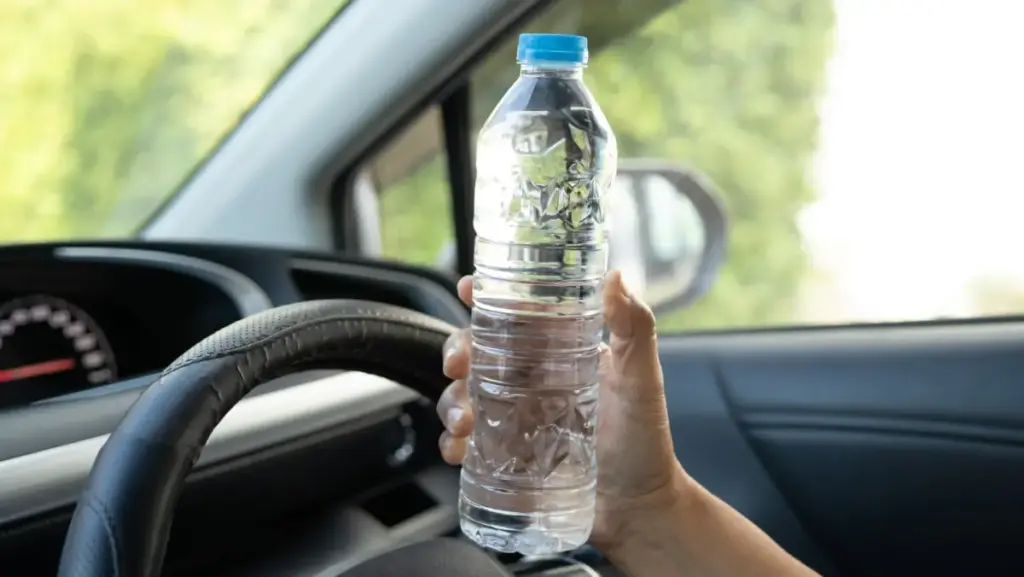
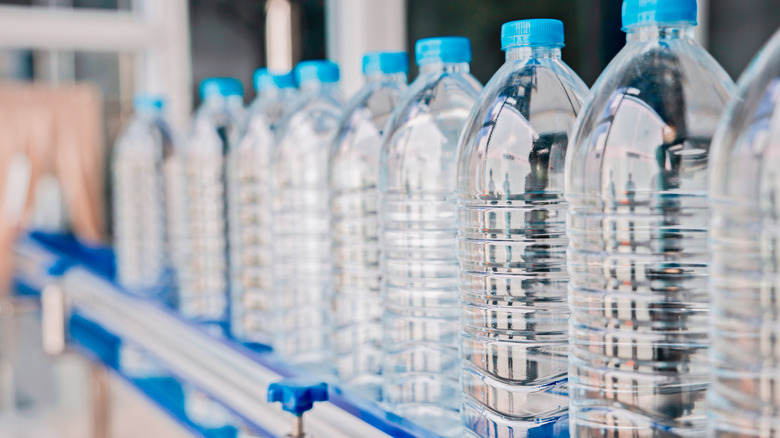
Bottled water remains a colossal global industry, yet consumer skepticism is rising as people look closely at what they are actually drinking and paying for. Even as industry statistics show staggering consumption rates, numerous surveys indicate that anywhere from 50% to 60% of consumers harbor persistent anxieties regarding the safety and quality of their municipal tap water. This underlying distrust continues to drive immense sales across the market. According to figures released by the International Bottled Water Association, consumers in the United States alone spent a staggering $49.9 billion on more than 16 billion gallons of bottled water in a single recent year. Despite these monumental economic figures, a growing body of evidence suggests that consumers are paying an exorbitant price for a product that fails to deliver on its advertised purity.
The marketing narrative surrounding bottled water has long relied on imagery of pristine, untouched mountain springs and promises of superior health benefits. However, contemporary research paints a much more concerning picture, highlighting both hidden health hazards and severe environmental degradation. Contrary to popular belief, bottled water is frequently no purer than ordinary municipal tap water, and a significant percentage of commercial bottled water is sourced directly from public municipal supplies. When factoring in the immense financial markup—where bottled water can cost anywhere from 600 to 2,000 times more per ounce than tap water—the economic reality becomes difficult to justify. As consumer awareness shifts, a critical examination reveals that favoring bottled water over tap water is an increasingly flawed choice.
Bottled Water Isn’t Any Safer or Healthier Than Tap Water
While a portion of the population gravitates toward specific commercial brands purely out of personal taste preference, the primary driver for bottled water consumption is the widespread belief that it offers superior safety compared to tap water. Yet, comprehensive studies conducted by organizations such as the Natural Resources Defense Council and the World Wildlife Fund have consistently challenged this assumption for decades, with findings dating back to the late 1990s.
Municipal tap water in the United States is widely regarded as some of the safest in the world, subject to stringent federal oversight and regulation by the Environmental Protection Agency under the Safe Drinking Water Act. Conversely, commercial bottled water falls under the regulatory purview of the Food and Drug Administration. While the FDA does establish quality and safety standards, these regulations are widely considered by public health advocates to be less rigorous and demanding than those imposed on public water utilities.
This regulatory distinction does not imply that municipal tap water is entirely flawless, but rather that commercial alternatives are not inherently superior. According to data from the Environmental Protection Agency, approximately 92% of all American municipal tap water consistently meets all federal health-based safety standards. Nevertheless, this statistic acknowledges that a small fraction of public water systems may encounter localized issues involving chemical or microbial contaminants. Furthermore, EPA regulations govern water quality only up to the property line, meaning that aging household infrastructure, such as corroded lead pipes in older residences, can still compromise water quality at the kitchen sink. In such specific scenarios, alternative water sources may temporarily offer a safer immediate option.
At the same time, commercial bottled water is frequently far from the pristine standard consumers envision. Even varieties marketed as spring bottled water have occasionally been found to contain trace contaminants, including heavy metals like lead and arsenic. A landmark investigation by the Natural Resources Defense Council revealed that a notable percentage of tested bottled water brands contained chemical contaminants at levels exceeding applicable local health regulations, underscoring the reality that a plastic seal is no absolute guarantee of purity.
Microplastics and Other Chemicals Can Leach into Bottled Water
In modern consumer markets, microplastics have emerged as a paramount health and safety concern regarding bottled water, and scientific inquiry has increasingly validated these worries. Multiple independent studies have demonstrated that bottled water contains substantial quantities of plastic particles, often exceeding the concentrations found in tap water by orders of magnitude. Research published in the Journal of Hazardous Materials demonstrated that microplastic contamination in bottled water varies widely but can reach concentrations exceeding 6,600 particles per liter. Furthermore, advanced analyses cited by the National Institutes of Health have identified even smaller polymer fragments known as nanoplastics, revealing that a single liter of bottled water can contain as many as 240,000 microscopic pieces of plastic.
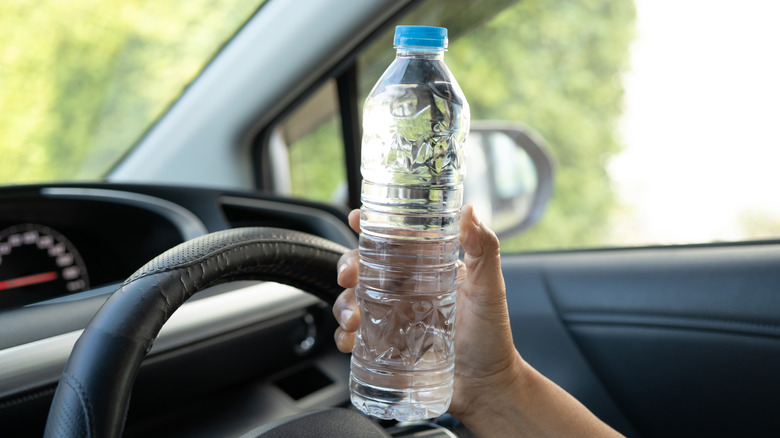
These particles originate from both the industrial manufacturing process of the containers and the physical degradation of the plastic packaging itself over time. This leaching process is heavily accelerated by environmental factors such as heat, which causes plastic polymers to break down more rapidly when exposed to warm temperatures during transport or storage. Consequently, frequent consumers of bottled water ingest exponentially higher quantities of microplastics—often more than twenty times the amount consumed by individuals who rely exclusively on tap water.
While the long-term toxicological and physiological consequences of chronic microplastic ingestion are still actively being investigated by the scientific community, early findings point toward potential health risks. Researchers have linked exposure to these foreign particles and associated chemical additives to a range of potential physiological concerns, including immune system disruption, cellular damage, systemic inflammation, and potential harm to the digestive and reproductive systems. Beyond the plastics themselves, the packaging materials have also been shown to leach other toxic chemical compounds and heavy metals directly into the liquid, presenting yet another hidden risk to consumers.
Bottled Water Is Worse for the Environment
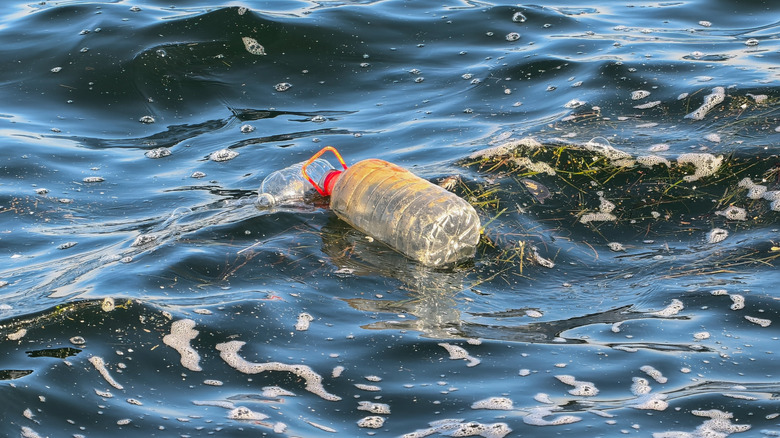
The consequences of the bottled water industry extend far beyond individual health considerations, exerting a severe and lasting toll on the global environment. The most visible manifestation of this impact is the staggering volume of single-use plastic waste generated annually. Industry manufacturing processes require tens of millions of gallons of oil each year to produce plastic water bottles—an energy expenditure roughly equivalent to powering over one million passenger vehicles. This translates to billions of pounds of plastic packaging, the vast majority of which bypasses recycling facilities entirely to accumulate in landfills, natural landscapes, and waterways. Beyond the visible refuse, the extraction of raw materials, manufacturing of bottles, and subsequent disposal processes contribute significantly to localized groundwater pollution.
In addition to plastic waste, the logistical footprint of the bottled water trade demands massive expenditures of fossil fuels and energy to transport products from remote extraction sites to retail markets. For example, popular brands such as Fiji Water are sourced thousands of miles away from North American consumers, burning excessive fossil fuels to transport a basic commodity that is readily available locally. Furthermore, commercial operations that pump water from natural springs frequently over-extract local water tables, causing sensitive aquatic ecosystems and natural springs to run dangerously dry during periods of drought.
A substantial portion of discarded plastic ultimately migrates into the world’s oceans, contributing to the tens of millions of metric tons of plastic waste that infiltrate marine environments and destabilize aquatic ecosystems. Comprehensive life-cycle assessments, including a widely cited study conducted by the Barcelona Institute for Global Health, have concluded that the overall environmental impact of bottled water is exponentially greater than that of municipal tap water—by a factor of more than 1,400. As ecological pressures mount, public health and environmental advocates emphasize the urgency of moving away from single-use bottled water dependencies.
Filtering Water Is Effective and Much Cheaper
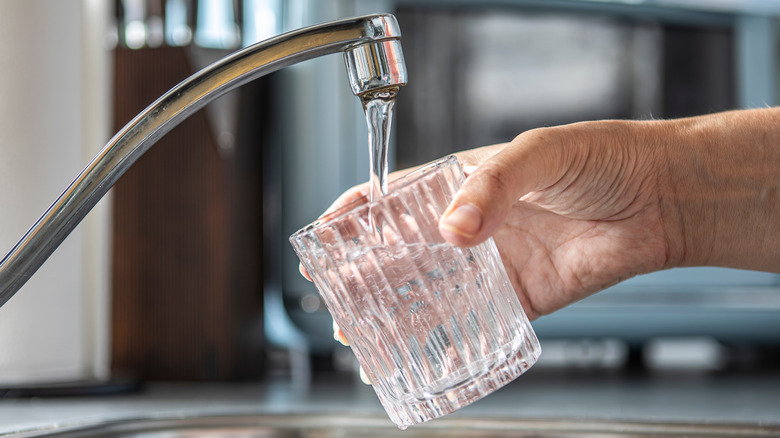
While municipal tap water is generally clean, reliable, and rigorously monitored, localized exceptions do exist, particularly for rural households relying on private wells or communities with compromised local infrastructure. Furthermore, deep-seated consumer skepticism regarding public water utilities remains a powerful psychological barrier. For those who harbor legitimate concerns about their local water supply, home water filtration systems offer an efficient, highly effective, and vastly more economical alternative to commercial bottled water.
Advanced home filtration solutions, ranging from under-sink reverse osmosis systems to consumer-rated pitcher filters such as Brita and PUR, are capable of removing a wide spectrum of physical, chemical, and biological impurities from tap water. Consumers can even select specialized filter media tailored to target specific contaminants present in their local water supply, such as chlorine, lead, or sediment. Beyond removing unwanted substances, these filters frequently improve the overall taste and odor of tap water by eliminating residual disinfectants and minerals.
From an economic perspective, the financial advantages of home filtration are profound. Even when factoring in the initial purchase price of a filtration system and the ongoing cost of replacement cartridges, household filtration costs mere pennies per gallon compared to the steep retail markups of commercial bottled water. Under-sink installations and standard pitcher filters alike offer substantial long-term savings for households, even when compared against budget-friendly commercial water brands.
As the economic, environmental, and health arguments against single-use plastics continue to crystallize, commercial bottled water is increasingly recognized as an unnecessary luxury rather than a necessity. For consumers seeking pure, safe hydration, testing local tap water when in doubt, investing in a reliable home filtration system, and utilizing durable reusable water bottles provides a healthier, more environmentally sustainable, and dramatically more cost-effective path forward.