



When hunger strikes between meals, few cravings match the pull of a bag of potato chips. Salty, crunchy, and endlessly versatile, crispy potato snacks have long reigned supreme as the ultimate comfort snack. Yet, as consumer interest in diverse flavors, nutritional upgrades, and novel textures grows, snack enthusiasts are increasingly looking beyond the traditional spud. A wide array of alternatives now populates grocery store shelves and home kitchens, offering the all-important crunch without relying on potatoes.
These modern snack substitutes deliver a similar combination of texture, seasoning, and overall satisfaction while introducing entirely new flavor profiles. From protein-packed legume bites and fiber-rich grains to innovative vegetable crisps and oven-baked cheeses, the options are as nutritious as they are enjoyable. Whether sourced from major supermarket chains or prepared from scratch at home, these 12 potato chip alternatives provide a welcome variation for any routine.
Parmesan Crisps
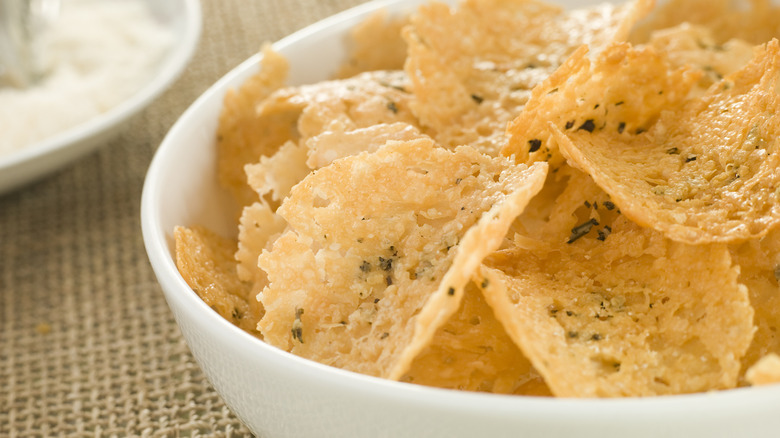
For those seeking a low-carbohydrate, high-protein snack that still satisfies a deep-seated craving for salt, Parmesan crisps offer a compelling solution. Requiring little more than a wedge of fresh Parmesan cheese and a hot oven, these keto-friendly rounds replicate the crispness and golden appearance of traditional chips entirely through dairy.
The preparation involves grating or shredding the cheese and arranging it in small mounds on a baking sheet, leaving adequate space for the cheese to melt and spread during baking. As it cooks, the cheese flattens into delicate, savory discs. Home cooks frequently customize these crisps with additional seasonings, such as fresh herbs, everything bagel seasoning, or red pepper flakes. Their durability is another asset; properly stored, they maintain their quality for up to three weeks, making them ideal for batch preparation.
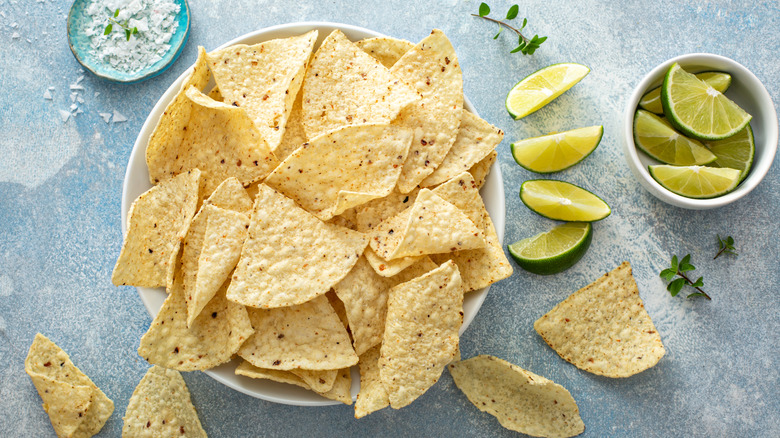
Corn Tortilla Chips
As a classic accompaniment to creamy guacamole, spicy chili, or heavy layers of melted cheese and toppings, corn tortilla chips remain a ubiquitous crowd-pleaser. Their production process—involving the cooking and soaking of corn with lime, grinding the softened kernels into dough, pressing, cutting, and deep-frying—yields a distinctly bumpy texture and a robust crunch.
Because corn tortilla chips are structurally sturdier than potato chips, they resist crumbling under the weight of heavy dips. Beyond snacking, their culinary utility extends into everyday cooking. Home cooks frequently crush them to bread meats, stir them into soups to achieve a thicker consistency, or sprinkle them over salads for an added layer of texture and sustenance.
Lentil Chips
Consumers looking to increase their daily nutritional intake without sacrificing snack appeal often turn to lentil chips. Formulated primarily with lentil flour and occasionally blended with corn flour, rice flour, or potato starch, these commercially produced snacks provide an ultra-light, crispy texture accompanied by a subtle, earthy undertone.
Available in a spectrum of flavors ranging from sea salt to barbecue, lentil chips generally boast a higher protein content and lower fat levels compared to traditional potato chips, with certain varieties also contributing notable dietary fiber. Their versatility makes them suitable for solo snacking, pairing with dips, or packing into school and office lunches.
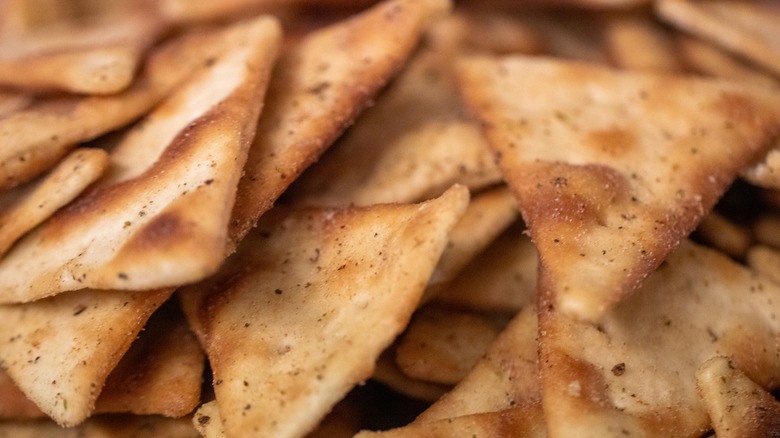
Pita Chips
Rooted in Mediterranean culinary traditions, pita chips offer a denser, more cracker-like bite that excels at scooping up thick spreads and dips. Their mild, toasty flavor profile complements accompaniments like hummus, baba ganoush, and tzatziki.
Conventionally produced by cutting wheat-based flatbread into wedges or squares, coating them in oil, and baking them until crisp, pita chips are widely available commercially. However, preparing them at home allows for personalized seasoning blends featuring paprika, cumin, chili powder, garlic powder, or grated Parmesan. These rustic, golden chips serve as a practical method for utilizing leftover pita bread while enhancing charcuterie boards and party platters.
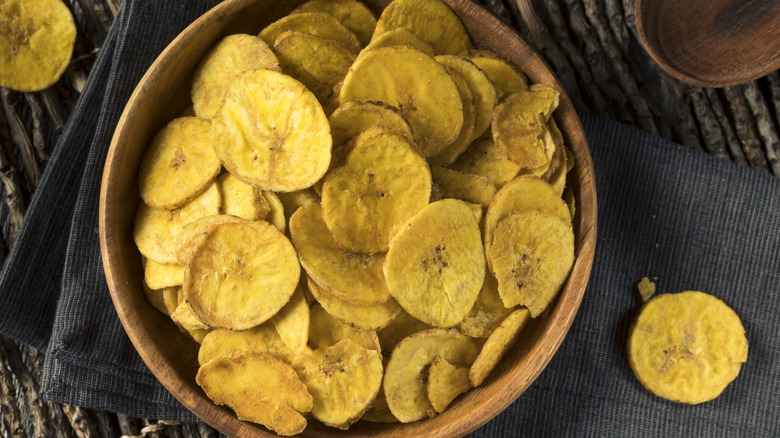
Plantain Chips
Plantain chips introduce a tropical variation to the standard salty snack category, combining an earthy-sweet natural base with savory seasonings. Rich in essential micronutrients such as potassium, vitamin C, and vitamin A, plantains provide a nutrient-dense alternative to root vegetables.
While readily found in grocery and health food stores, plantain chips can also be crafted at home by slicing unripe, green plantains into thin discs and frying them in hot oil. Seasoning options range widely from cayenne pepper and paprika to Tajín, barbecue spices, or even a sweet coating of sugar and cinnamon for dessert-style snacking.
Crispy Seaweed
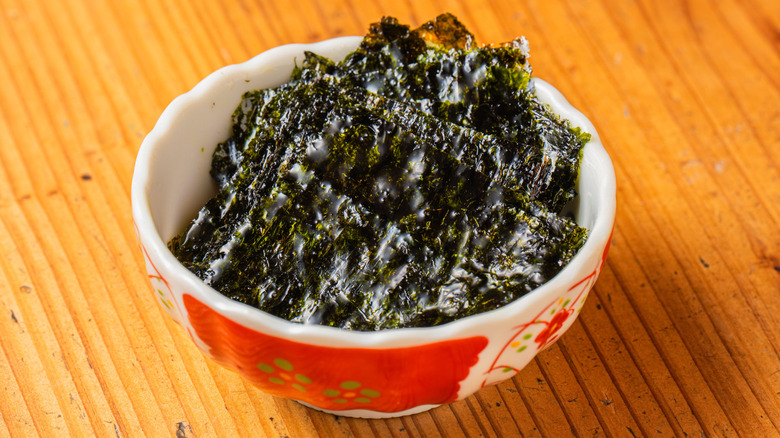
Moving beyond its traditional role in sushi preparation, seaweed has established itself as a distinct, lightweight snack option. Crispy seaweed sheets are significantly lighter and more brittle than potato chips, delivering a concentrated burst of salty umami flavor.
Produced by mincing and blending seaweed, pressing the mixture into paper-thin molds, and subsequently drying and roasting it, these sheets are often enhanced with sea salt, wasabi, or sweet chili. Beyond direct snacking, crumbled seaweed is frequently used to elevate rice bowls, soups, and salads. Naturally low in fat, seaweed provides beneficial antioxidants alongside iodine and tyrosine, both of which support healthy thyroid function.
Rice crackers
Characterized by their light, airy structure and clean crunch, rice crackers offer a distinct mouthfeel compared to heavy, oil-fried chips. Basic versions seasoned simply with sea salt contrast with commercially flavored varieties featuring sweet or savory coatings like chocolate, caramel, ranch, or chili.
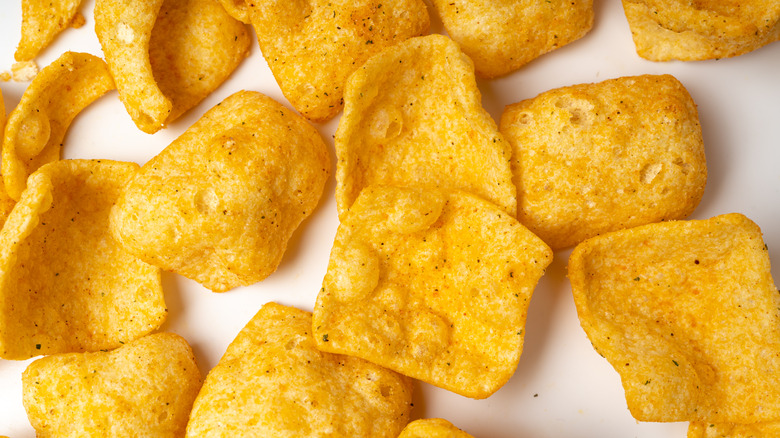
Rather than undergoing deep-frying, many rice crackers are manufactured by puffing and compressing grains of rice under high pressure, while baked varieties utilize pureed cooked rice mixed with oil and salt. Their low-fat profile makes them a lighter choice, and their flat surfaces readily accommodate toppings ranging from cream cheese and avocado to peanut butter and banana.
Roasted chickpeas
Roasted chickpeas bridge the gap between wholesome nourishment and snack satisfaction, delivering a fiber- and protein-heavy option with a remarkable crunch. Whether prepared in an oven or an air fryer, these legumes develop a golden exterior and a nutty flavor profile that responds well to post-roasting seasonings.
Preparation typically involves rinsing and drying canned chickpeas, tossing them in olive oil and salt, and roasting them until crisp. Seasonings like smoked paprika, garlic powder, cumin, and curry powder allow for extensive customization, making them suitable for eating by the handful or scattering over soups and salads.
Cassava chips
Cassava, a starchy root vegetable also known as yuca, serves as the foundation for a lesser-known chip variety that rivals traditional potato snacks. Cassava chips feature a dense, sturdy starch structure, a firm crunch, and a mild, earthy flavor that pairs easily with diverse seasonings.
In addition to commercial varieties, home cooks can prepare them by peeling, slicing, and frying fresh cassava rounds. Because of their structural density, cassava chips resist breaking under heavy dips, making them ideal for pairing with ranch, garlicky aioli, or cheesy corn dips. Furthermore, cassava contains resistant starch, which has been linked to digestive health benefits.
Eggplant chips
While less common on commercial supermarket shelves, eggplant serves as a viable vegetable for home-prepared chips. Japanese eggplants, prized for their narrow, cylindrical shape and lower water content compared to globe varieties, yield uniform, quickly crisped circular pieces when sliced on a mandoline.
Typically baked rather than fried to maintain a lighter profile, homemade eggplant chips are tossed with oil and seasonings such as garlic powder, salt, and pepper before roasting. Once cooled, they provide a nourishing accompaniment to spinach dip, hummus, or whipped feta.
Zucchini chips
Despite their high natural moisture content, zucchini slices can be transformed into crisp snacks through careful preparation. Rich in vitamins A, C, and K, alongside potassium and magnesium, zucchini offers a nutrient-dense base when sliced thin and subjected to high-heat baking or air frying.
To achieve optimal crispiness, cooks often slice the vegetable to a thickness of roughly one-eighth of an inch. A subsequent layer of Parmesan-spiked breadcrumbs can be added to enhance both the crunch and the savory flavor. These chips pair naturally with tzatziki, marinara sauce, or grilled meats and fish.
Sweet potato chips
Sweet potato chips offer a naturally earthy-sweet alternative to white potato varieties, distinguished by their vibrant orange color and compatibility with bold, spicy seasonings. Nutritionally, sweet potatoes provide higher levels of fiber and vitamin C than their white counterparts.
While store-bought options are abundant, homemade sweet potato chips enable experimentation with coatings such as chili and lime, herbs, garlic powder, or lemon pepper. Complementary dips combining mayonnaise, garlic, maple syrup, and lime further accentuate the natural sweetness of the vegetable, rounding out a diverse spectrum of non-potato snacking choices.