

The Smithsonian’s National Portrait Gallery is preparing to mark a major milestone in its institutional history with a sprawling exhibition celebrating the semicentennial of its photography collection. Today, photographic works make up nearly half of the entire museum’s extensive holdings, fundamentally transforming how the institution documents and presents American history.
Titled Photographic Memory: Fifty Years of Collecting, the upcoming exhibition is scheduled to open to the public on November 14, 2026. Running through November 7, 2027, on the museum’s second floor, the exhibition will bring together more than 120 photographic portraits from the National Portrait Gallery’s permanent collection. Spanning from the early Daguerreian era through the modern digital age, the curated selection traces the remarkable evolution of photography as both an artistic medium and a vital instrument for preserving U.S. history and culture.
Organized chronologically and curated by Ann Shumard, the museum’s senior curator of photographs, the exhibition will examine how photographic processes and technologies developed from 1843 to the present day. Visitors will be welcomed by an introductory timeline designed to outline major photographic processes and technological innovations that shaped the medium over the last century and a half.
The National Portrait Gallery’s venture into photography began in 1976, coinciding with the United States bicentennial. During that landmark year, the institution expanded its core collecting mandate to formally include photographs. This strategic pivot provided the museum with an unprecedented mechanism to represent a much broader spectrum of individuals who had deeply shaped the nation’s history and cultural fabric, yet had never sat for a traditional painted or sculpted portrait. Photography democratized the portrait gallery’s collection, capturing the likenesses of activists, inventors, everyday citizens, and towering historical figures with a directness and intimacy that paint could not always replicate.
Among the standout historical treasures slated for display is an 1846 quarter-plate daguerreotype of Dolley Madison by John Plumbe Jr. This rare artifact will be shown to the public for the very first time since the Portrait Gallery acquired it in July 2024. In a historic curatorial pairing, the portrait of the former first lady will be displayed alongside an 1843 half-plate daguerreotype of President John Quincy Adams. This juxtaposition will mark the first time that the earliest known photographs of a U.S. president and a first lady have ever been exhibited together in the same space, offering visitors a profound encounter with the dawn of American political photography.
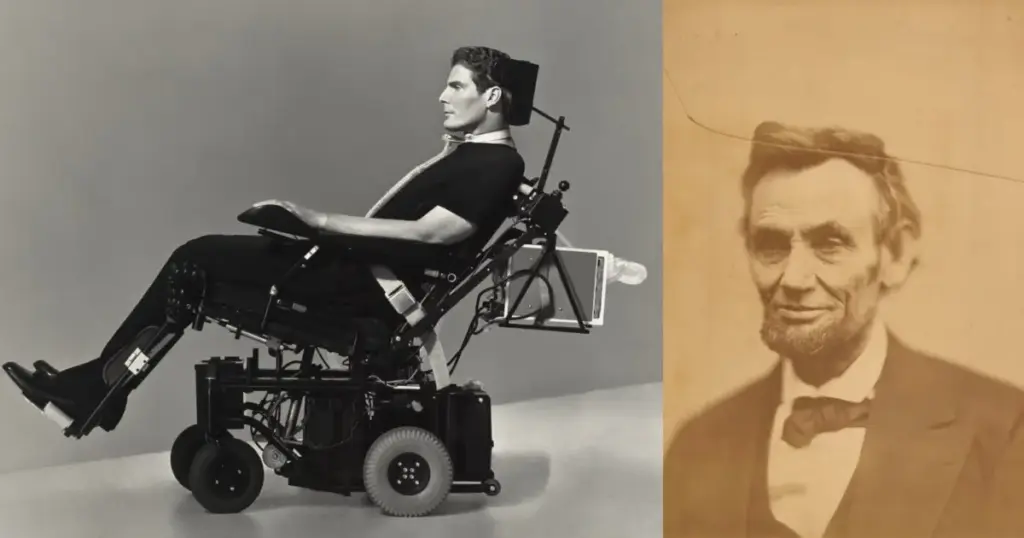
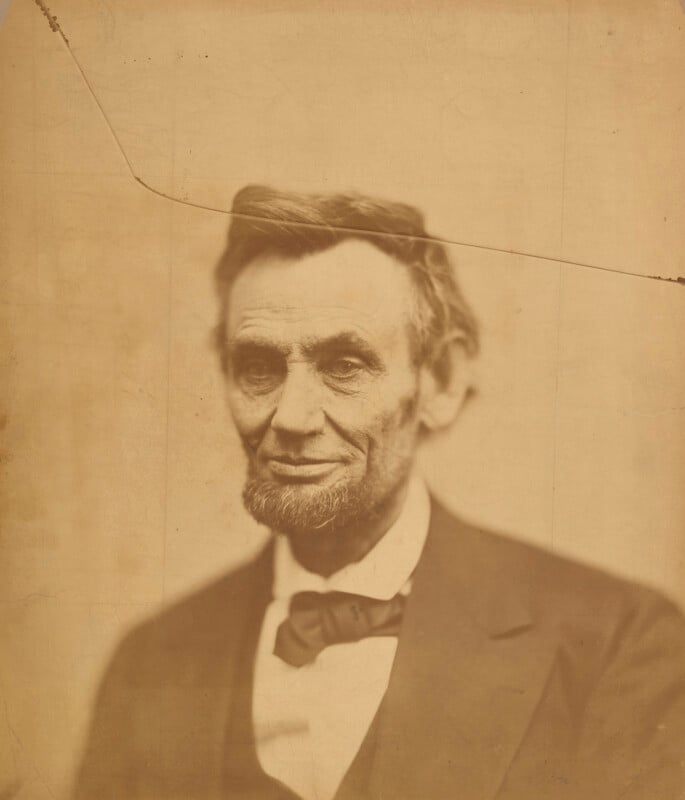
The exhibition’s expansive checklist reads as a roll call of masterworks and historical turning points. Visitors will encounter Alexander Gardner’s famous, original "cracked-plate" portrait of Abraham Lincoln, an iconic 1865 albumen silver print that bears the visible structural scar of a fractured glass negative. The historical breadth of the show is further reinforced by British camera artist Julia Margaret Cameron’s evocative photograph of poet Henry Wadsworth Longfellow, alongside rare cabinet-card photographs of Ida B. Wells-Barnett captured by Sallie E. Garrity and Ko K’un-hua photographed by George K. Warren.
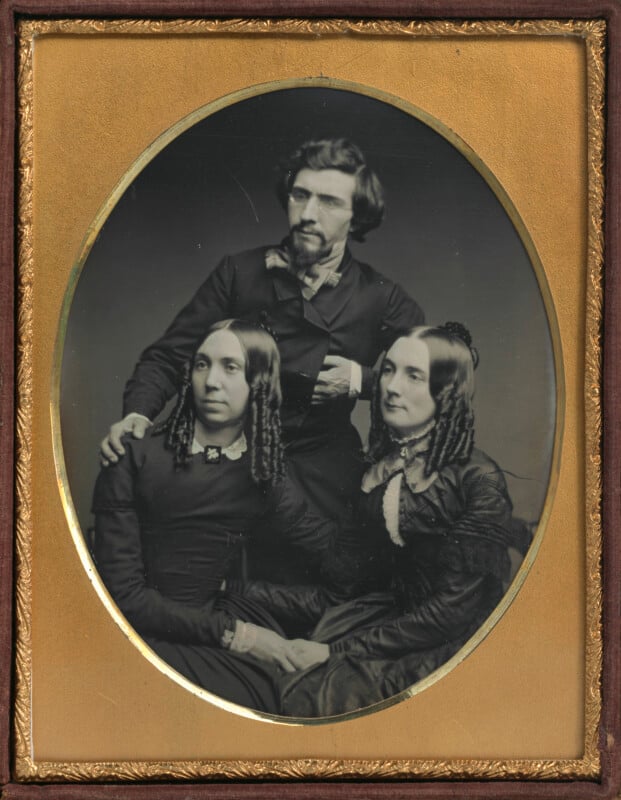
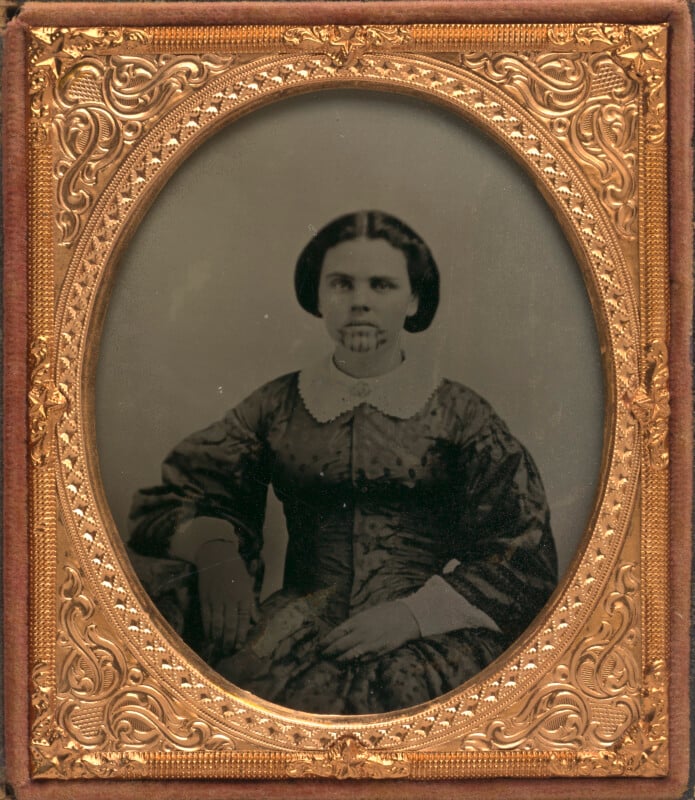
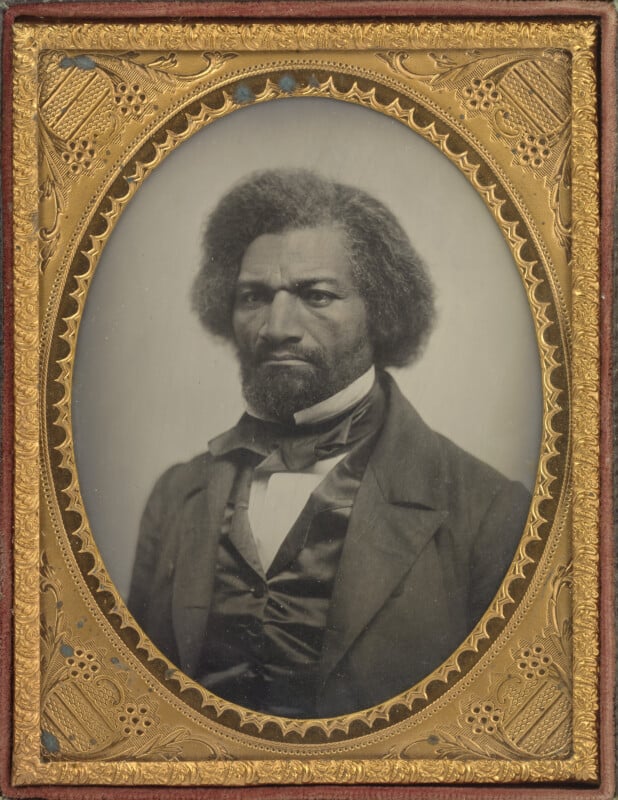
Other notable pieces featured in the chronological layout include an 1856 sixth-plate ambrotype of Olive Oatman by an unidentified artist, featuring her distinctive chin tattoo, and an 1851 quarter-plate daguerreotype by Mathew Brady depicting Juliet “Julia” Brady and Ellen Brady Haggerty. An 1856 quarter-plate ambrotype of Frederick Douglass, purchased with funds from an anonymous donor, will also take a prominent place in the galleries, highlighting the abolitionist’s commanding presence and his deep understanding of photography as a political tool.
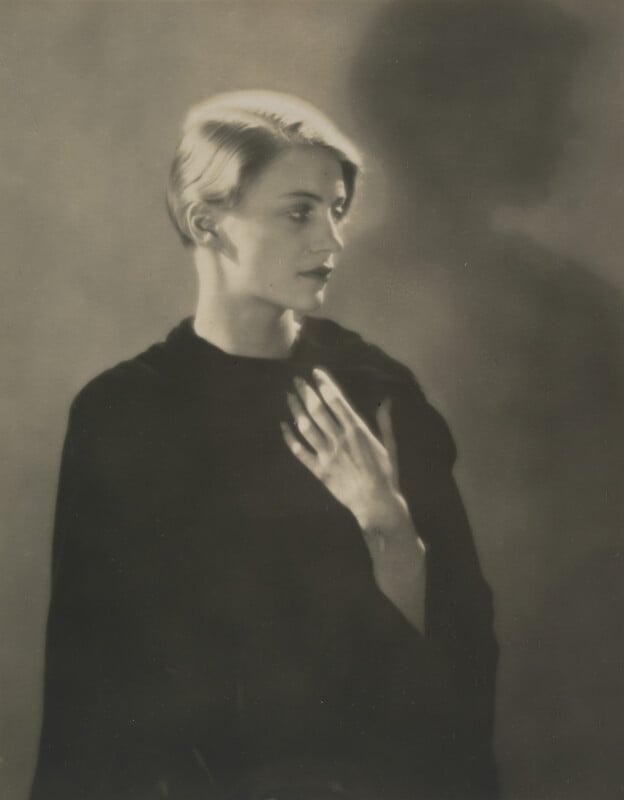
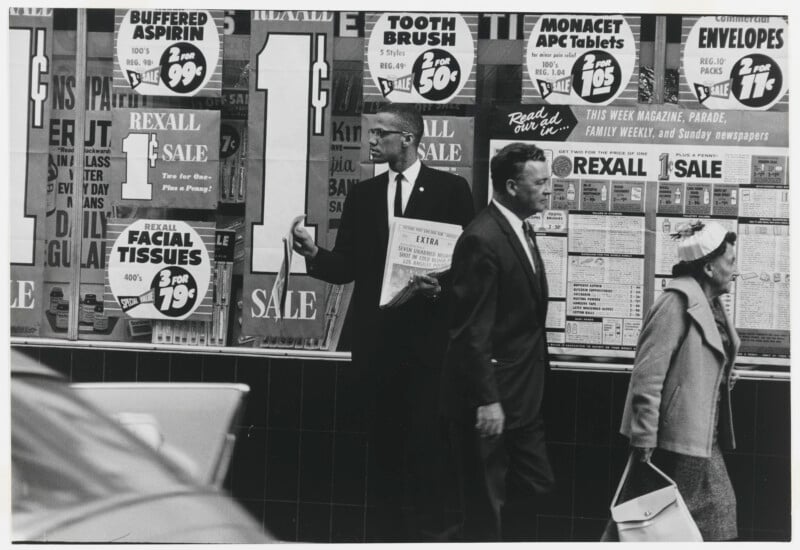
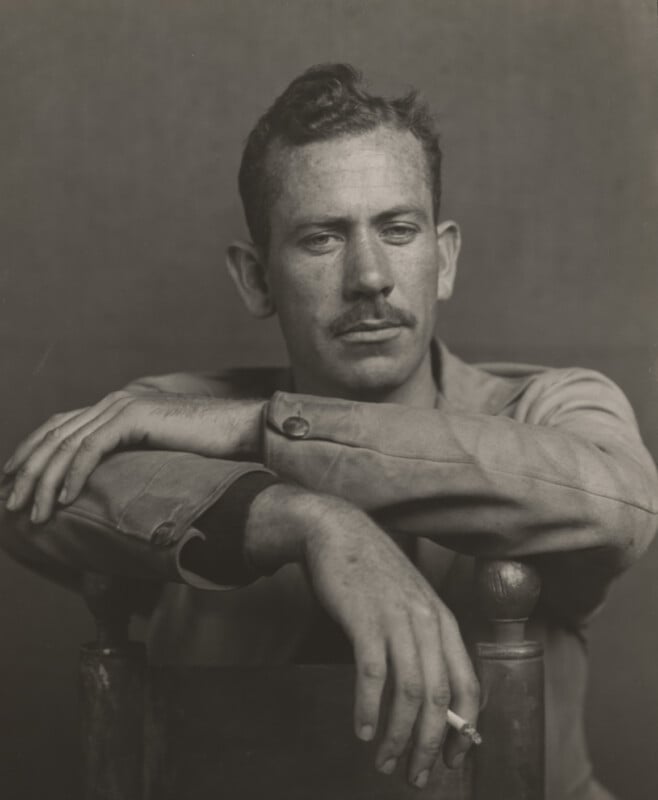
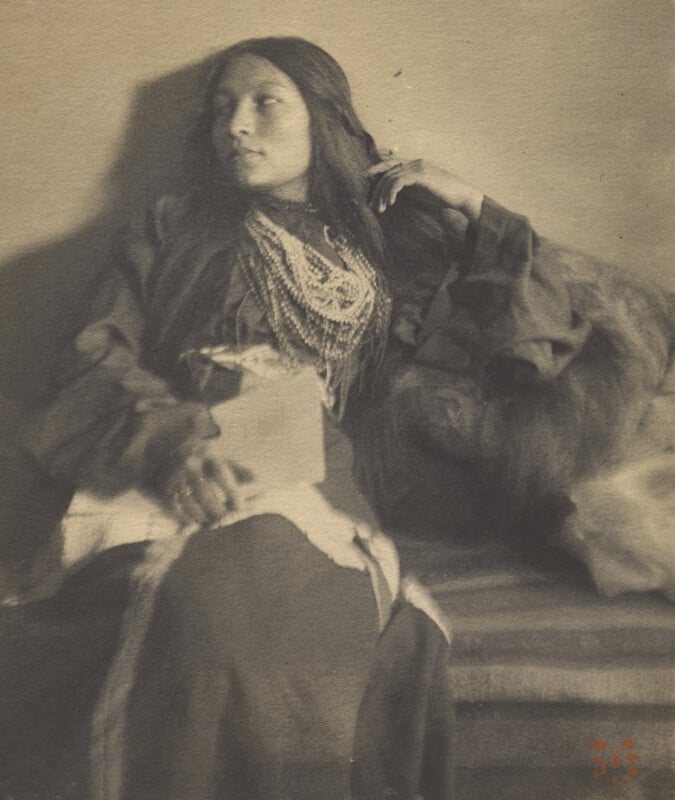
As the exhibition moves through the late 19th and 20th centuries, it highlights works by some of the most influential practitioners in the history of the medium. Viewers will see Joseph T. Keiley’s 1898 glycerine-developed platinum print of Zitkála-šá, José María Mora’s circa 1875 albumen silver print of William "Buffalo Bill" Cody, and Charles Milton Bell’s 1880 albumen print of the Lakota leader Red Cloud. The timeline continues into the golden age of photojournalism and modern portraiture with Sonya Noskowiak’s 1935 gelatin silver print of John Steinbeck, Man Ray’s circa 1930 portrait of Lee Miller, and Gordon Parks’ evocative 1963 photograph of Malcolm X walking past a Rexall store window holding a newspaper detailing a police shooting.
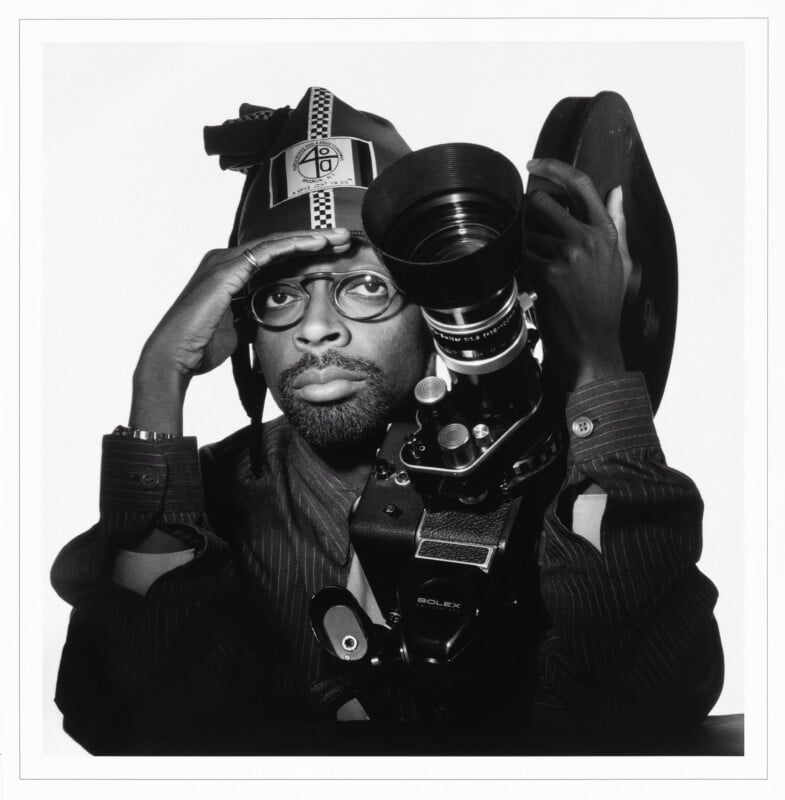
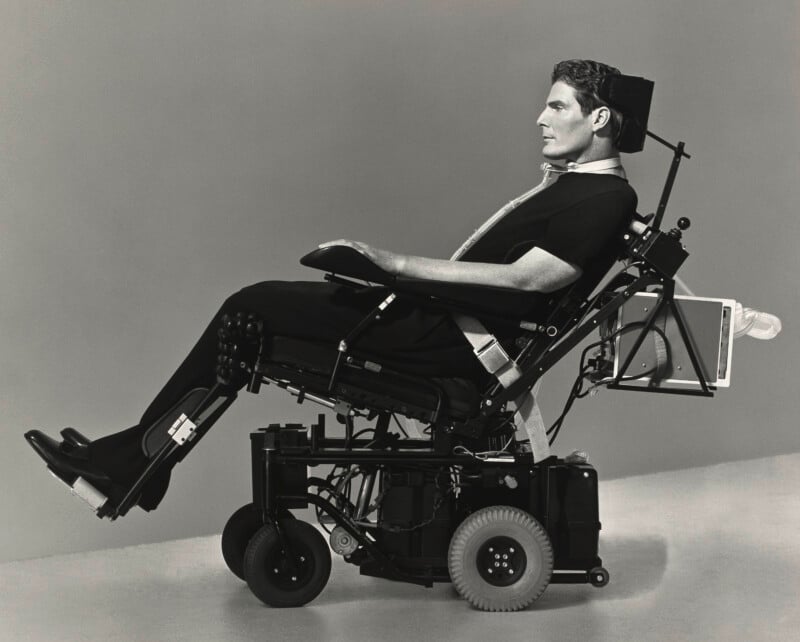
The twentieth-century selections continue with Yousuf Karsh’s 1944 portrait of Eleanor Roosevelt, Genevieve Naylor’s 1957 portrayal of tennis legend Althea Gibson surrounded by children on a city street court, and Philippe Halsman’s dynamic 1954 photograph of Lena Horne captured mid-jump. Herb Ritts Jr.’s poignant 1996 gelatin silver profile print of Christopher Reeve seated in a motorized wheelchair with a ventilator is also included, alongside Jesse Frohman’s 1999 inkjet print of Spike Lee holding a Bolex movie camera.
Throughout the galleries, the exhibition emphasizes the contributions of foundational figures who defined the aesthetic language of photography. Works by Mathew Brady, Alfred Stieglitz, Edward Steichen, Dorothea Lange, Ansel Adams, Gordon Parks, Irving Penn, Richard Avedon, Diane Arbus, and Annie Leibovitz will anchor the later sections of the exhibition, demonstrating how these artists captured the changing face of American society.
By gathering these masterworks, Photographic Memory: Fifty Years of Collecting serves as both a retrospective of the museum’s rigorous acquisition policies and a tribute to a medium that reshaped historical preservation. The exhibition invites viewers to reflect on how fifty years of targeted collecting has allowed the National Portrait Gallery to build a comprehensive mirror of the American experience, one photograph at a time.