


A young woman embarks on an unexpected journey, stepping toward a future filled with as much fear as it holds excitement and possibility. She boards a train destined for a new home perched atop a stormy cliff at the edge of the sea—a windswept, moody location defined entirely by thick fog and a deeply troubled history. She is a governess, and upon her arrival, she will assume the responsibility of teaching and caring for a wealthy, troubled young boy within the confines of an isolated estate.
To many, this premise will immediately sound like it has been pulled straight from the pages of a classic Gothic novel like Charlotte Brontë’s Jane Eyre or Henry James’s The Turn of the Screw. However, this setup actually belongs to Dark Shadows: The Revival, a 1991 NBC prime-time series that compressed the sprawling, long-running original daytime soap opera into a tight, highly stylized 12-episode melodrama. Decades after its brief broadcast, this overlooked television project stands as arguably the best entry point into the expansive supernatural world created by horror icon Dan Curtis, and it is currently available to stream in its entirety for free on YouTube.

What is Dark Shadows about?
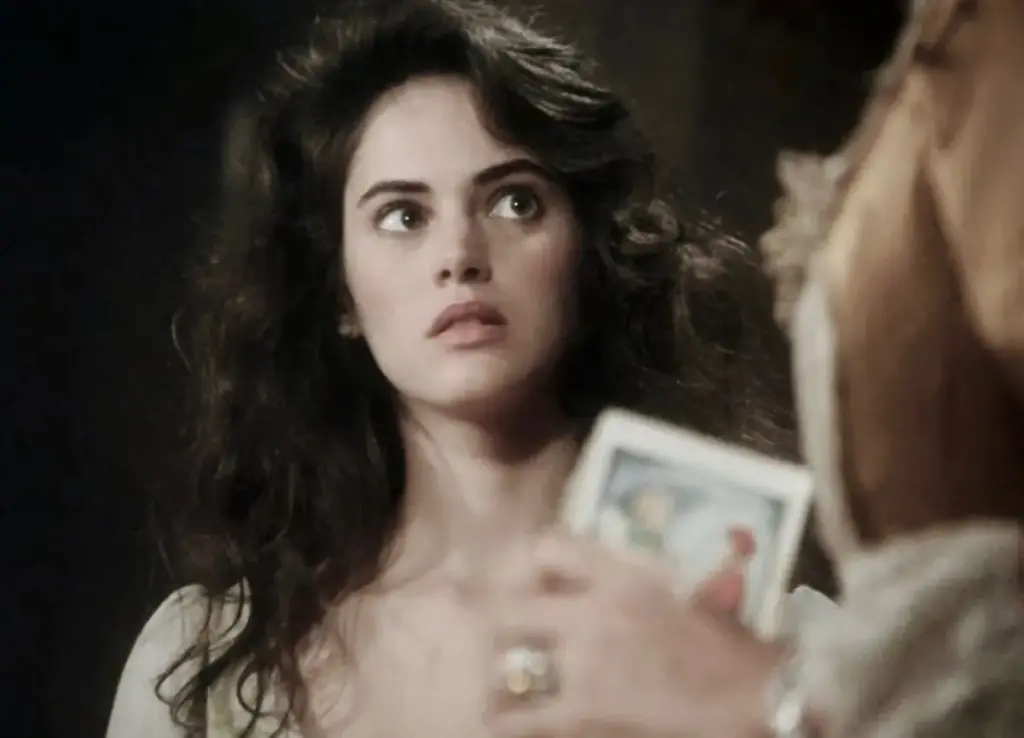
Dark Shadows: The Revival follows Victoria Winters, played by Joanna Going, as a young governess who accepts a position in the moody coastal fishing town of Collinsport, Maine. Upon her arrival, she takes up residence in Collinwood, a sprawling, gothic manor owned by the Collins family, a dynastic lineage whose roots stretch deep into the local history. As Victoria begins to settle into her new professional responsibilities, the mundane tensions of the household quickly give way to the supernatural. Unbeknownst to the family, the estate’s groundskeeper inadvertently awakens a powerful and malevolent creature, casting a dark pall over the property and placing the entire town in grave danger.
At the center of this looming peril is Barnabas Collins, who ranks as one of the most enduring and memorable creations in television history. Originally introduced as a centuries-old vampire, Barnabas quickly became the unexpected focal point of the entire Dark Shadows franchise. Over the decades, the character would go on to anchor various Hollywood adaptations—most notably Tim Burton’s 2012 feature film starring Johnny Depp—as well as numerous novel tie-ins and expanded universe media.
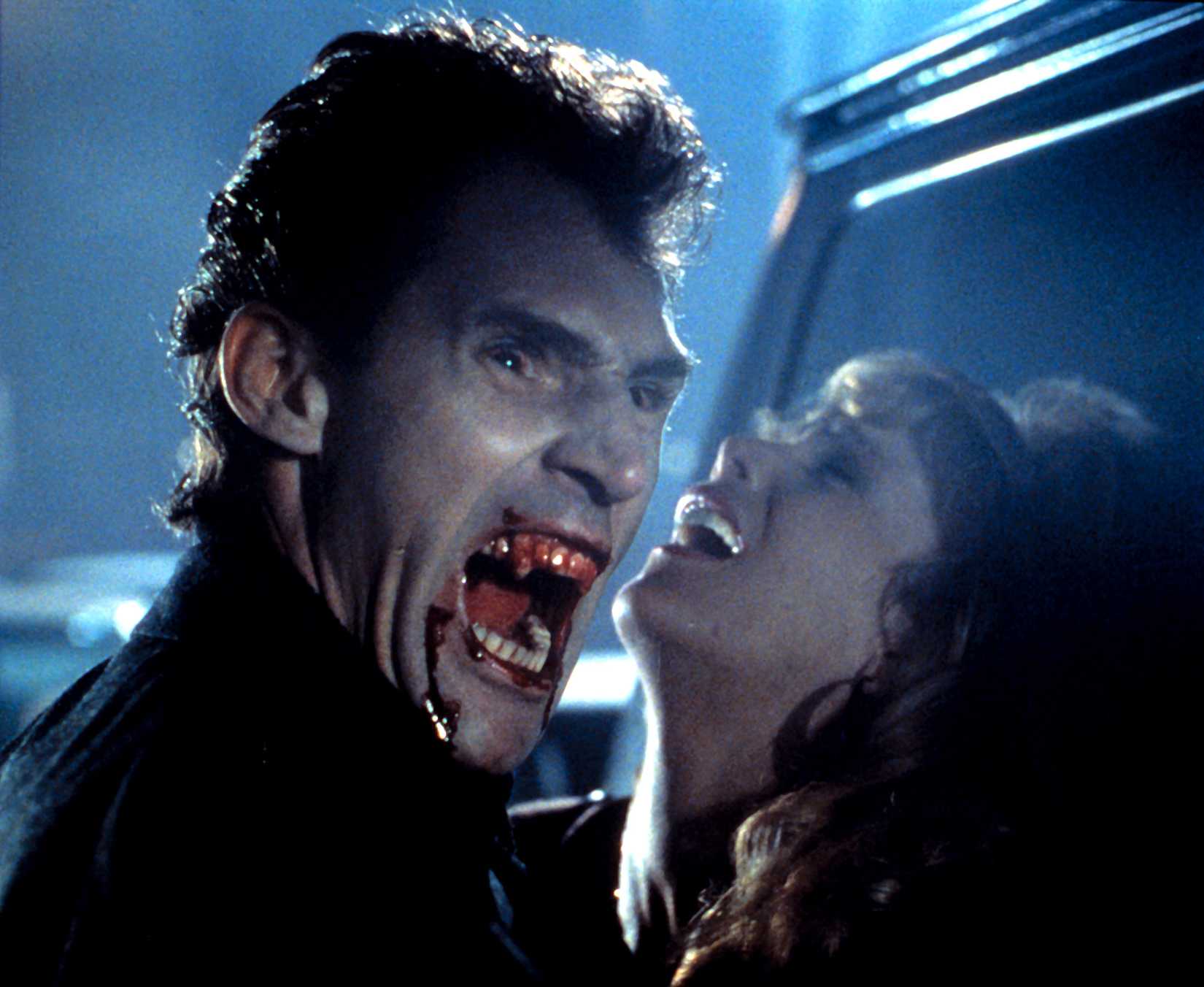
In the 1991 television revival, Barnabas is brought to life by actor Ben Cross. He introduces himself to the unsuspecting Collins family as a mysterious distant cousin hailing from England, successfully securing an invitation to stay at their ancestral manor while simultaneously stalking the dark streets of Collinsport at night in search of new victims. Along the way, he develops a dark, consuming fixation on Victoria, who finds herself magnetically drawn to him despite mounting evidence of the terrible danger he represents.

The original Dark Shadows daytime soap opera played a foundational role in shaping how horror and the supernatural are depicted on television today. It effectively pioneered the concept of daytime horror, introducing audiences to complex, morally ambiguous supernatural creatures long before such tropes became mainstream television staples. Still, because it aired half-hour episodes every single weekday and ultimately ran for six seasons, the original series inevitably relied heavily on the narrative filler and stretched-out pacing that soap operas of that era were infamous for. Notably, the iconic iteration of Barnabas from the 1960s was only introduced nearly a year into the show’s run as a desperate, last-ditch effort by creators to boost lagging viewership and keep the struggling soap opera afloat. In stark contrast, his 1990s television counterpart is shown biting local residents before the first commercial break of the very first episode.
"The essential characters and relationships are the same, but the things they do are different," series creator Dan Curtis told The New York Times in a 1991 interview discussing the prime-time revival. "I thought I could rely on those old scripts, but I found that they were full of crazy plots that we couldn’t use. So all the incidents are different; we arrive at similar points through a much different route."
Furthermore, Dark Shadows: The Revival benefited immensely from a prestige cast that was significantly more star-studded than the ensemble of the original daytime broadcast. Ben Cross, who had previously earned international acclaim starring in the Academy Award-winning historical drama Chariots of Fire, delivered a performance as Barnabas that blended romantic charm with chilling cruelty, crafting a much more genuinely frightening vampire than what was typically permitted on television screens in the early 1990s.
The production also featured Barbara Steele, a celebrated icon of international horror cinema known for her work in classic chiller films like Black Sunday and Castle of Blood. Steele portrayed Dr. Julia Hoffman, a delightfully scheming physician who falls under Barnabas’s spell while simultaneously seeking to develop a scientific cure for his vampirism. Jean Simmons, a legendary star of Hollywood studio classics such as Spartacus and Guys and Dolls, stepped into the role of Elizabeth Collins Stoddard, the strong-willed, protective matriarch of the Collins family dynasty. Rounding out the cast was a very young Joseph Gordon-Levitt, who appeared as David Collins, Victoria’s deeply troubled young charge, long before his transition into a major Hollywood leading man.
Blood, witchcraft, and time travel
True to the traditions of its predecessor, Dark Shadows: The Revival runs the absolute gamut of classic Gothic romance and traditional vampire folklore, all filtered through the heightened dramatic conventions of a serialized television drama. The most ambitious narrative swing the revival takes is the integration of time travel. The plot follows Victoria as she is unwillingly and mysteriously hurled back in time to the year 1790 during an intense séance held at the estate.
It is within this historical setting that the narrative unspools the tragic origins of Barnabas’s cursed existence, exploring his deep romance with Josette—a doomed woman whom Victoria may or may not be the direct reincarnation of, leaning heavily into classic soap opera tropes—and the bitter witch’s curse that ultimately transformed him into a creature of the night. This storyline stands as one of the most famous and celebrated arcs from the original daytime soap opera, with the prime-time revival expertly compressing roughly 100 sprawling broadcast episodes into a brisk six-episode television event.
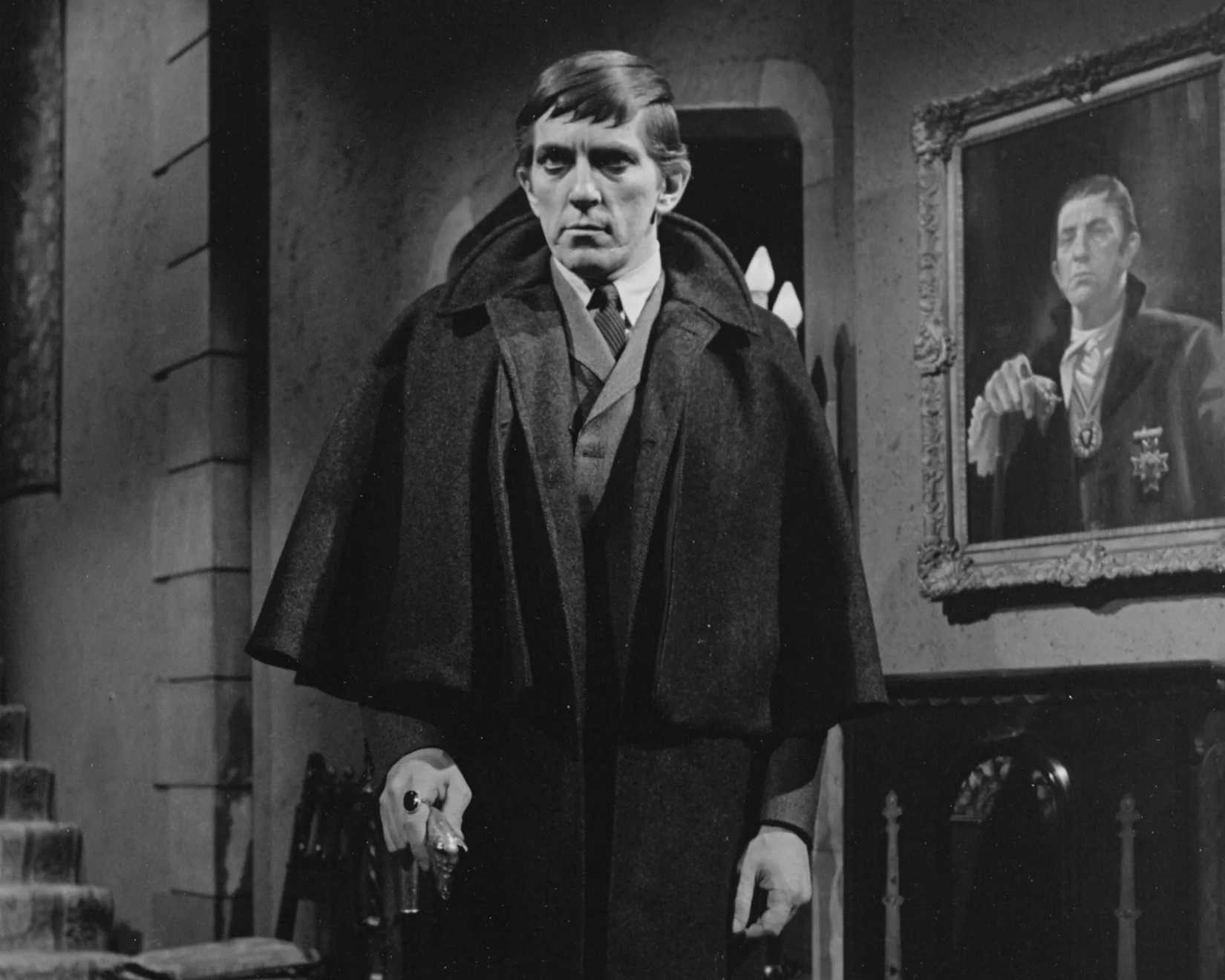
Despite its high production values and strong creative vision, Dark Shadows: The Revival suffered an untimely demise, facing cancellation in the immediate wake of the Gulf War. Relentless, breaking news coverage frequently disrupted the network’s broadcast schedule, heavily impacting viewer retention and ratings. Consequently, while the series ultimately concluded its run on an unresolved cliffhanger, it did manage to successfully wrap up its primary protagonist’s core emotional arc. By the final episode, Victoria makes her way back to the shadowy halls of Collinwood, fundamentally altered by her harrowing experiences and unrecognizable from the wide-eyed, innocent girl first seen arriving on a steam train in the pilot.
Ultimately, the short-lived revival successfully guides Victoria through the archetypal journey of the classic Gothic heroine, transforming her from a naive governess into the singular person within the manor who truly understands its deepest, darkest secrets. Back in the 1960s, Dan Curtis required hundreds of daytime broadcast episodes to gradually discover the definitive voice and tone of his creation while constantly fighting against the rigid broadcast standards and genre conventions of that era. Three decades later, the prime-time landscape allowed Curtis to realize his creative ambitions in a single, focused season of television that, despite its premature cancellation, left an indelible mark on gothic television history.