

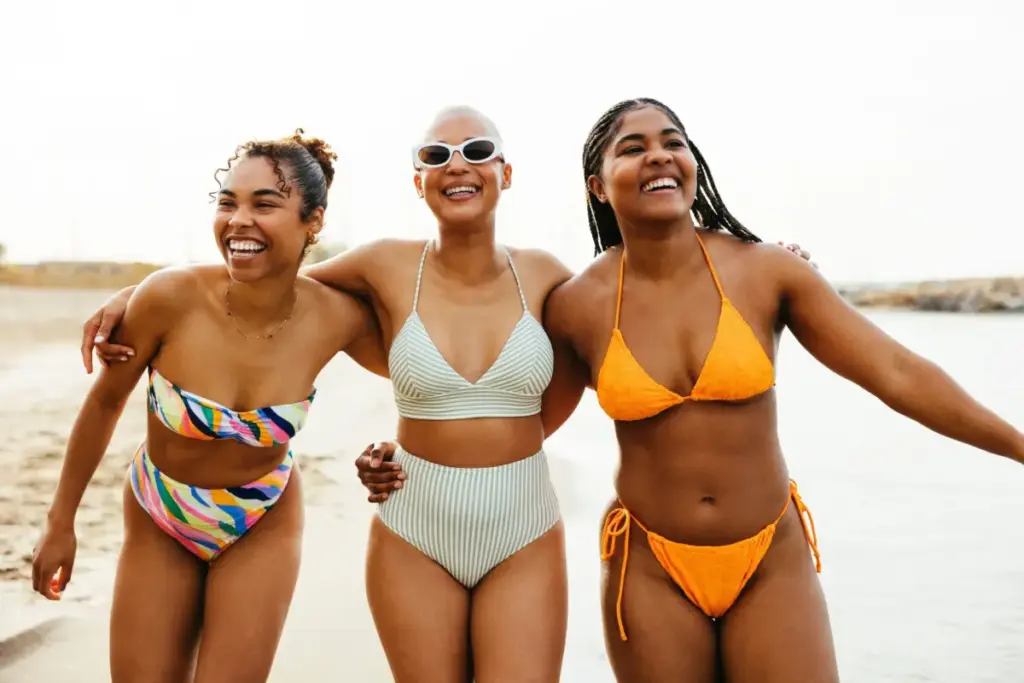
As the speedboat bounced across the turquoise waves, skipping toward a sun-drenched vacation destination, an attempt to capture a scenic selfie revealed an inescapable reality. The viewfinder was consistently crowded with kissing couples, honeymooners taking romantic strolls, and pairs celebrating traditional milestones. Aside from the boat operators, the passengers on board were exclusively part of a trio of single girlfriends heading to Anguilla for what has been coined a "we-moon."
For generations, society has reserved major milestone vacations for traditional romantic trajectories. There are honeymoons to celebrate the start of a marriage and babymoons to mark the impending arrival of a child. Yet, questions frequently linger around when single individuals—particularly single women—are afforded the space to celebrate significant life achievements, personal milestones, and the profound desire for adventure and companionship on their own terms. This gap in cultural traditions is precisely what inspired the concept of the we-moon.
The recent excursion to the Four Seasons Resort and Residences Anguilla brought together a group of three girlfriends to challenge this norm. The motivation for the trip was distinct: the celebration of a major professional milestone, specifically the publication of a first book. While single women travel frequently to celebrate others through bachelorette parties, destination weddings, and baby showers, they rarely coordinate group trips dedicated to honoring personal milestones that fall outside the conventional societal timeline.
A we-moon represents a conscious choice to make the phone call, rally friends, and curate a travel experience centered around an individual achievement, such as a professional promotion, a new job completion, the acquisition of a master’s degree, or a major literary book deal. It shifts the paradigm of group travel from supporting another person’s milestone to honoring one’s own accomplishments within the embrace of trusted friendship.
However, planning a destination celebration of this magnitude requires careful consideration to ensure the experience remains harmonious and memorable. Organizing a group trip without sliding into interpersonal friction involves thoughtful preparation, a dynamic that Dr. Joy Harden Bradford, author of Sisterhood Heals, emphasizes when discussing how to pull off a successful destination celebration.

Book separate rooms.
While honeymoons and babymoons are explicitly designed to maximize continuous, uninterrupted time together for a romantic couple, a we-moon requires a delicate and intentional balance between shared group experiences and necessary solitude. To achieve this equilibrium, Dr. Bradford recommends securing separate rooms or private sleeping quarters whenever the travel budget allows.
During the stay in Anguilla, the group utilized a villa rental where every traveler had a private bedroom and dedicated bathroom. This arrangement proved ideal for accommodating different daily rhythms. Early risers could quietly read books on their private balconies at dawn, while late sleepers could comfortably linger in bed and order room service without disrupting the group. Choosing accommodations such as the Four Seasons Villa and Residence Rentals offered the distinct advantage of personal residential privacy combined with access to high-end hotel amenities and personalized services. According to Dr. Bradford, establishing these boundaries ahead of time prevents friction over living habits and personal space.
Having a physical place where everyone can retreat and secure alone time is recognized as a vital component for group travel harmony. Dr. Bradford points out that having early conversations about accommodations and financial expectations is critical. Discrepancies regarding lodging preferences—such as whether a group wants a five-star luxury resort experience or a more modest hotel used strictly for sleeping—are details that should be ironed out long before arrival to prevent unpleasant surprises.
Schedule alone time.
Another essential topic for pre-trip discussions involves determining the volume and frequency of group excursions. Group travel often carries heavy expectations because individuals lead demanding daily lives, viewing a rare vacation as a crucial escape. When people place an immense amount of pressure on a single getaway to fulfill all their relaxation and social needs, scheduling conflicts can easily arise.
Travel styles naturally vary, and overplanned itineraries frequently leave travelers more exhausted upon returning home than when they departed. Establishing a flexible itinerary where a significant portion of activities remains optional helps mitigate travel fatigue. For instance, while planning the Anguilla trip with a villa concierge, the group mapped out various activities, including a private poolside yoga session. When it came time for the class, some members preferred to rest, allowing another traveler to transition into a personalized one-on-one session that addressed specific physical pain points and modifications.
Meanwhile, structured group activities were deliberately balanced with downtime, featuring shared experiences like an afternoon at the spa for island-themed massages and a Jeep excursion across the island to explore alternative beaches. Acknowledging that sometimes the best vacation activity is simply taking a nap remains a cornerstone of a successful we-moon.

Plan new experiences.
Integrating novel activities into the itinerary fosters shared memories and encourages lighthearted bonding. During the Anguilla getaway, the trio participated in a margarita-making class, gathering at the villa bar to learn the precise mechanics of measuring and shaking lime juice, orange liqueur, and tequila. While scientific research often highlights the cognitive benefits of acquiring new skills for brain health, the social experiment of trying something new together creates an environment where failure is met with shared laughter rather than frustration.
Whether the chosen activity involves learning a new sport like pickleball, attending a local cooking class, or engaging in board games by the beach, breaking away from familiar routines provides a fresh perspective and strengthens interpersonal bonds.
Make room for deep conversation.
Meaningful dialogue is a cornerstone of any memorable getaway with close friends, but achieving the right atmosphere for vulnerability requires intentional planning. Noisy restaurant environments or relaxing spa appointments are rarely conducive to deep reflections on recent breakups or personal struggles. Away from the distractions of daily routines, however, a vacation provides a unique backdrop for meaningful vulnerability.
According to Dr. Bradford, cultivating closer relationships requires diving deeper through vulnerability, which many people find challenging. Creating a dedicated environment where friends can comfortably open up is essential. On this particular trip, the mood was set by planning an evening in the villa’s private jacuzzi tub, watching the sunset over the water while sharing a bottle of wine. That quiet, relaxed atmosphere served as the ideal setting to process work-related challenges and dating hurdles as a peaceful nightcap to the day.