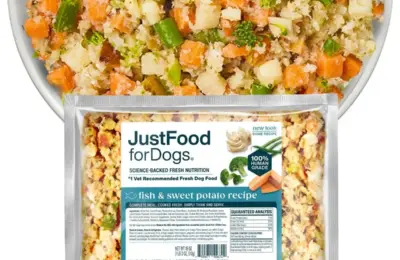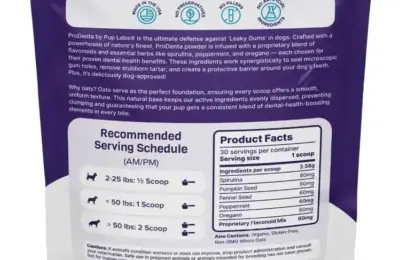



As pet owners increasingly turn toward alternative feeding formats, dehydrated dog food has emerged as a prominent choice for those seeking the nutritional benefits of minimally processed whole foods with the convenience of shelf-stable storage. Among the pioneers in this space, The Honest Kitchen has established a diverse portfolio of dehydrated recipes, base mixes, toppers, and broths. However, veterinary nutritionists and industry experts emphasize that the success of these diets relies heavily on correct preparation.
While the fundamental routine of preparing dehydrated pet food appears straightforward—measuring the dry product, adding warm water, stirring, waiting, and serving—the process requires a level of precision that varies significantly across product lines. Because different formulas serve distinct nutritional purposes, there is no universal food-to-water ratio. Understanding how to navigate these product-specific requirements is essential to ensuring a dog receives both the intended caloric intake and the correct balance of nutrients.
Understanding the Portfolio: Distinct Roles and Preparation Risks
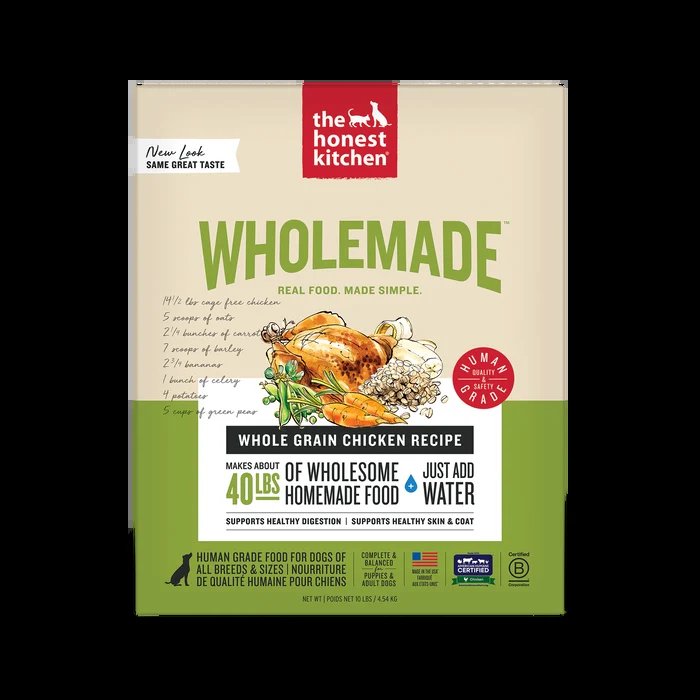
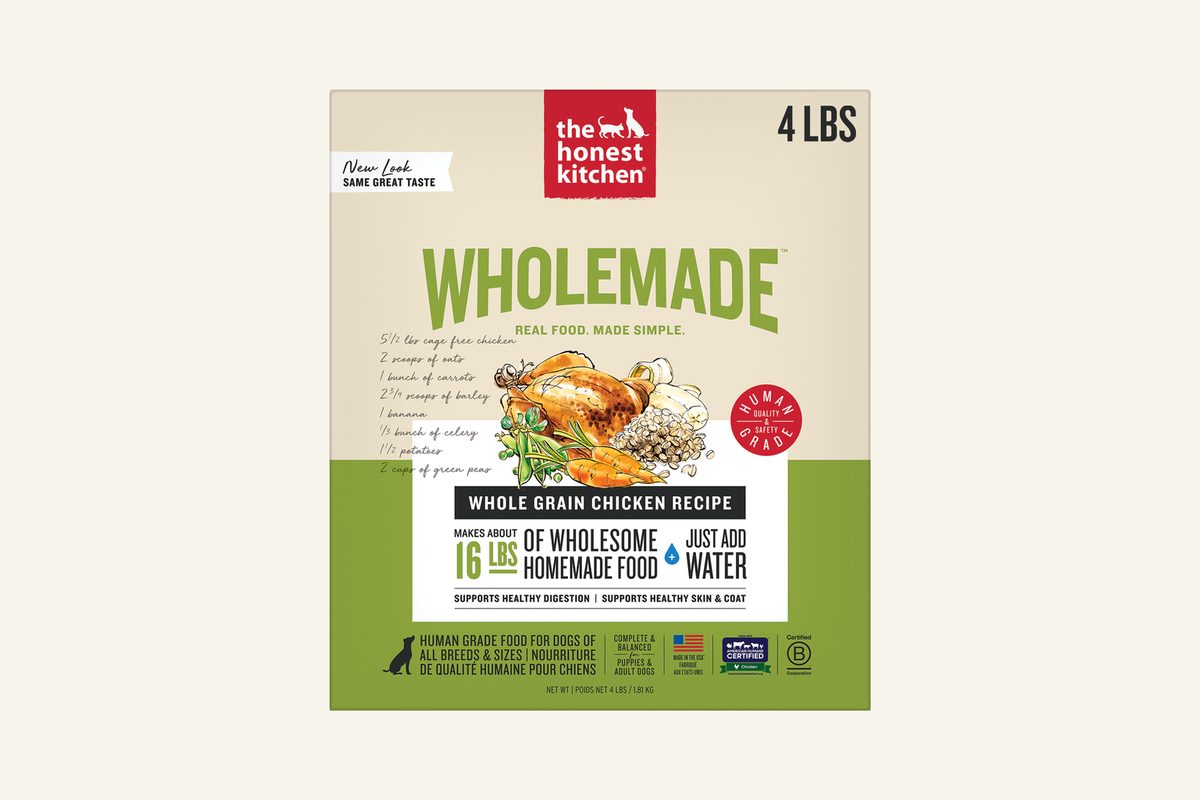
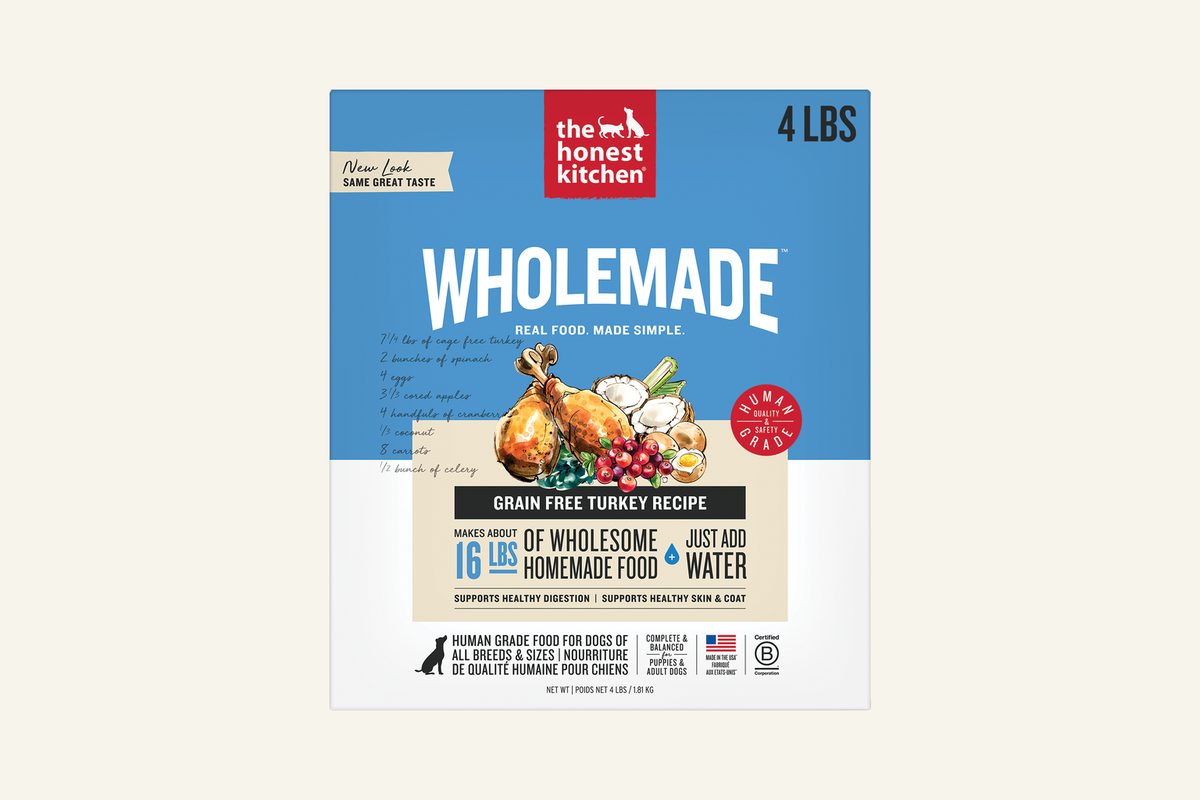
To prepare these meals correctly, pet owners must first identify the exact category of the product they are holding. The Honest Kitchen offers several distinct food formats, each designed for a specific role in a dog’s daily diet. A complete dehydrated recipe, such as the Wholemade Whole Grain Chicken or Grain Free Turkey, is formulated to provide complete and balanced daily nutrition on its own, provided its nutritional adequacy statement matches the dog’s current life stage.
In contrast, a base mix is not a complete meal. It is designed as a foundation that requires the addition of fresh proteins or other specific ingredients outlined on the label. Serving a dry base mix alone, or failing to add the required fresh ingredients in the correct proportions, can lead to severe nutritional deficiencies over time.
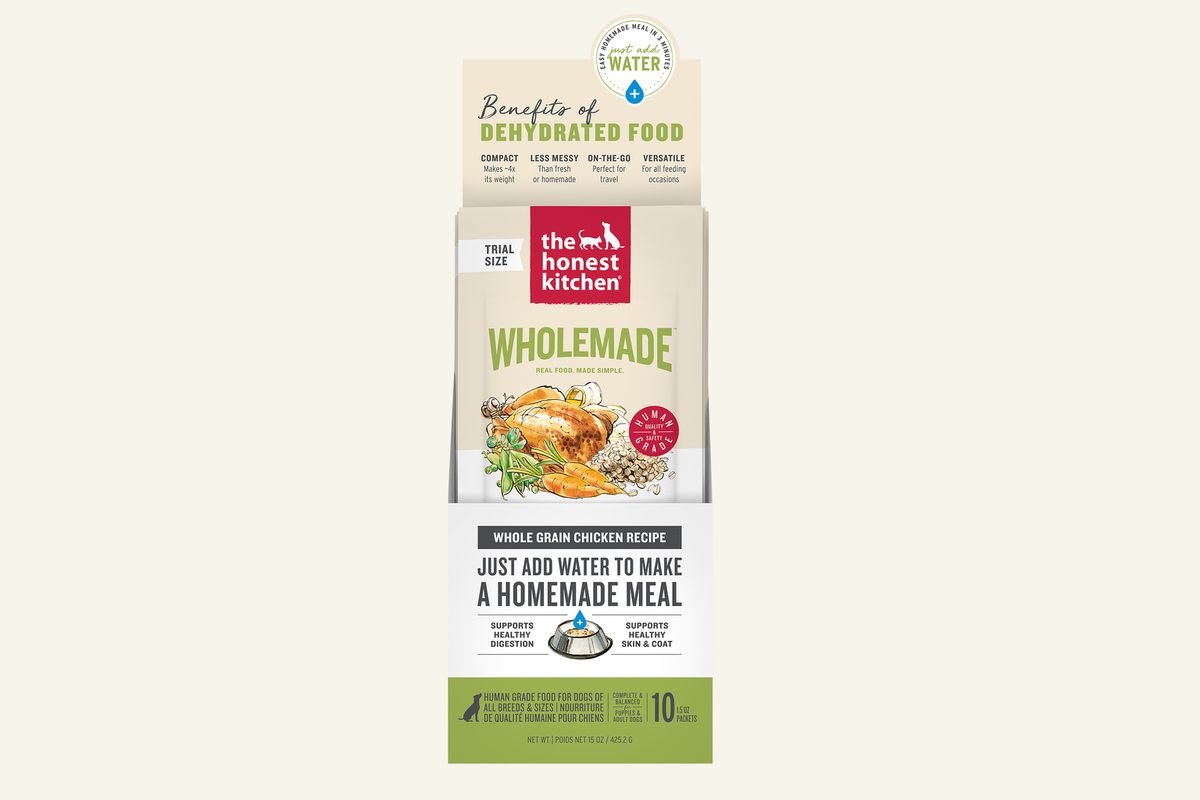
Toppers and broths represent a third category, intended purely as supplemental additions to enhance flavor, texture, or moisture in an existing complete diet. Introducing a topper without adjusting the calories of the primary food can lead to gradual weight gain, while substituting a broth or supplement for a complete meal entirely deprives the dog of essential daily nutrients. Because of these fundamental differences in density, ingredient composition, and nutritional design, applying a single remembered ratio across different product lines is one of the most common preparation errors.
The Mechanics of Measurement: Why Packaging Overrides Memory
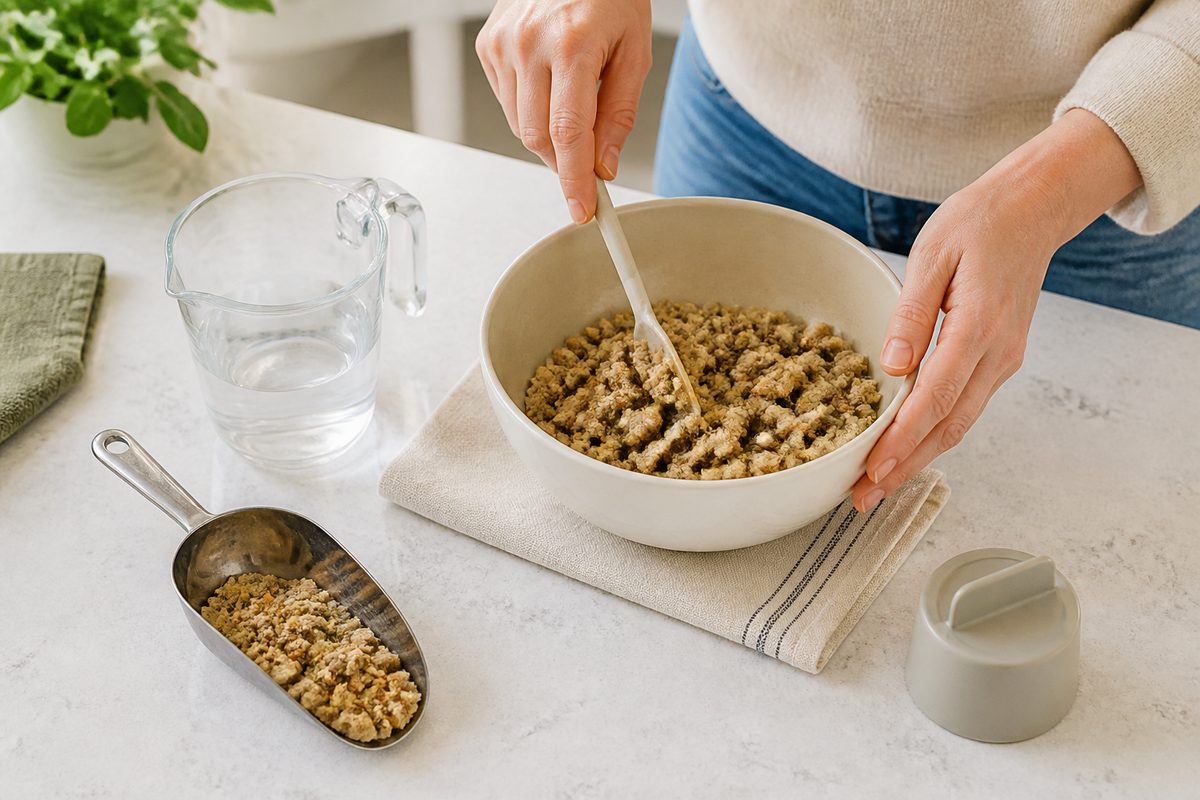
The first active step in preparation is accurate dry measurement. Because dehydrated ingredients are highly concentrated, small variances in the dry portion can lead to significant differences in the final caloric and nutritional delivery. Veterinary experts advise against using inconsistent scoops or "eyeballing" portions. Instead, owners should use a standard, level dry measuring cup.

A common pitfall is relying on remembered ratios from previous bags, online reviews, or social media posts. Manufacturers occasionally update their formulas, ingredient densities, or serving guidelines, meaning that the printed instructions on the physical packaging in hand should always serve as the definitive recipe. If a package becomes damaged or the feeding chart is unreadable, owners should verify the current guidelines directly through the manufacturer’s official product pages rather than guessing.
To ensure consistency, especially in multi-person households, creating a simple, written record of the exact dry food and warm water measurements for the current formula can prevent preparation mistakes. This record should be updated whenever a new recipe or a revised package is introduced to the home. Tracking these numbers is also vital for weight management; if a dog’s weight fluctuates, any adjustment should be made to the dry, calorie-dense portion of the food under veterinary guidance, rather than simply altering the water volume, which changes the texture but does not affect the caloric load.
The Role of Hydration: Water Temperature and the Three-Minute Rule
Once the dry food is accurately measured, the addition of water initiates the hydration process. Using warm water is highly recommended by the manufacturer. Warm water effectively penetrates the dehydrated cell walls of the ingredients, unlocking aromas and encouraging rapid, even hydration.
Conversely, boiling or extremely hot water should be avoided, as it presents a burn risk to the dog and can potentially degrade heat-sensitive nutrients. Cold water, while safe, is often less effective at fully reconstituting the ingredients within the desired timeframe, potentially leaving the meal unevenly hydrated or unappealingly cool.
After adding the directed amount of warm water, a thorough stir is required to break up dry pockets and ensure the liquid is evenly distributed throughout the bowl, particularly along the bottom and sides. The mixture must then sit undisturbed for approximately three minutes. This waiting period is not merely a convenience; it is a critical phase of the preparation process. It allows the dehydrated ingredients to absorb the moisture fully, settling into a soft, digestible texture that is gentle on the canine digestive tract. Serving the food too quickly, before hydration is complete, can result in an inconsistent texture that some dogs may reject.
Navigating the Transition: A Framework for Digestive Adaptation
Introducing a dehydrated diet requires a gradual transition period, typically spanning seven to ten days. Because dehydrated foods are nutrient-dense and differ significantly in texture and moisture content from traditional kibble or canned diets, a dog’s digestive system needs time to adapt.
During the initial days of the transition, the meal should consist primarily of the dog’s former food, accompanied by a small, properly prepared portion of the new dehydrated formula. Over the middle portion of the transition, owners can gradually increase the proportion of the dehydrated food while systematically decreasing the old diet, closely monitoring the dog for signs of digestive comfort, stable appetite, and consistent stool quality.
By the final days of the transition, the dog can move completely to the new diet if no issues have arisen. If at any point during this period the dog exhibits signs of distress, such as persistent diarrhea, repeated vomiting, abdominal discomfort, or a refusal to eat, the transition should be paused, and a veterinarian should be consulted. Keeping other dietary variables, such as treats and supplements, constant during this transition makes it much easier to identify the source of any digestive upset.
Troubleshooting Texture, Temperature, and Household Routines
Even with careful preparation, owners may occasionally encounter texture variations. If a prepared meal appears too thick, verifying the accuracy of both the dry and liquid measurements is the first step. If the measurements were correct, a small, label-supported adjustment of warm water can be stirred in. If the meal appears too thin, it is crucial to wait the full three minutes before making adjustments, and owners should avoid adding unmeasured dry food, as this quietly increases the caloric content of the meal.
For households with multiple pets, establishing a structured preparation routine is essential. Preparing and labeling one bowl at a time prevents accidental mix-ups, particularly if different dogs are on different recipes or therapeutic diets. Keeping the dry food package sealed and stored in a cool, dry place protects the ingredients from moisture and pests. According to food safety guidelines, any prepared dehydrated food that is not served immediately can be stored in a covered container in the refrigerator for up to three to four days. Any food left at room temperature for an extended period, or showing signs of spoilage, should be discarded.
Mixed Feeding and Caloric Management
When incorporating dehydrated food as a topper or in a mixed feeding regimen alongside kibble, owners must practice careful caloric math. Because hydrated food occupies a larger volume in the bowl, it is easy to misjudge the actual nutrient density. Adding a prepared topper without reducing the dog’s primary food portion can lead to overfeeding and subsequent weight gain.
The World Small Animal Veterinary Association (WSAVA) emphasizes the importance of evaluating the total daily caloric intake of pets, recommending that treats and supplemental toppers make up no more than ten percent of a dog’s total daily calories unless the diet is specifically formulated and balanced for mixed feeding. Owners should determine the exact caloric contribution of both the primary diet and the dehydrated topper, adjusting the portions accordingly to maintain a healthy body condition.
Ultimately, preparing dehydrated dog food successfully relies on separating a consistent preparation routine from product-specific instructions. By treating the product label as an exact recipe, utilizing precise measurements, and allowing the proper time for hydration, pet owners can ensure their dogs receive the full nutritional and palatability benefits of these advanced formulas. When individual health conditions or unique dietary needs complicate the feeding plan, consulting with a veterinary professional remains the safest path forward.