


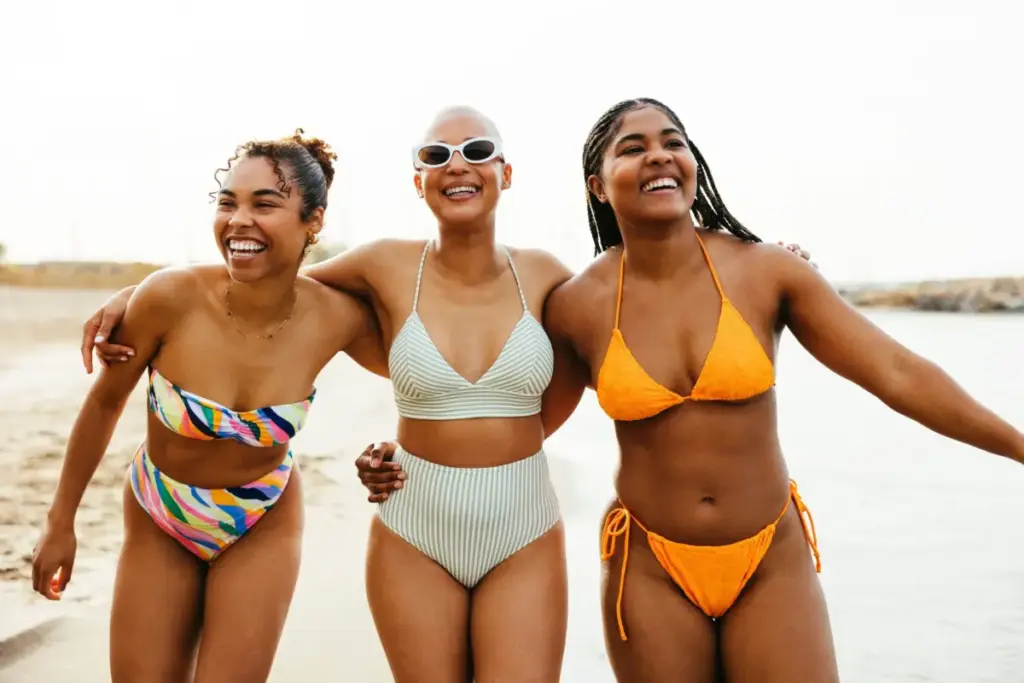
As a speedboat bounces across the turquoise waves toward an island getaway, the pursuit of a scenic vacation selfie often reveals a common travel reality. The landscape is frequently framed by honeymooning couples holding hands, booking sunset dinners, and crowding the viewfinder. For solo travelers or groups of single friends, navigating destinations historically marketed exclusively to romantic pairs can feel like an exercise in dodging romance.
Yet a growing cultural shift is challenging the notion that major life milestones, luxurious vacations, and celebratory getaways must be reserved for weddings, anniversaries, and babymoons. Enter the "we-moon"—a term coined for trips where single women gather to celebrate their own achievements, life milestones, and personal journeys.
Recently, this concept took shape during a trip to the Four Seasons Resort and Residences Anguilla, where three single girlfriends gathered for a customized getaway. While society readily celebrates bachelorette parties, bridal showers, and baby celebrations, personal victories that fall outside the traditional life timeline—such as launching a business, earning a master’s degree, getting a promotion, or publishing a first book—are rarely given the destination treatment. The we-moon seeks to change that dynamic by encouraging friends to rally around an individual’s personal and professional triumphs.
Planning a successful destination celebration with friends requires intention, boundary-setting, and open communication to ensure the trip remains harmonious and restorative. Experts note that group dynamics can shift significantly when expectations collide, making proactive planning essential.

Book separate rooms.
While romantic getaways like honeymoons typically emphasize spending every waking moment side-by-side, a successful we-moon relies on a delicate balance between communal bonding and independent downtime. According to Dr. Joy Harden Bradford, author of Sisterhood Heals, securing separate living quarters—if the budget allows—can dramatically improve the group dynamic.
During the Anguilla excursion, the group stayed within a villa rental that provided individual bedrooms and private bathrooms. This layout accommodated varying daily rhythms effortlessly. Early risers could enjoy a quiet book on their private balcony at dawn, while late sleepers could rest undisturbed and order morning room service. Utilizing properties such as the Four Seasons Villa and Residence Rentals allows travelers to enjoy the privacy of a personal home while retaining access to luxury hotel amenities and personalized concierge services.
Dr. Bradford emphasizes the importance of establishing these living preferences well in advance. Having a private space to retreat to prevents friction, as does aligning on budget expectations before booking. Disagreements over accommodations—such as whether a five-star luxury property is necessary or if a simpler lodging option would suffice—can quickly create tension if left unspoken until arrival.
Schedule alone time.
Another critical conversation to have prior to departure involves outlining group itineraries and balancing scheduled activities with unstructured downtime. Dr. Bradford points out that everyday life often carries heavy demands, leading travelers to place immense pressure on vacations to serve as an all-encompassing remedy for burnout.
Because vacation styles vary widely among friends, overplanned itineraries can frequently leave travelers more exhausted upon returning home than when they left. To mitigate this, groups should discuss desired activities collaboratively, ensuring that participation in excursions remains optional. During the Anguilla trip, an itinerary was mapped out alongside a villa concierge, but individual flexibility was prioritized. When a private poolside yoga session was scheduled, some members opted to rest instead, allowing another traveler to enjoy a personalized, one-on-one session tailored to individual mobility needs and physical comfort.

Shared experiences still anchored the trip, including an afternoon of Anguilla-themed massages at the spa and an island-wide Jeep excursion to explore hidden beaches. Balancing these group activities with permission to simply rest and take a nap ensures that every traveler’s personal needs are met.
Plan new experiences.
Shared novelty can also serve as a powerful bonding tool during milestone trips. The group in Anguilla incorporated a margarita-making class into their itinerary, gathering at the villa bar to learn the fundamentals of measuring and shaking lime juice, orange liqueur, and tequila.
Engaging in unfamiliar activities offers distinct cognitive benefits, with research indicating that picking up new skills supports overall brain health. Whether participating in a cooking class, learning a new sport like pickleball, or playing board games by the beach, tackling novel experiences together creates a low-stakes environment where friends can laugh through missteps and share lighthearted memories.
Make room for deep conversation.
Meaningful conversation remains a cornerstone of any memorable trip with close friends, but the environment must be intentionally cultivated. Noisy restaurants or hurried spa appointments rarely provide the right atmosphere for unpacking vulnerability or discussing personal challenges.
A change of scenery away from daily routines offers a rare window to deepen relationships, though doing so requires intentionality. Dr. Bradford notes that stepping away from familiar surroundings allows individuals to broach deeper topics that regular schedules rarely accommodate. To encourage this openness, the trip included an evening spent in the villa’s private jacuzzi tub at sunset, sharing a glass of wine while discussing workplace hurdles and dating experiences as the day wound down.