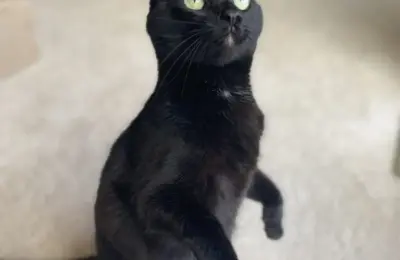


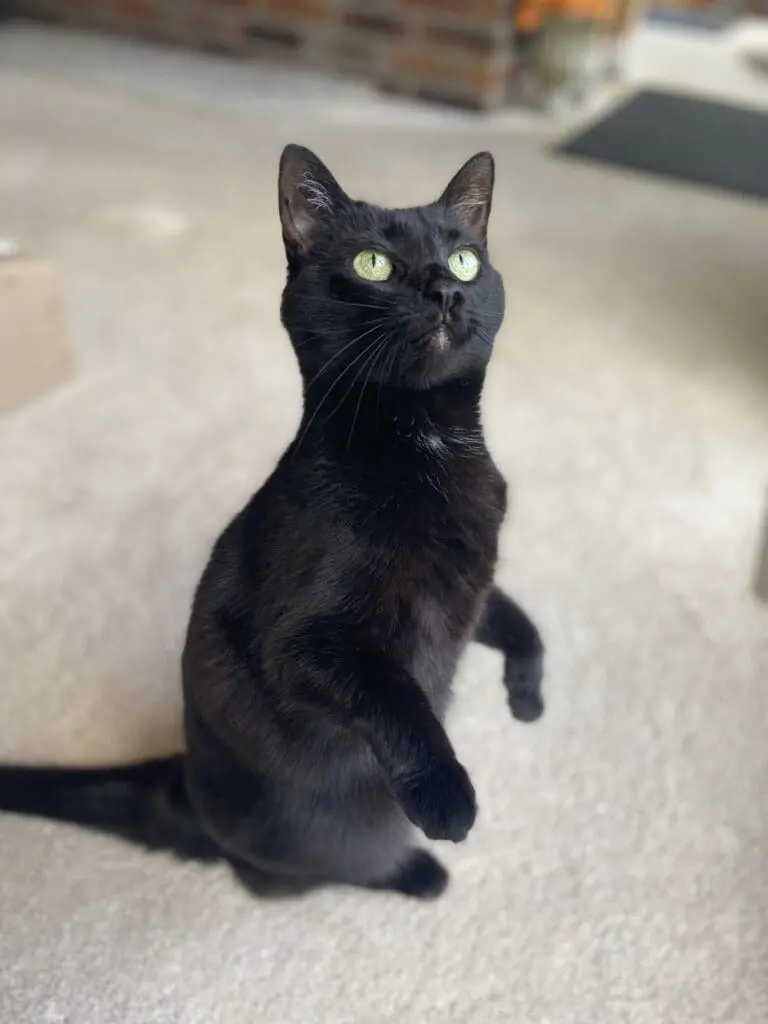
Advancements in veterinary medicine, widespread preventive healthcare, and a deeper understanding of feline dietary needs have significantly lengthened the lifespans of domestic cats. Felines are living longer and healthier lives than ever before, with some reaching their twenties while remaining active and visibly youthful. However, veterinary professionals and animal behaviorists warn that increased longevity brings complex caregiving challenges that are frequently misunderstood or neglected by pet owners.
Renowned cat behavior expert and author Pam Johnson-Bennett has drawn attention to the hidden struggles aging felines experience. While some senior cats maintain a sprightly demeanor well into late adulthood, others slip into quiet declines marked by reduced activity, social withdrawal, and an apparent loss of interest in daily routines. Animal welfare specialists emphasize that these behavioral shifts should never be dismissed as normal, inevitable consequences of aging. Instead, they are often warning signs of unmanaged pain or chronic conditions that can be relieved through targeted veterinary interventions and thoughtful environmental adjustments.
As cats reach their senior years, maintaining physical comfort and emotional fulfillment becomes paramount. Experts stress that pet guardians must prioritize bi-annual veterinary wellness checks and take deliberate steps to address three essential, yet frequently disregarded, dimensions of geriatric cat wellness: cognitive enrichment, adapted physical exercise, and living space modifications.
Overcoming Barriers to Veterinary Care in the Senior Years
One of the most consequential issues facing aging felines is the reduction in routine veterinary visits. As cats grow older, pet owners frequently reduce clinic appointments, often deterred by the logistical stress of crating and transporting an older pet, or under the mistaken impression that little can be done for an animal experiencing natural decline.
Veterinary behaviorists caution that avoiding medical visits during this stage of life carries severe risks. The early detection of progressive ailments—ranging from arthritis and dental disease to renal dysfunction and systemic pain—is vital for successful disease management. When health concerns are diagnosed promptly, veterinary teams can formulate tailored palliative and therapeutic strategies that stop quiet suffering and restore a cat’s vitality.

Because feline health can deteriorate rapidly in later years, the baseline recommendation shifts from an annual checkup to twice-yearly examinations. These consistent appointments allow veterinary practitioners to monitor subtle changes in weight, joint health, and organ function, ensuring that minor physical discomforts do not compound into debilitating conditions.
Supporting Mental Stimulation and Cognitive Health
While physical degradation is often visible, cognitive preservation is an equally critical component of senior care that is frequently overlooked. Similar to humans, aging felines require regular mental stimulation to maintain cognitive sharpness and prevent degenerative decline. The predatory instincts hardwired into the feline brain do not vanish with age, and fulfilling those instincts through thoughtful enrichment provides essential neurological engagement.
Interactive play sessions remain an effective vehicle for stimulating cognitive pathways. These exercises allow an older cat to calculate trajectories, plan approaches, and execute the mental mechanics of a stealthy hunt without placing excessive demands on aging limbs.
Interactive feeding mechanisms and puzzle toys also provide valuable brain exercises. The foundational premise of food puzzles is grounded in working for sustenance, an activity that taps directly into a feline’s problem-solving nature. Specialists advise introducing puzzle feeders at the lowest difficulty level to ensure the cat finds the activity enjoyable and rewarding rather than frustrating, with success guaranteed at the end of the effort. Indoor treasure hunts, where small portions of dry food are concealed in accessible locations, can similarly awaken sensory and analytical faculties.
Beyond environmental enrichment, gentle training regimens offer structured cognitive maintenance. Basic positive reinforcement techniques, such as clicker training, can be adapted to an aging pet’s capacities. Simple interactive behaviors—whether offering a gentle high-five or nudging a target stick with a nose—provide meaningful mental tasks. Keeping sessions brief, positive, and matched to individual comfort preserves a pet’s dignity while strengthening neural pathways and bonding.

Keeping Aging Cats Active Through Adapted Play
A common misconception among cat owners is that elderly felines neither want nor need physical exercise. In reality, regular movement is vital to preserving joint mobility, lubricating stiffening cartilage, and sustaining muscle tone. The approach, however, must be adapted to account for the physical realities of aging.
Senior cats should not be expected to perform high-flying aerial leaps, rapid vertical sprints, or acrobatic mid-air flips. Instead, the focus shifts to low-impact, deliberate movement. Slower-paced interactions that keep a cat engaged and moving along the floor are fully sufficient to yield musculoskeletal benefits.
Because older cats often struggle with jumping, owners are encouraged to swap out aerial toys, such as feathers swung high in the air, for toys that stay low to the ground. Playthings that mimic the erratic movements of ground prey—such as mice, insects, or snakes—allow senior felines to practice stalking and pouncing without risking orthopedic injury. Short, consistent physical sessions conducted a couple of times each day keep older bodies limber without inducing fatigue or post-exercise soreness.
Adjusting the Domestic Environment for Comfort and Accessibility
A cat’s immediate physical surroundings can either support or hinder quality of life. As flexibility, balance, and spatial awareness diminish, everyday household features that were once negotiated with ease can become significant physical obstacles or even safety hazards. Strategic environmental modifications allow elderly felines to preserve their independence and daily routines.
Elevated perches and resting spots are central to feline comfort and security, especially locations near windows where cats can watch birds and other outdoor wildlife. Rather than forcing an aging cat to jump down or abandon these cherished vantage points, owners can install secure ramps or padded pet stairs. Raising food and water dishes off the floor can also reduce neck, shoulder, and spinal strain during meals, making eating more comfortable for cats suffering from cervical osteoarthritis.

Scratching behaviors, which serve both claw maintenance and whole-body muscle stretching, must also be accommodated. Cats that can no longer comfortably stretch upward against tall vertical posts benefit from the addition of horizontal scratching pads distributed throughout the home, ensuring they can still exercise their back and shoulder muscles comfortably.
Litter box accessibility represents another critical environmental consideration. Age-related muscle weakness, reduced bladder tone, and joint inflammation often leave older cats with less time to reach a distant litter box and greater difficulty climbing into deep plastic pans. Increasing the overall number of boxes across different living areas reduces the risk of accidents caused by delayed transit. Furthermore, switching to boxes with low-entry thresholds—or deep boxes featuring a cut-out entryway—ensures cats can step inside smoothly without having to lift stiff legs over high plastic borders.
Sensory declines, including fading vision, require specialized adjustments to home navigation. Strategic placement of motion-activated nightlights helps cats with diminished eyesight navigate corridors, identify litter boxes, and locate feeding stations in the dark. For felines suffering from complete blindness, maintaining strict spatial consistency by keeping furniture in fixed positions allows the animal to preserve an accurate mental map of the interior. Family members must also keep walkways free of clutter and stray personal items. Textured mats placed near steps can serve as tactile boundary markers, alerting visually impaired cats to approaching elevation drops, while safety gates can be installed to block off steep staircases and prevent accidental falls.
Caring for the Unique Demands of the Senior Years
The later stages of a cat’s life often involve a complex array of overlapping requirements. Nutritional formulas may require recalibration to address changing caloric and metabolic demands, while long-term prescription medications may become necessary to manage chronic illnesses. Routine grooming routines often become collaborative efforts; as flexibility decreases, senior cats rely increasingly on their owners for gentle, regular brushing to prevent matting and for assistance in staying clean after using the litter box. Additionally, aging felines frequently lose the ability to regulate their internal temperature efficiently, necessitating warm, draft-free bedding in colder months and accessible cooling spots during the heat of summer.
Veterinary professionals reiterate that while medical interventions and medications are crucial, addressing cognitive stimulation, adapted physical activity, and home accessibility are equally decisive in determining whether a senior cat merely survives or genuinely thrives.

The advanced years represent a unique period in the human-animal bond, offering pet guardians an opportunity to repay years of companionship with dedicated comfort, dignity, and attentive care. For specialized concerns regarding feline behavioral adjustments or training techniques, owners can turn to the instructional resources authored by Pam Johnson-Bennett. However, any persistent shifts in a pet’s behavior, mobility, or disposition should always begin with an evaluation by a licensed veterinarian.