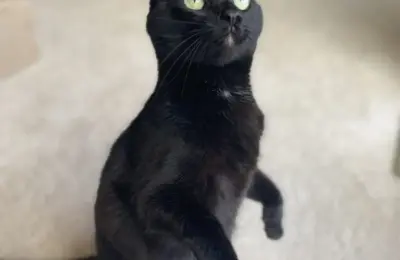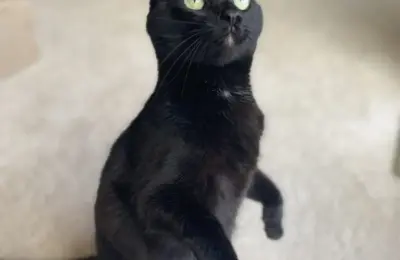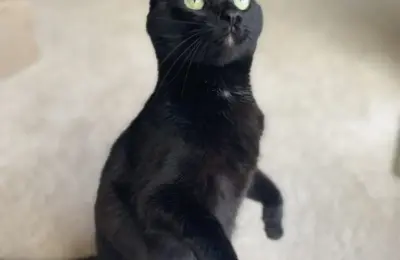


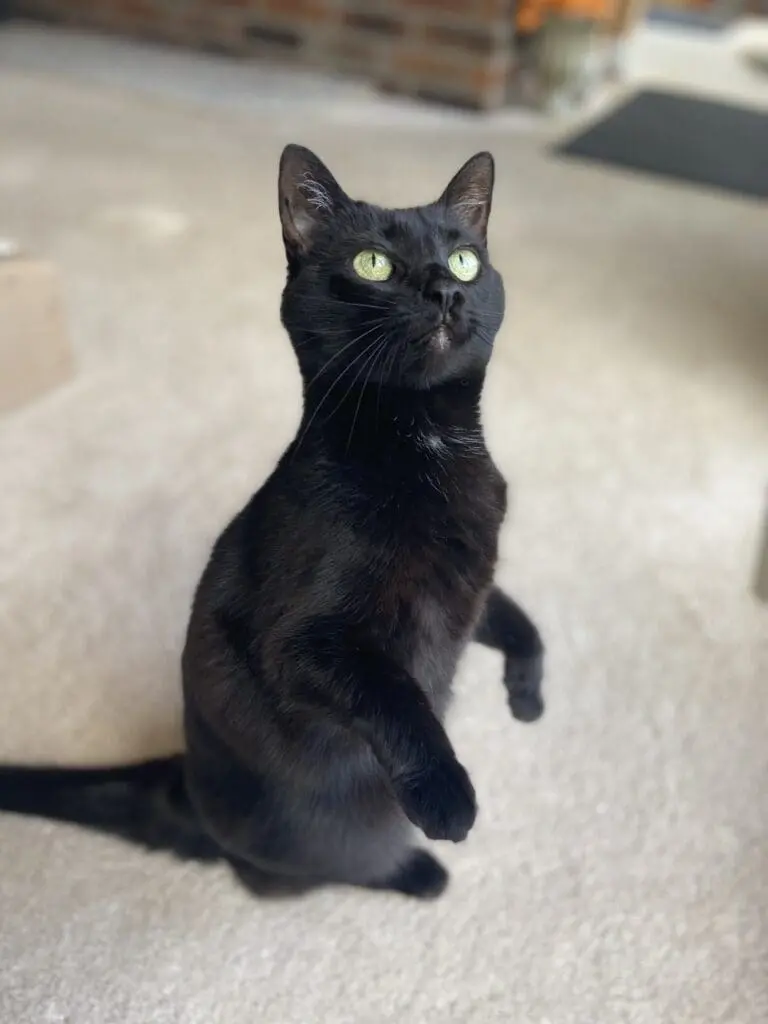
Advances in modern veterinary medicine, combined with an expanding public awareness surrounding feline nutrition, are allowing companion cats to achieve unprecedented lifespans. Where felines were once expected to live only into their early teens, it has become increasingly common for domestic cats to reach their late teens and even their twenties, with documented domestic cats thriving well past two decades of age. Feline behavior experts, including author Pam Johnson-Bennett, note having personal companions reach extraordinary milestones such as 24 years of age.
Yet, as feline longevity increases, animal health professionals emphasize that extending a cat’s life requires a corresponding commitment to maintaining the animal’s overall quality of life. For many guardians, recognizing when an aging cat requires adjusted care remains a persistent challenge. Because some felines sustain an outward appearance of youth and vitality well into their senior years, their transition into geriatric stages often goes unnoticed until pronounced health issues manifest.
Conversely, an equally widespread and detrimental assumption occurs when owners observe an older cat slowing down, withdrawing from family activities, or ceasing normal routines. In many households, persistent lethargy, stiffness, isolation, and diminished interest in play are simply brushed off as the inevitable consequences of old age. In reality, veterinary practitioners and animal behavior specialists caution that these behavioral shifts often indicate underlying, unmanaged physical discomfort or pain. Left unaddressed, treatable chronic conditions can severely diminish a senior cat’s day-to-day well-being.
Routine veterinary intervention forms the bedrock of senior pet care, yet it is during these critical senior years that some owners inadvertently lapse in clinical checkups, frequently discouraged by the difficulty of transporting an aging cat to the clinic. Experts caution against foregoing these appointments. Feline physiology tends to mask illness until conditions reach an advanced stage. Consistent veterinary examinations provide the only dependable safeguard for early diagnosis, significantly improving management outcomes and preventing needless suffering. For senior felines, veterinarians generally advise increasing clinical evaluations to a twice-yearly schedule, allowing clinicians to screen for emerging ailments such as renal disease, systemic hypertension, and osteoarthritis before they become debilitating.
Beyond clinical treatments and regular medical oversight, animal behaviorists emphasize that maintaining a senior cat’s comfort and happiness involves addressing several frequently overlooked aspects of daily home life. Creating an environment tailored to the cognitive, physical, and sensory needs of an older feline ensures these later years remain rewarding and dignified.

1. Supporting Mental Stimulation and Cognitive Health
While considerable attention is paid to physical ailments in aging pets, cognitive function and mental well-being require equal consideration. Engaging an older cat in purposeful cognitive exercises plays a decisive role in sustaining neurological health and mitigating the effects of feline cognitive dysfunction.
In their natural behavioral repertoire, cats are predatory creatures whose mental health is closely tied to the cycle of the hunt. In an indoor home setting, interactive play sessions replace the predatory sequence, demanding focus, tactical assessment, and decision-making. Behaviorists advise that even when physical vigor wanes, older cats still benefit immensely from participating in activities that exercise these stealth and tracking skills.
Caregivers can stimulate an aging brain by integrating indoor treasure hunts and puzzle feeders into the household routine. Rather than offering food solely in stationary dishes, puzzle toys encourage cats to work mentally to obtain their meals. Because the fundamental goal is cognitive engagement rather than obstacle creation, experts recommend introducing puzzle feeders at the lowest difficulty level first. The experience must provide an achievable mental challenge without inducing frustration or anxiety. If an older cat finds a puzzle too difficult, it may abandon the effort entirely, leading to skipped meals. A successful puzzle feeder regimen should consistently reward the animal with food, delivering a sense of accomplishment and predatory satisfaction.
Structured, gentle training offers another avenue for cognitive enrichment. Techniques such as positive-reinforcement clicker training can be adapted for senior cats, provided the expectations match the individual animal’s cognitive and physical stamina. Short, low-pressure training sessions focusing on simple behaviors—such as touching a target stick with a nose or offering a gentle high-five—keep neural pathways engaged. Because every cat’s threshold for focus and energy varies, guardians are encouraged to tailor these interactions strictly within the animal’s physical and mental comfort zone, keeping all sessions brief, positive, and rewarding.
2. Maintaining Physical Mobility Through Adapted Play
Preserving joint mobility and muscle tone is essential for older cats, as physical inactivity often accelerates stiffness and muscle atrophy. Interactive playtime remains a foundational requirement throughout an animal’s twilight years, but the nature of that play must be calibrated to accommodate age-related physical limitations.

A common oversight among pet owners is retiring toys when an older cat ceases to sprint, leap into the air, or perform acrobatic mid-air catches. Senior cats do not need to execute vigorous leaps to derive physical benefits from exercise. Slower, deliberate movements provide meaningful physical conditioning and stimulate circulation without overtaxing vulnerable joints.
Caregivers often need to alter the types of toys they deploy. While young felines may favor airborne lures that replicate flying birds, older cats typically respond more readily to ground-based prey simulations. Toys that mimic the low-profile movements of mice, snakes, or crawling insects encourage sustained visual tracking and low-impact stalking. Caregivers should observe their cat’s responses carefully, offering brief play opportunities a couple of times each day rather than prolonged, exhausting sessions. The objective is to encourage consistent, gentle movement that preserves joint function while avoiding physical strain.
3. Adapting the Home Environment to Meet Physical Limitations
Environmental modification represents one of the most practical and immediate ways to improve a senior cat’s daily comfort. As flexibility and strength decline, an unmodified living space can become frustrating, isolating, or physically hazardous for an aging animal.
Elevated resting areas, particularly sunny window perches where cats observe outdoor wildlife, are central to feline contentment. Rather than allowing a cat to become grounded due to stiff joints, guardians can install ramps or stepped platforms that provide gradual, low-impact pathways to favorite elevated spots. Similarly, feeding stations warrant adjustment; swapping traditional low-lying food and water dishes for elevated bowls reduces the strain placed on an older cat’s neck, shoulders, and cervical spine during daily meals.
Scratching behavior also requires environmental accommodation. Scratching is an essential feline activity that allows cats to stretch their back and shoulder muscles, mark territory, and shed dead nail sheaths. Older cats that experience spinal stiffness or arthritis may no longer be able to stretch upward against tall, vertical scratching posts. To preserve this natural behavior, households should increase the overall number of scratching surfaces and introduce horizontal scratching pads placed flat on the floor alongside traditional upright posts.

Litter box logistics require careful review as cats enter their senior years. Reductions in bladder capacity, kidney function changes, and joint stiffness can turn ordinary litter box visits into difficult hurdles. Increasing the total number of litter boxes throughout the home prevents accidents caused by delayed transit across large distances. Furthermore, standard high-sided litter boxes can pose painful physical barriers for arthritic felines. Caregivers are encouraged to transition to boxes with low-cut entry thresholds or specialized high-sided boxes that feature a low-profile entrance on one side, allowing the cat to step in and out without lifting its limbs excessively.
Sensory decline, particularly deteriorating vision, introduces additional environmental challenges. Installing motion-activated nightlights along common travel corridors, feeding zones, and litter box locations helps visually impaired cats navigate during low-light hours. In cases of significant or total vision loss, consistency within the home is vital. Guardians should avoid moving major furniture pieces, as older felines rely heavily on a detailed mental map of their territory. Household members must also be mindful to keep floors free of unexpected clutter and stray personal belongings that could cause disorientation or injury.
To safeguard cats with compromised vision or motor coordination around hazardous structural elements like open staircases, owners can place textured floor mats near edges to provide tactile warnings underfoot. Where necessary, physical safety gates can be positioned to prevent accidental falls or to restrict access to potentially hazardous areas.
A Comprehensive Approach to Late-Life Feline Well-Being
Caring for an older cat encompasses a broad spectrum of supportive measures beyond environmental adjustments and mental enrichment. Senior felines frequently develop specialized dietary requirements, require ongoing medication schedules, and experience diminished self-grooming capabilities. As cats age and their flexibility declines, they often require daily assistance with brushing to prevent painful coat matting, as well as hygiene assistance if they are no longer capable of maintaining full cleanliness after using the litter box.
Thermoregulation also shifts with age. Senior cats tend to lose body fat and muscle mass, making them significantly more sensitive to ambient temperature changes. Owners must take proactive steps to ensure older pets are kept warm during cold winter weather and adequately shielded from heat stress during the summer months.

The senior years represent a distinct, rewarding phase of a companion animal’s life. With proactive veterinary guidance, structured cognitive enrichment, adapted physical exercise, and thoughtful adjustments to the domestic living space, caregivers can ensure their aging cats spend their elder years in lasting physical comfort, mental clarity, and security.
Veterinary Consultation and Resources
For those seeking comprehensive behavioral insights, detailed training approaches, and further guidance on senior pet care, Pam Johnson-Bennett’s published works provide extensive educational material for cat guardians. Behavioral interventions and environmental modifications serve as essential complements to, but never substitutes for, direct veterinary medicine. Feline guardians with concerns regarding changes in their cat’s mobility, behavior, appetite, or overall health are advised to consult a qualified veterinarian to establish an individualized clinical care plan.