
The machine may be running, but according to early industry data, it is facing a notable clog.
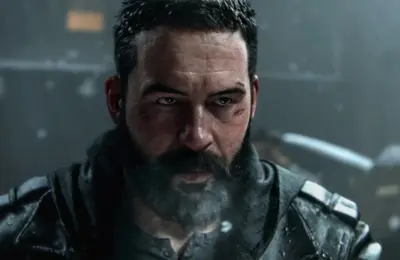
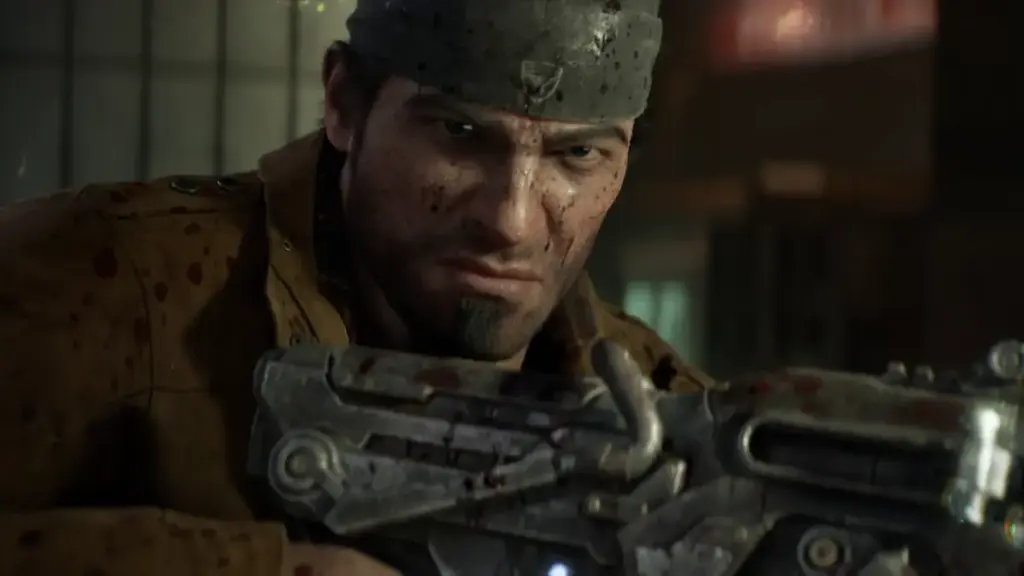
Xbox console exclusive Gears of War: E-Day is reportedly off to a soft commercial start after reaching an estimated 230,000 standalone copies sold across all platforms during its first week on the market. The highly anticipated prequel, which takes fans back to the terrifying onset of the Locust War alongside iconic protagonists Marcus Fenix and Dom Santiago, has dominated gaming headlines for its critical acclaim, but its raw physical and digital copy sales paint a more complicated picture of modern console economics.
The early sales figures surfaced via Alinea Analytics, with head of marketing analysis Rhys Elliott sharing preliminary data for the Gears prequel on social media. Following an early access period that kicked off last week, ahead of its full, wider launch this past Tuesday, Gears of War: E-Day has allegedly moved a combined total of just 230,000 units across PC and Xbox hardware. A breakdown of those unofficial estimates reveals that the vast majority of those standalone purchases occurred on PC via Steam, accounting for 168,000 copies. Meanwhile, combined console and PC sales within the closed ecosystem of the Xbox environment totaled a mere 62,000 units.
These figures, which remain unofficial and have not been corroborated or acknowledged by Microsoft in an official capacity, should be approached with a degree of caution. Nevertheless, they highlight a striking paradox for a game leading the charge in Xbox’s recent strategic pivot toward console exclusives. While the franchise remains a heavyweight anchor for the brand, consumer behavior has shifted dramatically away from purchasing base software outright, with millions of players instead choosing to dive into the experience through Xbox Game Pass.
The subscription service appears to be the primary factor behind the low number of individual software sales on Xbox-supported devices. According to Elliott, Game Pass is effectively "cannibalising much of the premium revenue" that traditional publishers rely on. This is not to suggest that Gears of War: E-Day is struggling to find an audience. On the contrary, Alinea Analytics estimates that approximately 1.7 million players accessed the game through their Game Pass subscriptions during its opening window. However, the data strongly underscores a growing consumer preference for renting through a recurring subscription rather than paying full price to own a permanent digital or physical copy.

Despite the low count of traditional software sales, the title has still generated significant financial returns within the ecosystem. Of the nearly two million players who launched Gears of War: E-Day via Game Pass on Xbox hardware, roughly 722,000 users opted to spend an extra $30 to upgrade to the game’s Premium Edition to secure early access and additional content. Based on these estimates, revenue earned directly through the Xbox ecosystem reached approximately $27 million, bringing the title’s overall estimated earnings to around $37 million globally. At this time, it remains unclear precisely how the game factored into broader financial gains generated by new or returning Game Pass subscriptions.
Even with these ancillary revenue streams, industry analysts point out that the performance of the traditional $70 price point raises serious questions about the long-term viability of day-one subscription releases for major blockbuster franchises.
"While E-Day is a sublime game—it’s made my top 10—these are soft numbers for a flagship when Xbox badly needs revenue wins," Elliott noted in his analysis. "E-Day sold 62K copies on Xbox against 722K Premium upgrades, so for every one copy sold on Xbox, nearly 12 Game Pass upgrades were sold. The $70 premium SKU is—functionally—dead on Xbox. In a world without day-one Game Pass, many of these folks would have bought E-Day at $70. They paid $30 for five days early access to something they don’t own. Xbox is, in effect, charging its most valuable customers the least, based on a hangover from a tried-and-exhausted strategy from a previous administration."
The friction between day-one subscription availability and traditional game sales is not an entirely new revelation for Microsoft. The company has previously acknowledged the downstream effects of its service model on standalone software sales. During regulatory scrutiny surrounding the massive Activision Blizzard merger in 2023, internal documents surfaced indicating a noticeable decline in base game sales during the first year after a major title is added to the Game Pass lineup. When questioned about these dynamics at the time, Microsoft representatives maintained to media outlets that the subscription model ultimately "offers gamers and game creators more choice and opportunity in how they discover, experience, and deliver games."
While Microsoft has yet to release official sales milestones, and the exact degree to which Gears of War: E-Day successfully spurred new Game Pass subscriptions remains locked behind corporate walls, softer-than-expected retail figures threaten to complicate an otherwise triumphant launch window. The return to the gritty, emotional storytelling roots of the franchise resonated deeply with both longtime fans and professional reviewers alike. IGN’s critical review, which focused on the game’s gripping campaign mode, awarded the title a stellar 9/10, praising its atmosphere, narrative weight, and modernized gameplay mechanics.
The tension surrounding sales figures also arrives against a backdrop of broader operational discussions at developer The Coalition. Earlier in the week, studio head Mike Crump defended the game’s release strategy, asserting that Gears of War: E-Day was a "natural choice to be" an Xbox exclusive designed to carry the banner for the platform. At the same time, Crump addressed growing anxieties within the community regarding potential studio layoffs—following reports that developers endured heavy crunch periods during the final months of production—while simultaneously offering reassurance that future installments in the storied franchise would not require nearly as long to develop.