

Eating a handful of peanuts every day could offer surprising and meaningful benefits for the aging brain, according to new research conducted by scientists at Maastricht University Medical Center in the Netherlands. Researchers found that regularly consuming unsalted, skin-roasted peanuts can significantly improve how specific regions of the brain respond to insulin in older adults, shedding new light on how simple dietary interventions might help combat age-related cognitive decline.
The findings, stemming from the Institute of Nutrition and Translational Research in Metabolism (NUTRIM), were published in the peer-reviewed journal Food & Function. While insulin is universally recognized for its primary role in regulating blood sugar and metabolic health throughout the body, it also performs critical, lesser-known functions within the central nervous system. In the brain, insulin helps nerve cells grow, survive, and communicate effectively with one another, thereby supporting memory formation and a wide array of other complex cognitive abilities. Furthermore, maintaining healthy insulin signaling pathways in the brain is believed to help protect against the pathological processes and cellular damage associated with Alzheimer’s disease and other forms of neurodegeneration.
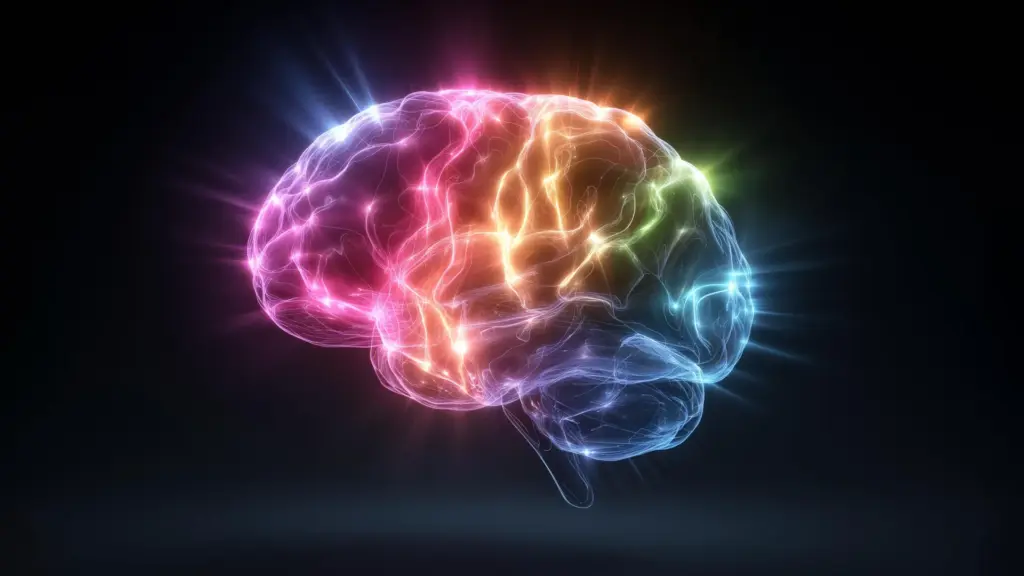
During the rigorous investigation, researchers observed that after participants consumed peanuts daily for a period of 16 weeks, they experienced marked improvements in insulin responsiveness across a specific cluster of brain regions located within the right hemisphere. These vital areas included portions of the lingual gyrus, the hippocampus, the parahippocampal gyrus, and the posterior cingulate gyrus. Each of these anatomical structures plays a direct and indispensable role in memory-related processes, spatial navigation, and the consolidation of learning.
Dr. Peter Joris, the study’s senior author and an associate professor in the Department of Nutrition and Movement Sciences at NUTRIM, Maastricht University Medical Center, elaborated on the physiological mechanisms underpinning the research. "The hormone insulin plays an important role in the brain, where it supports memory and other cognitive processes," says Dr. Joris. "As people age, the brain may become less responsive to insulin, which has been linked to age-related cognitive decline. Our study found that daily peanut consumption beneficially affected insulin responsiveness in memory-related brain regions in older adults. These findings suggest that enhanced regional brain insulin responsiveness may contribute to the cognitive benefits of unsalted, skin-roasted peanut intake."
Daily Peanuts Linked to Better Memory and Brain Blood Flow
The clinical study enrolled 31 healthy adults ranging in age from 60 to 75 years old. Throughout the active peanut consumption phase of the trial, participants were instructed to eat 60 grams—which translates to approximately two standard servings—of peanuts each day for 16 consecutive weeks. To ensure the highest standards of scientific accuracy and reliability, the research team utilized a randomized, controlled crossover trial design. This sophisticated methodological approach allowed investigators to directly compare the physiological and cognitive measurements of participants during the peanut-eating phase against the baseline measurements recorded during the control phase when they avoided peanuts entirely.
These fresh insights build directly upon a foundational body of earlier research led by Dr. Joris and published earlier in 2025. That preceding investigation explored the broader vascular impacts of the diet and discovered that consuming peanuts daily for 16 weeks successfully increased overall cerebral blood flow (CBF) by 3.6 percent, while simultaneously producing a 5.8 percent improvement in verbal memory performance among the older adult participants.
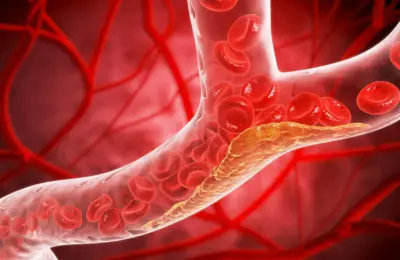
Cerebral blood flow is a critical physiological metric that quantifies the precise volume of blood circulating through the brain tissue per minute, continuously supplying the oxygen and essential nutrients that delicate brain cells require to maintain optimal function and metabolic health. Consequently, CBF serves as an important clinical indicator of the overall structural and functional health of the brain’s complex network of blood vessels. Those earlier landmark results were published in the peer-reviewed journal Clinical Nutrition.
How Scientists Measured the Effects of Peanuts on the Brain
One of the defining and most sophisticated features of the NUTRIM research project was its successful integration of a strictly controlled, multi-month dietary intervention with state-of-the-art neuroimaging and metabolic assessment technologies.
To closely examine and quantify subtle changes in brain function and regional activity, researchers utilized arterial spin labeling magnetic resonance imaging (ASL-MRI), an advanced, non-invasive imaging technique specifically designed to measure regional blood perfusion throughout different areas of the brain. To evaluate changes in regional insulin responsiveness, the team carefully tracked alterations in regional cerebral blood flow immediately after insulin was administered to participants via a nasal spray.
In addition to advanced brain scanning, the research team also performed comprehensive abdominal MRI scans. These scans allowed scientists to precisely measure intrahepatic lipid (IHL) content, providing a clear picture of fat accumulation within the liver throughout the dietary shifts. Meanwhile, broader cognitive capabilities and mental agility were formally assessed using the Cambridge Neuropsychological Test Automated Battery (CANTAB), a widely respected and standardized collection of computerized cognitive tests designed to evaluate executive function, memory, and attention.
Rather than pointing to a single isolated nutrient as the sole driver of these health benefits, researchers believe that the observed positive effects on brain health stem from a synergistic combination of multiple nutritional components naturally found in peanuts.
"Multiple nutrients present in peanuts, including unsaturated fats, dietary fiber, vitamins and minerals and bioactive phytochemicals, could potentially contribute to the observed brain benefits," explains Dr. Joris. "Peanuts are also a good source of plant-based protein and are especially rich in L-arginine. L-arginine is a key precursor of nitric oxide (NO), which has been reported to facilitate learning and memory performance."
What Participants Ate During the 16-Week Study
Maintaining strict adherence to the dietary protocol was essential for the integrity of the trial. To ensure that every participant consumed a consistent and accurate amount throughout the investigation, the research team supplied premeasured packets of skin-roasted peanuts directly to the participants for the duration of the peanut intervention period.
Study participants were given practical flexibility in how they integrated the food into their daily lives, being instructed to eat their daily allotment of peanuts either in the morning or during the afternoon. They retained the freedom to consume the entire 60-gram portion at once in a single sitting, divide the amount into smaller, more manageable snacks throughout the day, or incorporate the peanuts directly into their regular meals, such as salads or warm dishes.
During the alternating control phase of the trial, participants were strictly instructed to avoid peanuts and peanut-containing products entirely. After completing the initial 16-week block, participants crossed over to the opposite study condition, enabling researchers to comprehensively evaluate and compare detailed brain health measurements under both distinct dietary approaches within the same group of individuals.
The clinical study was spearheaded by principal investigator Associate Professor Dr. Peter J. Joris and executed by Ph.D. candidate Lucia Kerkhof, both working within the Department of Nutrition and Movement Sciences at Maastricht University Medical Center. Financial support for the research was provided by The Peanut Institute Foundation. However, the study authors explicitly noted that the funding organization had no role or involvement whatsoever in the design or execution of the study, the collection, analysis, or interpretation of the resulting data, or the drafting and preparation of the final manuscript.