

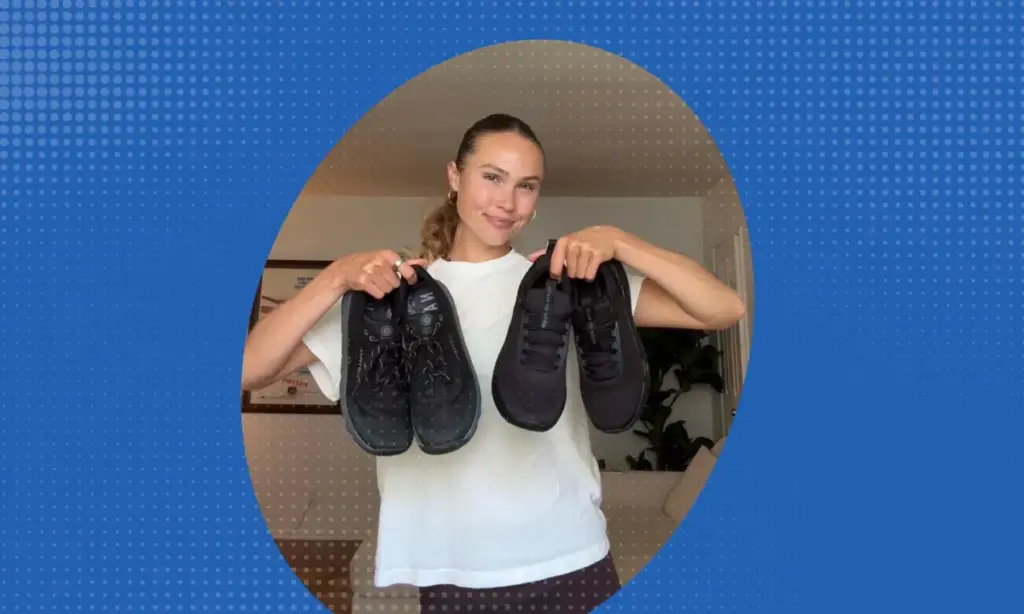
When fitness enthusiasts talk about building strength and stability, the conversation almost invariably circles back to the major muscle groups. Biceps, quadriceps, abdominals, and glutes take up the vast majority of our mental real estate. We track them, obsess over them, and build entire training blocks around their development. Gym-goers regularly ice sore hamstrings, foam roll tight IT bands, and dedicate entire sessions to shoulder mobility, ensuring every primary joint functions at its peak.
Yet, an intricate and vital network of muscles remains almost entirely overlooked: the flexor digitorum brevis, the quadratus plantae, the plantar interossei, and the dozens of other small structures nestled within the human foot.
Comprising 29 small and intricate muscles, alongside 26 bones, the feet work constantly underneath the body, yet they are treated as an afterthought by most people. Society spends countless hours maintaining upper body posture and core strength, only to slide the feet into a pair of narrow-toed sneakers and call it a day. For many health-conscious individuals, this oversight represents a glaring blind spot in modern physical culture.
Your Feet Are Running the Show
The human foot serves as the primary point of contact between the body and the physical world. Every step taken is an intricate neurological and muscular feedback loop. The brain constantly communicates with thousands of mechanoreceptors located on the soles of the feet, processing spatial orientation, distributing load, and orchestrating the delicate balance required to keep the body upright. This feedback loop happens automatically, all day long, making it remarkably easy to take for granted.

What is significantly harder to ignore, however, is what happens when that foundational system begins to break down.
Biomechanists and physical therapists note that dysfunction in the foot rarely remains isolated. Instead, it travels upward through the ankle, ascends into the knee, affects the hip joint, and eventually translates into the spine. What begins as a tight, underused arch can gradually contribute to compensatory movement patterns. Over time, these imbalances manifest as chronic knee pain, hip instability, or persistent lower back tightness, frustrating athletes and sedentary individuals alike who treat these symptoms as isolated issues rather than downstream effects of poor foot mechanics.
The Longevity Connection
Experts in gait mechanics and physical longevity emphasize that foot health is deeply intertwined with overall healthspan. Courtney Conley, M.D., a chiropractic physician and a leading expert in foot and gait mechanics, has frequently pointed out that declining foot strength directly correlates with reduced gait speed, an increased risk of falls, and a loss of physical independence later in life.
These challenges extend far beyond basic orthopedic concerns. They represent measurable outcomes that accumulate silently over decades, long before most people think to pay attention to their foot mechanics. Both clinical research and longevity specialists have made it increasingly clear that the functional capacity of the foot serves as a reliable predictor of how well an individual will move through life over time. Recognizing this reality, many fitness practitioners are choosing to address foot health proactively rather than waiting for an injury or chronic pain to force the issue.
Making Foot Health a Priority
To understand the practical impact of foot neglect and recovery, some fitness writers and researchers have turned the lens inward, conducting personal experiments to observe how intentional foot care alters daily movement. A month-long commitment to integrating foot awareness into daily routines often yields surprising insights into just how conditioned modern feet have become to restrictive footwear.
For many, this process begins with the introduction of simple tools like toe spacers, worn during evening downtime. The initial experience can be remarkably uncomfortable—not necessarily painful, but profoundly unfamiliar, particularly for individuals with backgrounds in high-impact sports or long-distance running. Viewing the compressed, crowded feet of elite athletes in high-impact training environments often serves as a stark reminder of the long-term structural changes caused by narrow shoes and repetitive impact. Incorporating toe spacers after high-lateral-movement activities, such as pickleball or extended walks, gradually transforms an awkward sensation into a welcome relief.
Beyond passive recovery, targeted foot-specific strength work plays a crucial role in revitalization. Far from demanding exhaustive gym sessions, this training often involves slow calf raises with an eccentric focus—where the lowering phase engages the muscle fibers most intensely—alongside short-foot exercises, barefoot balance drills, and humbling attempts at independent toe isolation. Because many of these exercises can be performed while standing at a desk during the workday, the barrier to entry remains remarkably low. Discovering how difficult it is to isolate individual toes highlights just how dormant these foundational muscles have been allowed to become.
Another significant adjustment involves minimizing the use of traditional, highly cushioned house slippers. While comfortable, plush footwear allows the intrinsic muscles of the foot to idle rather than actively engaging with the ground. Increasing barefoot time indoors, or training in socks at the gym during single-leg work and squats, provides a direct pathway to reactivating those neglected structures.
The Footwear Audit
A comprehensive approach to foot health invariably requires a critical look at daily footwear. Examining the shape of the toe box, the degree of cushioning, and the overall structure of everyday shoes reveals how modern footwear often prioritizes immediate comfort at the expense of long-term mechanical function.

Dr. Conley explains that highly cushioned running shoes can dampen sensory input from the mechanoreceptors in the soles of the feet. This reduction in proprioception yields a less stable platform, providing the brain with less precise information about the body’s position in space. Under heavy loads—such as during a squat, a lunge, or a rapid lateral cut on a court—that reduced clarity generates micro-instabilities. These minute disruptions travel upward through the ankle, knee, hip, and spine, accumulating wear and tear over years and decades.
Recognizing these biomechanical principles leads many to explore functional footwear alternatives. Transitioning to zero-drop shoes with wide toe boxes, such as the Astral TR1 Sensi HT or similar minimalist designs, allows the toes to splay naturally and maximizes ground feedback without completely sacrificing support. Similarly, transitional trainers featuring minimal heel-to-toe drops and slightly more generous cushioning, such as the while on earth move trainer, offer a balanced option for higher-impact days and longer workouts.
Experts emphasize that transitioning away from heavily cushioned, narrow shoes should be done gradually. Rushing into zero-drop footwear overnight can stress unconditioned tendons and muscles, whereas a methodical, week-by-week progression allows the foot architecture time to safely adapt.
Observing Real Changes
After weeks of heightened foot awareness and targeted conditioning, the physical adaptations are often subtle yet profound. Practitioners frequently report greater stability during single-leg movements, such as split squats and Romanian deadlifts, where micro-balance dictates overall performance. Foot fatigue following long walks, runs, or athletic matches tends to decrease significantly, while heavy lifts at the gym feel more grounded and secure.
More than physical strength, however, the most prominent shift is heightened sensory awareness. Individuals become acutely conscious of their standing posture, weight distribution, and the restrictive nature of traditional shoes. This renewed connection to the ground fosters a greater sense of bodily control, proving that beneath every athletic ambition, longevity target, and outdoor adventure lies a complex foundation built upon 29 small muscles and 26 bones.