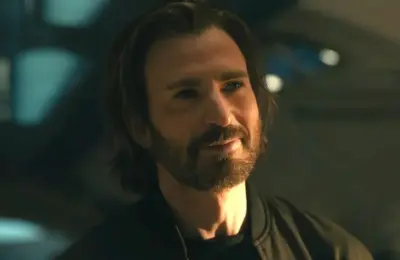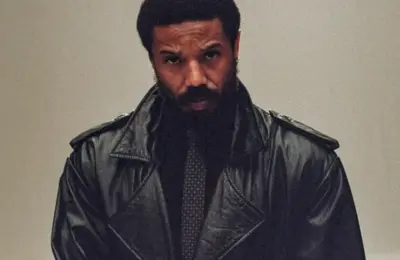


While a few years still remain in the 2020s, the decade has already cemented itself as a golden era for science fiction cinema. Across major franchise tentpoles, sweeping literary adaptations, and ambitious standalone features, filmmakers have continuously pushed the boundaries of world-building and narrative depth. The standout achievement of the period likely belongs to Denis Villeneuve’s cinematic adaptation of the Dune series, which has finally brought the proper, monumental scale to Frank Herbert’s seminal 1960s novels.
While the 2010s belonged largely to the superhero sub-genre—particularly for Marvel Studios—the current decade has still yielded monumental comic book blockbusters. Films like Deadpool & Wolverine, James Gunn’s rebooted Superman, and record-shattering Spider-Man features have continued to rewrite box office history. At the same time, high-concept, non-franchise science fiction like Project Hail Mary has proven that original storytelling can achieve both critical acclaim and widespread resonance.
Naturally, a massive part of the enduring success of these cinematic achievements stems from their scripts. This reality invites a closer look at the defining lines of dialogue that have emerged from the genre thus far in the 2020s. While filmgoers have plenty of stellar writing to choose from and room for plenty of debate, and while upcoming releases will surely introduce new contenders before the decade concludes, five specific quotes stand out as the absolute best of the era so far.
Mickey 17
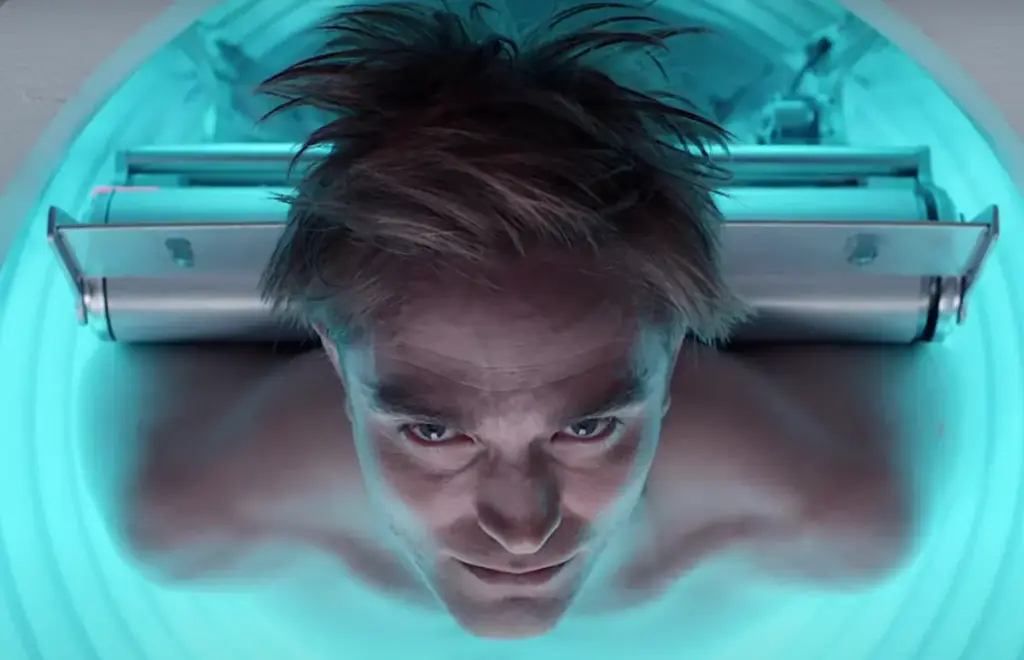
Bong Joon Ho’s 2025 film Mickey 17, which he both wrote and directed, introduces a wonderfully original and darkly funny concept to modern sci-fi. Set in a bleak, pessimistic vision of the year 2050, humanity assigns its most hazardous tasks to "expendables"—individuals who willingly sign up to be cloned repeatedly if they perish on the job. Whenever an expendable dies, a fresh clone is printed at the exact same age, subsequently uploaded with the most recent memories backed up from their predecessor. Robert Pattinson stars as Mickey Barnes, embodying the protagonist and his various clones, with the narrative centering specifically on his 17th iteration.
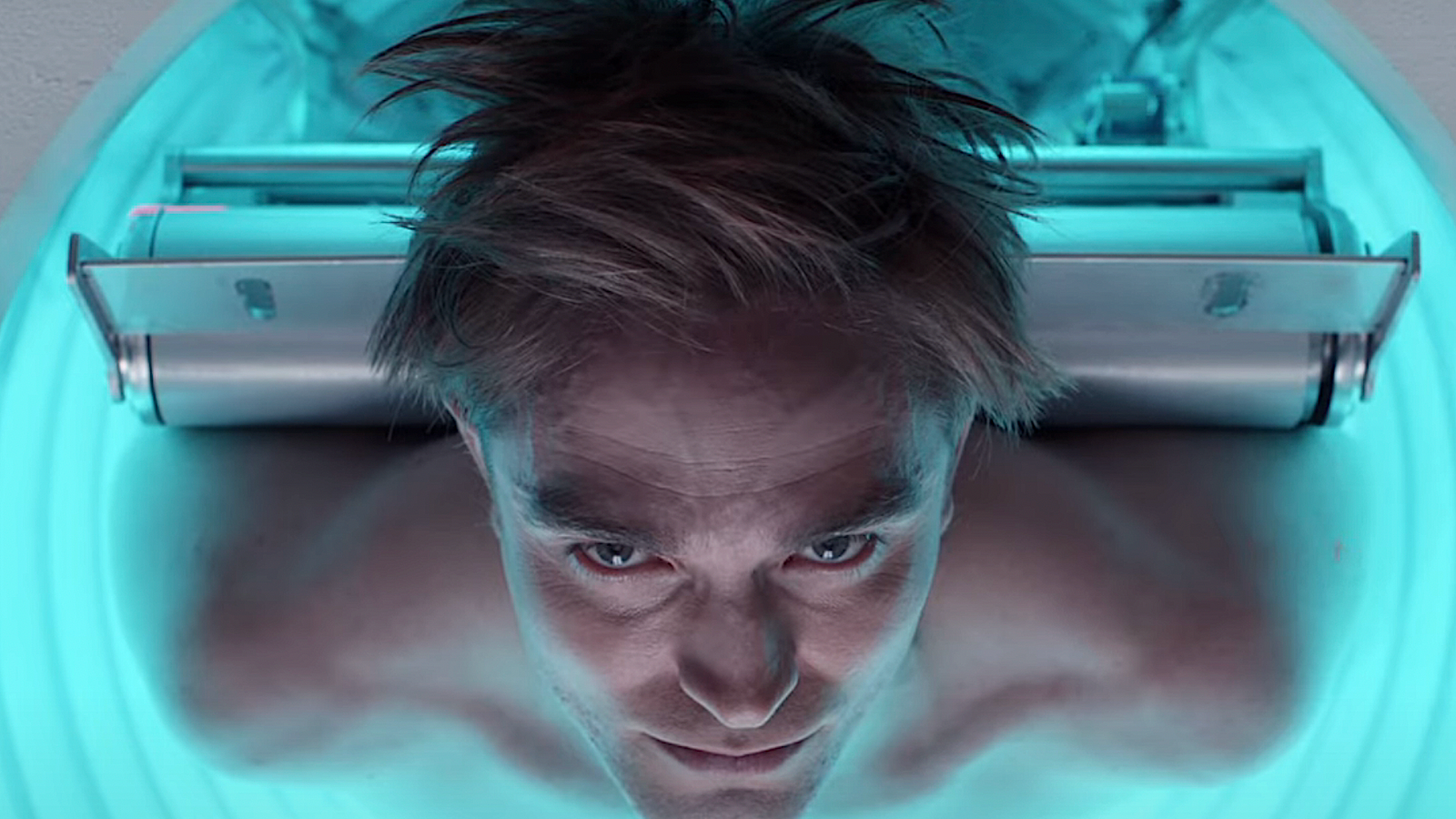
The film relies heavily on sharp satire and gallows humor, but the standout darkly comedic line emerges through Mickey’s deadpan internal narration:
Even on my 17th go-around, I hate dying.
The line is absurd on its surface, yet Pattinson delivers the dialogue with a masterclass in understated delivery, sounding less like a man facing recurring existential horror and more like someone mildly complaining about a rainy afternoon. Writing of this caliber elevates Mickey 17 far beyond a standard high-concept sci-fi thriller, anchoring its bleak future in remarkably human frustrations.
28 Years Later
More than two decades after the 2002 release of the groundbreaking zombie thriller 28 Days Later, director Danny Boyle and screenwriter Alex Garland reunited to deliver the long-awaited follow-up, 28 Years Later. In a sub-genre as thoroughly saturated as zombie horror, finding fresh territory to explore remains a formidable challenge. However, Boyle and Garland succeeded by introducing the wholly original, deeply complex character of Dr. Ian Kelson, portrayed by veteran actor Ralph Fiennes.
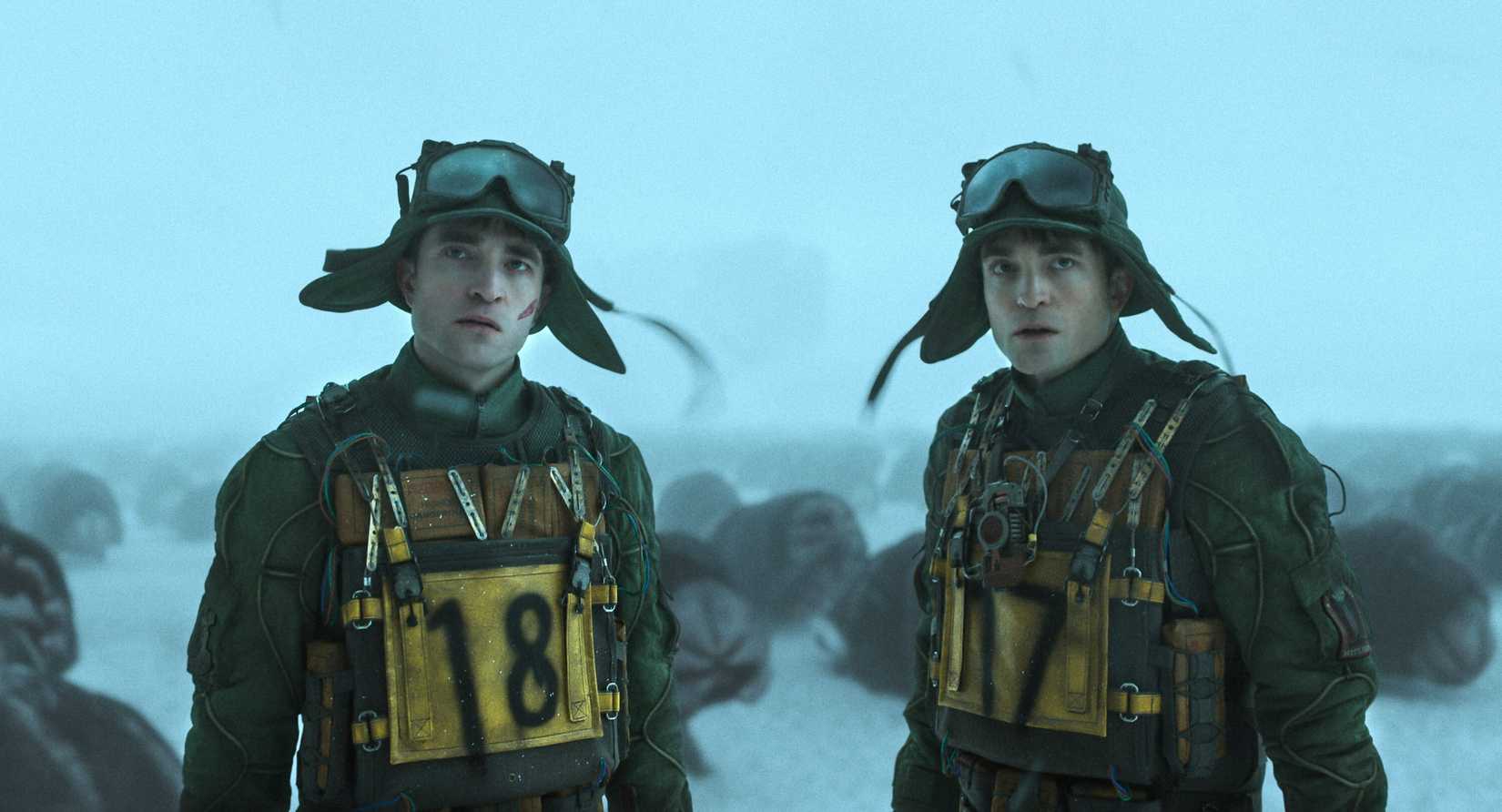
Before the collapse of civilization, Dr. Kelson worked as a general practitioner. Nearly three decades later, he lives in isolation, quietly studying those still afflicted by the rage virus. Amid his solitary existence, he has constructed a haunting, morbidly beautiful monument to the fallen known as the Bone Temple, built from thousands of recovered skulls. At a pivotal juncture in the film, Kelson explains the architecture of his monument to Spike, the twelve-year-old boy at the center of the story played by Alfie Williams, delivering an explanation that carries a nearly Shakespearean weight:
There were so many dead, infected and non-infected alike. Because they are alike. Every skull is a set of thoughts. These sockets saw and these jaws spoke and swallowed. This is a monument to them, a temple.
Superman
While technically operating as a monologue rather than a single isolated quip, James Gunn’s 2025 reboot Superman delivered a line vital to restoring a much-needed sense of optimism to the Man of Steel. For the character to resonate with modern audiences, viewers must genuinely believe in his fundamental goodness. Gunn, who both wrote and directed the film, achieved this sincerity with the invaluable help of lead actor David Corenswet.
Superman can occasionally present a challenge for modern screenwriters given his god-like power levels, but the film succeeds by emphasizing his profound humility and vulnerability, creating the most compelling cinematic representation of the hero since Christopher Reeve. The absolute pinnacle of this relatability arrives when Superman confronts Lex Luthor, played by Nicholas Hoult, toward the narrative’s climax. When Luthor dismisses him as nothing more than an alien outsider, Superman responds with a speech that radiates uplifting morality and pure empathy:
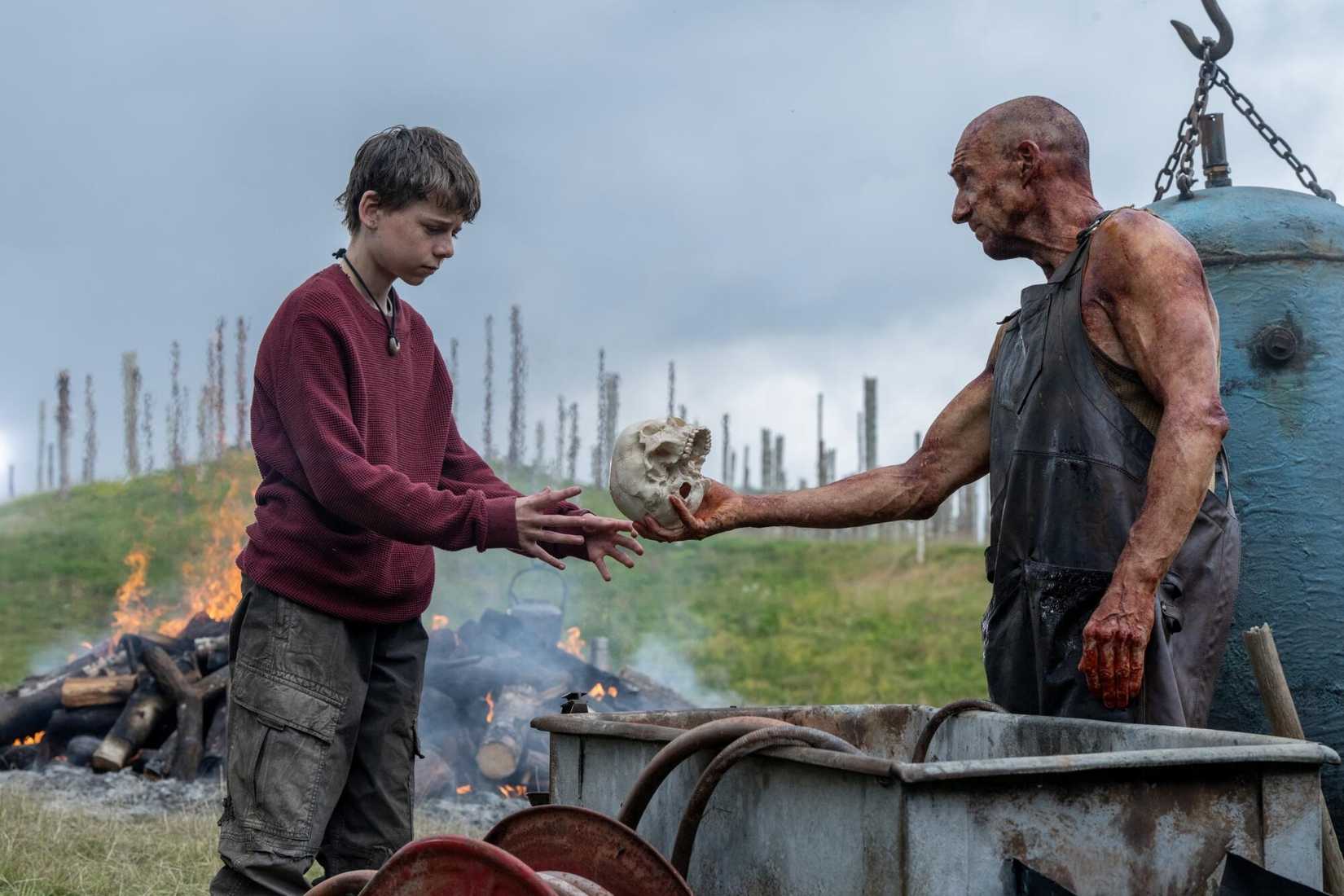
“That is where you’ve always been wrong about me, Lex,” says Superman. “I am as human as anyone. I love, I get scared. I wake up every morning, and despite not knowing what to do, I put one foot in front of the other, and I try to make the best choices I can. I screw up all the time, but that is being human, and that’s my greatest strength. And someday, I hope, for the sake of the world, you understand that it’s yours too.”
Dune
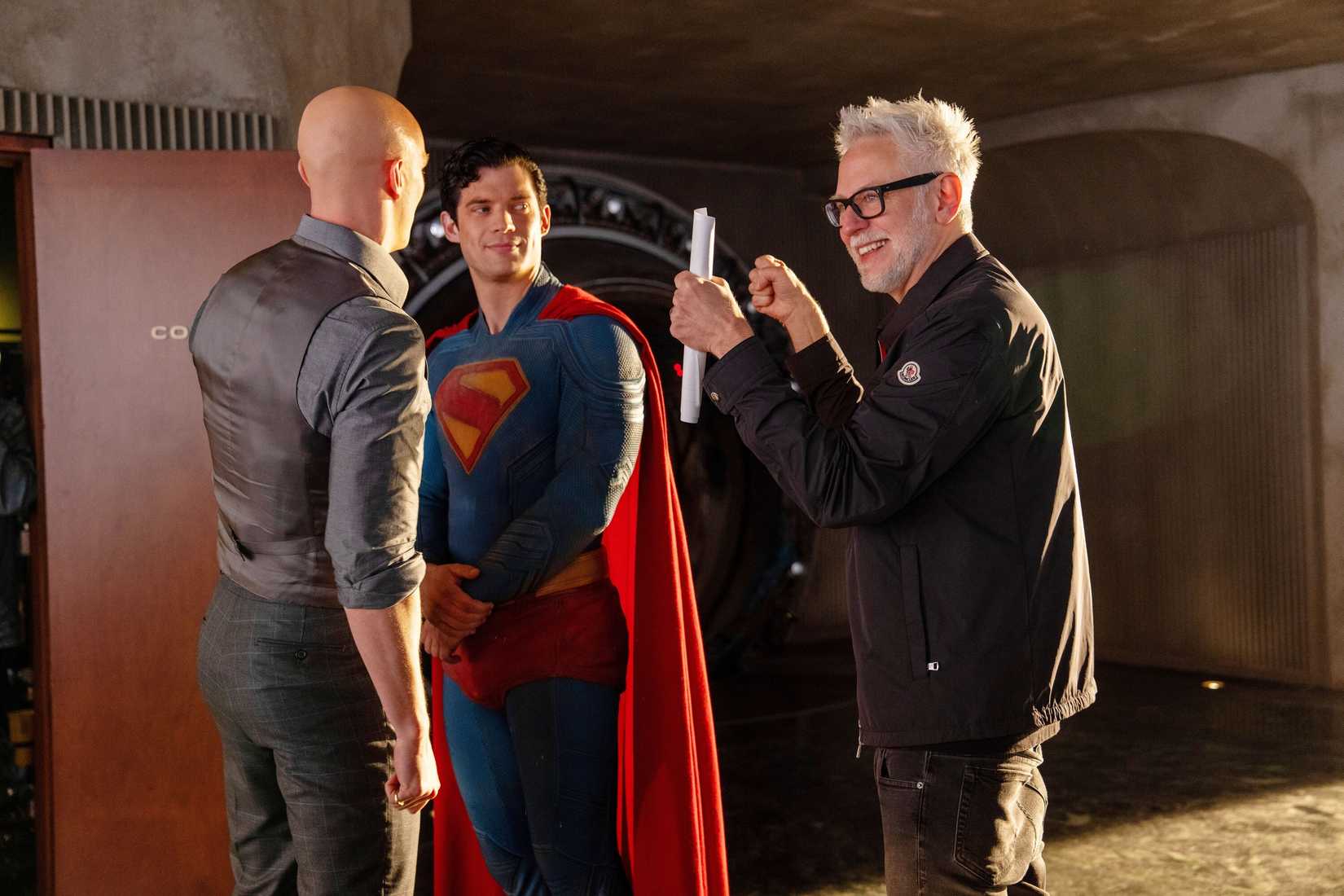
While technically originating in 1965 when Frank Herbert incorporated the phrase multiple times across his foundational Dune novel, Denis Villeneuve and co-screenwriters Jon Spaihts and Eric Roth utilized the mantra to breathtaking dramatic effect in their 2021 adaptation:
I must not fear. Fear is the mind-killer. Fear is the little-death that brings total obliteration.
This line forms the opening cadence of the "Litany Against Fear," a psychological discipline utilized by members of the House of Atreides. As the noble family at the center of the political and resource-driven struggle for control over Arrakis—the hostile desert planet rich in spice, the universe’s most coveted commodity—characters repeatedly recite this phrase to fortify their resolve against impossible odds. Decades after Herbert first penned the words, the mantra remains every bit as resonant and culturally impactful in the 2020s.
Project Hail Mary
The enduring appeal of Project Hail Mary lies heavily in its deeply emotional, uplifting core. The narrative follows Ryland Grace, a scientist portrayed by Ryan Gosling, who embarks on a high-stakes interstellar mission to a distant star system to uncover a solution to save Earth from total destruction by an aggressive solar phenomenon. Early in his journey, however, Grace struggles with profound self-doubt, genuinely convinced that he lacks the psychological fortitude required for deep-space travel or the monumental weight of saving humanity.
During an early exchange, Grace speaks with mission commander Yao Li-Jie, played by Ken Leung, confessing, "I don’t have the bravery gene that you all have." With unwavering moral certainty, Yao offers a profound and centering reply:
It’s not a gene. You just need someone to be brave for.
Though Grace nearly dismisses the sentiment as a standard platitude in the moment, this sincere and heartfelt exchange ultimately serves as the emotional engine of the entire film, guiding Grace as he learns to discover his courage for the sake of all mankind.