

Published September 14, 2026, by PETA Staff. Last Updated September 16, 2026.
In what animal advocates and toxicology experts are calling a major milestone for modern science, PETA scientists and their international collaborators have published comprehensive new data on a state-of-the-art, non-animal inhalation test. This innovative method relies entirely on human lung cells instead of live animals, marking a significant departure from decades-old regulatory testing procedures that have long depended on the use of millions of mammals every year.
The newly published findings are already beginning to reshape regulatory policy in the United States. Recently, the U.S. Environmental Protection Agency (EPA) utilized data drawn directly from this research to develop a novel approach for assessing the potential of specific chemicals to cause lung irritation. Crucially, the agency has acknowledged that this cellular model is far more human-relevant than traditional tests conducted on live animals, signaling a growing regulatory appetite for modern, mechanism-based testing strategies.
Before everyday commercial items—ranging from pharmaceuticals and agricultural pesticides to household cleaners and personal care goods—can be legally manufactured, bought, and sold, government regulatory agencies worldwide require rigorous toxicity testing. These assessments are designed to guarantee safety for both human consumers and the broader environment. However, many of the standardized protocols currently mandated by these agencies were developed decades ago. Consequently, they continue to consume the lives of millions of animals annually, despite growing scientific consensus regarding their limitations.
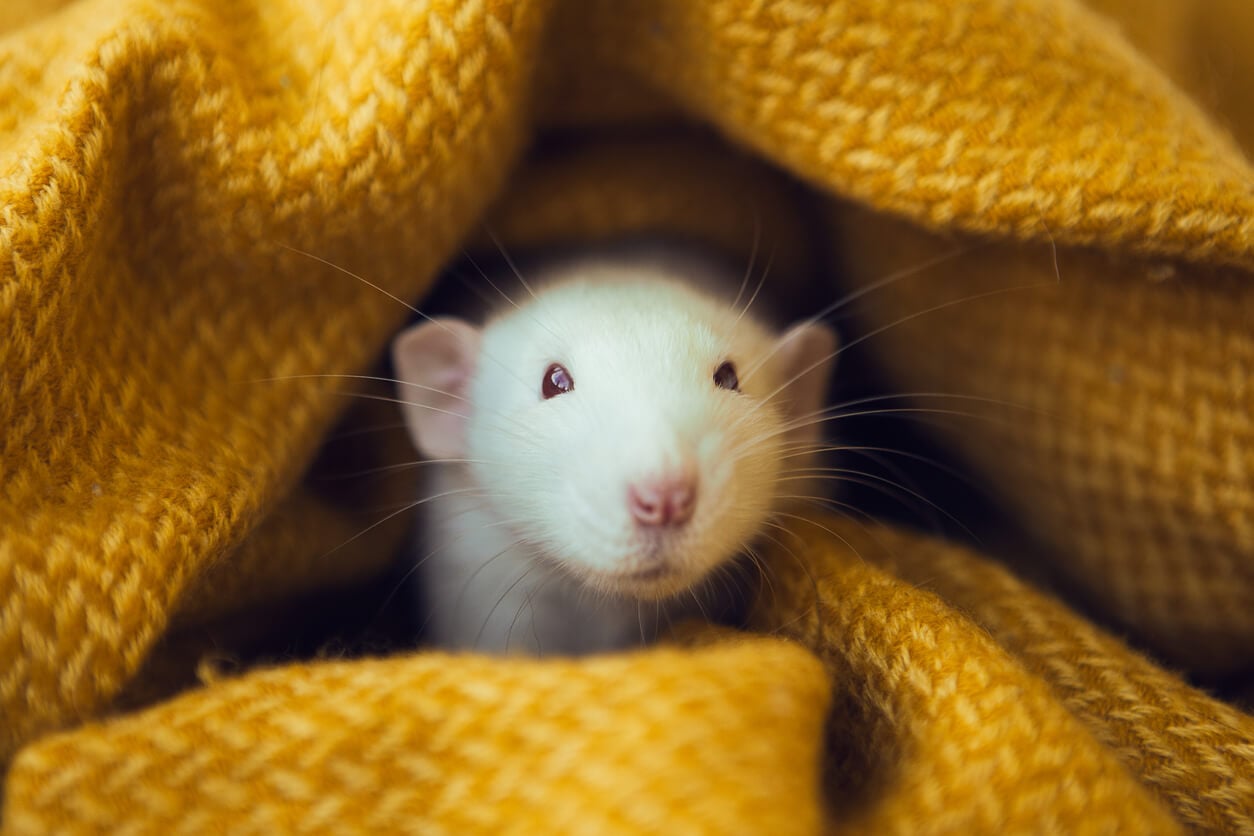
Traditional inhalation toxicity tests, for example, rely heavily on rodents—most commonly rats. In these conventional assays, animals are typically restrained inside narrow, confining tubes and forced to inhale aerosolized chemicals for extended periods before they are ultimately killed so that researchers can examine their internal organs. Beyond the severe ethical concerns raised by animal welfare organizations, these legacy tests face mounting scientific criticism because they fail to reliably predict how chemicals will actually affect human bodies. Human lungs possess a complex biological structure, cellular makeup, and physiological response mechanism that are distinctly different from those of rat lungs. Recognizing these fundamental anatomical and metabolic discrepancies, toxicologists and regulators have increasingly called for reliable, advanced chemical testing methods that accurately reflect human real-world experiences.
Over years of persistent scientific effort, PETA scientists and their academic and industry collaborators have successfully advanced a robust, non-animal testing alternative that evaluates how chemicals impact human lungs using genuine human biology. Rather than relying on whole-animal physiology, the innovative method utilizes a sophisticated, laboratory-grown tissue model that meticulously mimics the lining of the human upper airway. This engineered biological model incorporates specialized mucus-producing cells alongside tiny, hair-like structures known as cilia, which beat rhythmically in unison, exactly as they do within a living human respiratory tract.
By harnessing these advanced human tissues in combination with modern computer modeling techniques, researchers initially set out to evaluate two common chemical substances known as surfactants. Surfactants are ubiquitous ingredients found widely in everyday consumer items such as soaps, shampoos, and domestic cleaning solutions. The cutting-edge cellular method successfully and accurately identified biological changes directly associated with the irritation of respiratory tissue within human airways, proving the concept’s viability under laboratory conditions.
This initial phase of successful research laid the essential groundwork for an ambitious, highly coordinated international and multi-laboratory study. Funded and steered by PETA Science Consortium International e.V., the initiative expanded rapidly. Laboratories located across the United States, the United Kingdom, Switzerland, and India were supplied with the specialized, laboratory-grown human airway tissues and proceeded to conduct the identical testing protocols independently.
Through this coordinated global effort, what began as a localized experiment testing just two chemicals in a single laboratory expanded into a comprehensive validation study involving nearly twenty distinct chemicals tested across multiple independent facilities. The outcomes of this international collaboration demonstrated that these delicate biological tissues could be successfully packed and shipped across continents without losing their viability, ultimately producing reliable, highly reproducible results regardless of geographic location. Building this kind of widespread scientific confidence is an absolute necessity, as private corporations will refuse to adopt alternative testing methods, and government regulatory agencies will decline to officially accept them, unless the procedures function consistently and accurately no matter where they are performed.
Building upon this international momentum, the testing method reached another critical milestone in August, when it was officially accepted as a project proposal for formal consideration within the Organisation for Economic Co-operation and Development’s (OECD) Test Guideline Programme. The OECD, an intergovernmental organization comprising 38 member countries, plays a central role in establishing harmonized worldwide standards for chemical safety testing. While considerable work remains—including additional analytical testing, rigorous data evaluation, and exhaustive documentation—this procedural advancement signals extraordinary promise for future global regulatory acceptance. It also opens a clear pathway toward substantially reducing, and eventually replacing, animal inhalation testing worldwide. Over the coming years, PETA scientists and allied regulatory experts will continue collaborating to finalize a universally agreed-upon international test protocol.
Give Animals Room to Breathe by Supporting Compassionate Science
While scientific advocates and researchers celebrate these remarkable strides in human-relevant, non-animal methodologies, other federal agencies continue to maintain policies that stall progress. Notably, the U.S. Food and Drug Administration (FDA) still enforces requirements mandating that toothpaste manufacturers conduct animal toxicity tests before bringing products to market. Each of these mandated tests claims the lives of approximately 200 rats, even though sophisticated, human-relevant testing approaches that completely eliminate the need for animals are already fully developed and available for implementation. Animal welfare advocates continue to urge the FDA to modernize its regulatory framework and fully embrace reliable, non-animal approaches for assessing the safety of oral care products.