
Cabbage remains one of the most reliable, cost-effective, and surprisingly versatile vegetables available in modern grocery stores. Home cooks and professional chefs alike frequently turn to this cruciferous green when seeking maximum value and adaptability. Its culinary applications span a wide spectrum, from being shredded raw into crisp, vinegar-forward slaes to being roasted in thick wedges until the natural sugars caramelize into deep, savory notes. Yet, when it comes to cooking cabbage on the stovetop, many culinary enthusiasts instinctively default to familiar pan-Asian stir-fry methods, utilizing high heat, soy sauce, and aromatic ginger.
While those techniques certainly produce exceptional results, expanding one’s cooking repertoire to include Mediterranean flavor profiles offers an entirely new dimension of taste and texture. Specifically, drawing direct inspiration from traditional Greek rice pilaf transforms ordinary sautéed cabbage into a complex, deeply savory dish bursting with rich regional character. By translating the foundational building blocks of classic Greek rice preparation into a vegetable-forward canvas, cooks can elevate an unpretentious head of cabbage into the starring element of a meal.
The Anatomy of Greek Rice and Its Application to Cabbage
To understand how this technique upgrades sautéed cabbage, one must first look at the mechanics of authentic Greek rice. Unlike a simple boiled side, Greek rice is built pilaf-style. The process begins by gently sautéing and blooming aromatic vegetables alongside warm spices in high-quality olive oil before introducing the grains, broth, and a bright hit of fresh lemon juice. This method ensures that every individual grain of rice absorbs layers of flavor rather than merely tasting like the liquid it was boiled in.
Translating this methodology to cabbage creates a variation often recognized as Greek cabbage rice, though the vegetable significantly outclasses the grain in volume and presence. Instead of a heavy rice dish with a few vegetable garnishes, this preparation flips the ratio, resulting in a tender, vegetable-laden dish anchored by just a small portion of rice.
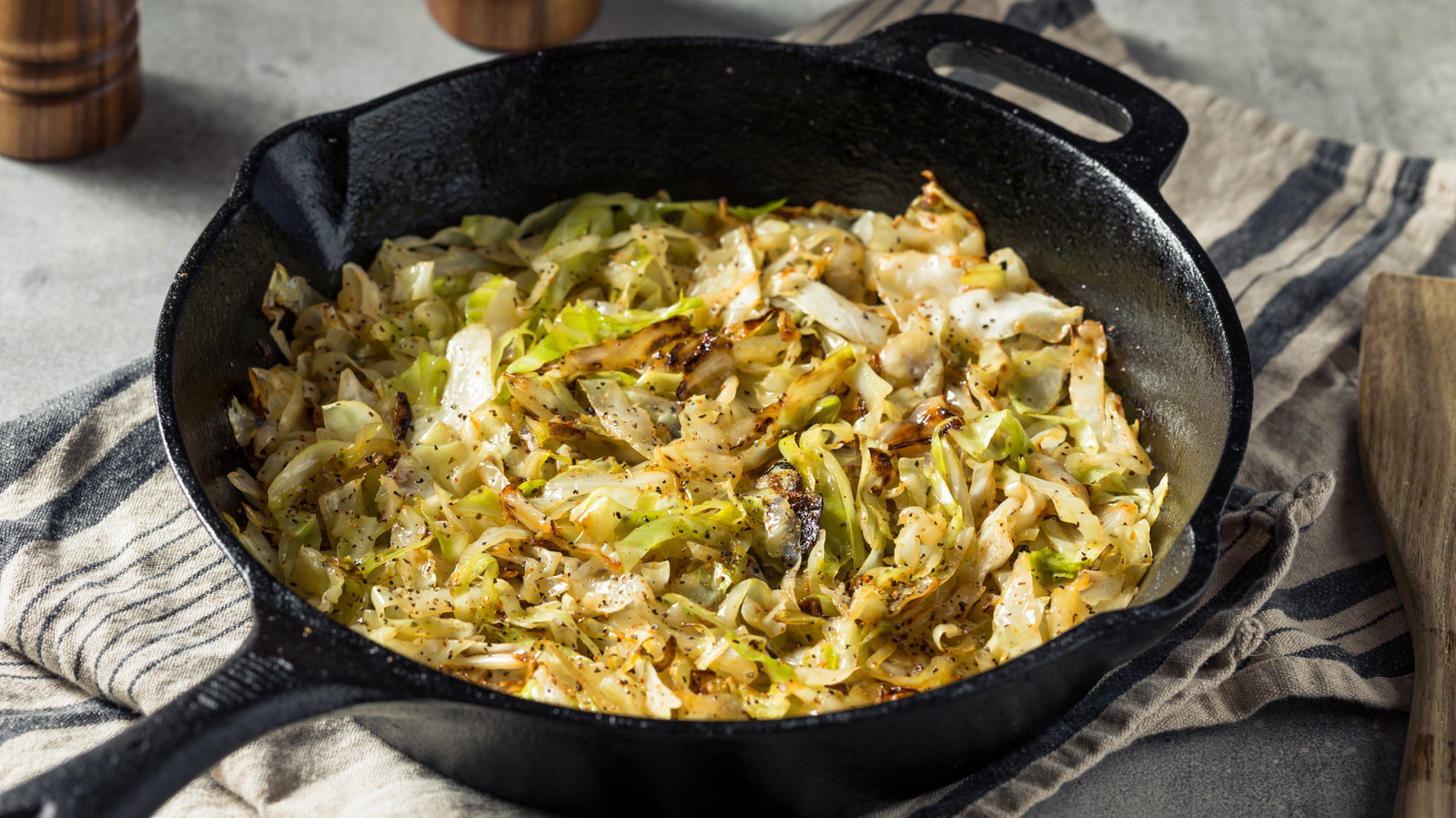
The cooking sequence mirrors its pilaf predecessor closely. The foundation begins in a skillet with a generous drizzle of olive oil, heating a comprehensive aromatic base composed of finely diced onions, garlic, leeks, carrots, and celery. Once these vegetables have softened and released their natural sweetness, concentrated tomato paste and hot paprika are stirred directly into the oil. This crucial step toasts the tomato paste, unlocking deep umami undertones, while the paprika introduces a subtle, warming smokiness that cuts through the natural earthiness of the vegetables.
Next comes the cabbage itself—typically half a head, finely chopped or shredded. Cooks add a modest splash of water to help jump-start the softening process before covering the skillet to let the cabbage steam down into silky tenderness. Finally, a small portion of arborio rice, a single bay leaf, and additional water are introduced to the skillet. As the contents simmer, the arborio rice releases its starches, lending a creamy, comforting chew to the mixture, while the cabbage completely melds with the aromatic base. The resulting dish delivers a complex Mediterranean flavor profile characterized by smoky, sweet, and savory notes, balanced by tender textures and a comforting heft.
Serving Ideas and Flavor Enhancements for Greek Cabbage Rice
While the foundational dish stands firmly on its own merits, the inherent versatility of Mediterranean cooking opens the door to numerous creative finishing touches and serving suggestions. Because the dish relies heavily on rich, savory depths from the tomato paste and paprika, introducing contrasting elements of brightness, texture, and saltiness completes the culinary experience.
A traditional finishing touch involves folding in fresh lemon juice just before serving to instantly lift and brighten the dense vegetable flavors. For an even more pronounced citrus profile, cooks can incorporate freshly grated lemon zest alongside the juice, mirroring techniques often used in classic lemon rice pilaf recipes. Furthermore, swapping the initial cooking water for rich chicken or vegetable broth enhances the overall richness, infusing the cabbage and rice mixture with an extra layer of savory depth.
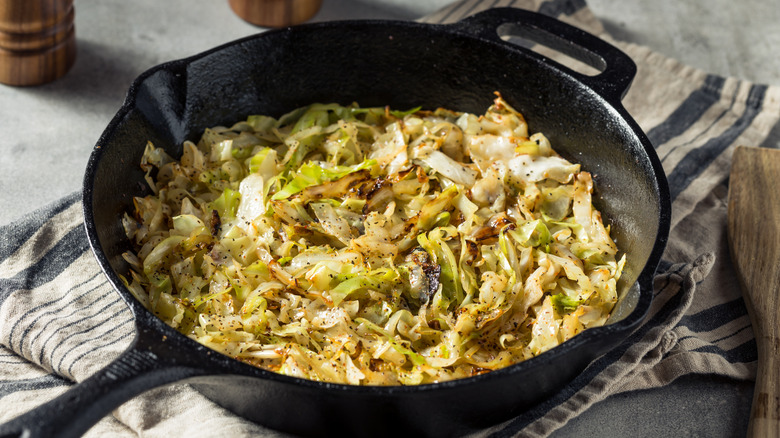
Textural and flavor contrasts can be introduced easily during the final plating stage. Sprinkling fresh chopped parsley over the top adds a vibrant herbaceous note, while crumbled feta cheese introduces a necessary hit of salty creaminess. For those seeking a toasted crunch, scattered slivers of roasted almonds provide a pleasant textural break. Alternatively, folding in sliced kalamata olives offers pockets of briny, umami-rich chew. To lean further into the savory profile established by the tomato paste, cooks can mix in chopped sun-dried tomatoes accompanied by a drizzle of their infused packing oil. An aromatic garnish of crispy fried onions or shallots provides a sophisticated, golden finish.
When considering where to place this vibrant dish on the dinner table, Greek cabbage rice pairs naturally with a wide assortment of Mediterranean proteins. It serves as an ideal accompaniment to flaky baked fish, such as tilapia prepared with a simple olive and caper tapenade. Alternatively, it stands up brilliantly next to a platter of traditional beef and lamb gyros, or paired with garlic-forward baked chicken served alongside cool, tangy tzatziki. For those planning a completely vegetarian spread, the cabbage rice fits seamlessly into a spread of mezze items, joining an assortment of mixed olives, creamy hummus, roasted eggplant dishes, and freshly baked spanakopita to create a cohesive, deeply flavorful dining experience.