For a beverage to decisively out-caffeine standard coffee, manufacturers must deliberately formulate it to push past conventional boundaries. While cold brews and specialized canned coffees have long catered to this demand, an eclectic array of alternative drinks—ranging from functional teas and premium hot chocolates to high-powered matcha blends and powdered hydration mixes—have successfully entered the market. These products offer caffeine content that dwarfs a traditional cup of coffee, though health professionals consistently remind consumers to navigate these potent options with caution, keeping the recommended safe daily limit of 400 milligrams in mind while remaining vigilant against the side effects of caffeine overconsumption.
Bang Energy Drink
While the broader category of energy drinks often averages lower caffeine levels per serving than a cup of coffee, the market features immense variance from brand to brand. Among the heaviest hitters in this space is Bang Energy, which packs a substantial 300 milligrams of caffeine into a standard 16-ounce can. Even for consumers who choose to consume only half the can, the resulting 150 milligrams per 8-ounce equivalent still significantly outpaces the caffeine density of regular coffee. Because the official serving size is the entire 16-ounce container, however, consuming the whole beverage delivers a jolt that places it in an entirely different category of stimulation.
The brand has experimented with various formulations over time, including the Bang Natural line, which scales back the caffeine content to 250 milligrams per 16-ounce can. While slightly milder than its flagship counterpart, a half-can portion still exceeds the strength of a standard cup of coffee. The company has also previously explored caffeine-free variations across a handful of flavors, though those particular offerings have since been phased out of production, leaving the brand primarily focused on its high-stimulant core identity.
Republic of Tea HiCAF Tea
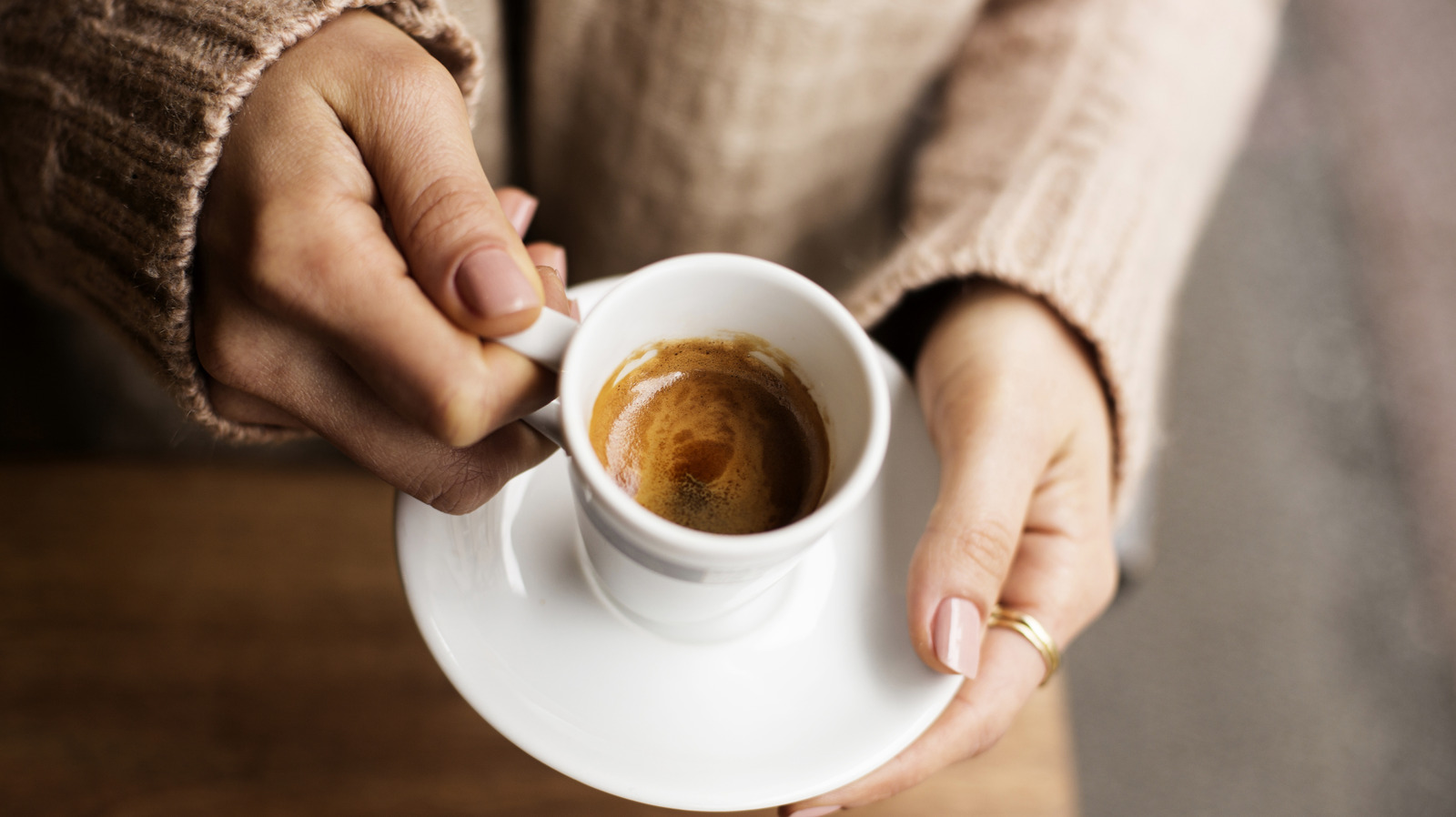
A common point of confusion among beverage enthusiasts is the botanical reality of tea leaves versus coffee beans. Raw tea leaves actually contain higher concentrations of caffeine than coffee beans prior to brewing. However, the brewing process extracts significantly more caffeine from coffee beans than from tea leaves, meaning that an ordinary cup of brewed tea naturally trails far behind coffee in potency. To bridge this gap, specialty brands must artificially elevate the caffeine content, as demonstrated by the HiCAF Tea line from The Republic of Tea.
These specialized teas incorporate added green tea extract alongside extra caffeine sourced directly from tea leaves. While the exact potency varies across the extensive flavor lineup, nearly every option in the collection packs more caffeine per individual tea bag—typically steeped in 8 ounces of water—than a standard cup of coffee. On the milder end of the spectrum is the Breakfast Black variety at 110 milligrams per bag, while options like the Toasted Coconut Black Tea push boundaries even further, delivering a robust 140 milligrams of caffeine per single serving.
Drippco Caffeinated Hot Chocolate
Consumers looking for a warm morning beverage other than coffee or tea often turn to hot cocoa, typically relying on homemade additions or store-bought additives to introduce a caffeine boost. Recognizing this gap in the market, Drippco introduced a commercially available Caffeinated Hot Chocolate designed to skip the extra preparation steps entirely. Each single-serving pouch contains 150 milligrams of caffeine, formulated to be mixed with 6 to 10 ounces of liquid. While the company suggests a preparation ratio of 6 ounces of water combined with 2 ounces of milk, consumers retain the flexibility to use entirely milk or water depending on personal preference.
Currently, Drippco’s market presence centers primarily on its classic cocoa flavor profile without branching into alternative variations. While maintaining a streamlined product focus offers distinct manufacturing advantages, industry observers note potential room for expansion into traditional milk, dark, or white chocolate profiles, as well as creative flavor avenues like salted caramel, which could better capture consumers searching for rich, caffeinated comfort beverages.
ACTA Matcha Energy Tea
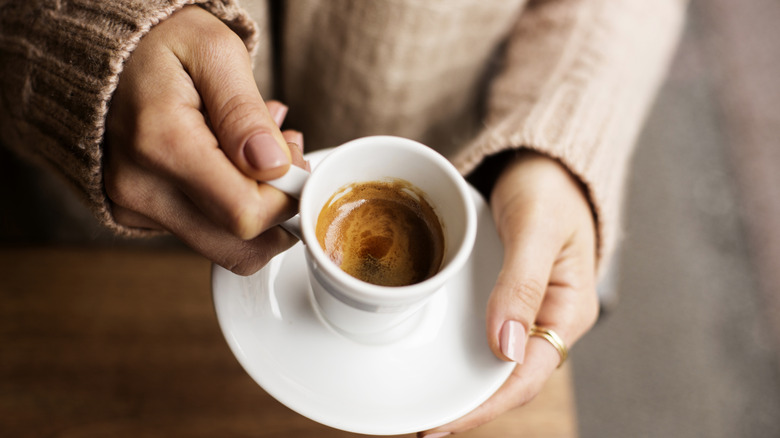
Matcha naturally commands the highest caffeine concentration among traditional tea categories due to its unique preparation method, which involves consuming finely ground whole tea leaves rather than steeping and discarding them. Even so, standard matcha preparations typically fall short of matching the potency of a strong cup of coffee. Enter ACTA Matcha Energy Tea, a product designed to surpass conventional expectations by offering more than double the natural caffeine content found in regular matcha. According to the manufacturer, a single serving delivers 170 milligrams of caffeine, outstripping the stimulating power of two standard espresso shots.
The brand’s marketing strategy leans heavily into positioning the beverage as a superior alternative to coffee, emphasizing that its formulation is gentler on tooth enamel and stomach linings. Furthermore, the product pairs its natural caffeine payload with L-theanine to promote a smoother, less jittery energy release. Alongside traditional hot or cold preparation, the powder can also be blended directly into smoothies, providing an alternative to consumers who might otherwise lean toward adding instant coffee to their blended morning drinks.
Zest Energy and Hydration Powder
Zest maintains a diverse portfolio of high-caffeine goods encompassing traditional teas and energy drinks, but its line of hydration powders introduces a unique mechanism for instantaneous caffeine enhancement. Rather than requiring a brewed or ready-to-drink format, a single-serving packet of Zest’s Blackberry Lemonade Energy and Hydration Powder dissolves directly into a standard bottle of water, instantly transforming ordinary hydration into a high-stimulant beverage containing 250 milligrams of natural caffeine.
While the majority of the brand’s hydration powder collection focuses primarily on supporting physical recovery through creatine and electrolytes, the energy-focused variant carves out a distinct niche. Available exclusively in the blackberry lemonade flavor profile, the product appeals directly to consumers who enjoy the taste while prioritizing the ultimate convenience of dropping a packet into water, shaking, and consuming a caffeine level that easily eclipses a standard cup of coffee.