



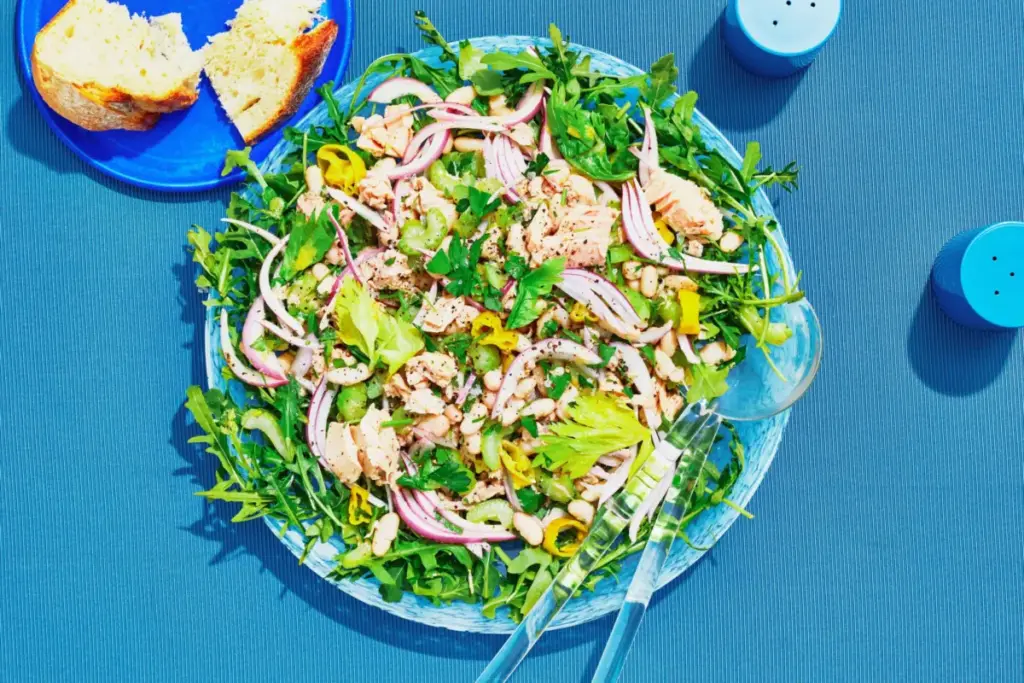
The foundation of this updated dish begins with the selection of the protein itself. For the silkiest possible texture and the richest flavor profile, culinary professionals emphasize the importance of using tuna packed in olive oil rather than water. Water-packed varieties tend to yield a drier, more compact texture that resists absorbing the nuanced flavors of a vinaigrette. By choosing oil-packed fish, home cooks can ensure that the flakes remain tender, rich, and capable of melding seamlessly with the bold supporting ingredients.
To build the flavor profile, the recipe incorporates thinly sliced red onions and zesty peperoncini, paired with a generous splash of their tangy brine. This acidity is further heightened by the addition of finely grated lemon zest and fresh lemon juice, which cut through the natural richness of the olive-oil-packed fish. A tablespoon of Dijon mustard acts as a natural emulsifier, bringing the bright citrus juice and extra-virgin olive oil together into a cohesive dressing, balanced by precise amounts of kosher salt and freshly ground black pepper.
Rather than standing alone as a simple protein mixture, this salad gains significant heft and substance from the inclusion of a can of white beans, such as cannellini or chickpeas. Once rinsed, these legumes add a creamy texture and nutritional depth, transforming the tuna from a mere sandwich filling into a robust, standalone dish. Thinly sliced celery stalks, along with any of their delicate reserved leaves, contribute a sharp, satisfying crunch, while a cup of coarsely chopped parsley introduces a burst of fresh, herbaceous vibrancy.
Serving suggestions elevate the dish even further, steering diners away from standard sandwich bread and toward peppery greens like arugula or hardy chicories such as radicchio. The natural bitterness and peppery bite of these greens offer a sophisticated counterpoint to the rich tuna and creamy white beans. Accompanied by rustic country-style bread, the combination creates a balanced plate that feels both sophisticated and deeply comforting.
For those planning ahead, the components of this dish offer exceptional meal-prep utility. By storing the tuna salad mixture and the fresh greens in separate containers, home cooks can prevent the delicate leaves from wilting or becoming soggy. Kept apart, the punchy, fresh flavors remain intact throughout the busy workweek, making it an ideal option for weekday lunches.
Packing the meal for transport requires a simple, efficient method that also serves to dress the greens just before consumption. Cooks can spoon the flavorful tuna mixture into the bottom of a container, top it directly with a handful of fresh greens, and seal the lid. Kept refrigerated until it is time to eat, the container can simply be given a vigorous shake or flipped upside down onto a plate, allowing the bright vinaigrette from the tuna to naturally dress the greens at the exact moment of service.
This olive-oil-based tuna approach highlights a broader culinary movement away from heavy, mayonnaise-heavy preparations toward lighter, acid-forward alternatives. Similar explorations in the realm of no-mayo midday meals include creamy tahini chicken salads, dill pickle potato salads, and chopped salads featuring sardines paired with preserved lemon. As food enthusiasts continue to explore the vast world of tinned fish, versatile preparations like this Italian-style tuna salad provide an accessible entry point for incorporating pantry staples into fresh, dynamic everyday cooking.