

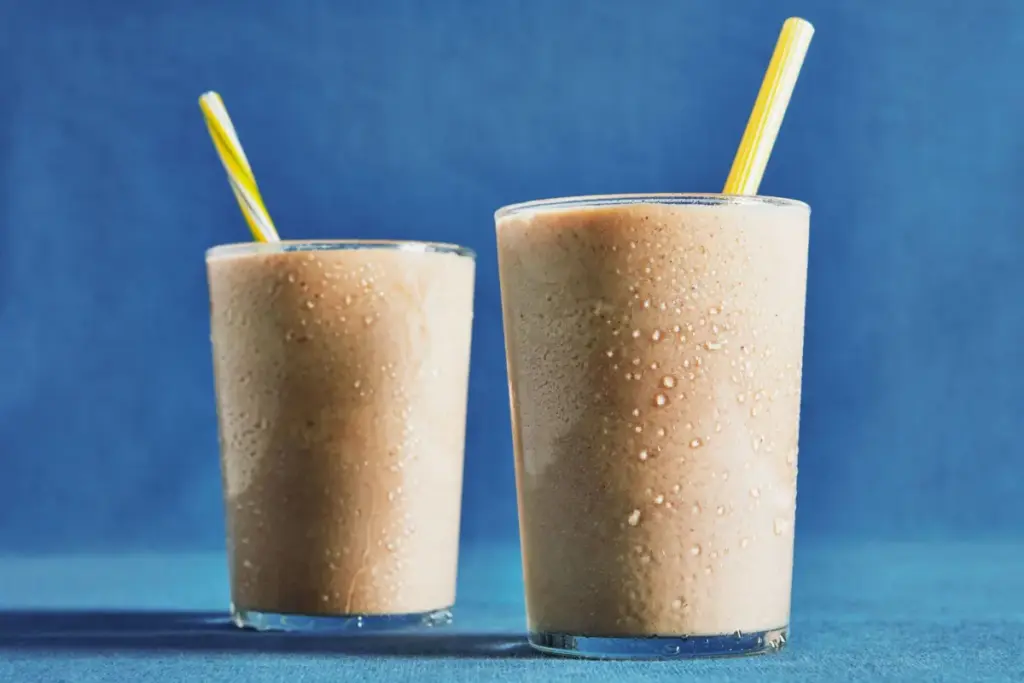
To the uninitiated, mistaking a classic California date shake for a modern wellness smoothie is an easy trap to fall into, but anyone familiar with the sun-drenched expanse of Southern California’s Coachella Valley knows the truth. Far from being a fleeting health trend blended from leafy greens and protein powders, the authentic date shake is a decadent, unapologetically rich, and intensely sweet milkshake rooted deeply in the agricultural history of the region. As a cherished specialty of the desert climate where towering date palms thrive under the relentless sun, the traditional date shake has long been a roadside staple for travelers and locals alike, cementing its status as an iconic culinary ambassador of the American Southwest.
Over the decades, this regional treasure has naturally inspired countless contemporary iterations. As culinary trends shifted and home cooks sought lighter or more experimental variations, the classic beverage began spawning endless adaptations featuring frozen bananas, plant-based alternatives like almond milk, probiotic-heavy Greek yogurt, or various rich nut butters. Yet, despite the modern parade of alternative ingredients, culinary purists and long-time fans argue that the truest expressions of the beverage keep the spotlight firmly where it belongs: on the star agricultural product itself, paired harmoniously with classic store-bought vanilla ice cream.
At the heart of the most successful traditional preparations is the Medjool date. Fudgy, naturally sweet, and possessing a deep caramel-like flavor profile, pitted Medjool dates supply both the signature flavor and the remarkably thick, velvety texture that defines a genuine date shake. To elevate the classic profile without straying into overly complex territory, traditional formulations often introduce subtle aromatic elements, such as a mere pinch of ground cinnamon to provide a gentle, warming undertone. Furthermore, contemporary culinary refinements have found that incorporating a touch of tahini introduces a sophisticated, nutty depth while simultaneously contributing to an exceptionally silky mouthfeel.
Achieving that restaurant-quality consistency at home, however, requires a bit of mechanical preparation rather than complex culinary artistry. For the smoothest possible shake, seasoned kitchen experts recommend a two-fold approach: soaking the dates in hot water for approximately ten minutes prior to blending, and giving the ice cubes a few quick pulses in the blender to give them a head start before the remaining elements are introduced. These small preparatory steps ensure that even standard kitchen appliances can break down the dense, fibrous fruit and hard ice without leaving behind unwelcome chunks or watery separation.
Date Shake FAQ
As the popularity of the regional delicacy continues to spread far beyond the borders of the Coachella Valley, home cooks frequently encounter common technical questions regarding the preparation process. Addressing these nuances helps demystify the art of crafting a proper date shake, ensuring that the final product maintains the rich, thick character expected of an authentic California classic.

One of the most frequent inquiries revolves around whether the initial soaking phase is strictly mandatory. Soaking the Medjool dates in hot water for ten minutes serves a vital functional purpose: it softens the dense flesh so that the fruit breaks down much more easily and uniformly inside the blender blade. Crucially, cooks are advised to save the warm soaking liquid rather than discarding it, as adding just a tablespoon of this nutrient-rich water back into the shake—along with additional splashes as needed—acts as a natural binding agent to help everything whirl together into a seamless mixture. While culinary traditionalists using ultra-powerful, high-speed appliances like a Vitamix might technically bypass the soaking step and still achieve a passable result, experts note that the ultimate silkiness of the final beverage is consistently maximized when the dates are given that brief hydration window.
Another common technical hurdle involves the handling of ice. Questions often arise regarding why the recipe calls for crushing the ice prior to the introduction of the other ingredients. Pulsing the ice cubes a few distinct times in the blender container shatters them into smaller, manageable fragments before the heavy ice cream and sticky dates go in, thereby helping the frozen components incorporate far more evenly throughout the mixture. Cooks are cautioned, however, not to completely pulverize or liquefy the ice at this preliminary stage; the goal is simply to pulse the cubes just until they are lightly crushed, creating a foundational texture that prevents the blender motor from stalling once the thicker elements are added.
For those kitchens lacking top-tier culinary machinery, the feasibility of producing a quality date shake remains a point of discussion. The consensus among culinary testers is that while a high-speed blender undoubtedly delivers the smoothest, most professional results, home cooks are by no means shut out of the experience if they rely on standard equipment. By strictly adhering to the preparatory recommendations—namely, adequately softening the dates through hot water immersion and preemptively breaking down the ice cubes—even a modest, standard household blender can efficiently process the ingredients without overworking the motor or resulting in a grainy texture.
Finally, the question of ingredient selection often centers on the specific variety of fruit required for success. Culinary professionals emphasize that not all dates are created equal, and the recipe specifically calls for Medjool dates due to their unique physical and chemical properties. Unlike smaller, drier date varieties that are better suited for baking or long-term storage, Medjool dates are exceptionally soft, plump, and bursting with a natural, caramel-like sweetness that dominates the flavor profile of the beverage. Because they lack the fibrous, tough exterior of lesser varieties, they melt effortlessly into the dairy, creating the signature foundation that has kept Southern California roadside stands in business for generations.