


A federal judge has temporarily blocked the Trump administration’s sweeping plans to relocate the U.S. Forest Service headquarters to Utah and shutter its network of regional offices across the country. The preliminary injunction halts a massive organizational restructuring that threatens to upend the management of 193 million acres of public land nationwide, directly affecting how millions of Americans access, enjoy, and protect national forests and grasslands.
On October 13, U.S. District Judge Vince Chhabria issued a decisive 40-page ruling determining that the U.S. Department of Agriculture (USDA) cannot proceed with its proposed office closures or force federal employees to relocate while a complex legal challenge against the overhaul moves forward in court. The preliminary injunction also places a temporary pause on parallel restructuring initiatives across several other divisions within the broader USDA framework.
The legal challenge was brought forward by a coalition of labor unions, local governments, and conservation organizations that argued the agency’s restructuring plan bypassed statutory guardrails and violated congressional restrictions governing federal appropriations and spending. While Judge Chhabria’s ruling did not pass ultimate judgment on whether the restructuring represents sound public policy, it strongly validated the plaintiffs’ arguments regarding federal funding limitations. The court found that the department was likely violating congressional spending restrictions by utilizing appropriated funds to close established offices and forcibly relocate workers without proper authorization.
The administration’s restructuring proposal, first announced in March, aimed to dramatically decentralize the federal agency by moving its primary headquarters from Washington, D.C., to Salt Lake City, Utah. Under the blueprint, the Forest Service’s traditional structure of nine regional offices would be completely dismantled and replaced by 15 state-based offices. Additionally, the plan called for the closure of 23 research facilities, consolidating the agency’s scientific and ecological research operations into a single hub located in Fort Collins, Colorado.
When the restructuring plan was unveiled earlier in the year, Forest Service Chief Tom Schultz defended the initiative, arguing that the logistical shift would reduce bureaucratic red tape and place decision-making authority geographically closer to the vast public lands the agency manages.
The proposal also won immediate, vocal support from state officials in Utah. Following Judge Chhabria’s ruling, Utah Governor Spencer Cox, House Speaker Mike Schultz, and Senate President Stuart Adams issued a joint statement expressing deep frustration with the judicial block. Describing the decision as a setback for common sense and responsible land stewardship, the state leaders reiterated their long-held position that decisions affecting Western forests and natural resources should be determined locally, in close proximity to the rural and urban communities that depend on them economically and environmentally.
However, environmental groups and labor representatives view the administration’s blueprint through an entirely different lens, warning that dismantling the established regional framework could critically undermine environmental protections across the nation’s public lands.
Erik Molvar, executive director of the Western Watersheds Project—one of the key plaintiff organizations in the lawsuit—hailed the judge’s intervention. Speaking with reporters, Molvar emphasized that effective environmental oversight requires a robust, permanent presence of career professionals working directly within the federal agencies.
"You can’t have responsible public lands management and enforcement of environmental regulations without staff inside the federal agencies," Molvar said, pointing to the structural dangers of scattering institutional knowledge and dispersing specialized personnel.
What Does This Mean for People Who Use National Forests?
For everyday outdoor enthusiasts, conservationists, and citizens who utilize public federal lands, the immediate judicial ruling does not directly alter day-to-day access to the nation’s 154 national forests and 20 national grasslands. Millions of Americans who rely on these expansive landscapes for hiking, camping, hunting, fishing, climbing, and winter recreation will see no immediate changes to trailheads, campgrounds, or access roads as a result of the ongoing litigation.
Nevertheless, conservation advocates and public land policy experts warn that the long-term implications of the restructuring could be profound. Molvar and other critics argue that replacing multi-state regional offices with smaller, state-based leadership structures could inadvertently or intentionally grant individual state governments disproportionate and unchecked influence over federal public land management policies.
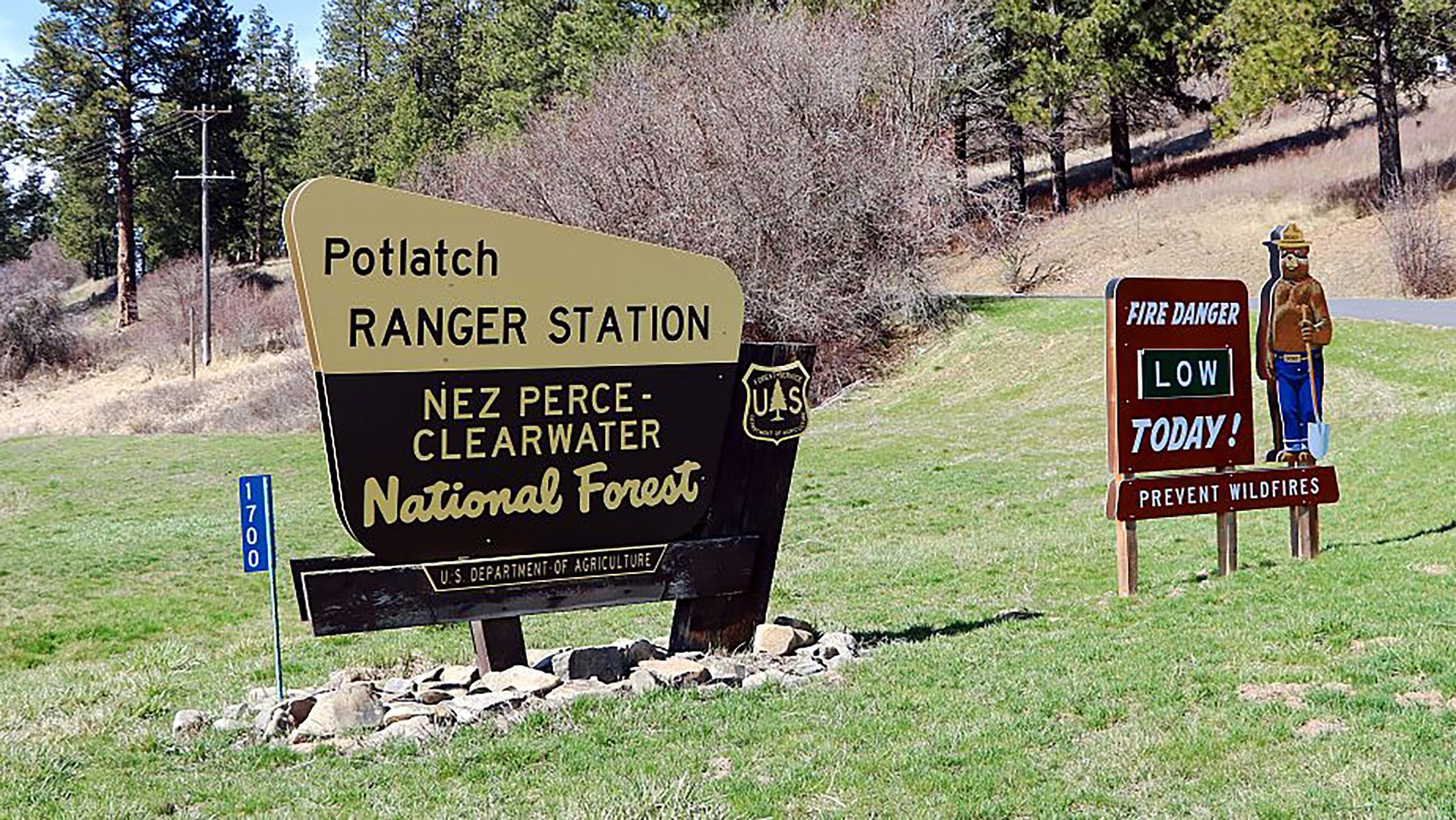
Critics contend that such a shift could accelerate pressure to open pristine wilderness areas to intensive commercial exploitation. Molvar expressed concern that the decentralization trend is part of a broader administrative effort to roll back crucial environmental regulations designed to safeguard public ecosystems from industrial interests.
"Overall, I think this is part of a broader move to remove regulations that protect our public lands from industrial and commercial uses," Molvar stated. "So this would trend towards more logging, more clear cuts, more overgrazed lands, and lower quality recreational experiences and less native wildlife."
Beyond conservation concerns, the human element of the restructuring has sparked intense pushback from federal workforce representatives. Everett Kelley, national president of the American Federation of Government Employees (AFGE)—which joined the coalition of plaintiffs challenging the USDA—emphasized that the court’s decision affirms statutory protections for federal employees. Kelley argued that Congress never granted the executive branch the authority to uproot the lives of civil servants and restructure agencies without explicit legislative consent.
"Today’s ruling keeps those workers on the job serving the American people, and AFGE and our allies will keep fighting for as long as it takes to make sure this administration follows the law," Kelley said in a statement.
What Happens Next?
The legal battle over the future of the U.S. Forest Service is far from settled, and the preliminary injunction may offer only a temporary reprieve for federal workers and conservation advocates.
In a brief statement responding to the court’s decision, a USDA spokesperson indicated that the department is currently reviewing Judge Chhabria’s ruling and intends to file its formal legal response with the court system. The underlying lawsuit remains fully pending, and both sides are bracing for extended litigation on the merits of the case.
Complicating the timeline further, the specific congressional spending restrictions that formed the legal foundation of the judge’s decision are scheduled to expire on December 11. As that legislative deadline approaches, Congress will hold the power to extend those fiscal restrictions, modify them, or allow them to lapse entirely. If the restrictions are permitted to lapse, the administration could potentially find a renewed legal pathway to revive its controversial relocation and consolidation plans.
Despite the uncertainties ahead, plaintiffs remain resolved to continue their legal campaign to permanently block the overhaul. Representatives from the Coalition to Protect America’s National Parks, another prominent nonprofit organization participating in the lawsuit, echoed the sentiment that while Wednesday’s ruling is a critical legal victory, the broader struggle to protect the integrity of federal land management is ongoing.
"This ruling is an important reprieve, but the fight continues as the case moves forward," the coalition noted in a public statement.
Molvar reaffirmed that the Western Watersheds Project and its legal allies are fully prepared to see the litigation through to its conclusion. "We’ll be continuing to litigate the case on the merits to kill this ill-conceived notion once and for all," he said.