Nearly two decades after achieving early retirement, renowned personal finance blogger and financial independence pioneer Mr. Money Mustache has shared a comprehensive look at his annual spending after a multi-year experiment aimed at deliberately loosening his famously frugal lifestyle.
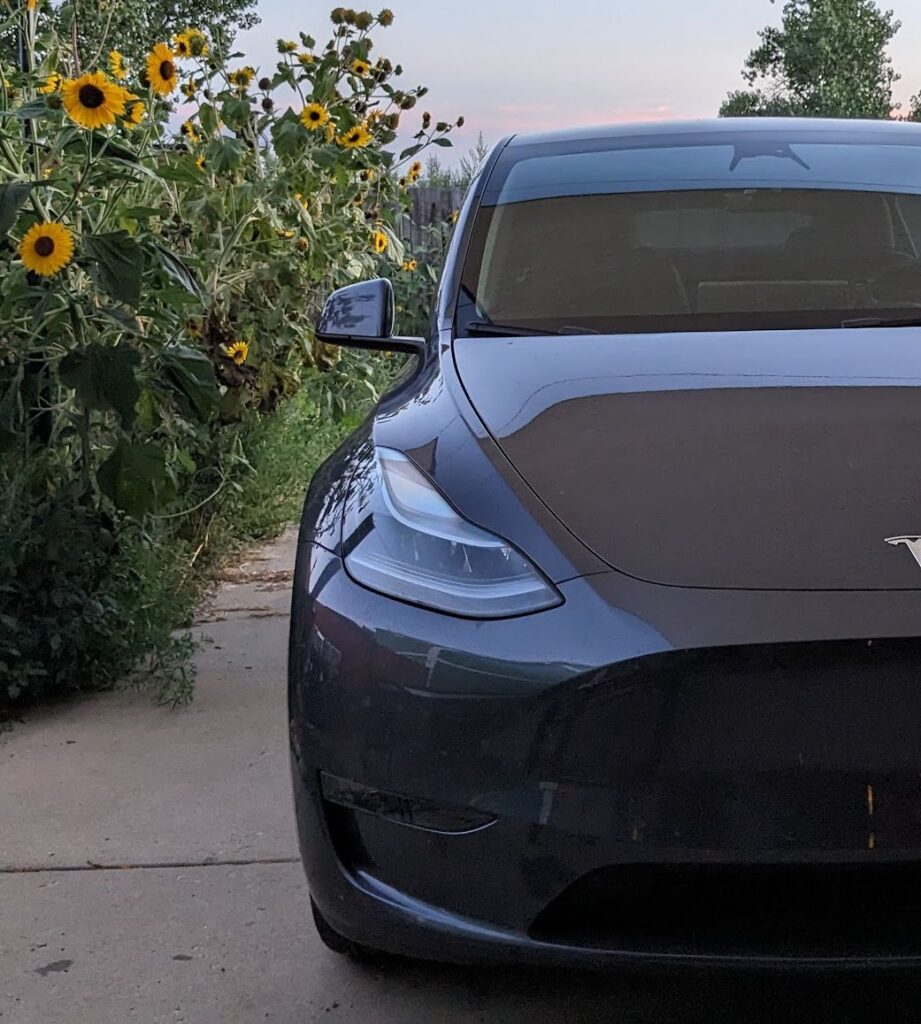
The financial experiment began a couple of years ago when the prominent online personality, whose real name is Pete Adeney, published a blog post discussing his conscious decision to spend a bit more money, starting with the purchase of a brand-new Tesla Model Y. For years, Adeney had built a massive following by advocating for extreme frugality, bicycle commuting, and intentional minimalism—a philosophy that helped him retire in his early thirties. However, with a multi-million-dollar investment portfolio and decades of financial security secured, he decided to test what an "abundance mindset" would actually look like in practice.
Reflecting on the initial phase of the shift, Adeney noted that the transition felt liberating. For two full years, he embraced a lifestyle of heightened comfort, traveling extensively and spending money in ways traditionally associated with affluent households. Rather than seeking out the absolute cheapest accommodations, he began booking hotels based on comfort and quality. When flying, he regularly paid extra for upgraded seats to reduce travel fatigue. His grocery habits shifted from discount warehouse clubs like Sam’s Club and Costco to premium organic grocers like Whole Foods, occasionally maintaining memberships at both.
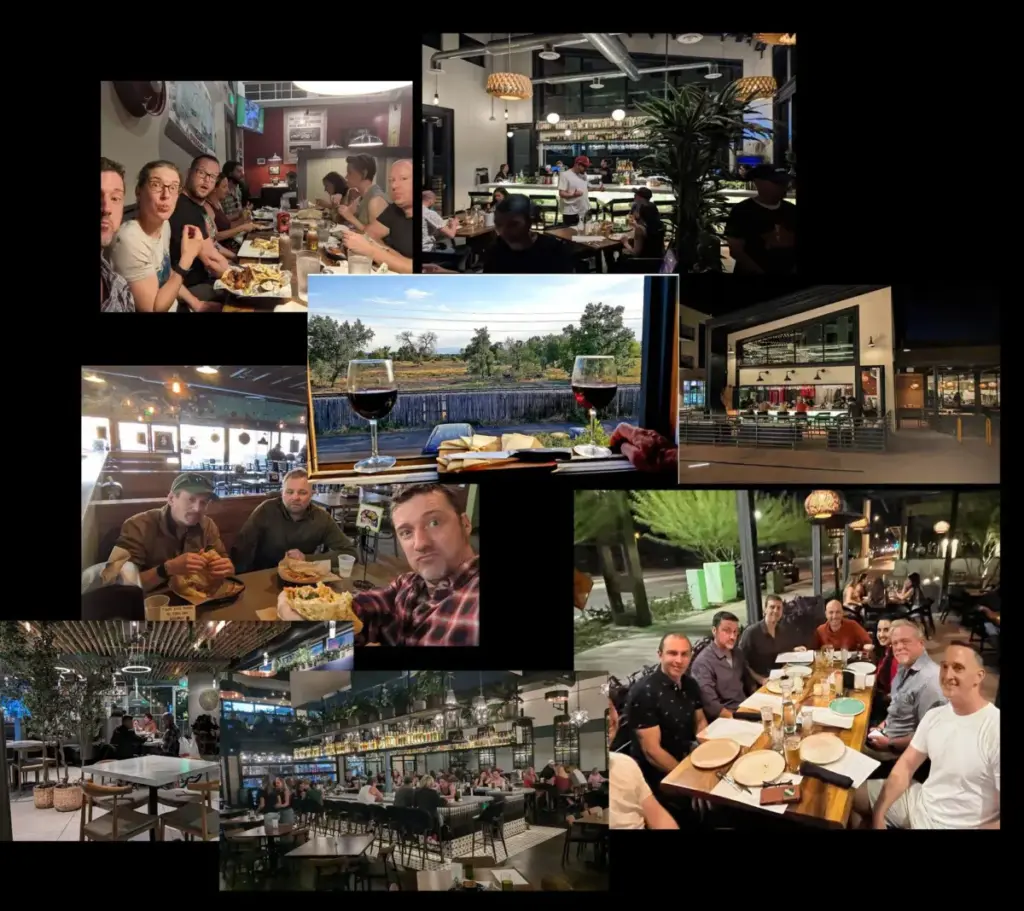
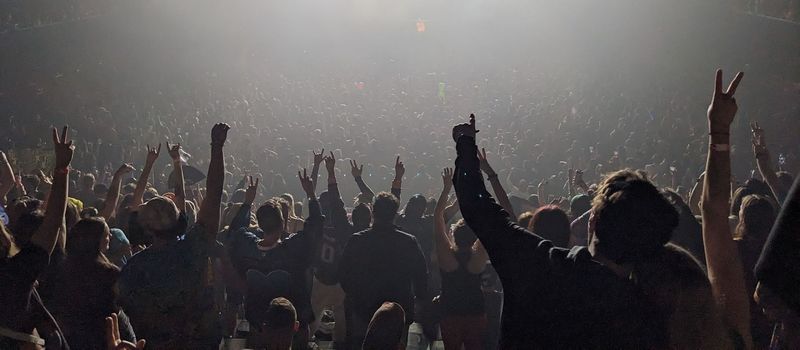
His social and leisure spending also expanded significantly. Alongside his young adult son, Adeney spent the year attending late-night electronic dance music concerts and visiting multiple Meowwolf immersive art installations, including a spontaneous Christmas Day road trip from his winter residence in Tempe, Arizona, to Las Vegas. As a single man for much of the period, he maintained a flexible schedule to rendezvous with friends, explore new regions, and network as opportunities arose. Despite the perception that he was living lavishly, Adeney admits he was having too much fun to pause and track the financial impact of his new habits.
That changed recently when he engaged in informal coaching sessions with a peer. To compare notes, the two decided to meticulously tally their respective expenditures for the previous year. When Adeney finally categorized his transactions into a spreadsheet and calculated the total sum, the results proved surprising even to him.
While his overall spending had indeed increased—particularly within travel-related categories—the macroeconomic impact on his net worth remained remarkably minimal. Depending on how variables such as vehicle expenses and business costs are accounted for, his annual personal spending rose from a historical baseline of roughly $20,000 to approximately $30,000, not including the hidden financial subsidy of a fully paid-off residential property.
This modest expenditure level remains easily sustainable through a standard safe withdrawal rate on a $1 million investment portfolio. Given that his actual investment nest egg sits significantly higher—bolstered by years of strong economic growth and a persistent stock market rally—Adeney remains well under his theoretical financial limits. Although he humorously admits to having "failed" to reach the higher spending thresholds typically recommended for wealthy retirees, the experiment left him genuinely satisfied. He noted that the abundance mindset introduced a new layer of enjoyment to his daily life, paving the way for future lifestyle experiments.
To provide full transparency to his readership, Adeney broke down his annual financial ledger across multiple categories, detailing expenses covered by both personal and business accounts.
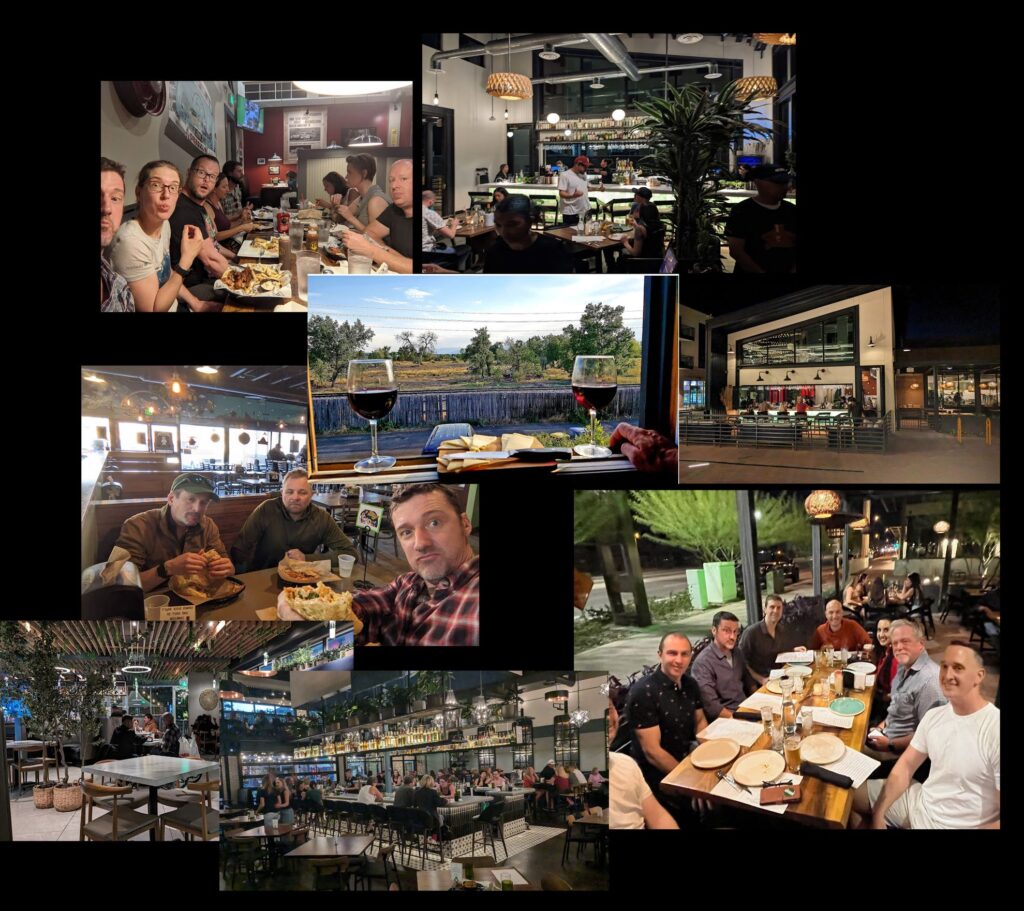
His grocery spending totaled $5,960.39, which covered food for himself, his young adult son about half the time, and visiting guests. Restaurant and dining out expenses reached $2,243.59, a category he reserved strictly for special social occasions rather than routine meals. Travel emerged as a primary driver of increased costs, totaling $6,158.77 across personal and business allocations, the latter of which funded professional gatherings such as Camp Fi and other industry-related conferences.
Utilities for his home amounted to $1,909.51. Meanwhile, Amazon and home-related expenditures totaled $3,554.10, though roughly 75 percent of the business-card allocation in this category represented construction materials purchased for clients—typically friends—which were later fully reimbursed via invoice. Spending on alcoholic beverages for entertaining was modest, registering at $250.67.
Healthcare costs remained relatively low at $3,536.66. This affordability was maintained through a direct primary care subscription combined with a high-deductible health-sharing organization, supplemented by out-of-pocket spending on advanced blood screening panels utilized for personal health tracking. Automobile expenses, which included vehicle insurance and registration fees, totaled $2,425.21, exclusive of standard depreciation.
Communication and technology costs included a $50 monthly gigabit internet connection and a modest mobile phone bill, totaling $1,410.56 annually when combined with business digital infrastructure. Finally, property taxes stood at $2,577.30, an amount Adeney noted was surprisingly reasonable given that homes in his neighborhood generally valued between $500,000 and $600,000. Combined, his personal card and business card expenditures culminated in a total annual outlay of $30,026.76.
Comparing these figures to his previously published spending data from 2019, Adeney highlighted that his expenses have remained remarkably stable despite the high inflationary pressures recorded across the broader economy in recent years. While he spent more on travel and recreational activities, his home renovation expenses decreased because frequent travel left him with less time for DIY construction projects around the house. Health insurance and medical-sharing memberships represented a new recurring cost compared to years past when he was entirely self-insured.
A critical factor keeping his annual cost of living low is the complete absence of housing debt. Having paid off his mortgage years ago, Adeney avoids the largest monthly expense facing most households. Furthermore, because he handles his own home maintenance, he incurs no recurring bills for lawn care, plumbing, tree pruning, or handyman services.
While acknowledging that paying off a mortgage entirely is not the mathematically optimal financial strategy—particularly given the opportunity to secure low-interest fixed debt during the historically low borrowing windows of 2021 and investing the principal in equity index funds—Adeney emphasizes the psychological value of absolute debt freedom. Beyond the elimination of mortgage payments, owning his home outright exempts him from traditional homeowners insurance requirements, saving an additional $2,000 annually and boosting the effective return on his paid-off asset.
On the healthcare front, Adeney continues to benefit from overall good health and fortune, incurring virtually no major medical procedures. He maintains a two-tiered medical strategy consisting of a direct primary care clinic membership at approximately $107 per month and a high-deductible health-sharing plan through Sedera for catastrophic protection. The combined monthly cost of roughly $308 undercuts standard commercial bronze insurance plans while offering personalized, zero-deductible primary care.
Reflecting on the broader philosophy of resource allocation, Adeney considers money to be a functional tool for survival and self-actualization. Citing psychological principles suggesting that resolving persistent personal frictions yields greater happiness than merely amplifying existing comforts, he evaluates where his lifestyle could be further optimized.
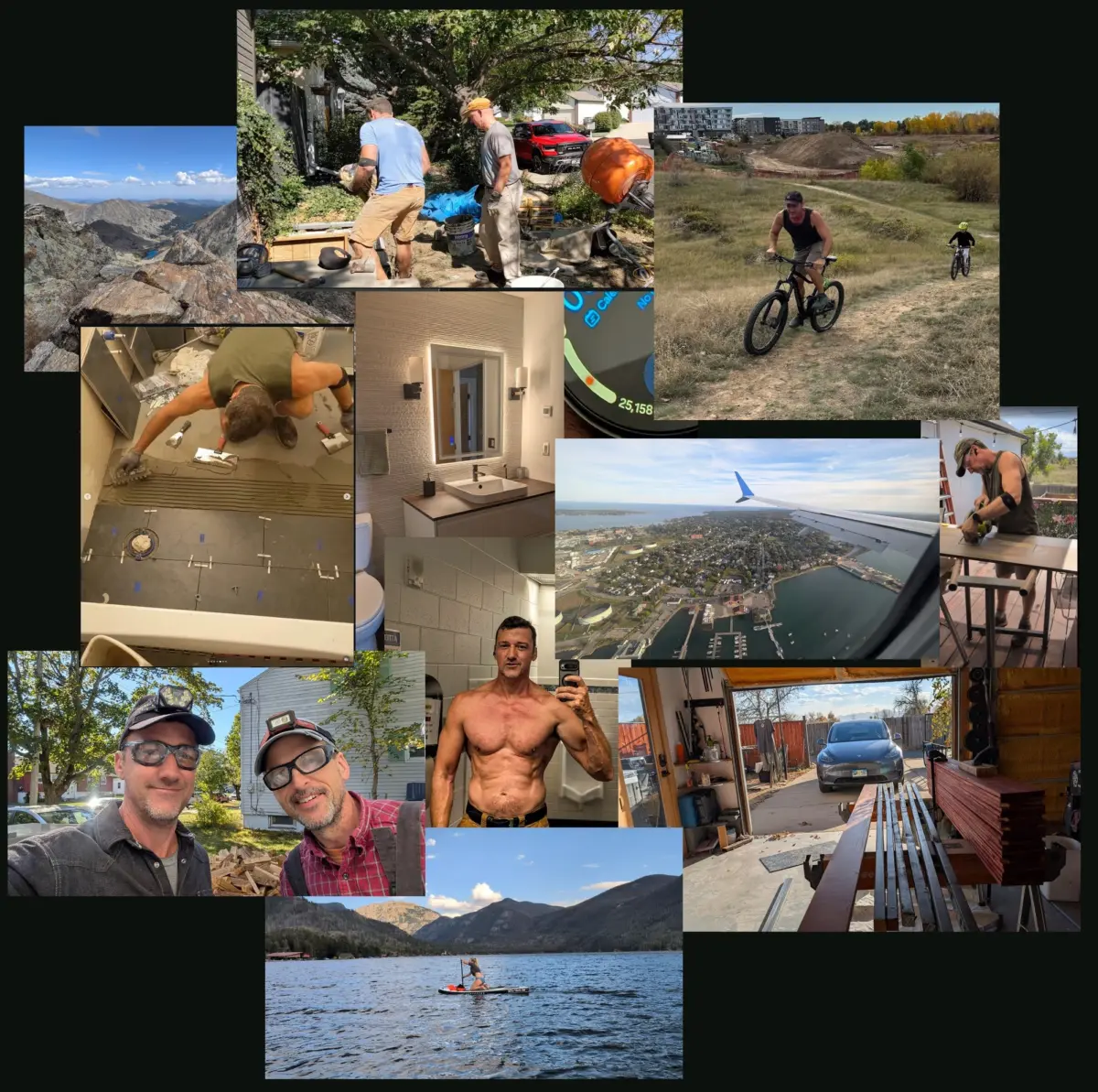
Presently, his primary frustration is physical clutter and spatial constraints. Engaged in space-intensive hobbies such as woodworking construction and music production, his current two-car, 440-square-foot garage workshop is operating at maximum capacity. While a larger workshop space would ease his daily routines, his strong attachment to his current neighborhood, home views, and community neighbors makes relocation unlikely unless an ideal property becomes available directly on his block.
Looking further ahead, Adeney has occasionally entertained the concept of acquiring a mountain compound featuring natural water features and seclusion. However, given that his current daily schedule and coworking headquarters already demand significant time and management, he remains skeptical that adding property portfolios would tangibly enhance his baseline happiness. As a result, major real estate expansions remain on hold.

As he looks toward the remainder of the decade, Adeney expresses enthusiasm for sustaining his momentum, balancing financial discipline with an abundance mindset, and maintaining an active, project-filled lifestyle.