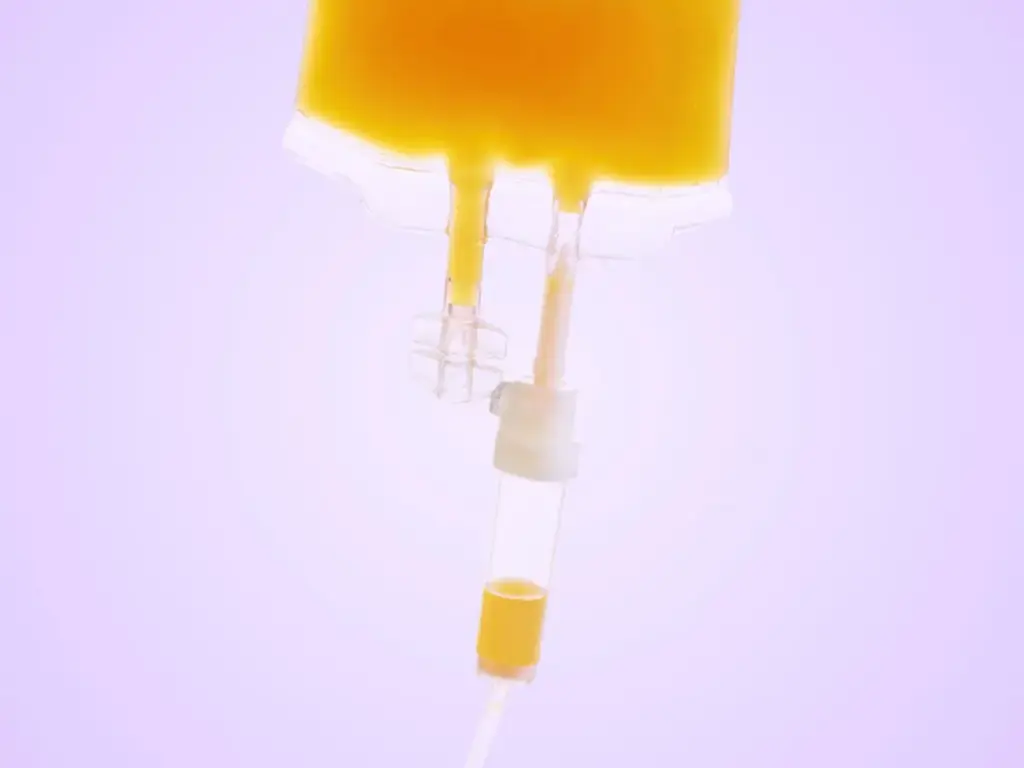
The human quest to discover a literal or metaphorical fountain of youth is as old as civilization itself. Across centuries, philosophers, scientists, and adventurers have sought ways to slow the relentless march of time, preserve vitality, and extend human healthspan. In modern biomedical research, that ancient ambition is now taking shape in laboratories through high-tech cellular and molecular experiments. One of the latest interventions causing a significant buzz among longevity researchers is a procedure known as therapeutic plasma exchange. Originally utilized to treat specific medical conditions, this clinical technique filters and replaces the liquid portion of a patient’s blood. Now, a recent study published in the journal Aging Cell suggests that the procedure might temporarily lower a person’s biological age by roughly two and a half years.
Yet, before wellness enthusiasts begin frantically searching online for local plasma clinics or attempting to book experimental anti-aging therapies, health experts urge a heavy dose of caution. It is vital to look past sensationalized headlines and examine what the study actually says, as well as what its findings mean—and crucially, what they do not mean—about the prospect of using fresh plasma as a miraculous elixir of youth.
To understand why researchers are investigating this approach, it helps to understand what plasma actually does inside the human body. Plasma is far more than just the passive liquid medium that suspends red and white blood cells as they course through the circulatory system. Although it is composed mostly of water, plasma is an extraordinarily complex biological soup rich in proteins, metabolites, hormones, and inflammatory signaling molecules. These circulating components both reflect and actively influence the physiological state of organ systems throughout the entire body, according to Dr. Andrea Maier, a geriatrician and board member of the Academy for Health and Lifespan Research.
Dr. Maier compares plasma to a massive, highly efficient delivery network, describing it as a transport system comparable to a global shipping service like DHL. It acts as a biochemical vehicle carrying messages and molecules from the brain to the muscles, from the kidneys to the lungs, and everywhere in between. Because it functions as a fluid repository laden with systemic information, plasma has become a prime focal point for modern longevity studies. It offers scientists a wide-angle snapshot of the body’s internal state, a metric frequently referred to as "biological age." By measuring fluctuations in the circulating levels of thousands of distinct proteins found within an individual’s plasma, researchers can gauge how efficiently and resiliently that person’s physical systems are functioning.
This measurement of biological age explains why two individuals of the exact same chronological age—say, 40 years old—can have vastly different underlying health profiles. One person’s biological machinery might operate with the resilience and efficiency of a healthy 30-year-old, while another person’s body might show the molecular wear and tear typical of a 50-year-old. While biological age is not a completely fixed or absolute clinical measurement, it provides exceptionally helpful health information, explains Dr. Keenan Walker, a senior investigator at the National Institute on Aging.
Dr. Walker notes that there is no single, universally agreed-upon definition of biological age, yet researchers continually strive to estimate it because the metric carries profound clinical implications. Extensive studies have consistently demonstrated that individuals whose biological age outpaces their chronological age face a significantly heightened risk of developing chronic medical conditions, severe diseases, and premature mortality. Consequently, finding ways to favorably alter these biological age markers has become a Holy Grail for aging research.
The scientific journey linking plasma manipulation to the aging process actually began roughly a decade and a half ago. During that period, investigators started exploring a physiological phenomenon by reviving an older experimental technique known as parabiosis—a surgical procedure that physically links the circulatory systems of two separate organisms. In these foundational animal studies, researchers surgically connected the circulatory networks of old mice with those of young mice. The core hypothesis driving the experiment was straightforward: if researchers could introduce younger plasma into the circulatory system of an older organism, the older animal’s body would theoretically reap the rejuvenating benefits of the youthful circulating factors.
The results of those animal trials generated immense excitement within the scientific community. The studies consistently showed that older mice receiving the plasma of younger counterparts developed a markedly greater resilience to tissue and organ stress. These promising animal findings eventually paved the way for the clinical adoption of therapeutic plasma exchange in human medicine, where it has since been utilized to manage certain complex autoimmune diseases, specific neurological disorders, and various forms of blood cancers.
Everything really stemmed from a foundational clinical question: Is there something circulating in our blood that we can safely remove, or alternatively, something we can infuse into our circulation to enable humans to live longer, healthier lives? Dr. Maier notes. However, she emphasizes that science does not yet have a definitive, catch-all answer to that ambitious question.
The New Study Shows Potential, But It Is Far From a Panacea
In the recent Aging Cell investigation, researchers enrolled 42 human participants and subjected them to a plasma exchange procedure where their natural plasma was filtered out and replaced with purified albumin, a standard blood protein, and saline solution. Additionally, some participants received an extra therapeutic layer involving an immune-modulating treatment known as intravenous immunoglobulin, or IVIG, added into the replacement fluid. To evaluate the impact of this intervention, researchers utilized advanced, high-resolution laboratory tests designed to track molecular shifts associated with aging.
At first glance, the clinical results appeared remarkably significant: certain individuals participating in the trial demonstrated a reduction in their estimated biological age by approximately two and a half years. However, Dr. Maier points out a critical nuance that alters how those findings must be interpreted. This encouraging data was captured at the midpoint of the trial, rather than at its final conclusion.
When researchers dig a little deeper into the data, that reported 2.5-year reduction in biological age represents a comparison between participants at the midterm mark and their initial baseline measurements, rather than a comparison between the final study outcomes and the baseline. By the time the study officially concluded, that apparent rejuvenating effect had nearly vanished.
Dr. Maier explains that part of the physiological reason for this fading effect is that the body experiences a profound shock when its entire plasma volume is extracted and abruptly replaced with a different fluid mixture. The sudden influx of fresh, foreign biological factors and cellular shifts can trigger a temporary illusion of youth in biological age markers. Yet, almost immediately afterward, the body begins experiencing severe physiological stress as it struggles to adapt to this massive systemic disruption. Consequently, the patient’s molecular biomarkers quickly swing right back to where they were before the procedure began. In practical terms, while an individual might experience a fleeting moment of biochemical rejuvenation, the effect is ultimately temporary and unsustainable.
Another noteworthy detail highlighted during the study involved the baseline health status of the human participants, according to Dr. Walker. He points out that individuals who entered the study in poorer health actually exhibited a much stronger intervention effect compared to their healthier peers. This observation suggests that the impact of plasma exchange is not uniform across the general population, making it critical for future researchers to determine precisely which patient demographics might benefit most from such aggressive interventions.
As a conceptual framework, both Dr. Maier and Dr. Walker see genuine promise in blood-based medical interventions as a pathway toward improving overall health and resilience. Nevertheless, they strongly hope to see future scientific inquiries shift away from generalized, non-specific plasma filtering processes and move toward a much more refined, personalized medical approach.
Dr. Maier characterizes the recent trial as an early-stage phase 1 study. She notes that the primary takeaway has been learning that the procedure can be performed safely in a controlled setting, but researchers must now validate these findings through much larger, randomized clinical trials that track long-term health outcomes. She stresses that the underlying hypothesis is not inherently absurd and remains firmly grounded in a substantial body of prior scientific evidence. However, it is certainly not a universal solution suitable for everyone, and the intervention requires significantly greater precision before it can be considered ready for mainstream application.
While the future of longevity science is exceptionally bright and this study represents an important early step, medical professionals agree that the procedure should not be implemented in routine clinical practice today because it places such a severe, disruptive toll on the human body. Expressing enthusiasm for biomedical innovation while maintaining rigorous scientific skepticism, experts emphasize that while this specific trial offers fascinating insights, the future of anti-aging medicine will likely rely on entirely different, less invasive breakthroughs.