


Nintendo first unleashed Mario Bros. into arcades back in July 1983. While the character had previously made his memorable debut in Donkey Kong—where he was simply known as "Jumpman"—this new title finally gave the iconic hero his proper name. More importantly, it introduced a historic addition to the lore: his brother, Luigi. This seemingly straightforward design choice was driven by practical arcade economics. By introducing a second playable character, developers were able to enable seamless two-player simultaneous action, effectively doubling the potential coin drop and revenue an arcade cabinet could generate from eager crowds huddled around the machine. In a very real sense, the beloved Luigi owes his entire existence to the capitalist realities of 1980s arcade operations.
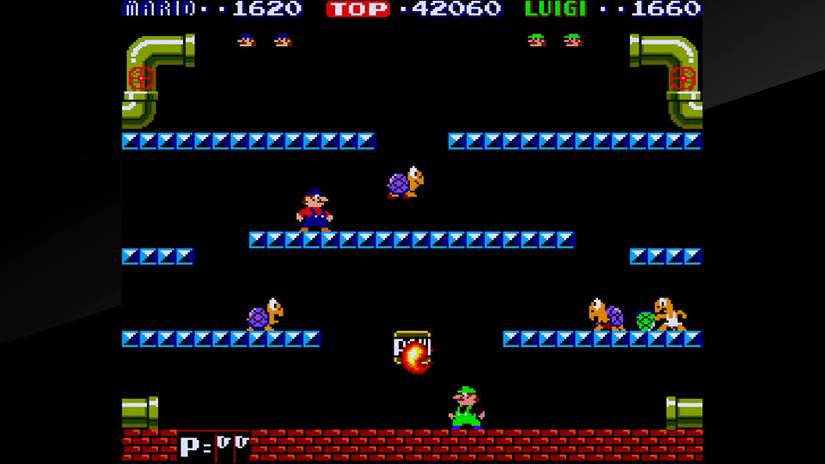
The underlying gameplay mechanics of Mario Bros. shared a clear mechanical kinship with other contemporary hits of the era, most notably the 1982 arcade classic Joust. Players controlled Mario and Luigi as they ran, leaped, and navigated across a series of fixed platforms. Under normal circumstances, moving about the screen would not pose much of a threat; the plumbers possessed an impressive ability to survive long vertical falls without sustaining damage, a notable upgrade from Mario’s previous outings where misjudging a drop meant certain doom. However, the primary danger came from the bizarre subterranean critters pouring endlessly out of the pipes. Brushing against these creatures instantly cost a player a life, unless the enemy had first been struck from beneath to render it temporarily stunned and vulnerable.
The progression of difficulty within the game relied on a carefully escalating variety of adversaries. Players began their subterranean shift by facing off against simple, slow-moving turtles known as Shellcreepers. A single well-timed bop from the platform directly beneath them would flip these turtles onto their backs, leaving them helpless for a brief window during which the player could rush over and kick them off the screen. As players advanced to subsequent stages, the challenge intensified with the introduction of crabs, which required two distinct hits from below to successfully flip.
Following the crabs were the flies, a third enemy type that introduced an entirely new rhythmic challenge. These pests advanced through large, deliberate, and remarkably slow leaps that players had to anticipate carefully. While airborne, the flies were entirely immune to attacks, forcing daring players to time their movements precisely so they could sprint underneath the creatures right at the peak of their arc.
Compounding the pressure of managing the various pests, stages were further complicated by unpredictable environmental hazards. Stray fireballs frequently materialized along the outer edges of the screen, weaving haphazardly across the playfield and disrupting the player’s attempts to dispatch foes or set up lucrative scoring combos. While some fireballs traveled across the screen in predictable horizontal paths, others followed chaotic, diagonal trajectories, bouncing recklessly off platforms and walls. Additionally, a hazardous moving ice block occasionally appeared, pausing ominously on ledges. If players failed to shatter it quickly with a bop from underneath, the block would permanently transform the ledge into a slick, icy surface, creating a treacherous hazard that persisted until the start of the next stage.

For dedicated players, accumulating points was a central pillar of the arcade experience, even offering a tangible reward in the form of extra lives during the early stages of a run. High-score chasers quickly learned to master the risk-reward dynamics of the game by strategically arranging multiple enemies so they could be stunned near one another. Doing so triggered a cascading score multiplier, jumping from a standard 800 points for a single enemy up to 1600 points for the second. Because later stages moved at a breakneck pace, pursuing these high-value combos always carried the constant threat of a misplaced jump.
Between select standard stages, players were granted a brief reprieve through bonus levels populated entirely by floating coins. Those who managed to collect every coin within a strict time limit were rewarded with a massive bonus to their score. After the opening rounds, mastering these bonus stages typically required cooperative two-player coordination, as the timing windows grew increasingly unforgiving. Coins also occasionally emerged from the pipes during standard gameplay, appearing at a rate of one coin for every enemy defeated. By the time these late-stage coins appeared, players were often forced to contend with an enraged final enemy that moved with heightened aggression, creating tense moments where greed could easily lead to an untimely loss.
Following its widespread success in arcades, Nintendo licensed the title to various third-party developers, leading to ports across a diverse array of home computers and consoles just as the broader video game industry was undergoing significant market turmoil. While shifting publishing landscapes meant that some developed ports were quietly shelved, others managed to reach store shelves and captivate home audiences. For many early enthusiasts, these home conversions served as their very first introduction to the legendary plumber, long before home consoles became household staples.
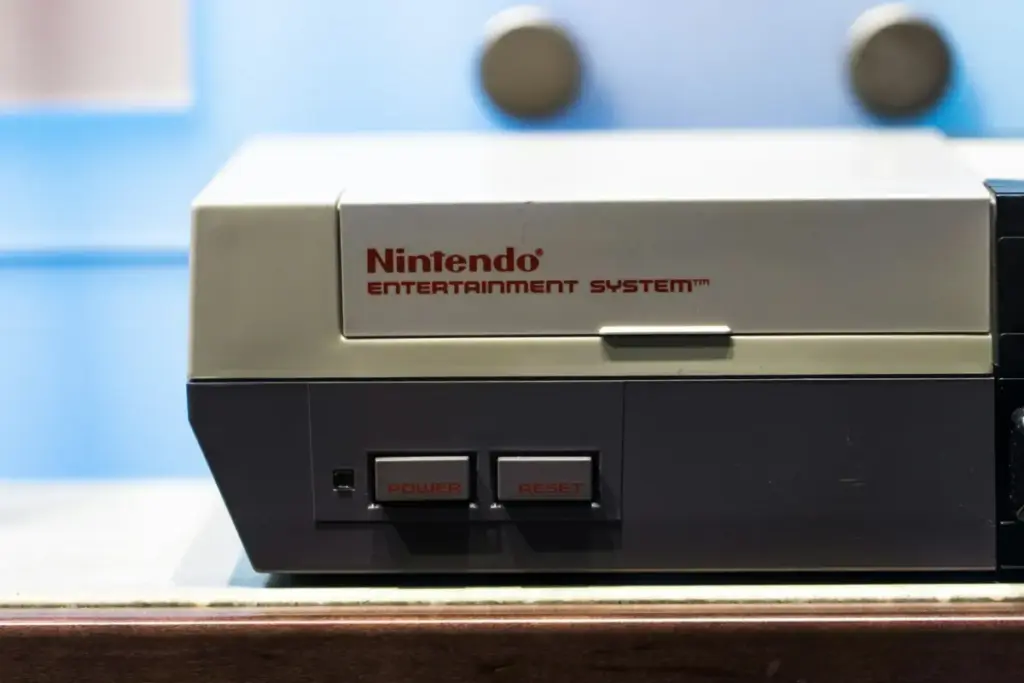
In 1986, an official port of Mario Bros. arrived on the Nintendo Entertainment System in North America, developed by Intelligent Systems. For players of that generation, the NES version delivered immense value. Siblings and friends could sit side-by-side to enjoy the straightforward action without the tedious wait of taking turns. The gameplay struck a delicate balance, offering enough mechanical twists and escalating challenges to remain consistently engaging without ever crossing into overwhelming frustration.
Decades later, Mario Bros. has found a welcoming resurgence through modern digital platforms like Nintendo Switch Online, where its straightforward design requires virtually no preamble or complex explanation. Players can drop into a fast-paced match instantly, bypassing lengthy tutorials, convoluted storytelling, and modern onboarding processes. The clean, arcade-perfect translation that once defined the NES era now functions effortlessly as a quick, bite-sized distraction between longer, more demanding modern gaming sessions. Furthermore, it remains an ideal entry point for younger players just beginning to master the fundamentals of interactive entertainment, echoing the exact role it played decades ago.
Though Mario ultimately traded his hardhat and sewer maintenance tools for a life of grand heroism across distant kingdoms, his roots in the underground tunnels remain as compelling as ever. For modern players seeking a sharp, focused challenge, it serves as a timeless palate cleanser—provided you watch out for the flies.