
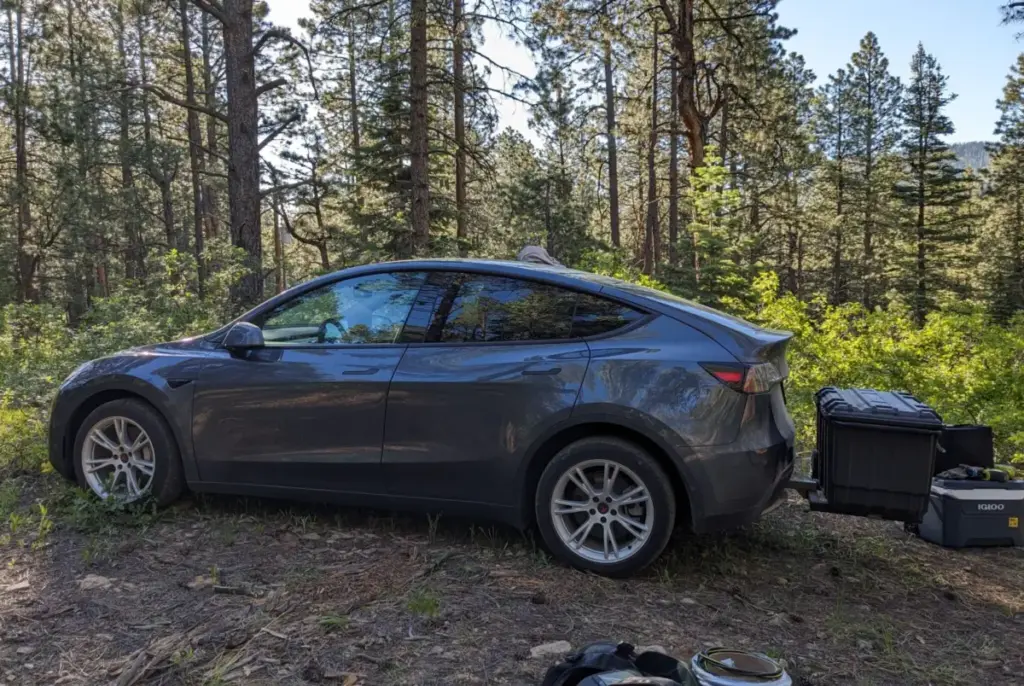
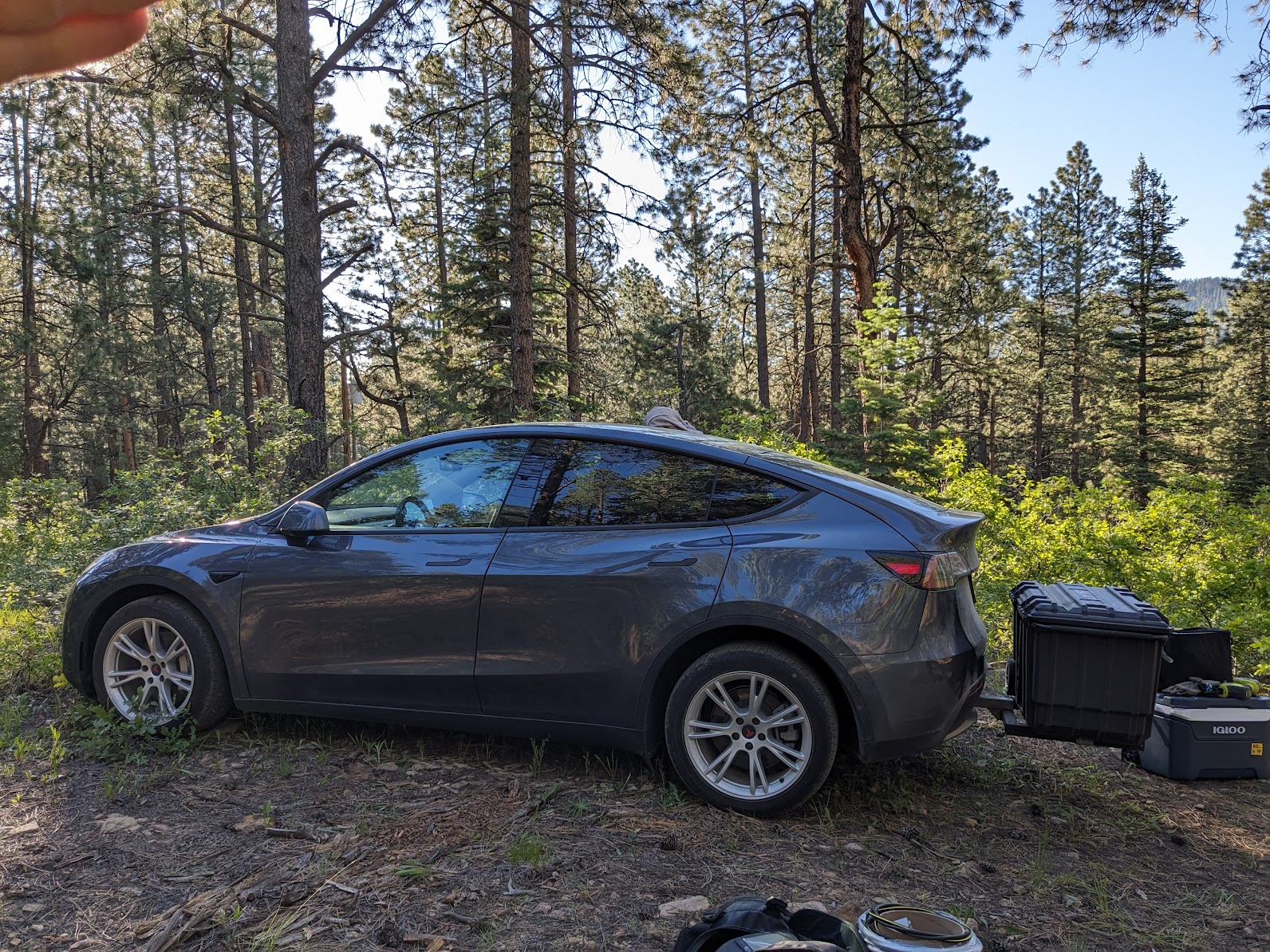
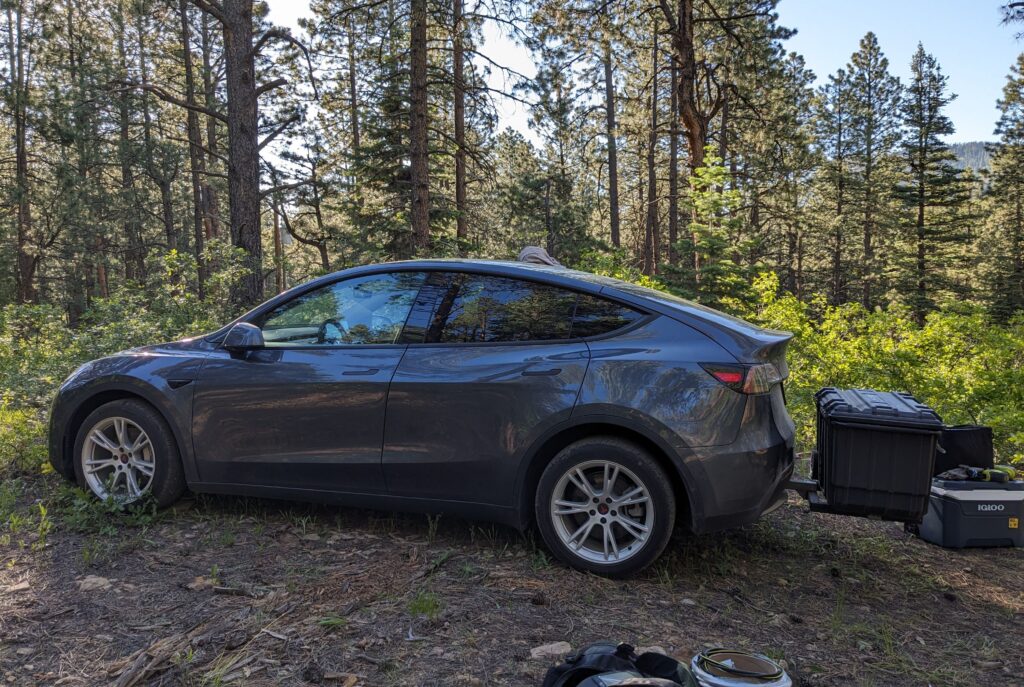
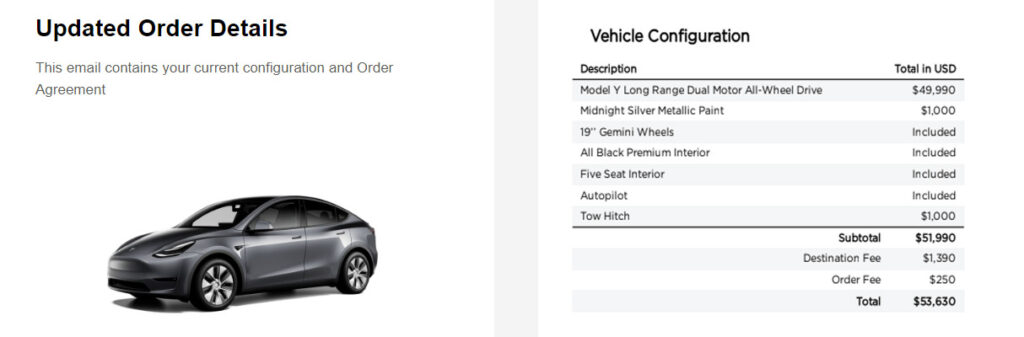
After nearly two decades of championing extreme frugality, early retirement, and a fierce disdain for modern car culture, the influential personal finance blogger known as Mr. Money Mustache has purchased a brand-new, luxury 2023 Tesla Model Y. For a man who built his entire online persona on squeezing maximum utility out of dirt-cheap assets—most notably a 1999 Honda Odyssey minivan purchased for $4,500 on Craigslist twelve years ago—the acquisition of a $52,000 electric crossover represents a profound psychological hurdle.
The purchase has launched what he calls “The Model Y Experiment,” a dedicated tracker page and philosophical pivot exploring why lifelong frugalists often struggle to spend the wealth they have accumulated. Loaded with all-wheel drive, lightning-fast acceleration, seating for seven, and enough computing power to rival a small data center, the Tesla stands in stark contrast to the utilitarian vehicles that defined his early retirement. Yet, according to the blogger, the purchase is not a betrayal of his foundational principles, but rather a necessary evolution of them.
Reconciling Frugality with a Changing Life
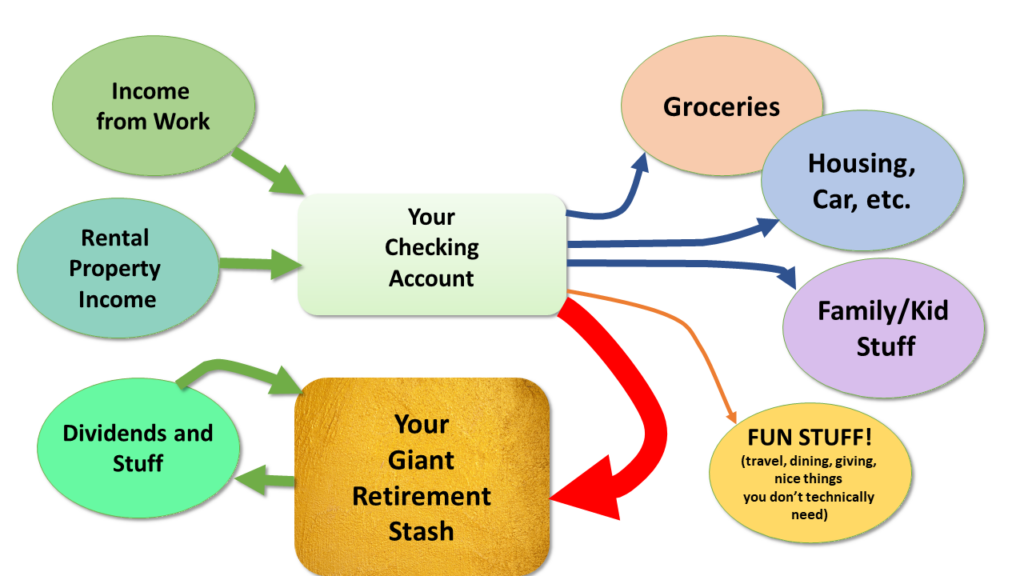
The path to buying the Tesla was paved with four years of procrastination. While friends and readers repeatedly urged him to loosen his purse strings and enjoy the fruits of his early retirement—which he secured 18 years ago through disciplined saving and investing—his internal resistance remained stubborn. The tension stems from a classic psychological trap common among naturally frugal people: the inability to shift mindsets when financial circumstances change.
This internal conflict crystallized during a routine trip to a standard grocery store to pick up a loaf of bread for visiting friends. Confronted with a price tag of $6.99 for a brand of bread that typically cost $4.50 at discount outlets, he experienced a familiar flash of indignation. The mental calculus of the "middle finger shopping method" kicked in as he debated boycotting the item or searching for cheaper substitutes.
Ultimately, the realization struck that agonizing over a couple of dollars made no rational sense given his financial standing. He noted that waking up in the future to realize one had an extra $2.49 in the bank would not make a person any happier. Discussing the encounter with a wealthy friend who had also retired early through decades of hard work and disciplined saving revealed a shared affliction. Despite having a net worth several times larger, the friend admitted to facing identical mental roadblocks when considering minor splurges, such as taking an Uber to the airport instead of enduring a much longer bus ride.
Redefining Financial Philosophy for the Long Haul
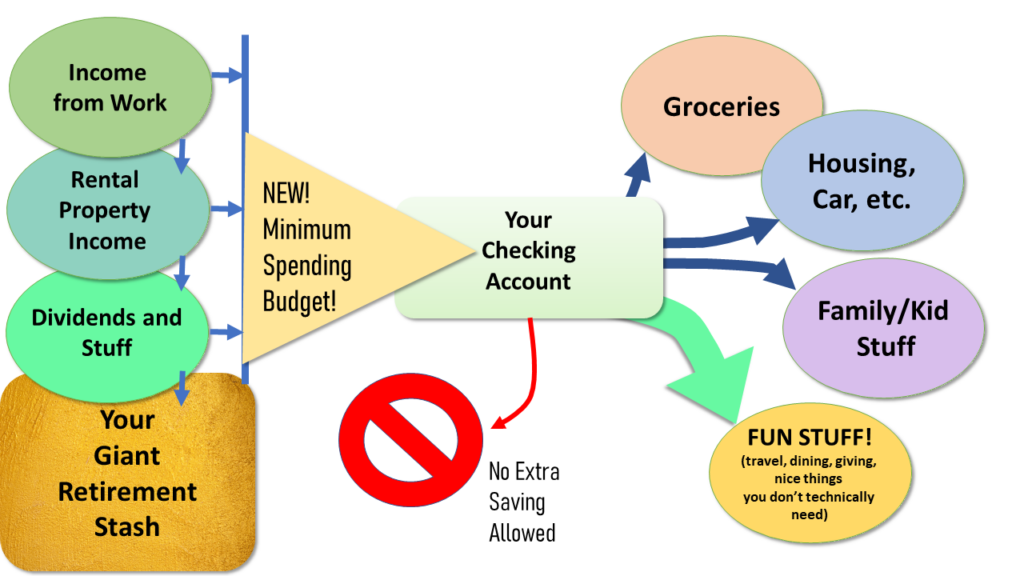
To combat this entrenched scarcity mindset, the blogger and his peers outlined a trio of guiding principles designed to help lifelong savers enjoy their life savings while they are still alive. The first principle addresses the concept of a minimum spending budget. Using the traditional four percent retirement withdrawal rule, an individual with a two-year-old nest egg of productive investments and a paid-off home should theoretically be safe spending up to $80,000 per year. Even under a hyper-conservative three percent rule, a surplus of $60,000 remains, before factoring in side incomes, inheritances, or social security.
Despite these safety margins, many disciplined savers continue living on $40,000 or less per year, channeling every extra dollar back into an already massive investment portfolio while wincing at everyday inflation. To bypass this mental block, the second principle introduces the idea of a dedicated spending account designed to make personal money feel like corporate funds—mirroring the psychological ease with which professionals dine out on business trips without scrutinizing the bill.
The third principle emphasizes accountability through trusted peers. By surrounding oneself with friends working through the same psychological barriers, individuals can call out unnecessary cheapness and actively encourage healthy splurges that genuinely improve their quality of life.
Evaluating the Cost of the Upgrade
For Mr. Money Mustache, the decision to abandon the aging Honda van—affectionately dubbed "Vanna"—came after a final, aromatic transmission failure on a mountain pass. While the Nissan Leaf he also owned served well for local errands, it lacked the range required for long-distance travel outside the Denver metropolitan area. The aging van, though reliable for rough road trips, had grown increasingly unpredictable, causing him to occasionally avoid distant adventures and miss out on valuable experiences.
Realizing that this lack of reliable transport had become a consistent source of low-level stress, he decided to target the problem directly. Realistically, a $50,000 electric vehicle will increase his annual transportation expenses by roughly $10,000 compared to the nominal maintenance costs of the old van. However, given that his overall spending deficit was several times larger than that figure, the expense is well within reason. Furthermore, because the vehicle’s primary purpose involves camping trips, road adventures, and visiting a newly acquired fixer-upper vacation rental compound in Salida, Colorado, the purchase directly supports a more active lifestyle.
Disposing of the old Honda proved remarkably straightforward. Following a friend’s recommendation, he used an online vehicle salvage service called Peddle. Within five minutes of entering the van’s details online, the platform offered $715. A tow truck arrived the following day, handing over cash payment, which the blogger promptly dedicated to celebratory dinners out in keeping with the spirit of the experiment.
While some critics online have argued that such discretionary spending is excessive and that the funds would be better directed toward charitable causes, the blogger maintains that philanthropy and personal enjoyment are not mutually exclusive. Having documented over $500,000 in charitable donations since launching his website, he emphasizes that the fear of depleting one’s resources can easily curdle into an unhealthy obsession with accumulation.

Ultimately, the transition to the Model Y marks a permanent farewell to the noise, gear shifting, and mechanical anxieties of the gasoline era, signaling a broader acceptance that financial independence is meant to fund a meaningful life, not just a larger bank balance.