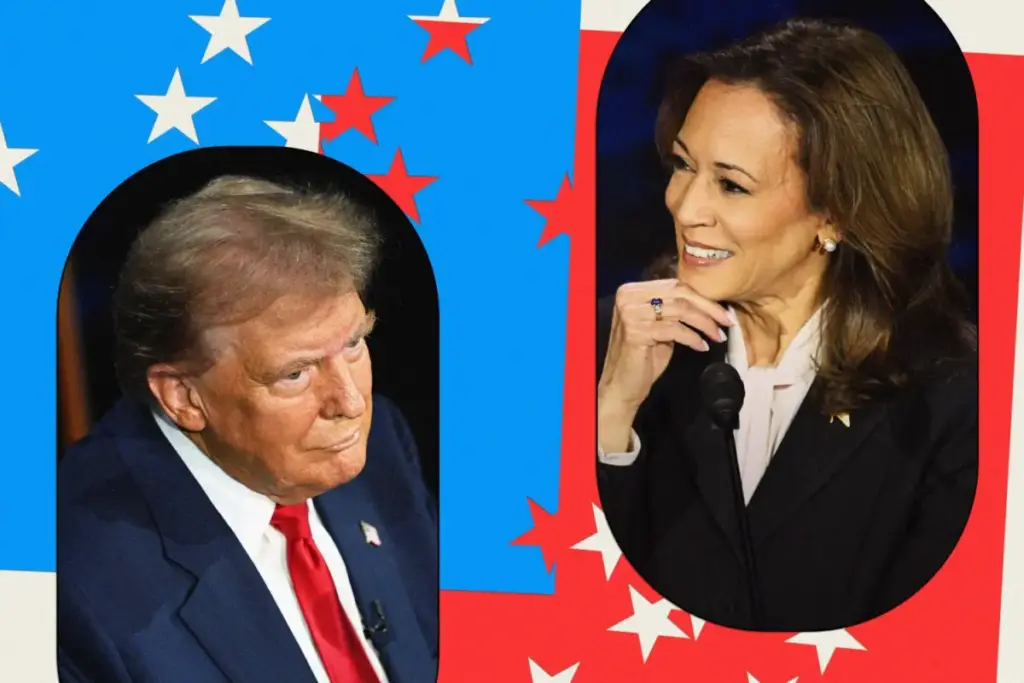
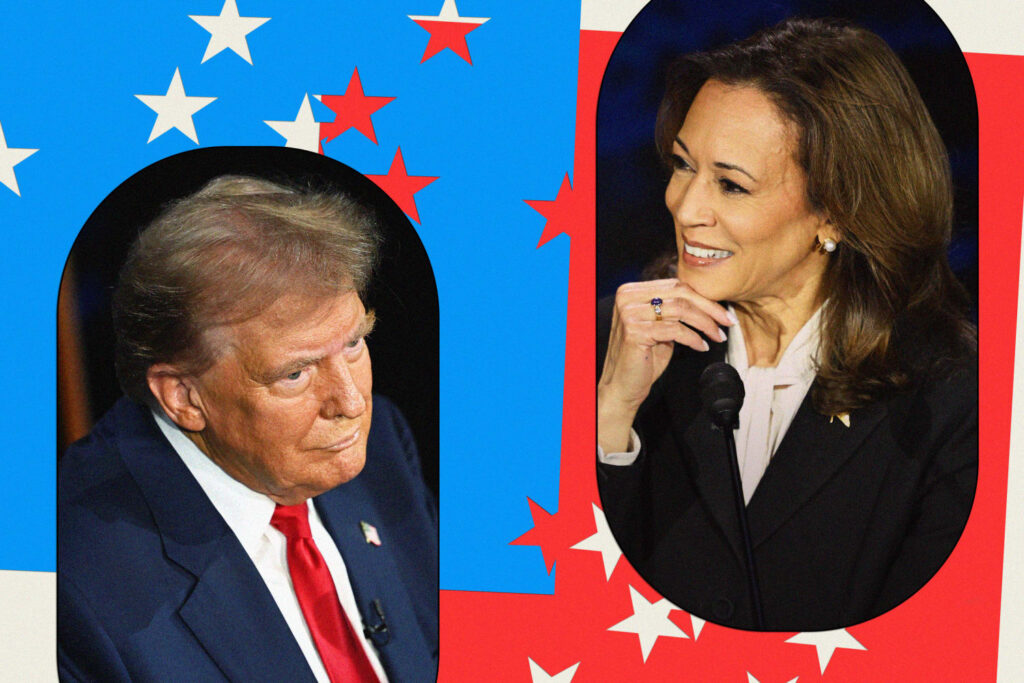
As the United States enters the final stretch of another high-stakes presidential election cycle, voters are once again being inundated with a familiar barrage of political rhetoric. From the ongoing battle lines drawn between candidates to the constant media coverage of competing policy platforms, the discourse has heavily centered on the state of the nation’s wealth. For financially independent individuals who focus on personal agency and long-term planning, much of this political noise is easily tuned out. However, when the national conversation veers into widespread economic misinformation, it becomes necessary to look past the political posturing and examine the actual data.
Politicians are rarely recognized for their technical mastery of economics, science, or complex policy systems. Yet, during election years, the discourse frequently drops to an even lower denominator as campaigns attempt to sway undecided voters in critical swing states using emotional appeals rather than sound economic principles. A prime example of this dynamic is the persistent narrative pushed by opposition figures that the United States is currently suffering through a "bad economy." In stark contrast to these gloomy political claims, macroeconomic data reveals an economy that is robust, dynamic, and operating from a position of historic strength, underscored by exceptionally low unemployment rates.
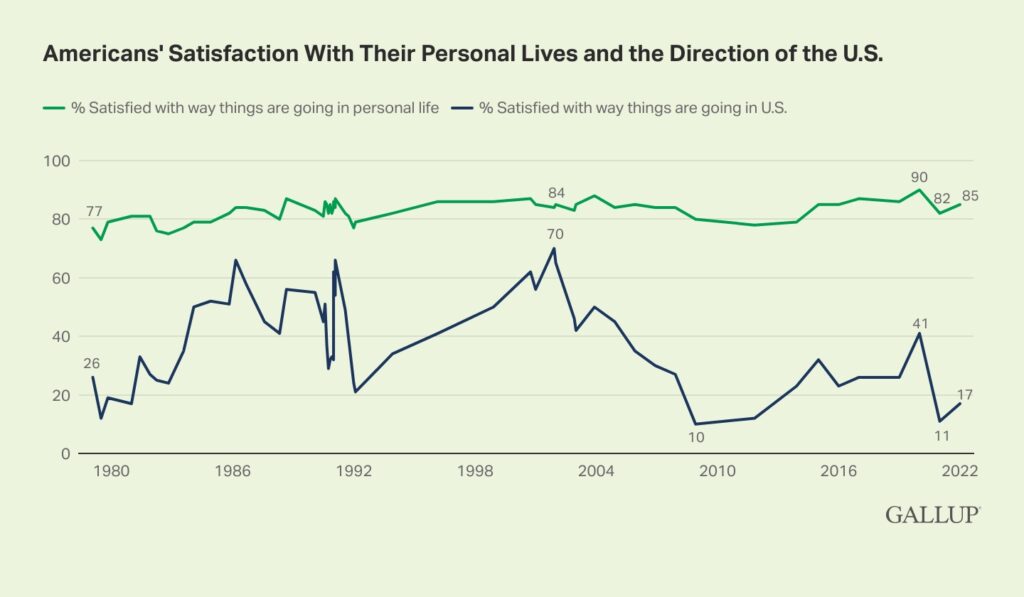
It is difficult to envision a significantly better macroeconomic environment than the one currently observed. In fact, the recent bout of higher inflation that consumers experienced over the past few years was a symptom of an economy running at a high velocity, ultimately requiring the Federal Reserve to apply the brakes through elevated interest rates. Despite these fundamentally sound indicators, public perception remains heavily skewed. According to Gallup polling data, while roughly 85 percent of individuals report that they are personally doing well financially, only 17 percent believe that the broader national economy is performing well.
This widespread disconnect presents a mathematical impossibility. If the vast majority of individuals report personal financial stability, that outcome serves as the definition of a healthy economy. Analysts note that this pervasive pessimism correlates closely with the amplification of economic misinformation across modern social media platforms. While the ideal role of news media and political leadership is to disseminate accurate, data-driven information, the reality of modern campaigning often delivers the exact opposite. Recognizing how the economic machine truly functions, however, remains a powerful tool for building personal and national wealth.

The President Controls the Economy
A foundational myth perpetuated during every election cycle is the notion that the sitting president directly controls the trajectory of the US economy. When an economic downturn or recession occurs, opposition parties invariably lay the blame at the feet of the incumbent administration. Conversely, when the economy enters a period of expansion, the president in power is quick to claim personal credit for the boom. In reality, the United States economy is far too massive—and far too free—for any single political figure to exert direct control or even strong short-term influence.
Operating as a gigantic global engine, the American economy converts labor, capital, and raw materials into complex goods and services ranging from advanced technology to everyday infrastructure. Although the US represents the largest single national economy, accounting for roughly 26 percent of global economic activity, it remains deeply interconnected with the remaining 74 percent of economic production generated by the rest of the world.
Natural economic cycles of expansion and contraction are typically driven by waves of market psychology—ranging from periods of excessive exuberance and speculation, such as the housing boom leading up to 2007, to subsequent moments of acute caution and pessimism, like the financial crash of 2008 through 2012. While government policies, tax structures, and regulatory frameworks certainly play a role, the effects of these policies are often delayed and difficult to isolate. Governments can attempt to steer the overarching economic ship, but in the short term, the economy remains subject to broader global currents and market forces far beyond the reach of the Oval Office.
The President Controls Interest Rates
Another recurring theme in campaign messaging involves candidates expressing deep sympathy for middle-class Americans grappling with elevated borrowing costs for mortgages, auto loans, and credit cards, often accompanied by campaign promises to "fight" to bring interest rates down. In some instances, political figures have gone so far as to publicly pressure independent Federal Reserve board members or suggest altering the traditional structure of the central bank to exert direct political influence over monetary policy.
In practice, monetary policy serves as a critical stabilization tool that functions best when managed by independent economic experts rather than political actors. When economic activity cools and unemployment rises, strategic reductions in interest rates can stimulate hiring and market growth. Conversely, when the economy overheats, rising rates help curb rapid inflation. Leaving these sensitive monetary controls in the hands of a sitting president risks destabilizing the financial system, a risk well-documented in international economic history.
Inflation Has Made Life Harder for Americans
Political debates frequently frame post-pandemic inflation as an ongoing crisis that requires extraordinary executive intervention to reverse. Following the disruptions of the Covid-19 era, the global economy experienced a spike in inflation driven by supply chain bottlenecks, factory closures, and a surge in demand fueled by government stimulus and low interest rates. As those supply constraints have eased, inflation has moderated significantly, returning to standard historical averages.
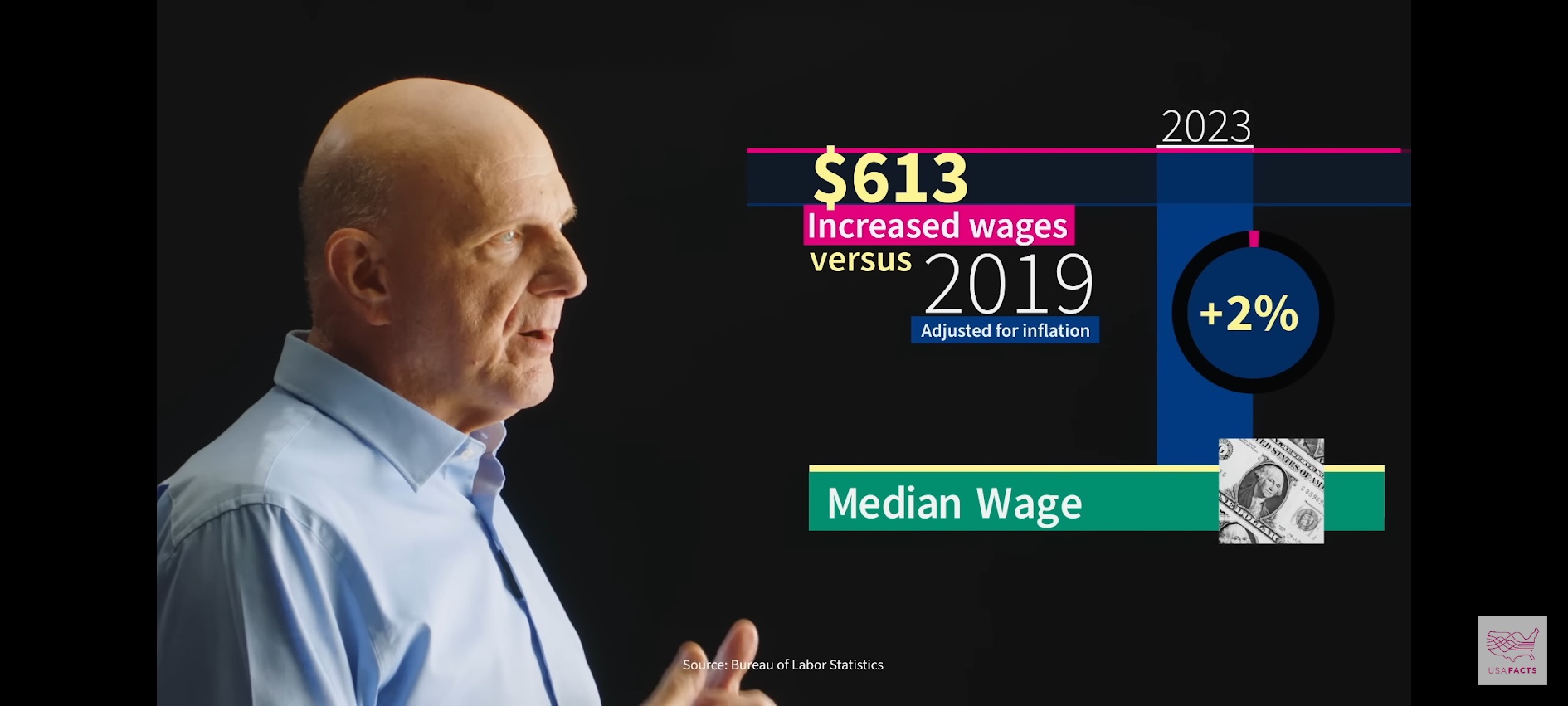
Crucially, wage growth has outpaced overall price increases over the long term. Since 2019, consumer prices have risen by approximately 19 percent, while wages have climbed by roughly 21 percent. This data indicates that the average American’s purchasing power has grown, leaving the workforce in a stronger financial position than before the inflationary cycle began. Despite these figures, political campaigns continue to debate inflation as if it were an unmitigated disaster, occasionally resorting to rhetoric that blames corporate greed for rising prices. Comprehensive analyses from economic researchers and independent watchdogs, however, have repeatedly shown that standard market competition prevents grocery retailers and consumer goods companies from sustaining windfall profit margins during inflationary periods.
The President Controls Housing Prices
Housing affordability has emerged as a central point of discussion, driven by the reality that home prices and rents have outpaced general inflation and wage growth over the past decade. Elevated mortgage rates, designed to cool the broader economy, have compounded the challenge by making homeownership feel increasingly out of reach for prospective buyers.
Despite the complexity of the housing market, political remedies often focus on demand-side subsidies or proposed interest rate interventions that risk exacerbating the underlying issue. Economists and housing advocates argue that the sustainable solution lies in expanding the overall housing supply. This objective requires addressing local regulatory hurdles, streamlining the permitting process, modernizing restrictive zoning laws, and reducing parking and setback mandates that artificially inflate construction costs.
The President Controls Gas Prices
Gasoline prices remain a staple of political stump speeches, with candidates frequently debating the daily cost per gallon and attributing fluctuations directly to executive energy policies. When adjusted for inflation, however, gasoline prices have remained relatively stable over the long term, hovering within historical ranges when compared to mid-century costs.
Furthermore, gasoline accounts for a relatively small share of typical household expenditures, with the broader costs of vehicle ownership far outweighing the price of fuel. The ongoing transition toward electric vehicles has also shifted the automotive landscape, making traditional fossil-fuel pricing less relevant to modern household budgeting as alternative technologies become increasingly competitive and widespread.
The Economy Is Something We Should Even Worry About
Ultimately, much of the intense focus on national economic metrics overlooks a broader philosophical reality regarding modern prosperity. Decades of sustained economic growth have propelled the average developed nation well past the threshold of basic material sufficiency. While economic inequality remains a valid policy concern that warrants careful management through progressive taxation to foster social stability, the pursuit of endless wealth accumulation yields diminishing returns for human happiness once basic needs are met.
As voters navigate the final days of the election season, recognizing the limits of political influence over complex global systems allows individuals to redirect their attention away from manufactured political anxiety and toward the personal choices and financial habits within their own circle of control.