
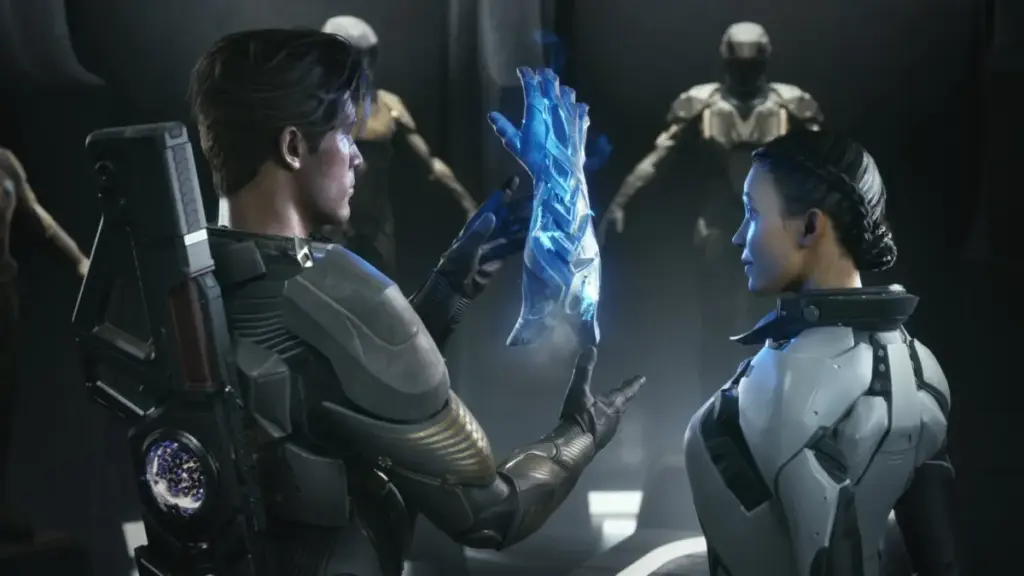
Whenever the conversation turns to Exodus, the ambitious upcoming space opera role-playing game from Archetype Entertainment, comparisons to Mass Effect inevitably follow at light speed. It is a natural association, largely anchored by the game’s creative pedigree. Narrative director Drew Karpyshyn played a major role as a writer and lead at BioWare, helping to shape the rich narrative foundations and branching stories of the studio’s most celebrated hits. Following a hands-on preview of the game, Karpyshyn noted that drawing comparisons to Mass Effect is a perfectly reasonable way for players to conceptualize what Exodus aims to achieve.
The structural and thematic parallels do not end with high-level genre similarities, nor are they restricted to the game’s Paladin/Immortal morality mechanics. They extend directly into the romance and relationship dynamics that will drive the core narrative forward. Karpyshyn recently offered new hints regarding how the decisions players make throughout their journey will directly impact the climax of Exodus. While player-driven narrative consequences are certainly not exclusive to BioWare titles, the legendary "suicide mission" from Mass Effect 2 remains a towering benchmark for the medium, making the comparison almost effortless for RPG enthusiasts anticipating how high the stakes might climb.
When discussing the depth of the relationship systems engineered for Exodus, Karpyshyn emphasized a desire to make interpersonal dynamics feel genuine, grounded, and reactive. He explained that the core design philosophy revolves around making the player’s relationship with their companions grow, allowing those bonds to evolve organically based on accumulated choices. Crucially, he pointed out that these decisions will naturally draw certain companions closer to the player while potentially driving others further away, creating a dynamic social landscape aboard the ship.
Karpyshyn took those concepts a step further during the discussion, offering a tantalizing glimpse into how these mechanics manifest mechanically in the narrative without giving away major plot secrets. He stated that the development team wanted these relationship trajectories to meaningfully impact how individual character storylines unfold. Following up on that thought, he dropped a significant hint about the ultimate fate of the crew: depending on the choices made by the player throughout the campaign, they might reach the end of the game and find that they do not have every companion with them that they started with.

For veterans of mature narrative-driven role-playing games, these foundational elements are features they might confidently expect from a project of this style. Even so, receiving official confirmation that Exodus is adhering to and building upon these classic design principles provides reassuring clarity for fans of choice-driven sci-fi adventures. Furthermore, conversations with the narrative team suggest that these departures may not always stem strictly from dramatic life-or-death situations or sudden heroic sacrifices. Karpyshyn also spoke at length about scenarios where companions actively butt heads with the player, displaying deep internal conflicts regarding what the player says and the specific actions they take during critical narrative crossroads.
This friction suggests a complex web of loyalty, ideological alignment, and interpersonal tension. Karpyshyn expanded on how other optional in-game events and side content can factor significantly into how the overarching story unfolds. He noted that even within optional content, players will encounter choices capable of locking or unlocking specific paths, altering how events play out, reshaping relationships, transforming characters, and ultimately influencing future missions. For many genre enthusiasts, this structural framework evokes memories of the beloved loyalty missions that defined squad-based tension in past space operas.
It stands to reason that companions in Exodus could conceivably reach an absolute breaking point, leading them to abandon the party entirely if the player’s path diverges too sharply from their own moral code. Simultaneously, an individual character’s baseline affinity toward the player, combined with the specific hardships and localized crises they face throughout the narrative, will likely dictate their chances of survival when the final chapters arrive.
Players will soon have the opportunity to test these systems and forge their own paths when Exodus officially launches on April 7, 2027, for PlayStation 5, Xbox Series X|S, and PC.