

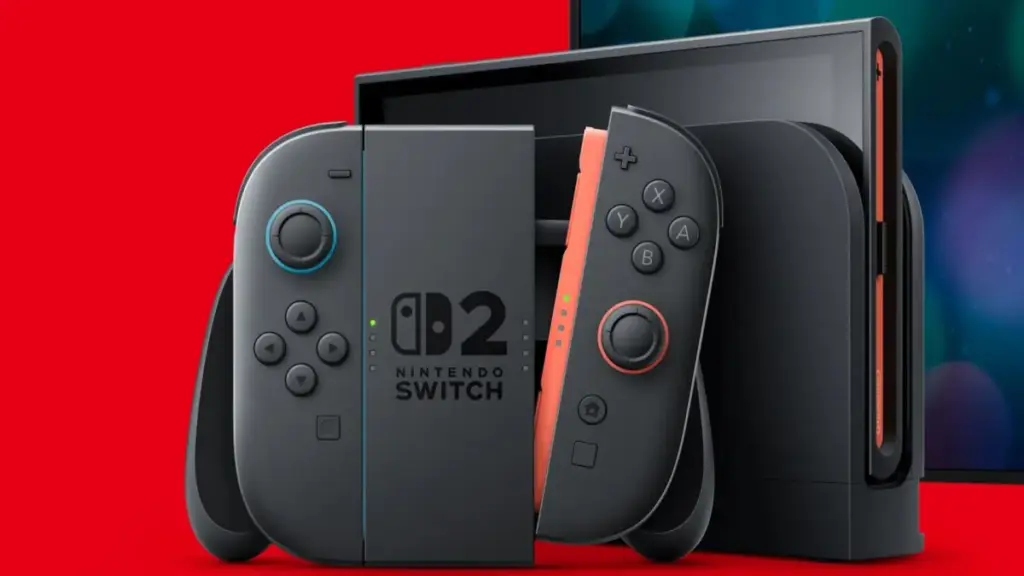
If you have ever found yourself wondering what would happen if the chaotic energy of modern pop culture collided with Nintendo’s meticulously curated roster, your hypothetical curiosity has officially become a reality. A member of the modding community has successfully jailbroken the Nintendo Switch 2, allowing players to inject an eclectic array of unofficial characters—ranging from internet-famous memes to beloved cross-platform icons—directly into Mario Kart World.
While the prospect of racing as unexpected figures might sound amusing to some, the breakthrough highlights a much larger and more contentious shift in the video game industry. The exploit was achieved with the assistance of generative artificial intelligence, marking yet another milestone in how rapidly AI-driven tools are changing the landscape of software hacking, homebrewing, and community-driven modifications across major modern gaming consoles.
The news broke on Thursday when an X user, identifiable by the handle pepsipu, shared footage demonstrating that the Nintendo Switch 2 had been successfully compromised. The video evidence showed Mario Kart World running custom character models, featuring notable figures such as Sanrio’s Cinnamoroll and the world-renowned vocaloid Hatsune Mijk. For homebrew enthusiasts, it was a striking demonstration of what is currently possible on Nintendo’s latest hardware generation.
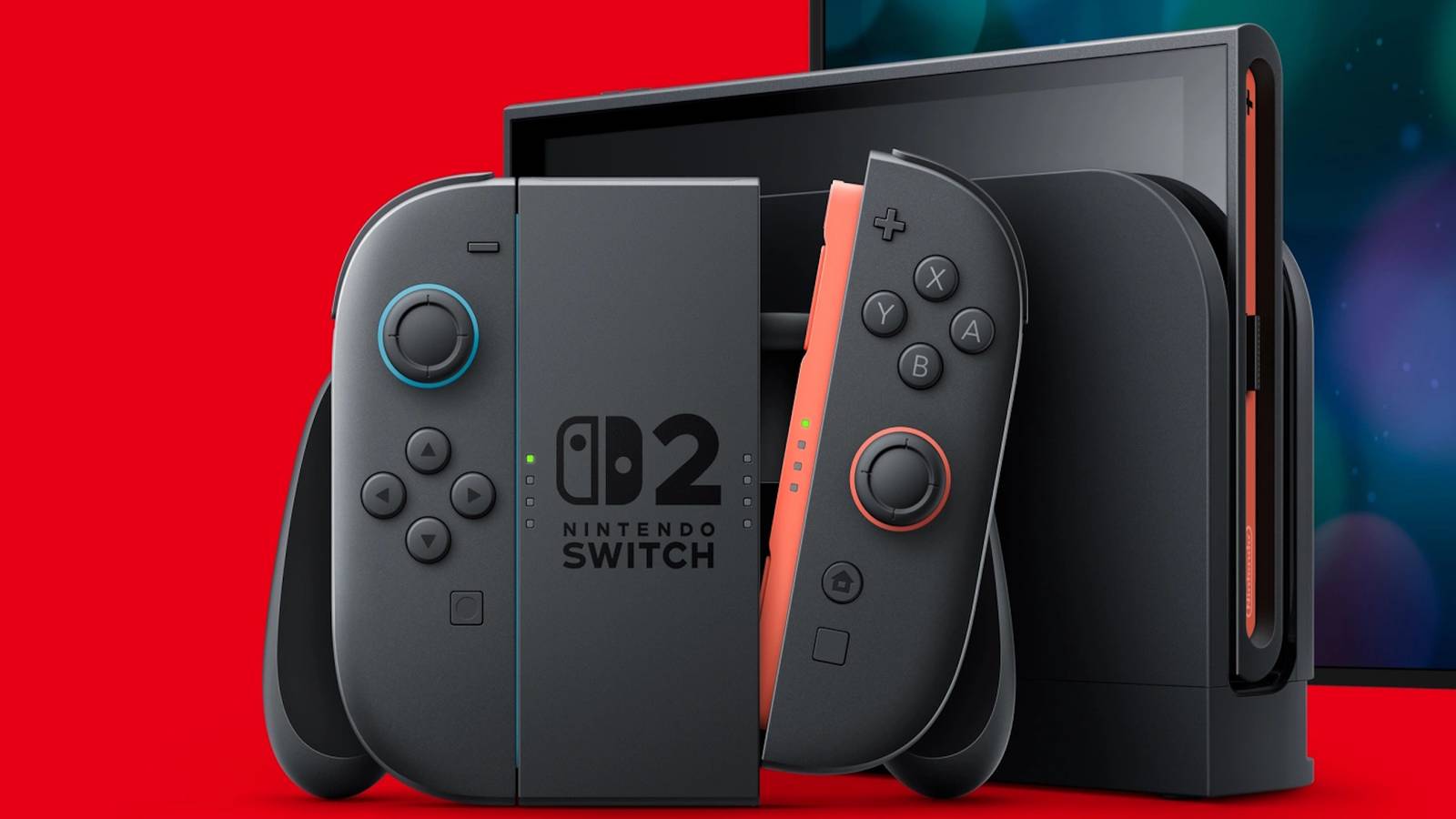
However, executing this jailbreak is far from a seamless or user-friendly experience akin to traditional softmods of past eras. The process requires a complex and deeply technical workaround. According to the initial findings, achieving the exploit relies on purchasing a programming software application titled SmileBASIC 4 from the Nintendo eShop for $25. From there, users must navigate a labyrinthine set of instructions to execute the code.
Furthermore, the current method is volatile. The jailbreak is not permanent; it resets entirely whenever the console is powered down. This means that anyone wishing to run modified content must repeat the cumbersome programming process from scratch after every single system shutdown. Given Nintendo’s historical vigilance regarding its hardware security and intellectual property, industry watchers anticipate that the company will likely deploy system firmware updates to close this specific eShop loophole and neutralize the exploit in the near future.
Despite the immediate headlines surrounding custom character mods, the broader implications of the Nintendo Switch 2 jailbreak extend far beyond a single game or exploit vector. The incident serves as a glaring example of a new era in homebrewing often referred to by developers and hackers as "vibe-coding," where the rapid proliferation and capabilities of generative AI tools have drastically accelerated the timeline for cracking modern console firmware.

This technological arms race is not unique to Nintendo. Sony has been grappling with similar challenges regarding the PlayStation 5. In recent months, the PlayStation 5 has received a series of consecutive firmware updates specifically designed to patch security vulnerabilities. These updates are a direct response to a surge of new jailbreaks appearing at an unprecedented pace, largely fueled by advancements in AI-assisted coding models.
Security analysts and tech observers suggest that homebrewers and independent hackers are intensely motivated to crack current-generation hardware security measures ahead of major upcoming software releases, most notably the highly anticipated launch of Grand Theft Auto 6. Additionally, ongoing community frustration regarding the industry’s gradual pivot away from physical media and toward purely digital ecosystems may be driving independent programmers to push harder for deep system access.
Console firmware exploitation is just one frontier where AI-assisted coding has dramatically sped up community-led software projects. Over the past several months, the gaming community has witnessed a massive wave of ambitious homebrew endeavors. These include complex browser ports of classic titles like the original Halo: Combat Evolved, alongside a flurry of viral videos showcasing surreal crossovers—such as inserting Mario into Elden Ring or integrating skateboarding mechanics into Call of Duty.

Many of these sophisticated community projects have been directly linked to the release of advanced programming-focused AI models, such as Claude Opus 5.5, which debuted in September. These tools have lowered the technical barriers required to reverse-engineer complex game engines, write homebrew scripts, and manipulate modern software architecture.
While independent hackers and modders have eagerly adopted these technologies to bend modern gaming hardware to their will, major corporate entities are also taking official notice of the underlying trends. Recently, Xbox CEO Asha Sharma announced the formation of Xbox Labs, a new corporate division. While the company’s official announcements have carefully avoided explicitly praising generative AI or vibe-coding methodologies, the structural focus of the initiative appears heavily inspired by the rapid, experimental nature of these modern technological movements.
As hardware manufacturers race to secure their devices against increasingly sophisticated, AI-accelerated exploits, the line between official software development and community-driven modification continues to blur. Whether Nintendo can successfully shut down the SmileBASIC 4 exploit before it gains wider adoption remains to be seen, but the event firmly establishes that the next generation of console security will be fought on a vastly different technological battlefield.