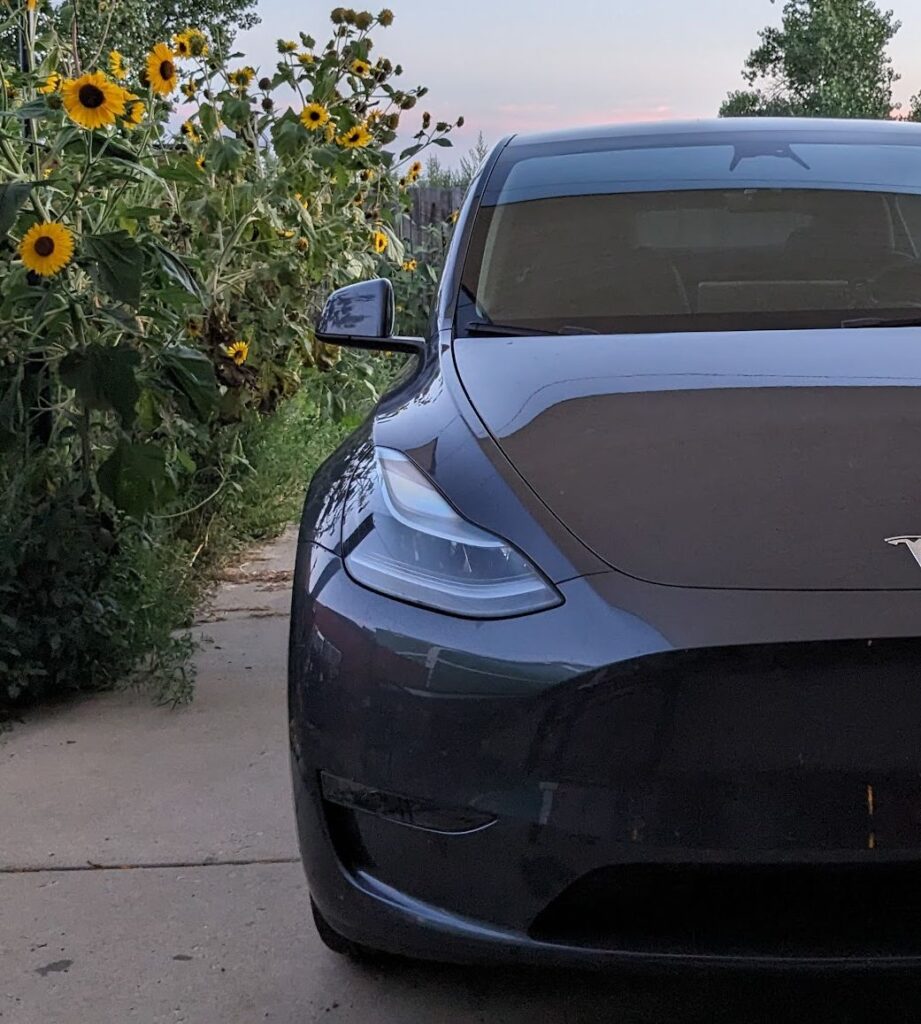
For nearly two decades, the personal finance icon known as Mr. Money Mustache has been a guiding light for the early-retirement movement, preaching the gospel of extreme frugality, bicycle commuting, and intentional living. A couple of years ago, however, the financial blogger shocked some of his most dedicated followers by announcing a deliberate shift. He was going to try spending a bit more money, starting with the purchase of a Tesla Model Y, in an effort to loosen the purse strings and embrace a lifestyle of abundance.
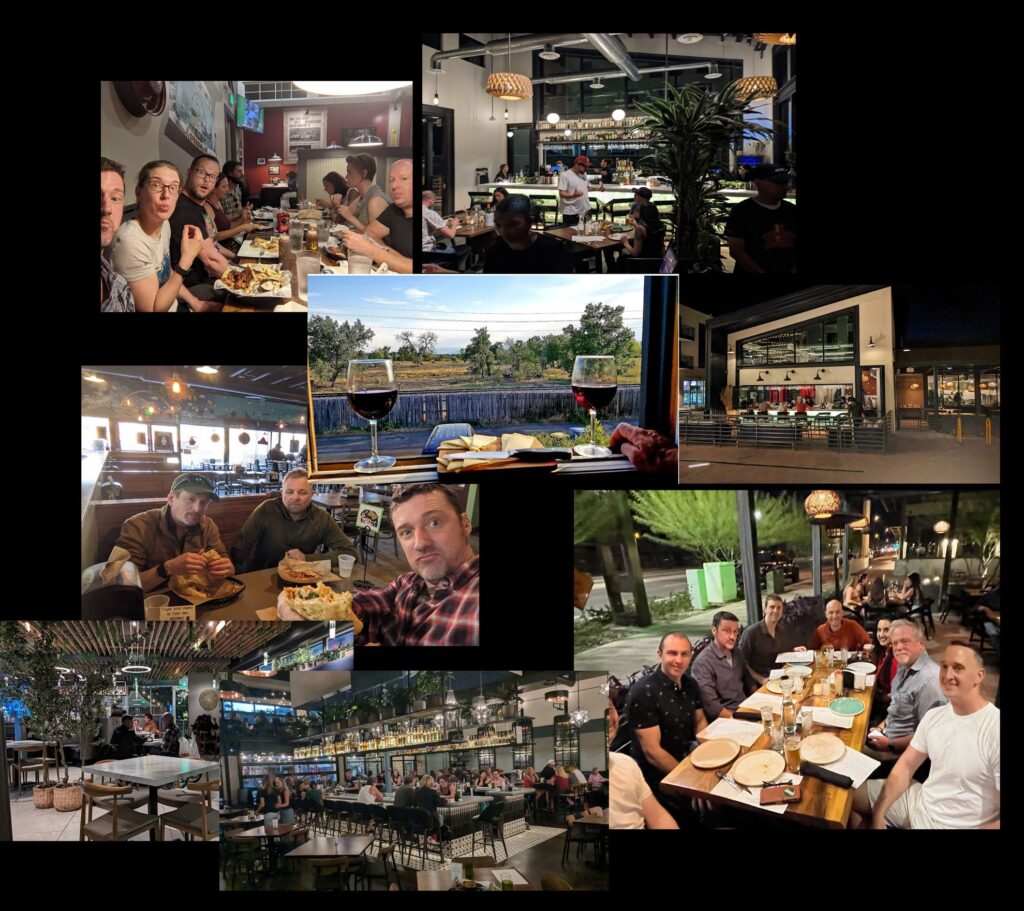
Reflecting on that pivot, the blogger noted that the initial feeling of transformation was profound. With an attitude of effortless adjustment, he convinced himself he was entering a new era of comfortable middle-aged living. For the next two years, that sense of financial abundance translated into a lifestyle he previously would have flinched at. He traveled frequently, dined out at trendy restaurants, selected hotels based on comfort rather than bargain prices, and paid extra for preferred airline seating. He even abandoned his usual discount warehouse habits to buy groceries at upscale stores like Whole Foods without a second thought.

His calendar reflected this newfound openness. Alongside his young adult son, he frequented late-night electronic dance music concerts and visited multiple Meowwolf immersive art venues, including a spontaneous Christmas Day road trip from his winter home in Tempe, Arizona, to Las Vegas. Operating largely as a single man for much of the year, his schedule remained wide open for impromptu trips, social gatherings, and new adventures. It felt like a period of transition and expansion, making the months feel far more eventful than a standard calendar year.
Despite the flashy lifestyle upgrades, he operated under the assumption that his budget must have crept back into full American consumer territory. Yet, because he was enjoying himself immensely, he avoided tallying the numbers—until a recent round of informal financial coaching with a friend prompted the two to compare notes and calculate their annual expenses.
When he finally sorted his transactions into a spreadsheet and calculated the total sum, the results brought a surprising revelation. While his overall expenditures had indeed risen—particularly within travel-related categories—the broad-picture impact on his finances remained remarkably minimal. Depending on how he accounted for vehicle ownership and business operations, his annual spending rose from roughly $20,000 to approximately $30,000, bolstered by the hidden subsidy of a fully paid-off home.
This level of expenditure remains easily sustainable by a standard one-million-dollar investment portfolio. Because his actual investment nest egg sits significantly higher than that threshold— buoyed by years of robust stock market growth—he remains well under his theoretical financial limits. Even though he playfully admits to "failing" at his original goal of ramping up his spending to match the levels recommended for wealthy retirees, the experiment left him genuinely satisfied. He plans to continue running lifestyle experiments in the coming years, adhering to the philosophy of the "Optimization Council" he first outlined in 2019 to share tips on maximizing life’s value.
A closer look at the financial ledger reveals where the money actually went over the course of the year. Out of a total expenditure of $30,026.76, groceries accounted for $5,960.39, covering food for himself, his son roughly half the time, and occasional guests. Restaurant spending totaled $2,243.59, reserved strictly for special social occasions rather than routine meals. Travel expenses reached $6,158.77, a category that included business-related trips to events like Camp Fi and other conferences.
Utilities added $1,909.51 to the ledger, while Amazon and household expenses totaled $3,554.10, though roughly 75% of those business-related outlays represented construction materials for client projects—frequently friends—that were later reimbursed via invoice. Spending on wine and beverages for entertaining came to $250.67. Healthcare costs stood at $3,536.66, kept relatively low through a combination of a direct primary care subscription and a health-sharing organization, alongside elective advanced blood screening tests.
Automobile costs, restricted strictly to insurance and registration, totaled $2,425.21, though he notes that factoring in vehicle depreciation would provide a more complete picture. Phone and internet services cost $1,410.56, covering gigabit internet and a modest monthly mobile bill. Finally, property taxes came to $2,577.30, a figure he describes as surprisingly reasonable given the $500,000 to $600,000 market value of homes in his neighborhood. Out of the $30,026.76 grand total, $20,284.67 was drawn from personal accounts, while $9,742.09 came from business cards.
Comparing these figures to his reported spending from 2019, the totals are only slightly higher despite the significant inflation observed across the broader economy in the intervening years. While he spent more on travel and leisure, his home renovation costs decreased because his frequent travel left him with less time for DIY projects around the house. Meanwhile, health insurance represents a new line item compared to the years when he was entirely self-insured.
A major driver of his low cost of living remains the complete absence of housing payments, having paid off his mortgage long ago. He also handles his own home maintenance, eliminating bills for professional lawn care, plumbing, tree trimming, or handyman services. While he acknowledges that paying off the mortgage early may not have been the mathematically optimal financial move—noting he would have fared better taking out a 3% mortgage in 2021 and investing the principal in stock index funds—the psychological peace of mind remains invaluable. Furthermore, dropping mortgage requirements freed him from the obligation of purchasing home insurance, saving an additional $2,000 annually and boosting his effective return.

On the healthcare front, continued good health and fortune meant he incurred no major medical expenses. He maintains a two-tiered medical strategy consisting of a direct primary care clinic membership at $107 per month and a high-deductible plan through the Sedera health-sharing organization costing $201 monthly. At a combined cost of $308 per month, the setup undercuts standard Bronze-tier insurance plans while providing personalized primary care with zero deductibles and a safety net for major health emergencies.
Reflecting on his financial philosophy, he emphasizes that money ultimately serves as a tool for survival and self-actualization. Drawing on the principle that fixing persistent friction points yields more happiness than simply doubling down on existing comforts, he points to physical clutter as his primary annoyance. With space-intensive hobbies like construction and woodworking housed in a modest 440-square-foot garage, his workspace is operating at absolute capacity. While a larger workshop or a future mountain compound remain appealing ideas on the horizon, he remains cautious about adding logistical complexity to an already full and joyful life.
As he looks toward the future, he plans to maintain his current trajectory of active living, purposeful work, and mindful spending. Amid ongoing market discussions regarding potential tax policy shifts affecting electric vehicles, he also noted that current market conditions offer historically low prices for models like the Tesla Model Y and Model 3 for buyers considering an upgrade.