


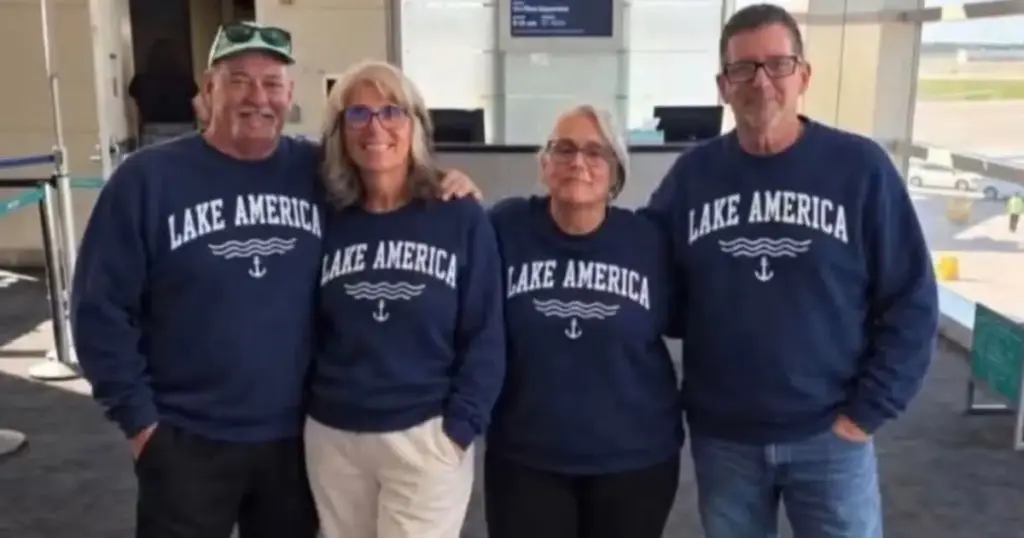
An American corporate executive was forced to cut her international vacation short and issue a public apology after an artificial intelligence-edited photograph of her family wearing provocative political apparel triggered widespread outrage online and earned national media attention in Canada.
Jane Smith, the Chief Executive Officer of Family First Credit Union, headquartered in Saginaw, Michigan, found herself at the center of a cross-border firestorm following a social media post that blended lighthearted banter, emerging generative AI technology, and high-stakes geopolitical tensions between the United States and Canada.
The controversy began on September 11, when Smith and three members of her family—including her sister, Lila—arrived at an airport to embark on a planned 10-day vacation to Halifax, Nova Scotia. As they prepared to board their flight north, the group began discussing recent political developments, specifically a controversial executive order attributed to President Donald Trump regarding the renaming of Lake Ontario to "Lake America" amid an ongoing trade dispute between Washington and Ottawa.
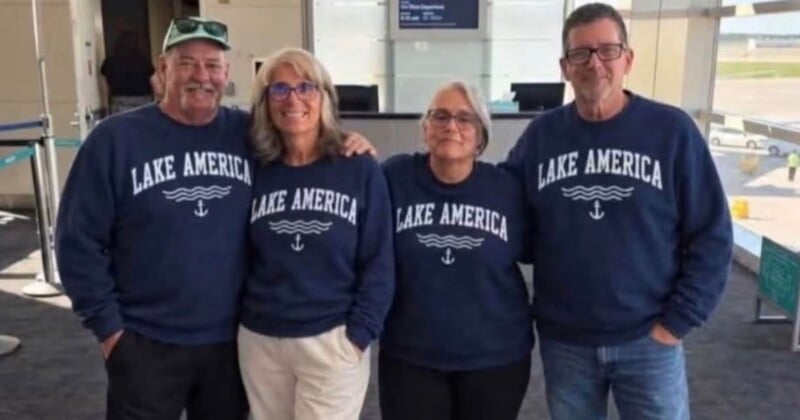
Seeking to make light of the tense international climate, the family used ChatGPT at the airport to digitally alter a real group photo. They wanted to see how they would appear if they were physically wearing custom navy blue sweatshirts emblazoned with the words "Lake America," accompanied by a wave and anchor graphic. According to Smith, the creation of the image was intended merely as an internal joke, a satirical nod to the sudden and contentious renaming of one of the Great Lakes.
"Like Our Sweatshirts? Not Sure Canada Will"
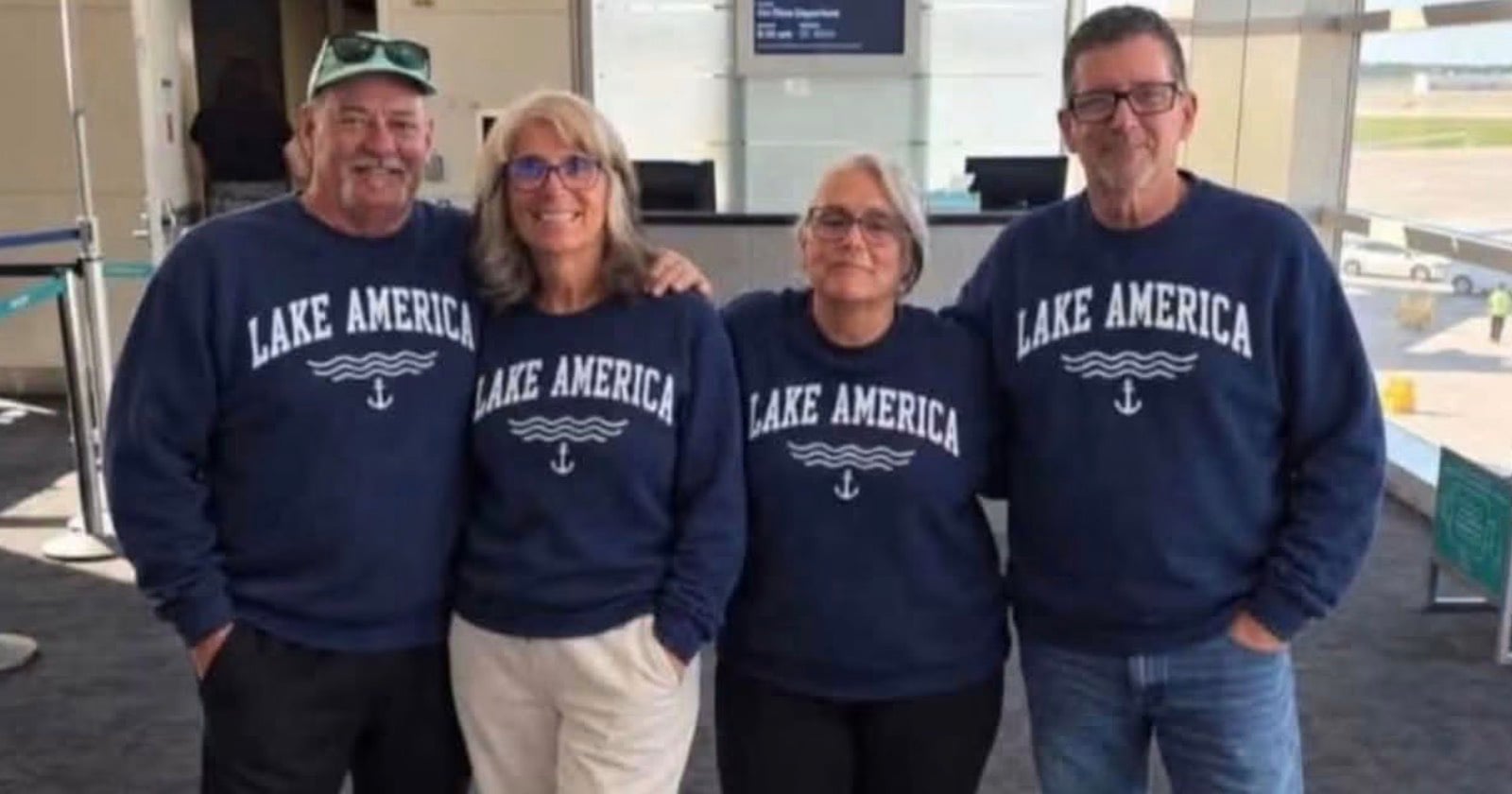
Following the generation of the image, Smith shared the doctored photograph to her private Facebook account. Alongside the picture, she added a marker indicating that the image contained artificial intelligence-generated content. She accompanied the post with a caption reading, "Like our sweatshirts? Not sure Canada will," followed by laughter emojis. Smith later described the decision to post the image as a lapse in judgment and a poor attempt at humor.
However, the situation escalated rapidly after the family crossed the border and arrived at their destination in Halifax. According to Smith, her sister Lila reposted the AI-edited image publicly on Facebook, but crucially omitted the digital marker indicating that the photo had been artificially generated. Furthermore, the repost was framed with a new, standalone comment.
"My sister took a screenshot, she made her own comment, and she posted it," Smith explained in an interview with local media outlet ABC 12 News. "We were in Halifax at the time. We never had actual sweatshirts. We never wore sweatshirts."
Without the context that the image was a digital creation, the photograph quickly took on a life of its own on social media. According to reports by Canadian broadcaster CTV, the post rapidly went viral, drawing sharp and angry reactions from Canadian citizens who viewed the simulated apparel as an intentional provocation and a direct insult tied to the controversial proposal to rename Lake Ontario. The online backlash quickly spilled over into national news coverage, turning the family’s leisurely vacation into a public relations crisis.
"AI Can Be Dangerous"
As the online anger intensified, the situation escalated from harsh digital criticism to severe personal threats. Smith stated that she and her family received death threats over the viral photograph, prompting them to abandon their 10-day itinerary and return home to Michigan prematurely.
Reflecting on the fallout, Smith expressed deep regret over her actions and emphasized that the image was never intended to serve as a serious political statement. In the wake of the incident, the credit union executive stated that she intends to completely refrain from using generative artificial intelligence tools in the future.
"I think the AI can be dangerous in the fact that it can make people think something’s real that’s not," Smith told ABC 12 News. "I understand if I was someone in Halifax and I thought a poor group of people walked in wearing those sweatshirts, it is highly offensive and I would understand why they would be so angry."
Smith added that the intense public reaction forced her to confront the very real-world consequences that can stem from casual digital manipulation, particularly when intersecting with sensitive national sentiments and cross-border relations.
"I am not a person that would ever want to offend or hurt anybody," she said. "I do regret having any post that would make someone feel like we don’t value them as human beings."