


Updated October 23, 2026
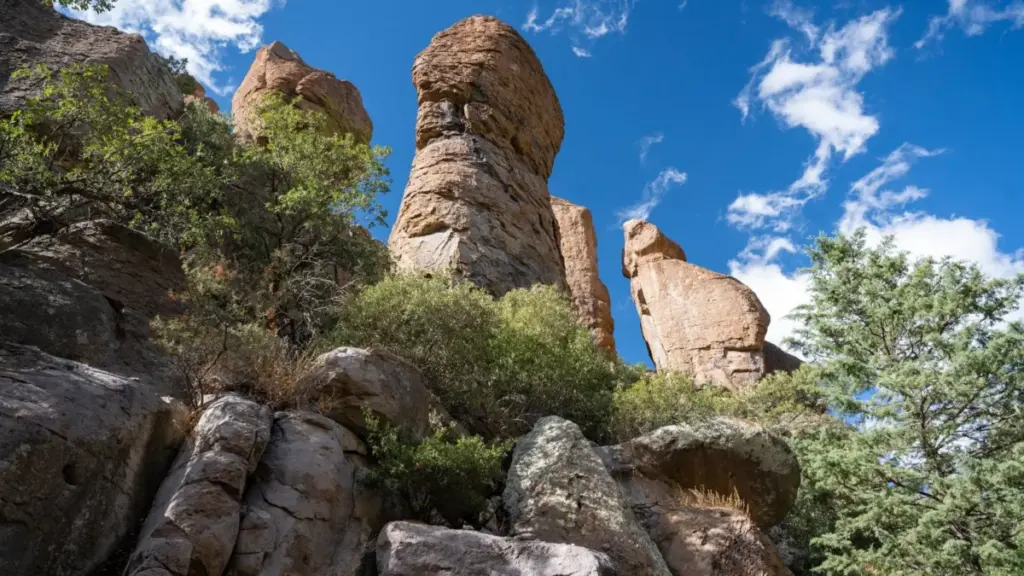
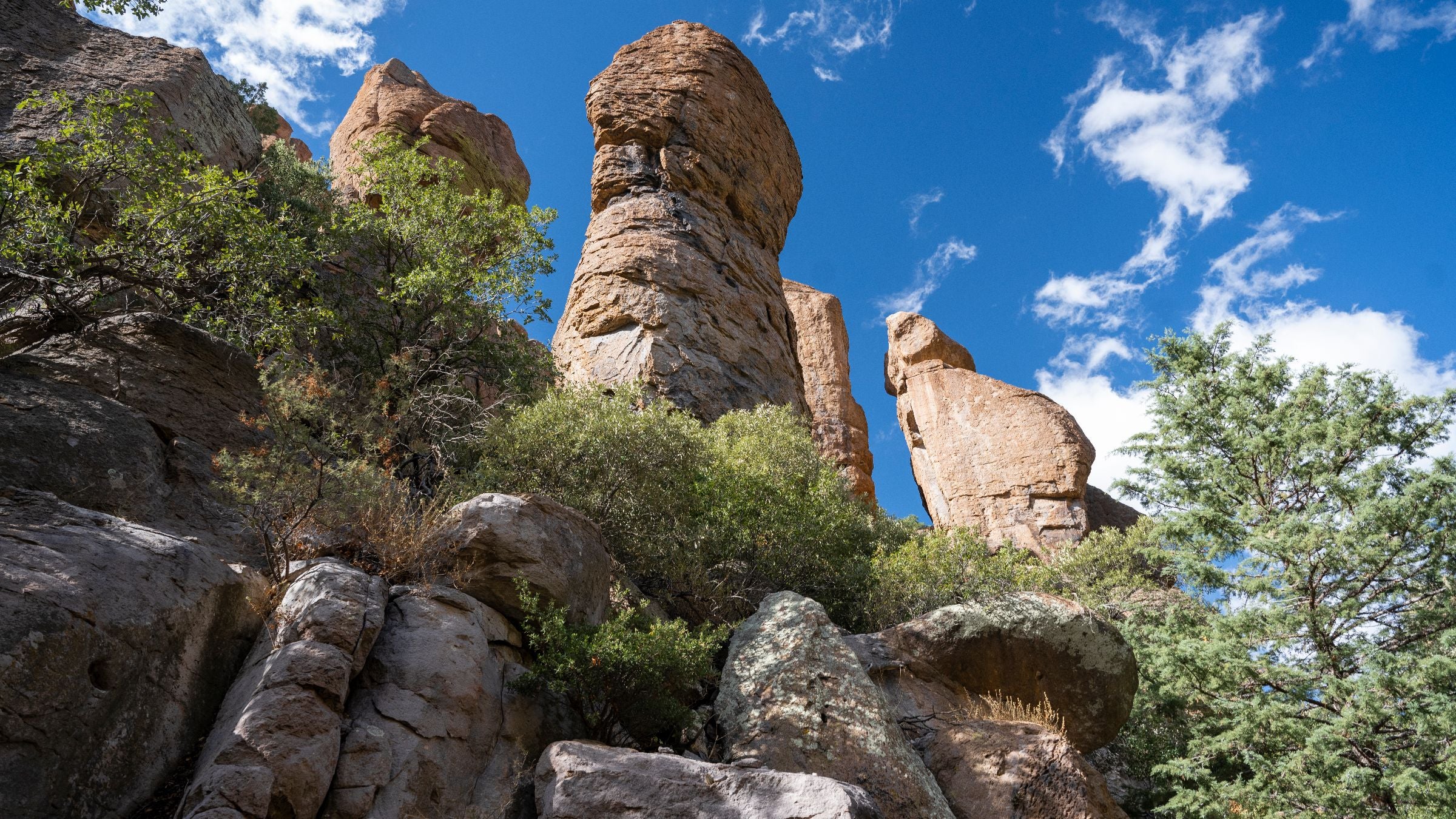
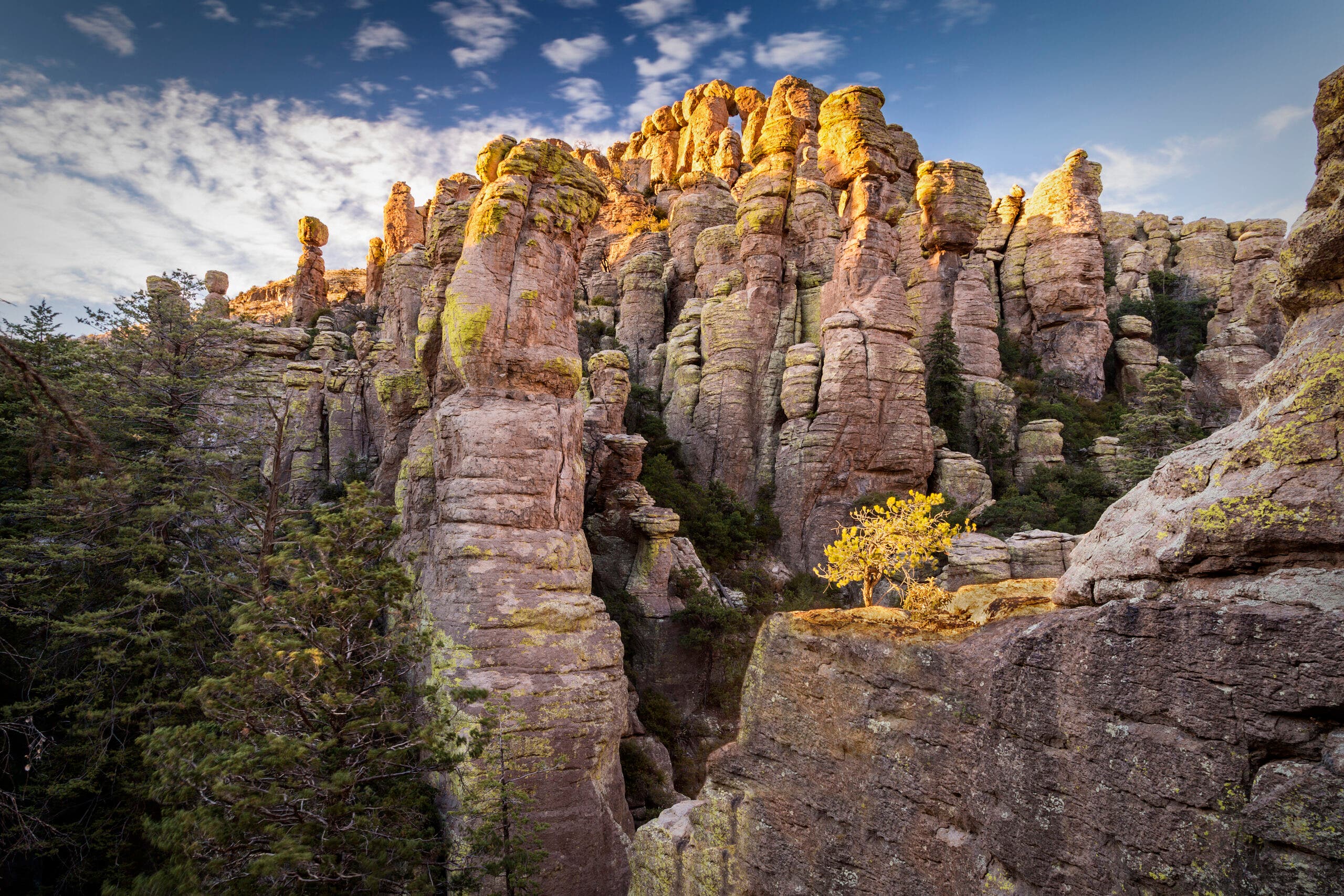
The ongoing expansion of America’s public lands portfolio has reached another milestone with the recent presidential designation of Chiricahua National Park in southeast Arizona. Celebrated for its striking vertical rock spires, deep canyons, and dramatic hoodoos, the landscape offers a visual spectacle that fits comfortably within the traditional imagery of the American West. Yet, much like nearly every major land-use decision in the modern era, Chiricahua’s promotion to the nation’s top-tier environmental status has ignited a broader debate. While conservation advocates and outdoor enthusiasts frequently cheer the heightened visibility and safeguards that accompany a full national park title, critics continue to question whether the country should keep expanding the roster at all, or if doing so risks diminishing the very value of the designation.
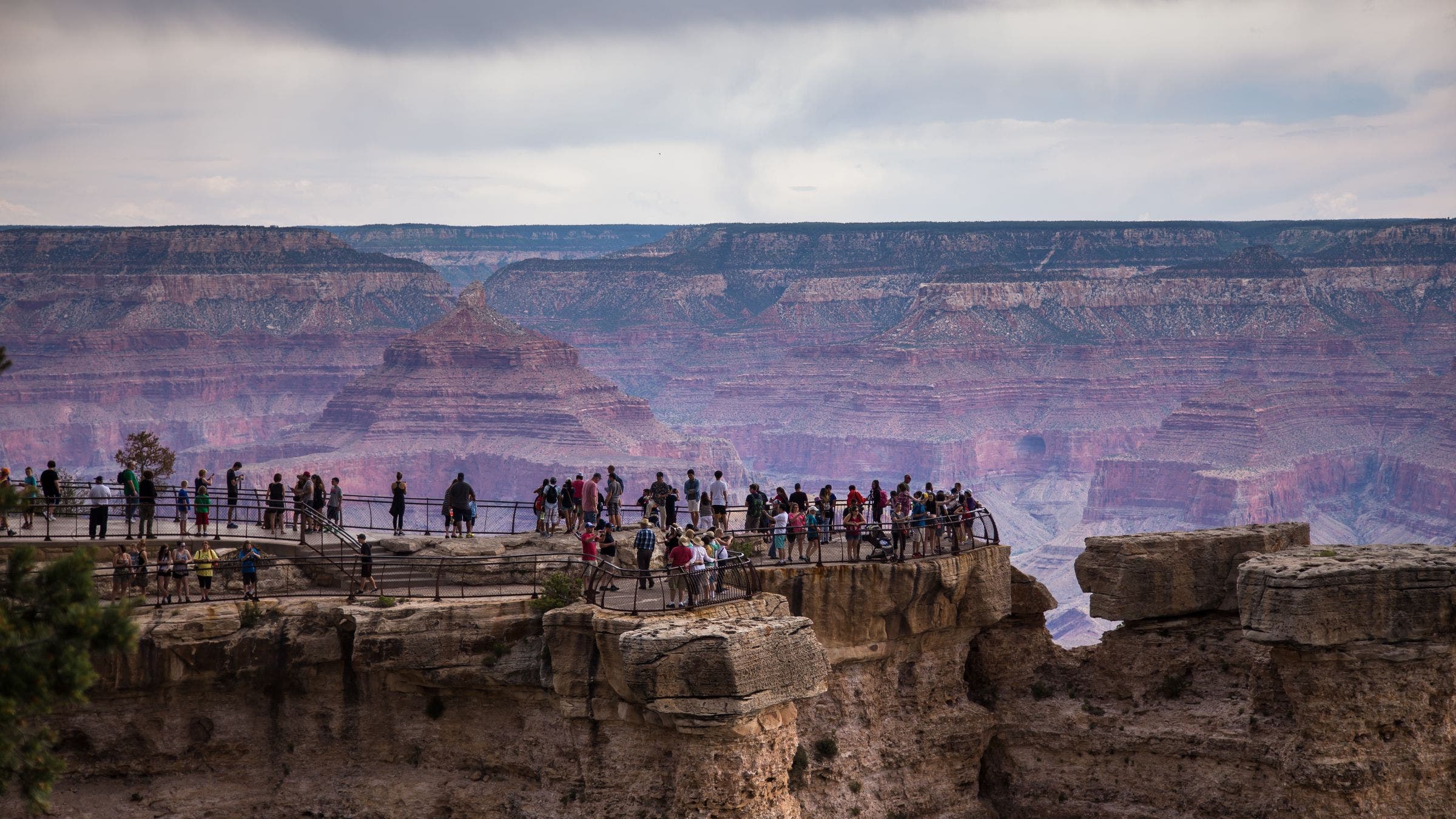
At the heart of the discussion are competing philosophies regarding land management, economic development, and public administration. On one side, proponents view full national park status as one of the most comprehensive instruments available for safeguarding critical environments, while simultaneously serving as a powerful economic catalyst for adjacent rural communities. On the other side, skeptics point to the National Park Service’s formidable budgetary pressures, arguing that adding new units to an already strained system exacerbates existing infrastructure and maintenance backlogs. Furthermore, traditionalists contend that the nation’s premier landscapes have already been secured, and that recent additions lack the sweeping, awe-inspiring scale of iconic destinations like Yosemite or the Grand Canyon.
Balancing these contrasting viewpoints requires stepping back to examine the historical foundations, statutory processes, and long-term implications driving the national park expansion debate.
What Is the Purpose of the National Park System?
While the national parks are widely celebrated as a uniquely American concept, the institutional purpose behind them evolved over decades. The movement began in 1872 with the establishment of Yellowstone National Park, an era that predated the formal creation of a unified federal agency to manage such spaces. It was not until 1916, when President Woodrow Wilson signed the Organic Act, that the National Park Service was officially established to oversee these areas.
The foundational legislation defined the agency’s dual mandate: to conserve the scenery, natural and historic objects, and wildlife within the parks, while simultaneously providing for public enjoyment in a manner that leaves them unimpaired for future generations. Achieving this delicate balance between conservation and recreation has guided federal land management for over a century, raising persistent questions about how individual parcels transition from ordinary public lands to protected national treasures.
How a National Park Is Born
The modern National Park System encompasses 433 units spanning a diverse array of designations, ranging from compact national historic sites and military parks to expansive national monuments and recreation areas. Within this broad administrative network, however, only 64 units hold full national park status.
Unlike national monuments, which a sitting president can establish on existing federal property through the executive authority granted by the Antiquities Act of 1906, elevating a landscape to a full national park requires a rigorous act of Congress. Both the House of Representatives and the Senate must pass enabling legislation, which must then be signed into law by the president.
This legislative hurdle is intentionally demanding. Bills proposing new national parks frequently stall in committee or require years of negotiation and multiple legislative attempts to gain traction—as was the case with the establishment of Mesa Verde in Colorado. The complex procedural safeguards are designed to prevent the proliferation of top-tier designations without rigorous scrutiny.
Is a National Park Designation the Ultimate Way to Protect Land?
Despite the prestige associated with national parks, they do not represent the strictest form of federal land protection. Federally designated Wilderness areas enforce the most stringent limitations on human activity and infrastructure development. By contrast, national parks are designed to accommodate higher volumes of public recreation, which necessitates roads, visitor centers, and, in some historical instances, ski facilities or commercial amenities.
For many advocates, the primary value of a national park designation lies in its permanence and cultural cachet, ensuring that distinctive geological formations and ecosystems remain protected for future generations. However, environmental watchdogs note that landscapes like Chiricahua already enjoyed substantial federal protections while operating as national monuments.
Ed Stierli, government affairs lead for the National Parks Conservation Association (NPCA), emphasizes that public perception often obscures the structural realities of the federal land system. Pointing to the 433 units managed by the agency, Stierli notes that full national parks represent only a fraction of the system, alongside monuments, historic parks, and national seashores. The NPCA and similar advocacy groups maintain that all units within the system deserve robust safeguards, regardless of their specific title.
This perspective collides with executive actions regarding national monuments, where boundaries have historically been subject to political shifts. Landmark disputes—such as the repeated boundary modifications at Bears Ears National Monument under successive presidential administrations—illustrate the vulnerabilities facing non-park units, fueling ongoing legal and political battles over executive authority.
Does National Park Status Boost the Local Economy?
The economic impact of a national park designation is well-documented, frequently providing a measurable tourism surge for surrounding towns and regional businesses. A prominent example occurred in West Virginia following the redesignation of the New River Gorge National River into the New River Gorge National Park and Preserve. By 2025, annual visitation surpassed two million, representing a 64 percent increase compared to pre-designation levels in 2019.
Yet, not all communities welcome this influx. Local residents and municipal leaders surrounding New York’s Adirondack Park have repeatedly pushed back against proposals to convert state forest preserve land into a federal national park, citing concerns over potential loss of local autonomy, restrictive federal land-use policies, and severe traffic congestion.
Should the NPS Budget Crisis Prevent a New National Park?
A central criticism facing proponents of park expansion is the National Park Service’s staggering deferred maintenance backlog, which currently exceeds $22 billion. Skeptics argue that the agency should prioritize repairing aging infrastructure, roads, and facilities across its existing footprint before absorbing new responsibilities.
Defenders of recent designations counter that park elevations do not inherently expand the financial burden on the agency. Because modern additions like Chiricahua and New River Gorge were previously managed as units within the National Park System, their administration is already integrated into existing federal budgets.
Stierli points out that administrative costs remain largely unchanged following a redesignation. For instance, after New River Gorge was elevated in status, its operational budget remained flat, and staffing levels have faced reductions rather than expansions amid broader federal budget adjustments.
Will A National Park Designation Dilute the NPS Brand?
The debate over brand dilution remains a central point of contention among conservationists, historians, and frequent visitors. Over the past decade, the system has added five new national parks through elevation from existing units: Gateway Arch, Indiana Dunes, White Sands, New River Gorge, and Chiricahua. These sites transitioned from national memorials, lakeshores, and monuments.

While these destinations offer distinct recreational and historical value, critics argue they lack the sweeping vistas and ecological grandeur associated with traditional crown-jewel parks. The diminutive scale of certain additions further intensifies the discussion. Gateway Arch spans under 200 acres, making it the smallest park in the system, while Chiricahua encompasses roughly 12,000 acres, and Indiana Dunes covers approximately 15,000 acres. By comparison, older western parks encompass hundreds of thousands, or even millions, of acres, though exceptions exist, such as White Sands, which spans more than 145,000 acres.
Statutory definitions distinguish monuments—which are established to preserve at least one nationally significant resource—from national parks, which are intended to protect a diverse array of nationally significant ecological or cultural features across broad landscapes. This distinction fuels ongoing skepticism regarding pending legislative proposals, such as a bill seeking to elevate Ocmulgee Mounds National Historical Park in Georgia to full national park status. While widely acknowledged for its profound cultural and archaeological significance, Ocmulgee spans fewer than 2,000 acres and lacks the expansive recreational infrastructure traditionally expected of a national park, leading some analysts to argue that its current designation as a historical park is more appropriate.
Conversely, advocates maintain that elevating these sites brings vital public attention to the broader national park network. Stierli rejects the notion of brand dilution, asserting that every designation highlights a unique facet of America’s natural and cultural heritage while reinforcing public appreciation for the entire federal system.