


The pet food industry has seen a significant diversification of product formats in recent years, with cat owners increasingly looking beyond traditional kibble and canned wet food. Among the alternative options gaining traction is dehydrated cat food, a dry, shelf-stable format designed to be reconstituted with water before serving. For the right feline companion, this format promises to combine the compact, convenient storage of dry food with the moisture-rich benefits of a soft meal.
However, dehydrated cat food is not a universal cure-all. It is not inherently raw, nor is it automatically superior in nutritional value to other food formats. Its suitability for any individual cat depends on several critical factors, including the product’s nutritional adequacy statement, the cat’s specific life stage, caloric requirements, willingness to accept the reconstituted texture, digestive tolerance during transitions, and any existing veterinary dietary restrictions.
This exploration of dehydrated cat food is sponsored by The Honest Kitchen. While the brand has provided sponsorship, Vetstreet maintains complete editorial control, utilizing current product information alongside independent pet-nutrition and veterinary sources to evaluate the format objectively.
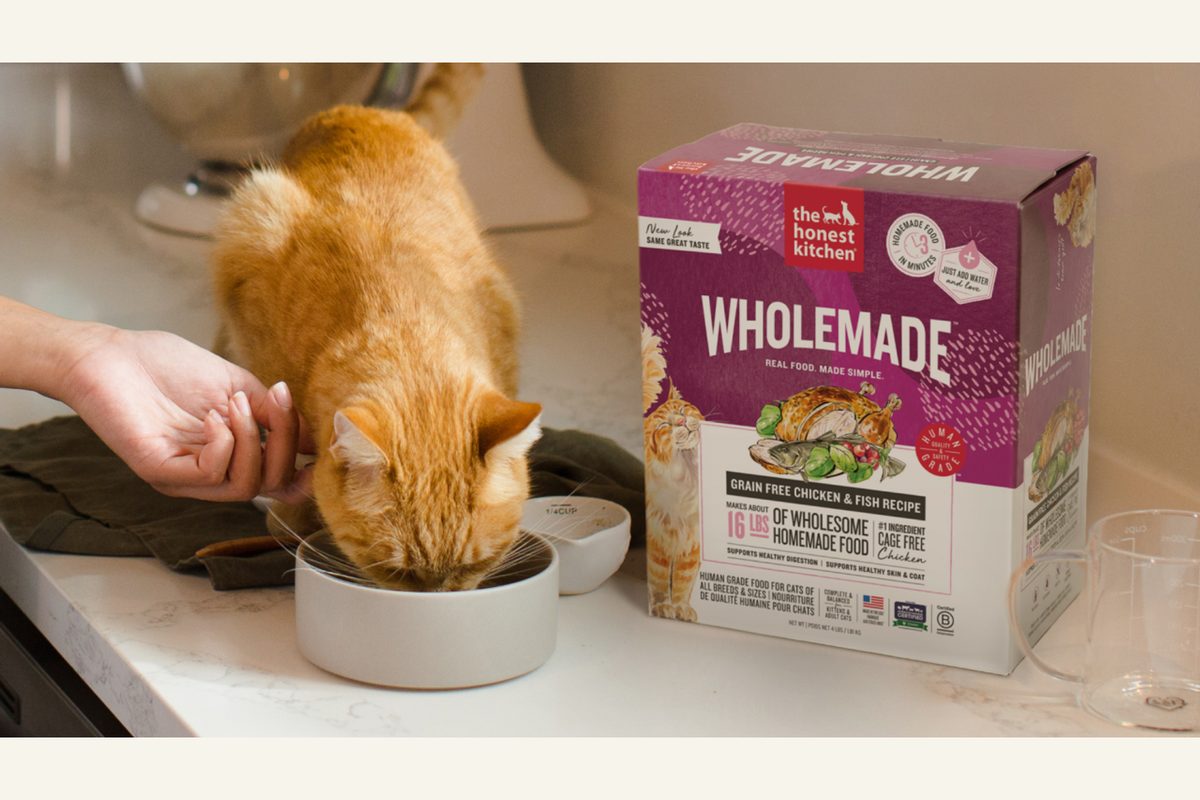
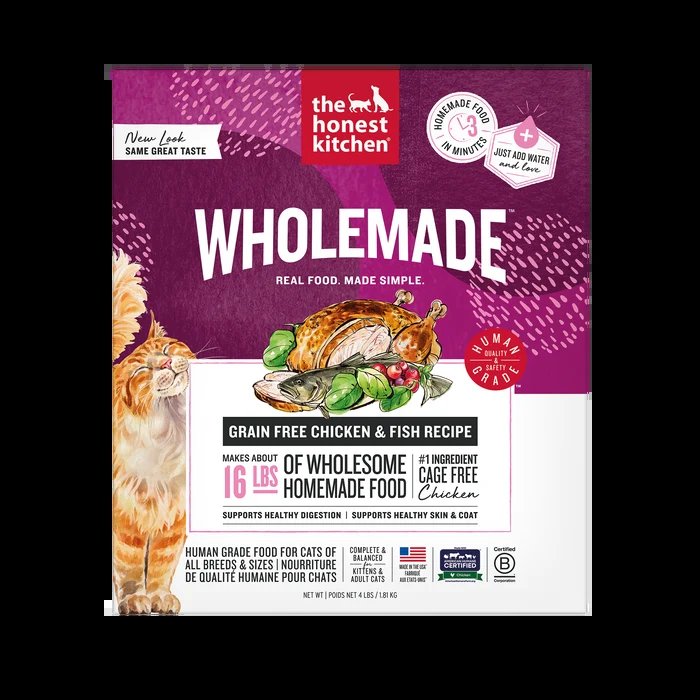
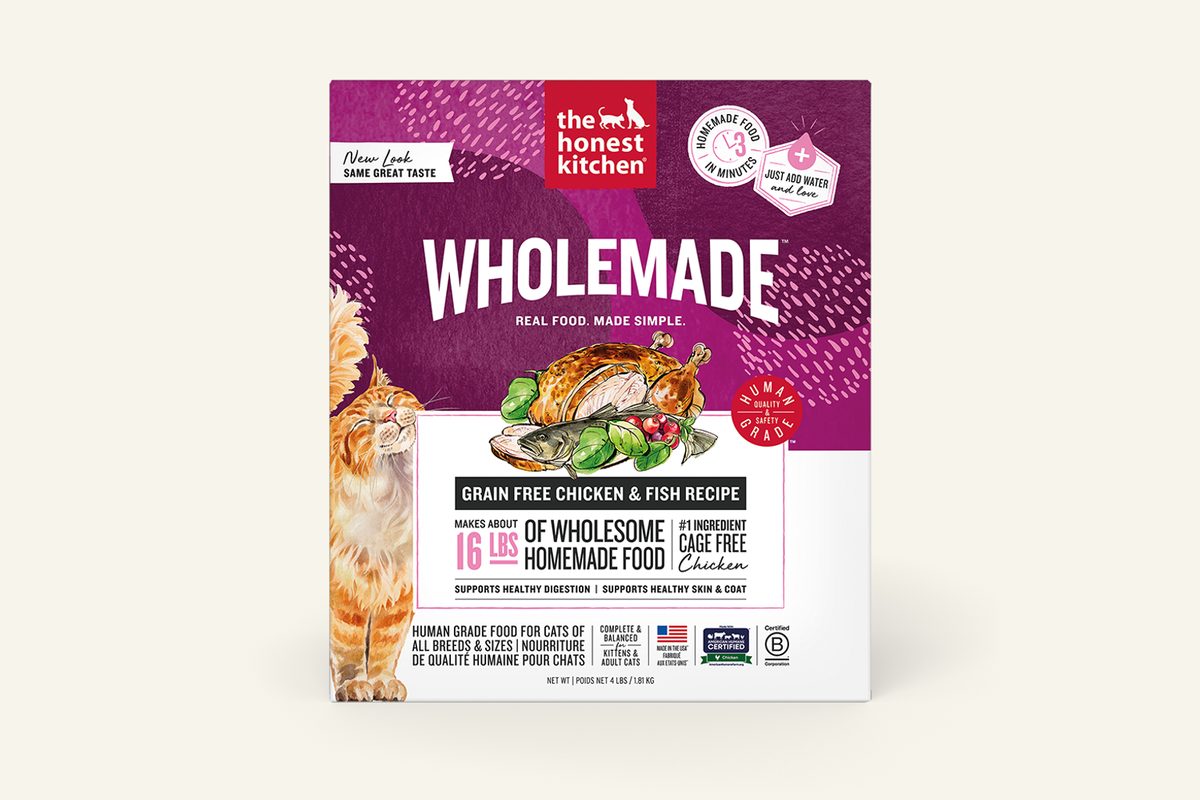
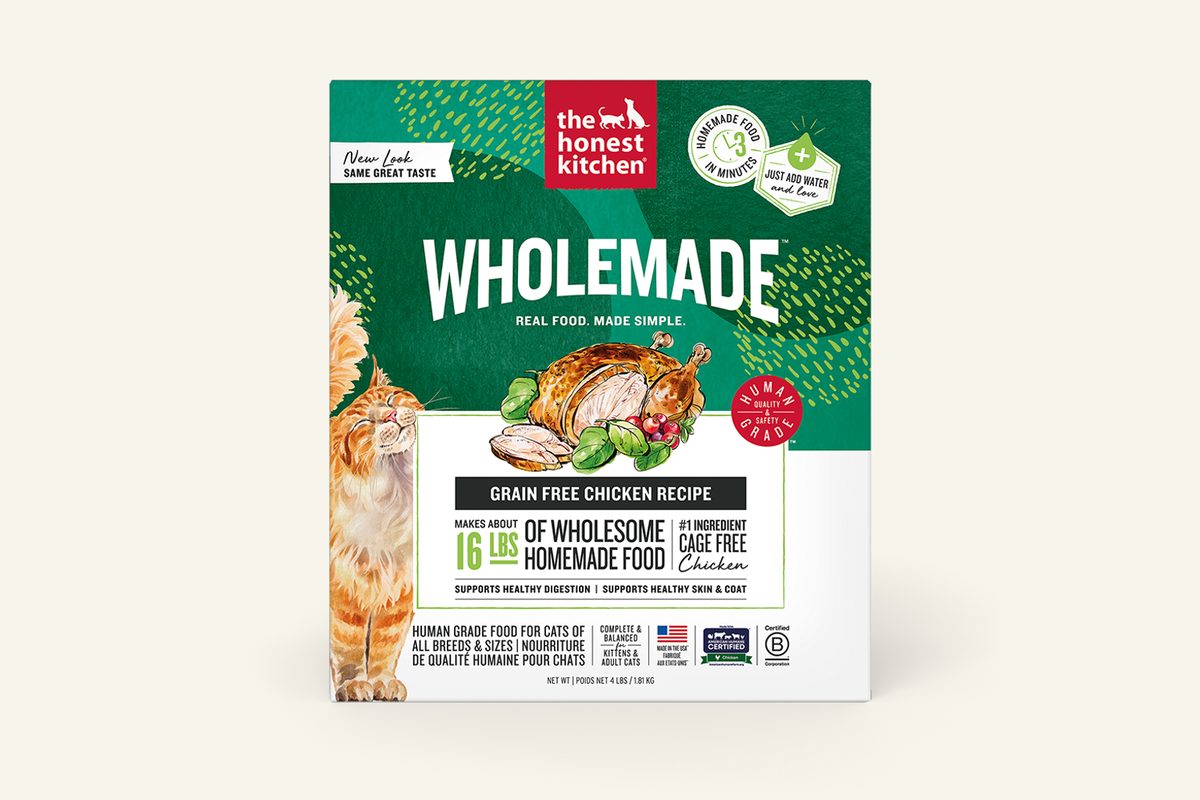
Among the prominent options currently on the market, The Honest Kitchen offers dedicated dehydrated feline recipes, such as its Grain Free Chicken & Fish and Grain Free Chicken formulas. According to the brand, its dehydrated proteins are gently cooked to an internal temperature of at least 165 degrees Fahrenheit before undergoing the dehydration process. This is a critical distinction for consumers: because of this thermal processing, these products should not be categorized or described as raw food. Instead, they must be assessed as a distinct, cooked-and-dehydrated format, requiring owners to look closely at current product labels rather than relying on broad, generalized assumptions about "minimally processed" or "raw" diets.
What Is Dehydrated Cat Food?
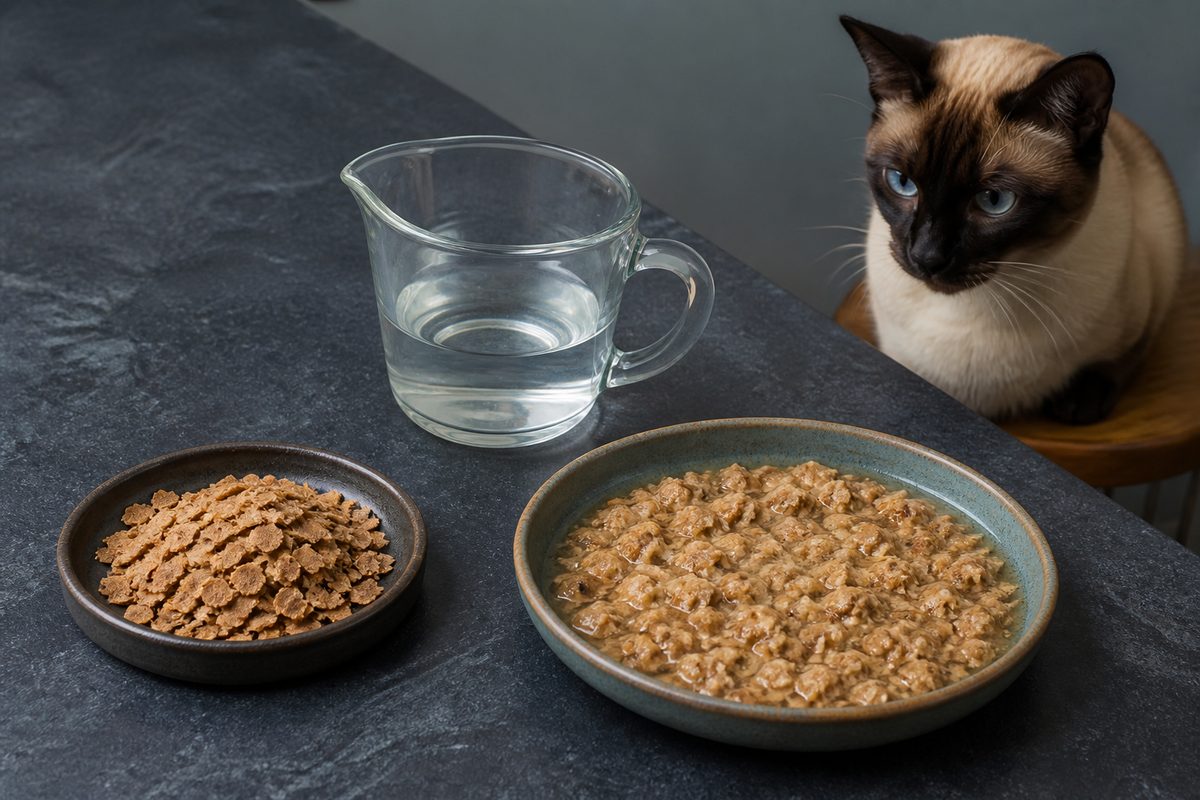
Dehydrated cat food begins as a prepared recipe from which the majority of the moisture is carefully removed. The resulting low-moisture product is highly compact and shelf-stable, allowing pet owners to store substantial quantities of food without dedicating the refrigerator or freezer space typically required by fresh or opened canned diets.
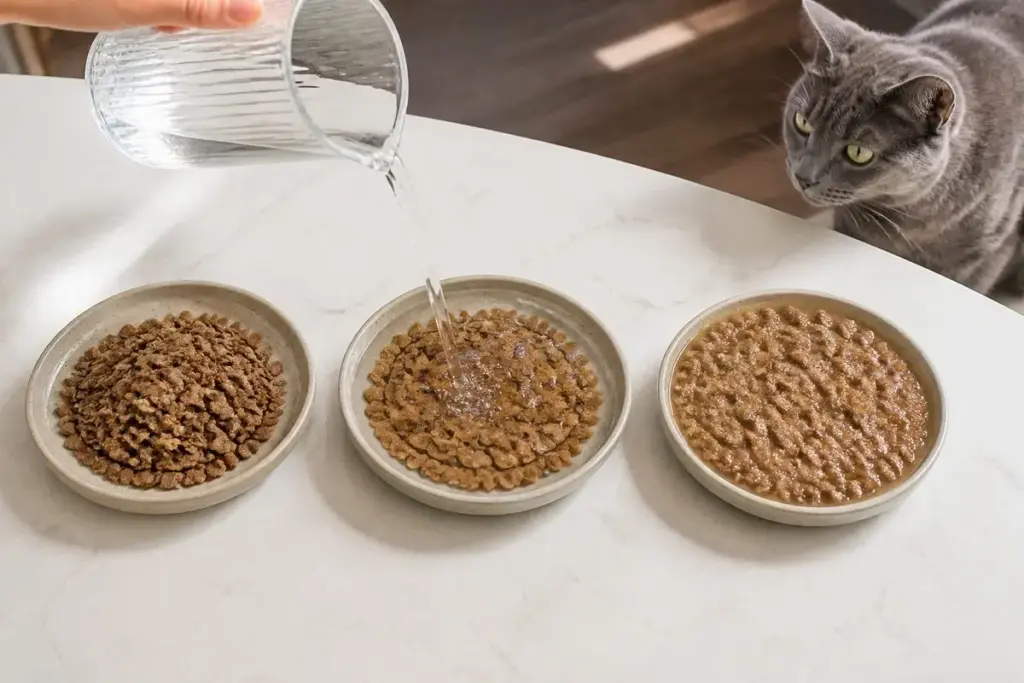
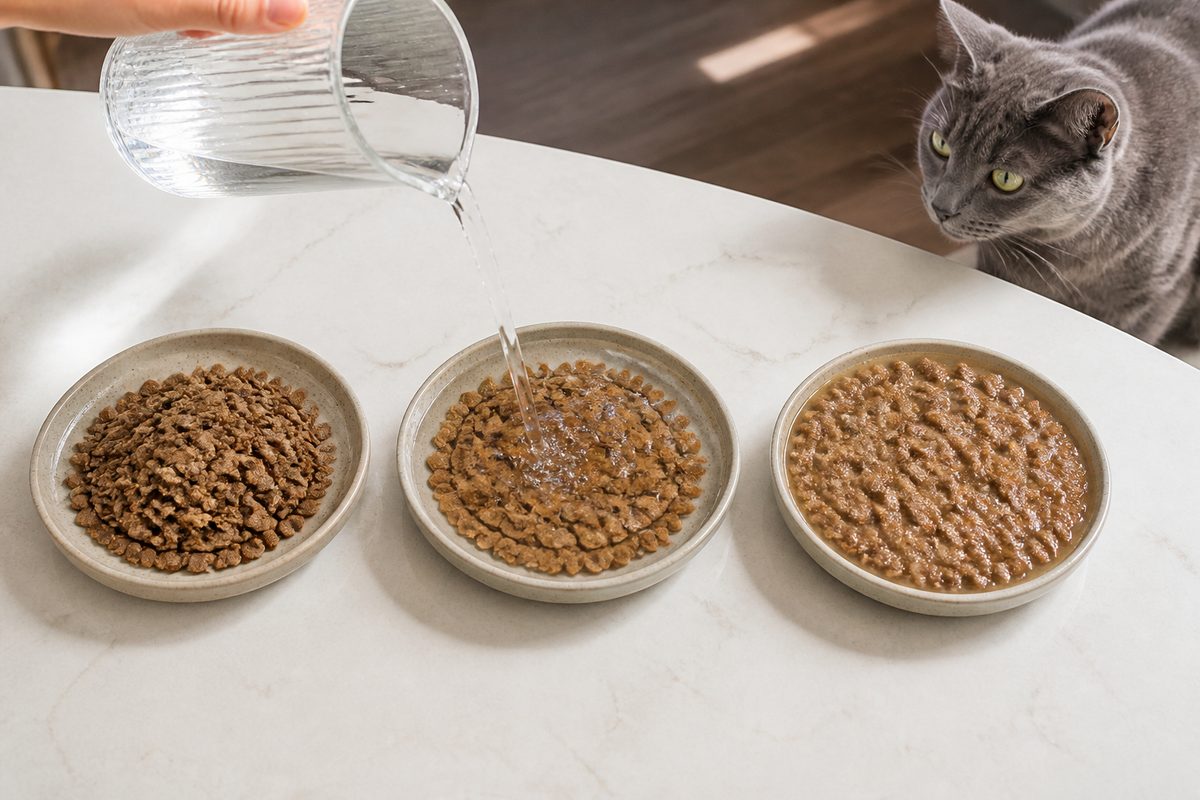
At mealtime, the preparation process is straightforward but precise: the owner measures the dry product, adds the specific volume of water directed on the packaging, stirs the mixture, waits for the instructed duration to allow for proper absorption, and serves the rehydrated meal.
Despite the simplicity of this routine, determining whether a specific bag of dehydrated food is appropriate for a household requires answering several foundational questions regarding the diet’s formulation and the cat’s individual needs.
Crucial Questions for Cat Owners Before Switching
To determine if a dehydrated formula is suitable as a primary diet, pet owners should evaluate several key areas:
- Can it serve as the sole diet? Owners must verify the product’s current nutritional adequacy statement. Some dehydrated products are formulated as complete and balanced meals, while others are designed strictly as supplemental toppers or mixers. A supplemental product cannot safely replace a complete daily diet.
- Is it appropriate for the cat’s age? The intended life stage must be clearly indicated on the packaging. Kittens undergoing rapid growth have vastly different nutrient and mineral demands compared to adult cats requiring maintenance diets.
- How is it prepared? Ratios of dry food to water, recommended water temperatures, and required resting times can differ significantly between formulas. Incorrect preparation can alter both the calorie density of the serving and the final texture of the meal.
- Will the cat accept the texture? Feline appetite and actual food intake must be monitored closely following a gradual introduction. Cats should never be left to "give in" to a new food through prolonged food refusal, as self-starvation can lead to severe health complications.
- Does it align with a medical plan? If a cat has been prescribed a therapeutic diet for urinary, kidney, gastrointestinal, allergic, or other medical conditions, veterinary approval is required before introducing a dehydrated food. Adding or substituting foods can easily disrupt the precise nutrient balances of therapeutic diets.
- Is it practical for the household? The preparation time, cleanup, storage requirements, travel logistics, and daily feeding schedules must align with the owner’s lifestyle to ensure consistent portioning and safe food handling.
The designation "dehydrated" describes a method of food processing and serving, not its underlying nutritional quality. While one dehydrated recipe may provide a complete and balanced diet, another may be legally categorized as a topper. According to the U.S. Food and Drug Administration (FDA) guidance on complete and balanced pet food, the nutritional adequacy statement is the only reliable location on a label to confirm whether a product is formulated to serve as a sole source of nutrition.
To assist owners in this evaluation, a multi-factor suitability scorecard can be helpful. While a single "no" to any of the key questions does not automatically disqualify the dehydrated format, it highlights specific challenges that must be addressed—whether that involves executing a slower texture transition, consulting a veterinarian regarding therapeutic dietary conflicts, or contacting the manufacturer to clarify an ambiguous adequacy statement.
How Dehydrated Cat Food Differs From Other Formats
In the pet food marketplace, terms describing food formats are frequently conflated, leading to confusion among shoppers. To make an informed comparison, cat owners must focus on the actual preparation instructions and label details of a product rather than relying on fashionable industry descriptors.
Dehydrated Food
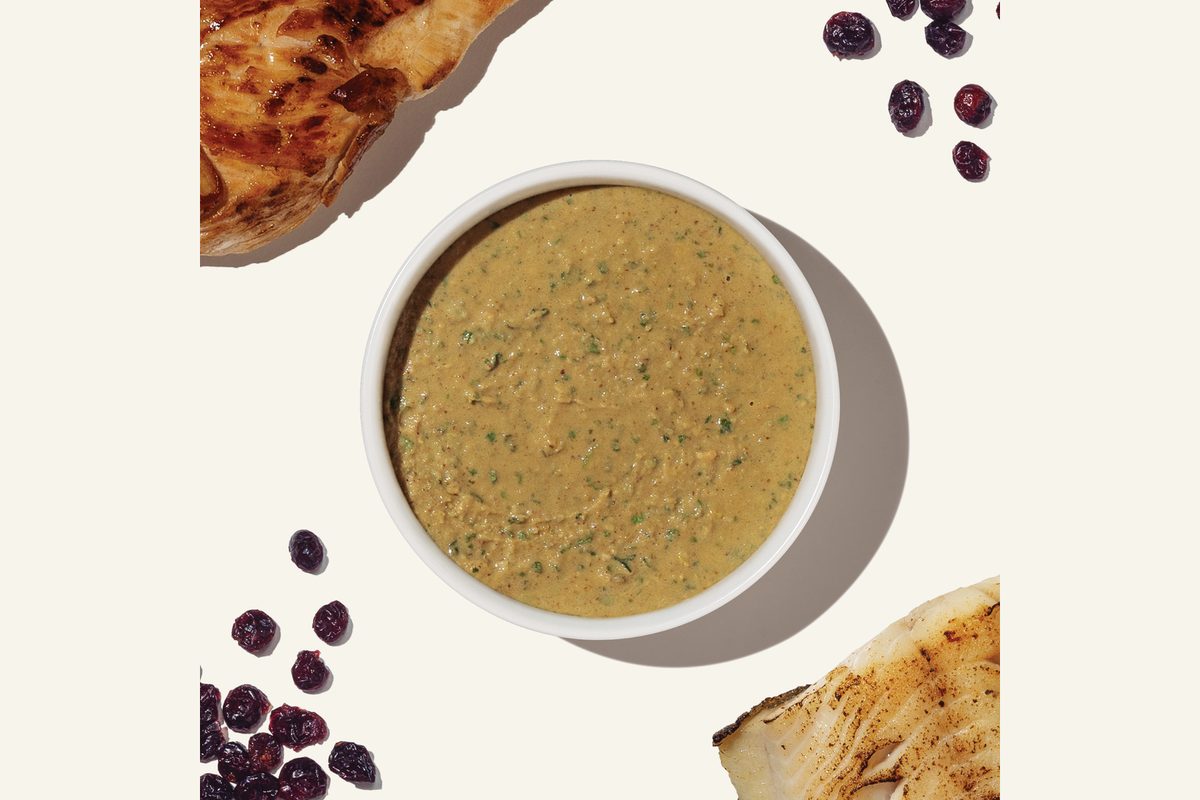
In this format, moisture is removed to yield a compact, dry product that must be mixed with water at home according to package instructions. Depending on the recipe and the water-to-food ratio, the final rehydrated texture typically resembles a soft mash or a pâté-like consistency. Crucially, the caloric concentration of the meal must be calculated based on the dry serving information rather than guessed from the expanded volume of the hydrated food.
Traditional Dry Food (Kibble)
Kibble is formulated, manufactured, and baked or extruded to be served dry, though owners or veterinarians may occasionally choose to add water. The individual pieces retain their structural integrity in the bowl and are highly calorie-dense by volume. Because many cats strongly prefer the crunch and familiarity of dry kibble, transitioning from kibble to a rehydrated food represents a significant sensory and textural shift, in addition to a change in ingredients.
Wet Canned, Minced, Mousse, or Pouch Food
Traditional wet food is packaged with its natural moisture fully intact. It is designed to be opened and served immediately without any measuring of water or mixing at home. Wet food textures span a wide range, including smooth mousses, minced pieces, shreds, and chunks in gravy. Once opened, these containers require immediate refrigeration and strict adherence to safe handling windows.
Freeze-Dried Food
Freeze-drying removes moisture through sublimation, a completely different physical process than thermal dehydration. Some freeze-dried products contain raw ingredients, while others are cooked prior to processing; therefore, the term "freeze-dried" alone does not guarantee a product’s pathogen-handling history or cooking status. Owners must inspect the product label to verify nutritional adequacy, safe handling instructions, and whether rehydration is required or merely recommended.
Air-Dried Food
Air-dried foods generally feature a dense, chewy, or jerky-like texture and are typically served dry without the addition of water. Processing temperatures and nutritional formulations vary widely across brands. "Air-dried" is not simply another term for "dehydrated," and neither designation serves as an inherent guarantee of superior nutritional quality.
Supplemental Hydration Products and Toppers
Broths, pour-overs, and other liquid toppers are formulated to introduce additional moisture and aroma to an existing meal. However, these are frequently labeled for intermittent or supplemental feeding only. They must never be utilized as a complete diet, regardless of how closely they resemble standard wet food or how high their meat content appears.
Potential Benefits of Rehydrated Meals for Cats
The primary arguments in favor of rehydrated cat food are practical and sensory rather than strictly medical. By adding water directly to the dry formulation during preparation, owners can ensure that a predictable volume of moisture is consumed alongside the meal.
According to the Cornell Feline Health Center, cats obtain water both through direct drinking and via their food. While increasing the water content of a meal naturally elevates a cat’s overall fluid intake, it does not replace the physiological need for constant access to clean, fresh drinking water. Rehydrated food should never be used as a justification for removing water bowls or pet fountains.
For healthy cats, the rehydrated format offers several distinct advantages:
- Measurable Moisture: Owners can precisely track the volume of water added to each meal. While this provides a useful metric for daily preparation, it does not perfectly reflect total absorbed fluids, as some food may remain uneaten. If hydration is a primary clinical concern, veterinarians will evaluate overall clinical signs, urine concentration, and total intake rather than relying solely on the amount of water mixed into a bowl.
- Soft Texture and Pantry Convenience: The format offers a smooth, soft meal option for cats that prefer wet food, while sparing owners the need to store and manage stacks of metal cans. However, because cats develop strong sensory preferences early in life, a cat accustomed to the crunch of kibble may not immediately recognize a soft, mash-like consistency as food. Conversely, a cat already accustomed to canned pâté may transition to rehydrated food with minimal resistance.
- Aroma and Temperature Control: Mixing the food with warm—never hot—water naturally volatilizes the fats and proteins, making the meal’s aroma much more pronounced. This can stimulate interest in healthy cats that may be hesitant about a new diet. However, enhanced aroma should not be used to mask a sudden, persistent loss of appetite, which requires prompt veterinary investigation.
Navigating the Texture Transition
To introduce a new texture safely without causing digestive upset or food aversion, owners can implement a gradual, multi-day transition:
- Initial Taste: Offer a tiny, pea-sized portion of the correctly prepared rehydrated food on a separate dish alongside the cat’s normal meal.
- Side-by-Side Placement: Gradually place a slightly larger portion of the prepared food next to the familiar diet, ensuring the cat can choose to taste it without having its primary meal contaminated.
- Gradual Mixing: If the cat shows interest, begin mixing a small percentage of the prepared rehydrated food into the familiar food, slowly adjusting the ratio over several days.
- Full Conversion: Complete the transition only when the cat is consistently and eagerly consuming the new mixture without digestive distress.
Owners must never attempt to starve a cat into accepting a new texture. A safe transition prioritizes consistent daily caloric intake above all else.
Is Dehydrated Cat Food Complete and Balanced?
Dehydrated cat food can certainly serve as a complete and balanced diet, but the processing format itself does not guarantee this status. Pet owners must locate the official nutritional adequacy statement on the product packaging to verify that the food meets established nutritional standards and to identify the specific life stage for which it is formulated.
This step is critical in a product category that includes full meals alongside toppers and hydration broths. Because these products often contain recognizable chunks of meat and vegetables, a buyer might easily assume a product is a complete meal when it is legally intended only for supplemental feeding.
How to Read a Dehydrated Food Label
When evaluating a package, owners should review information in a systematic order:
- Verify the Nutritional Adequacy Statement: Confirm whether the diet is formulated as a complete meal or a supplement.
- Check the Life Stage: Ensure the formulation matches the cat’s age (e.g., growth, adult maintenance, or all life stages).
- Consult the Feeding Guidelines: Use the feeding chart as a starting point, keeping in mind that actual caloric needs vary based on individual metabolism, activity level, and body condition.
- Locate the Calorie Content: Review the metabolizable energy (ME) statement, which is typically expressed as calories per dry cup or kilogram.
Growth and Life Stage Considerations
Kittens require highly specific, nutrient-dense diets to support their rapid skeletal and physiological development. Before offering a dehydrated formula to a growing kitten, owners must confirm that the package explicitly states it is formulated for growth or all life stages.
For instance, the product documentation for The Honest Kitchen’s Dehydrated Grain Free Chicken & Fish recipe indicates it is formulated for both kittens and adult cats. However, because product formulations and labels can change, the physical package in hand must always serve as the final authority.
For adult and senior cats, nutritional requirements can vary widely. While an adult maintenance statement fits many healthy cats, aging felines often present with complex, concurrent health issues such as chronic kidney disease, diabetes, hyperthyroidism, or dental pain. While a dehydrated format can be highly convenient, it must never supersede a therapeutic veterinary diet designed to manage a specific chronic illness.
Proper Preparation and Food Safety Protocols
Preparing dehydrated cat food is an active process that requires strict adherence to hygiene and measurement standards. Because the addition of water introduces moisture to a shelf-stable product, the resulting meal becomes highly perishable and must be handled with the same care as traditional wet pet food.
Step-by-Step Preparation
- Measure the Dry Portion: Use a clean, dry measuring cup or scale to portion the dry food. Base this measurement on the cat’s specific daily caloric target rather than a generic estimate. Reseal the original bag tightly and store it in a cool, dry pantry.
- Measure the Water: Use a standard liquid measuring cup to measure the exact volume of water recommended on the package. The water should be warm to the touch, but never hot, to prevent degrading sensitive vitamins or burning the cat’s mouth.
- Combine and Stir: Pour the water over the dry food and stir thoroughly, making sure to break up any dry pockets at the bottom of the bowl to ensure even hydration.
- Allow to Rest: Let the mixture sit for the exact duration specified on the package (typically several minutes) to allow the ingredients to fully absorb the moisture.
- Serve and Clean: Offer the food in a clean, shallow bowl. Once the meal is complete, wash the bowl thoroughly with soap and hot water to prevent bacterial growth.
Leftover Storage and Hygiene
Any prepared food that is not consumed immediately must be managed carefully:
- Prompt Refrigeration: Transfer uneaten portioned food to a clean, airtight container and place it in the refrigerator immediately.
- Storage Window: Follow the manufacturer’s specific guidelines regarding how long prepared food can be safely kept in the refrigerator (typically 24 to 48 hours).
- Discarding Leftovers: Any reconstituted food left at room temperature for more than one to two hours should be discarded to prevent bacterial contamination.
- Communal Bowls: In multi-cat homes, do not allow prepared food to sit out as an all-day buffet. Saliva introduced to the bowl accelerates spoilage.
Evaluating Your Cat’s Suitability and Managing the Transition
Determining whether to commit to a dehydrated diet involves balancing four distinct factors: nutritional alignment, feline acceptance, individual health status, and household practicality.
                  [ 1. NUTRITION FIT ]
             Does the nutritional adequacy
             statement match the life stage?
                           │
                           ▼
                  [ 2. ACCEPTANCE FIT ]
             Does the cat readily consume the
             rehydrated texture and formula?
                           │
                           ▼
                   [ 3. HEALTH FIT ]
             Does the diet align with veterinary
             guidelines and therapeutic needs?
                           │
                           ▼
                 [ 4. HOUSEHOLD PRACTICALITY ]
             Can caregivers reliably manage the
             daily preparation and storage?
Implementing a 14-Day Structured Home Trial
For a healthy cat with no veterinary contraindications, a structured two-week trial is an effective way to assess the viability of a dehydrated diet.
- Days 1 to 3: Prepare a very small amount of the dehydrated food. Offer it in a separate dish alongside the cat’s normal food to evaluate initial interest, sniffing behavior, and palatability.
- Days 4 to 7: If the cat accepts the taste, slowly increase the proportion of the dehydrated food while proportionally decreasing the original diet. Monitor the cat’s stool quality and behavior closely.
- Days 8 to 14: Transition to the target feeding ratio. Observe whether the household routine of measuring, mixing, waiting, and cleaning remains practical for all caregivers.
According to the Merck Veterinary Manual, any sudden or prolonged loss of appetite in cats is clinically significant and requires immediate veterinary attention. If a cat completely refuses the new food at any point during the trial, owners should not attempt to "starve" the cat into compliance. Doing so puts the animal at risk for serious metabolic complications, such as hepatic lipidosis.
Translating Common Pet Food Marketing Claims
When selecting a diet, pet owners frequently encounter marketing buzzwords that can obscure the actual nutritional value of a product. It is important to evaluate these claims with journalistic objectivity:
- "Human Grade": This term refers strictly to the regulatory and manufacturing standards under which the ingredients were sourced and processed. It is a production standard, not a guarantee that the food is medically appropriate or healthier for an individual cat.
- "Real Food": While appealing to human sensibilities, the presence of whole, recognizable ingredients does not automatically guarantee nutritional completeness. The overall nutrient profile and formulation balance remain paramount.
- "Grain-Free": While suitable for cats with rare, diagnosed grain allergies, a grain-free label is a recipe characteristic rather than an inherent health benefit. Diets should be selected based on overall nutritional balance rather than the simple exclusion of grains.
- "Gently Cooked": For products like The Honest Kitchen’s dehydrated recipes, this term indicates that the proteins were heated to safe pathogen-control temperatures (165°F) prior to dehydration. This processing step ensures food safety while distinguishing the product from raw diets.
Ultimately, the choice of a cat’s diet should be guided by empirical observations—such as stable body weight, healthy skin and coat, normal digestion, and veterinary evaluations—rather than marketing terminology. By focusing on precise preparation, gradual transitions, and verified nutritional adequacy, cat owners can safely determine whether dehydrated food represents a beneficial addition to their feline companion’s daily routine.