

Published September 17, 2026, by Elizabeth Brion
As communities around the world prepare for Yom Kippur, known widely as the Day of Atonement, individuals observe the sacred period through reflection, charity, and seeking forgiveness for past wrongs. However, leading up to the holiday, a point of discussion and advocacy centers on the practice of using live chickens in traditional kapparot rituals. During these ceremonies, birds are often handled in ways that cause fear and distress before a ritual slaughterer cuts their throats. In response, animal advocates and growing segments of Jewish communities emphasize that harming a living creature contradicts the core spirit of atonement, prompting a long-standing movement to observe kapparot instead through the meaningful act of donating money to charity.
A Kind Way to Observe Kapparot
The fundamental purpose of kapparot is to symbolize repentance and a turning away from past misdeeds during one of the most spiritually significant periods of the Jewish calendar. Yet, scholars and community leaders note that fulfilling this purpose does not require the suffering and slaughter of a sensitive, feeling animal. Crucially, the slaughter of a chicken is not a commandment found in the foundational texts of the Torah or the Talmud. Rather, it developed as a custom over centuries, leaving room for adaptation and evolution in how modern practitioners choose to express their repentance and devotion.
By re-examining the ritual through a lens of compassion, many modern participants find that alternative expressions align far more closely with the ethical imperatives found throughout Jewish tradition. This evolution allows individuals to honor the spiritual weight of the days of awe without inflicting pain or distress on sentient beings.
Giving Back Instead of Taking a Life
The central spiritual labor of the High Holiday season is teshuvah, a Hebrew term that translates to returning—returning to one’s higher self, returning to communal responsibility, and striving to become the people we are meant to be. It is a designated time for deep introspection, moral inventory, and a firm commitment to doing better in the year ahead.
Choosing a charitable donation as the vehicle for kapparot is a well-established tradition that keeps the focus squarely where it belongs: on generosity, compassion, and directly helping those in need. Instead of ending a life, practitioners who choose charity transform the ritual into a direct force for good in the world, feeding the hungry, supporting the vulnerable, and uplifting communities in need of assistance. This monetary redemption, known as pidyon kapparah, directs funds to worthy causes, embodying the ultimate ideals of mercy and benevolence that define the holiday.
Make This Yom Kippur a Time of Empathy for All
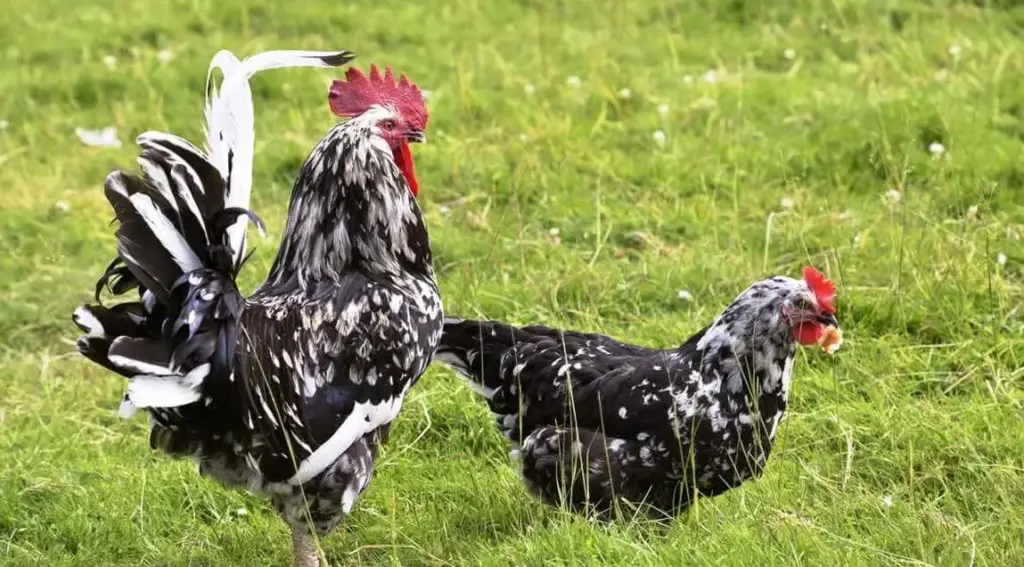
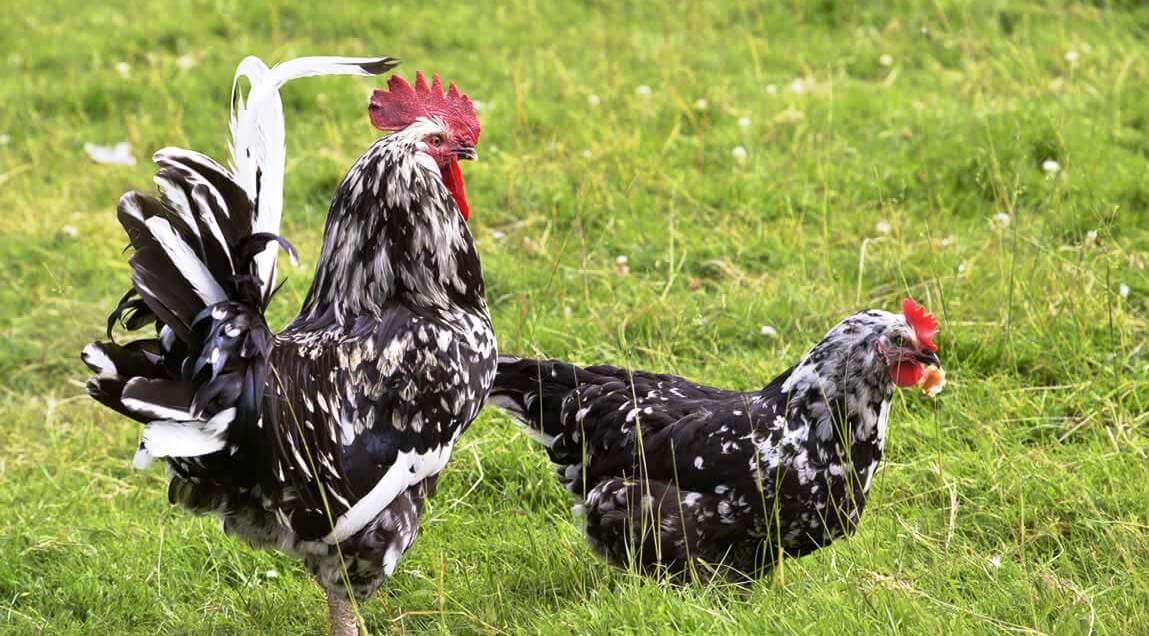
Jewish teachings and ethical frameworks frequently emphasize humanity’s profound responsibility to care for and respect fellow living creatures. Modern ethology and everyday observation confirm that chickens are far more than mere commodities. They are social, curious individuals with distinct personalities who can recognize one another, form strong and lasting social bonds, and experience genuine fear, pain, and distress. Like all animals, they are someone, possessing an inner life and a desire to live free from harm.
Yom Kippur serves as a vital opportunity to make meaningful commitments that help construct a better, more compassionate world for everyone—human and non-human alike. For those who observe kapparot, the path forward is clear: choose charity, never a chicken. Advocates encourage individuals to reflect on these choices and to encourage their families, synagogues, and broader communities to embrace compassionate alternatives that honor life rather than taking it.
As this sacred season unfolds, individuals seeking to deepen their understanding of compassionate observance can explore resources such as Jewish Vegan Life’s Kapparot Guide or educational materials like Shamayim’s Kapparot Reimagined. Furthermore, community members interested in broader advocacy can support efforts urging rabbinical leadership to officially denounce ritual chicken killing and endorse life-affirming traditions that reflect the highest ethical standards of the faith.