



When Marvelous Entertainment first showcased its upcoming role-playing game Eternal Anima during a Nintendo Direct presentation, it initially presented many of the comforting, familiar hallmarks of a retro Japanese role-playing game. There was its handsome, mysterious—and predictably amnesiac—hero named Wade, flanked by a colorful, magic-wielding supporting cast navigating a sprawling fantasy world on the absolute brink of ruin. There was also a massive, distinctively steampunky airship, upon which the game’s band of freedom fighters sail across vast, uncharted oceans in search of salvation.
Yet, beneath its classic exterior lies a revolutionary mechanical core. The standout feature of Eternal Anima is its intricate time-traveling mechanic, which sends Wade journeying into the past to unearth the forgotten powers of ancient heroes, directly altering the course of the future. The most compelling aspect of this time-manipulation theme, however, materializes within the game’s turn-based combat system, which injects an entirely fresh perspective into a genre formula that many players felt had grown stagnant.

After spending an extensive hands-on hour with Eternal Anima and coming to grips with the sheer tactical depth of its time-based battles, it has rapidly ascended to become one of the most eagerly awaited releases of 2027. The title blends traditional narrative comfort with forward-thinking design, positioning itself as a major highlight for fans of the genre when it launches next spring.
What is Eternal Anima?
Eternal Anima is set in a striking fantasy realm known as Urvis Ael, officially described by its developers as "a false paradise where hoping for a better future is a capital offense." Protagonist Wade begins his journey as a soldier within this oppressive regime, but he harbors a powerful, forbidden ability called Psychometry. This extraordinary gift allows him to read memories deeply embedded into historical objects from the past while simultaneously foreseeing critical events that are destined to occur in the future.
Branded as a dangerous heretic for possessing these gifts in a society that outlaws optimism, Wade is forced to flee, ultimately plunging into the sea in search of fundamental answers. His quest takes him across multiple continents and through pivotal historical events, where his actions in bygone eras directly ripple forward to reshape tomorrow.

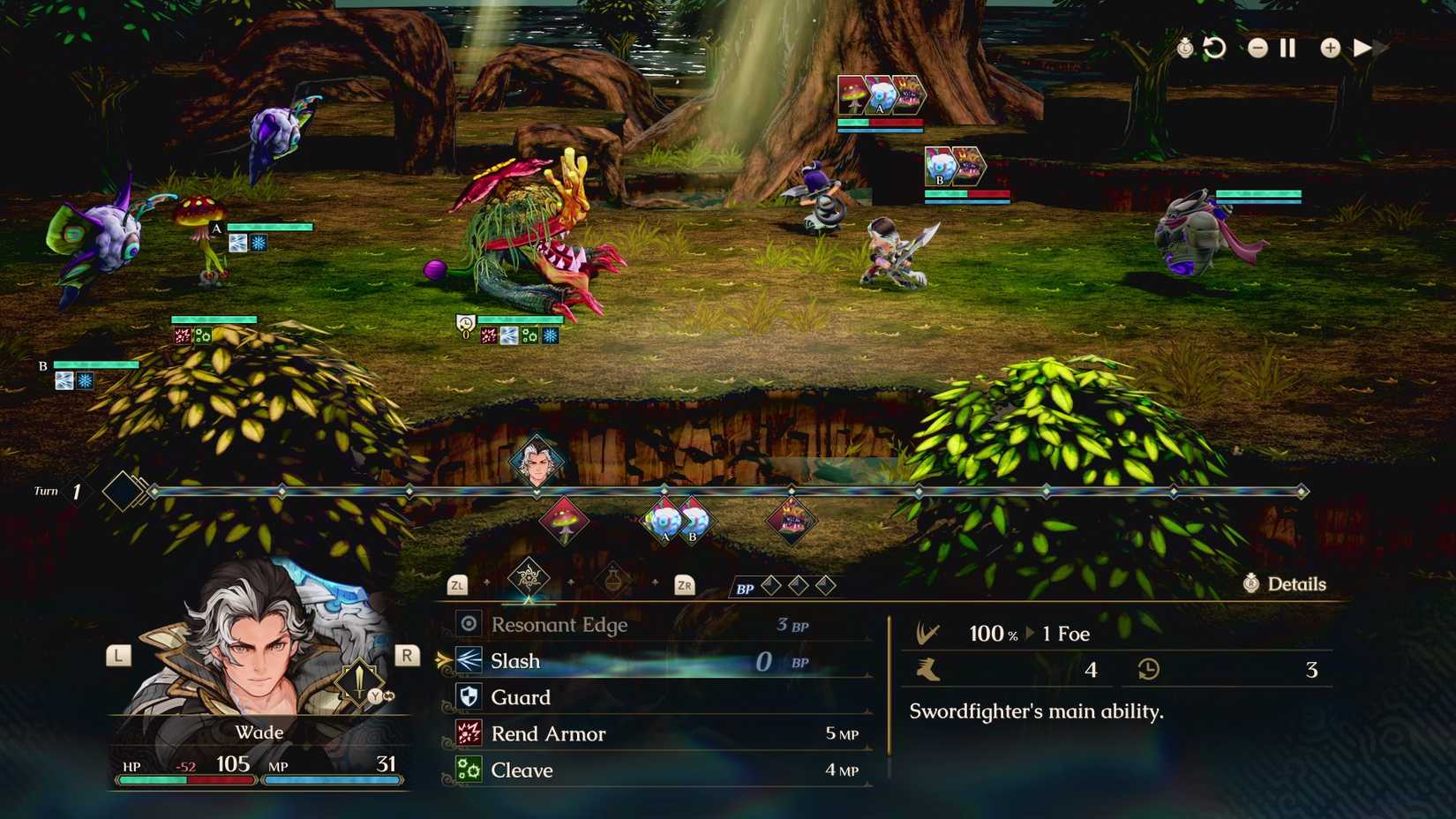
The game’s core Psychometry mechanic heavily influences both exploration and combat, but it shines brightest during tactical engagements through a feature known as Future Sight. This mechanic visually maps out the upcoming turn order on a dynamic timeline displayed directly on the user interface, showing precisely when allies and enemies will execute their next moves.
What elevates Future Sight from a simple interface gimmick to a stroke of tactical genius is the player’s ability to actively manipulate that timeline. Based on the actions chosen during a turn, players can push an enemy’s incoming attack further down the timeline, effectively disrupting their established chain of events through a maneuver called Knock Back. By concentrating focused attacks on a single foe, players can push the enemy’s action so far forward that it kicks them off the timeline completely, successfully eliminating their entire turn from the sequence.
This system demands a complete rethinking of traditional turn-based strategy. During hands-on testing, standard habits of constantly unleashing the most devastating, high-cost spells were quickly replaced by more nuanced decision-making. Players are encouraged to strategically guard or deploy lighter, faster abilities that consume less time on the clock—ensuring they occur earlier on the timeline—so that another party member can step in later with a heavier, more impactful strike. Furthermore, anticipating upcoming calamities displayed on the timeline allows players to proactively buff or preemptively heal vulnerable party members, keeping them securely in the fight before disaster strikes.
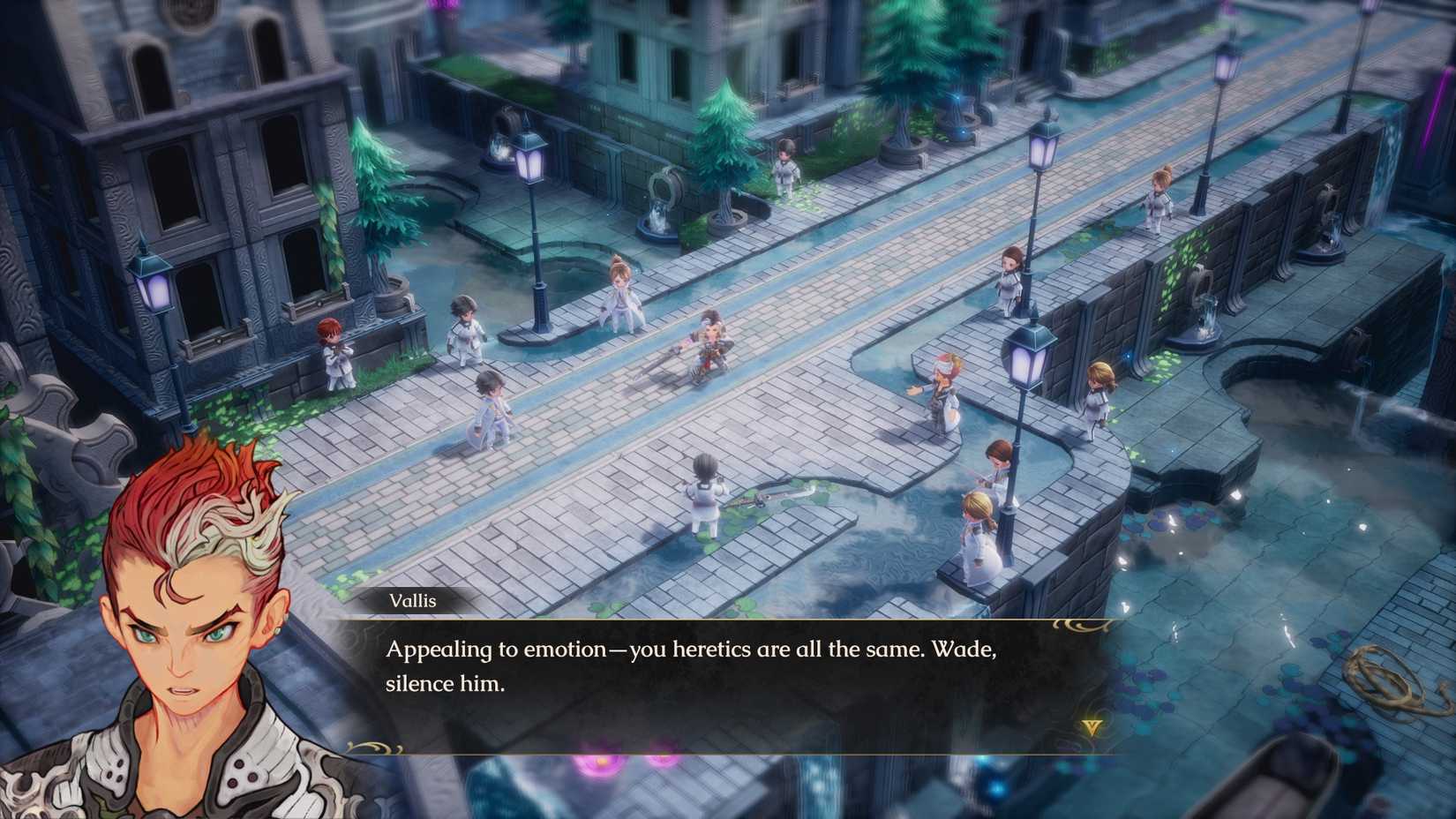
Eternal Anima Boasts a Cast of Compelling Heroes
Beyond its innovative combat framework, Eternal Anima is anchored by an eclectic and well-written supporting cast. During the preview period, players were introduced to several key companions who join Wade on his perilous voyage. These include Neria, an unwavering warrior driven by a fierce desire for freedom; MOS, a sentient automaton—short for Magick-Operated Sentinel—whose personality carries a distinct charm; and Martin, a rebellious, deeply idealistic magic-user. Fully voiced and sporting distinct, memorable character designs, these companions inject the narrative with ample personality, promising rich character arcs as the wider story unfolds.
While significant portions of Eternal Anima feel wonderfully familiar—with the development team openly stating that the game’s world is "dedicated to all JRPG fans"—this nostalgic homage is entirely intentional. The overarching narrative themes of inheritance and bridging distinct eras apply equally to the game’s setting, its storytelling, and its mechanical design. By blending cozy, retro flavors with forward-thinking tactical mechanics, Marvelous Entertainment has crafted a project that feels poised to become a major sleeper hit upon its release.
The pedigree behind the project further elevates its expectations. The creative staff includes veteran talent such as Katsuhisa Higuchi, whose impressive resume features foundational work on Chrono Trigger, Final Fantasy: Origins, and Monster Hunter Stories. They are joined by a powerhouse scenario development team consisting of Kazushige Nojima, Keisuke Makino, and Hironao Fukuda, whose collective expertise spans critically acclaimed franchises such as Final Fantasy, Persona, and Phoenix Wright.
Eternal Anima is scheduled to launch on March 4, 2027, arriving simultaneously on the Nintendo Switch successor console, PlayStation 5, Windows PC, and Xbox Series X.