



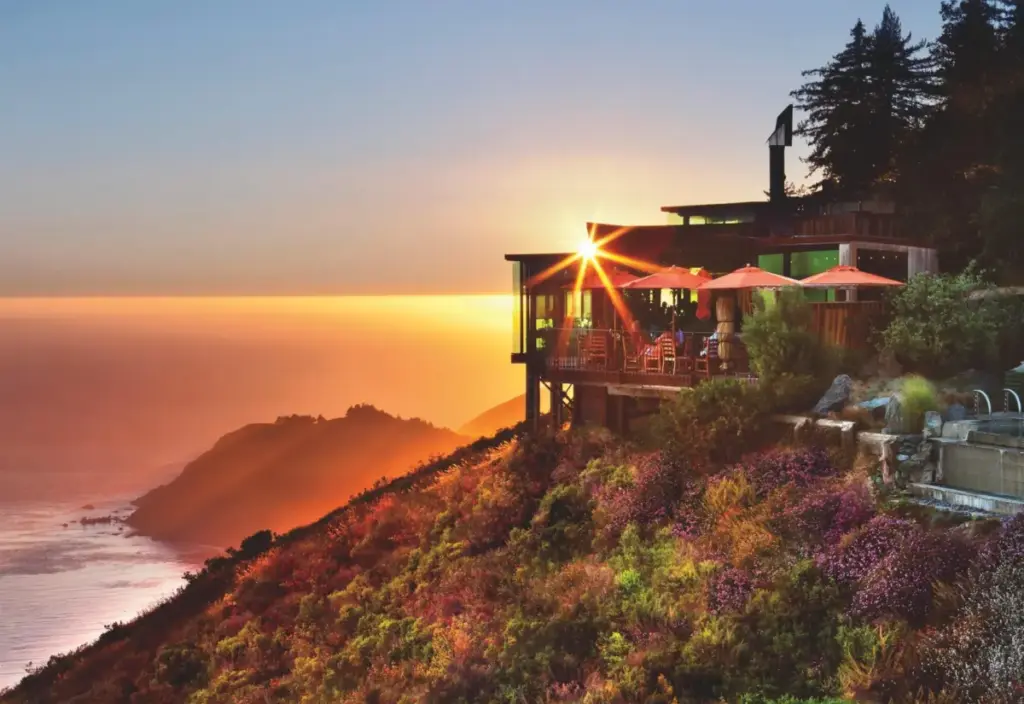
It is a brilliant fall day on Carter’s Creek in Irvington, Virginia, and a small group is hauling heavy baskets of oysters from the brackish waters. They are not traditional Chesapeake watermen earning a living on the historic bay; they are guests of the Tides Inn, participating in a hands-on harvesting experience. For them, wading into the chilly tide and engaging directly with the local ecosystem is the best way they know to press pause on the noise of their everyday lives and be fully present in this unique place. Meanwhile, thousands of miles away in the dappled, golden light of a Big Sur, California, forest, a solitary meditator takes in deep lungfuls of crisp eucalyptus and salty ocean air. At the base of a nearby, ancient live oak sits a freshly harvested frilled chanterelle mushroom, destined for preparation at dinner that very evening at the Post Ranch Inn’s award-winning restaurant.
These two distinct scenes encapsulate a broader, evolving shift in the hospitality industry. A new generation of travelers is eager to hit the road, check in, and destress, but they are approaching traditional resort vacations entirely on their own terms. Today’s travelers refuse to compromise when it comes to exceptional cuisine, authentic regional culture, and deep personal restoration. Whether an individual seeks the maritime heritage of the mid-Atlantic coast or the rugged, contemplative serenity of the Pacific cliffs, the modern luxury and boutique hospitality sectors are responding with hyper-personalized experiences. Whatever a traveler’s ultimate escape looks like, there is now a resort tailored specifically to that vision, moving far beyond the standardized itineraries of the past.
The changing philosophy of leisure travel reflects a deeper cultural evolution in how people view time off. For decades, the standard resort vacation meant lounging by a standardized pool, dining at generalized hotel restaurants, and adhering to rigid, pre-packaged schedules of tourist activities. Today’s travelers are placing a higher premium on intentionality, well-being, and genuine connection to the destination. They want to understand where their food comes from, how local environments function, and how they can disconnect from the digital noise of modern urban existence. By embedding guests directly into the rhythms of the local landscape—whether through oyster farming on a tidal creek or foraging for wild mushrooms beneath coastal redwoods—resorts are transforming passive vacations into active, restorative journeys.
This shift also extends to the logistics of travel itself. For many, the very process of planning a vacation has historically been a source of anxiety, adding another layer of stress before the holiday even begins. However, modern resort properties are streamlining these experiences, ensuring that the transition from everyday life to complete relaxation is seamless. Industry experts and hospitality professionals have assembled comprehensive insights and professional tips to help travelers navigate booking, preparation, and on-site immersion, ensuring that the entire experience is genuinely worth the trip. Rather than navigating a maze of disconnected reservations and rigid tourist traps, contemporary guests are finding that thoughtful preparation unlocks a deeper level of ease.
The appeal of properties like the Tides Inn and the Post Ranch Inn lies in their ability to offer profound disconnection without sacrificing sophistication. Guests at the Virginia waterfront property engage in the time-honored traditions of the Chesapeake region, gaining an appreciation for local aquaculture while enjoying the high-end amenities of a premier resort. Similarly, visitors to Big Sur find a rare intersection of meditative solitude and world-class gastronomy, where the natural bounty of the forest directly informs the evening’s dining experience. This fusion of environmental immersion and refined hospitality defines the modern standard for high-end travel.
As the tourism landscape continues to adapt to these changing preferences, the emphasis remains squarely on individuality and mindfulness. Travelers no longer look for a one-size-fits-all approach to relaxation. Instead, they seek out destinations that honor the distinct character of their surroundings while providing the space, comfort, and culinary excellence necessary to truly unwind. With careful planning and a willingness to step outside the traditional boundaries of tourism, today’s travelers are discovering that the ultimate escape is not just about changing locations, but about changing how they experience the world around them.