

What have we missed on “Glee”? For six glorious, terrifying seasons from 2009 to 2015, television audiences witnessed creator Ryan Murphy bring a fever dream to life. With each new broadcast, the musical dramedy series offered a unique blend of sharp satire and profound earnestness that had fans—from theater kids and LGBTQ+ communities to their everyday allies—constantly pondering the chaotic dynamics of the fictional William McKinley High School. Viewers routinely debated pressing questions: Which song that should rightfully be sung by powerhouse vocalists Mercedes Jones and Santana Lopez would ultimately get stolen by overzealous diva Rachel Berry? Why was Spanish teacher and glee club director Will Schuester so remarkably comfortable speaking to and interacting with his underage students in such unconventional ways? And perhaps most fundamentally, how on earth did any of this ever get made, let alone become a global cultural phenomenon?

And now, defying the odds and the test of time, the most absurd television project of all time is officially making its way back to the small screen. Disney confirmed on Tuesday that Hulu and Disney+ have officially greenlit a reboot of the iconic series—an event already being fondly dubbed by fans and insiders alike as a "Glee-boot." At the time of the initial announcement, the studios opted to keep major plot points close to the chest, providing virtually no concrete details regarding brand-new storylines, overarching premises, or the full roster of returning cast members who might walk back through the familiar doors of McKinley High.

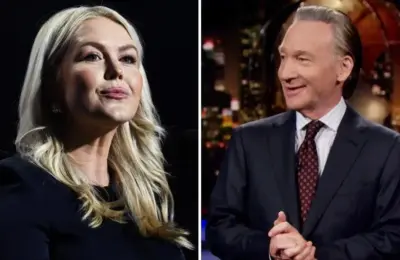
However, despite the initial secrecy surrounding the broader ensemble, Variety has confirmed with multiple independent sources that at the very least, original star Lea Michele is officially set to reprise her defining role as the intensely ambitious, star-struck Rachel Berry. The news of Michele’s return anchors the new project in its theatrical roots, ensuring that the legacy of New Directions will carry forward into this next television era.

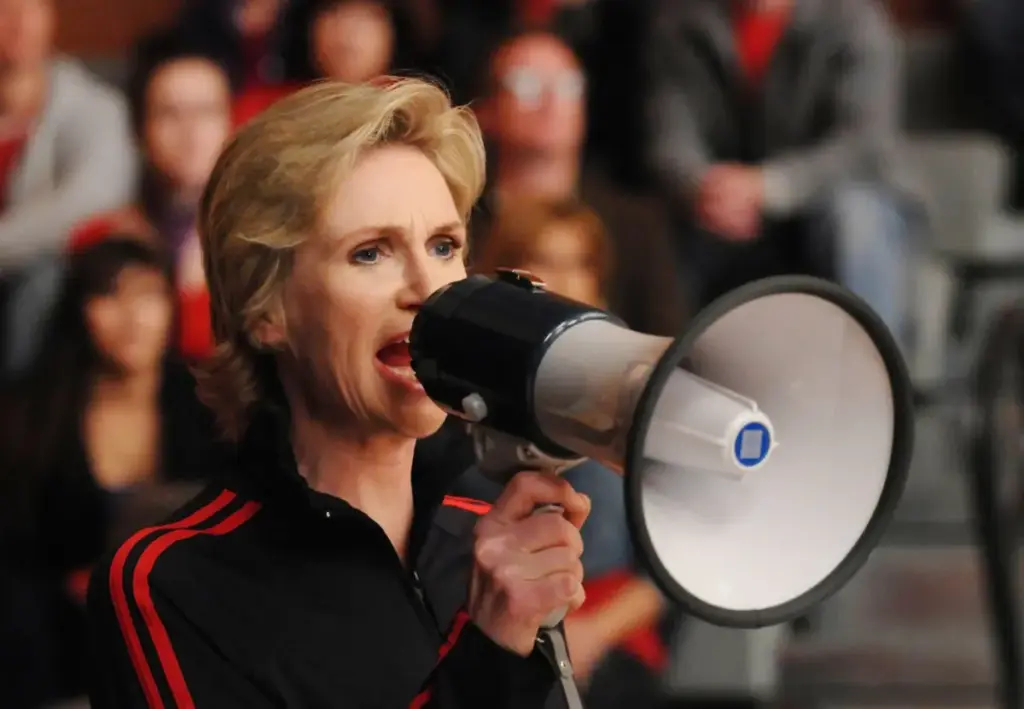
McKinley High School’s infamous, tracksuit-wearing cheer coach and drill sergeant, Sue Sylvester—portrayed to absolute perfection by the inimitable Jane Lynch—once famously described her internal emotional state as being “horny with fear.” While modern audiences and entertainment journalists might not necessarily go quite that far to describe their anticipation for the upcoming revival, the sentiment certainly resonates. Viewers everywhere understand precisely what the razor-tongued coach meant as they contemplate the return of a series that defined an entire era of network television.

In the wake of Tuesday’s major greenlight announcement, entertainment journalists and devoted fans of the original run have begun looking back at the cultural footprint left behind by the series. The original run of “Glee” premiered at a time when musical television was practically nonexistent on major broadcast networks. By marrying high-energy, auto-tuned pop and showtune covers with biting teen drama and social commentary about outcasts, bullies, and the high school social hierarchy, Ryan Murphy captured lightning in a bottle. The show launched the careers of a massive ensemble cast, generated millions of digital song downloads, went on massive live concert tours, and sparked impassioned global fandoms that remain active to this day.

As the industry looks ahead to the upcoming revival on Hulu and Disney+, questions naturally linger about how the modern landscape of television will treat the specific brand of heightened, campy humor that made the original series a household name. While the streaming platforms have yet to announce a targeted premiere date, production timelines, or additional casting confirmations beyond Lea Michele, the confirmation of the "Glee-boot" guarantees that the halls of McKinley High will soon be ringing with showtunes once again, leaving a new generation of viewers—and the nostalgic gleeks of yesteryear—waiting to see what the next chapter holds.