Every week, anonymous submissions to online parenting platforms arrive like a random grab bag of contemporary life, capturing everything from small domestic victories and everyday relationship friction to the unique hurdles of modern parenting and complex family dynamics. True to form, the latest collection features plenty of these familiar struggles. Yet, looking across the spectrum of recent submissions, it becomes clear that a single, heavy emotional current continues to resurface: an overwhelming sense of fear.
A significant number of mothers recently wrote in to express deep concern regarding ongoing cultural conversations, specifically pointing to recent high-profile incidents such as the Cornell case involving the actions of a group text and the broader implications of peer complicity. For many respondents, these stories served as painful triggers, unearthing their own traumatic pasts and fueling intense anxiety about the safety of their children. A prevailing sentiment among the submissions is a deep-seated worry about what these modern social dynamics reveal regarding how young boys are being raised and, consequently, what kind of world is being shaped for young girls.
This profound fear is frequently accompanied by a sharp, palpable anger—one that respondents note is an entirely appropriate response to repeatedly being told that systemic issues are simply just how the world works. Mothers are grappling with the exhaustion of navigating a society that often feels hostile toward women, leading to a pervasive sense of vulnerability.
Yet, even as these heavy cultural headlines weigh heavily on their minds, the women sharing these thoughts demonstrate the multifaceted reality of daily life. Mothers continue to contain multitudes. Amidst the anxiety and the macro-level concerns about society, these same women are dealing with the mundane, exasperating details of everyday domesticity. They are simultaneously annoyed by their husbands’ dramatic reactions to minor illnesses—the classic "man-cold"—while managing households where everyone else has been sick and basic responsibilities still demand attention. They are celebrating hard-won health milestones, navigating career shifts, coping with the stress of approaching holidays, and quietly wishing that just once, someone else would take the mental load of deciding what is for dinner.
As these weekly collections consistently prove, none of these overlapping emotions make a person "too much" or overly dramatic. Instead, they signal a deep awareness of the world and a need for a safe outlet to pour it all out. The latest batch of anonymous confessions paints a vivid, unfiltered picture of what it means to be a mother trying to balance personal survival, professional obligations, and the immense responsibility of raising children in uncertain times.
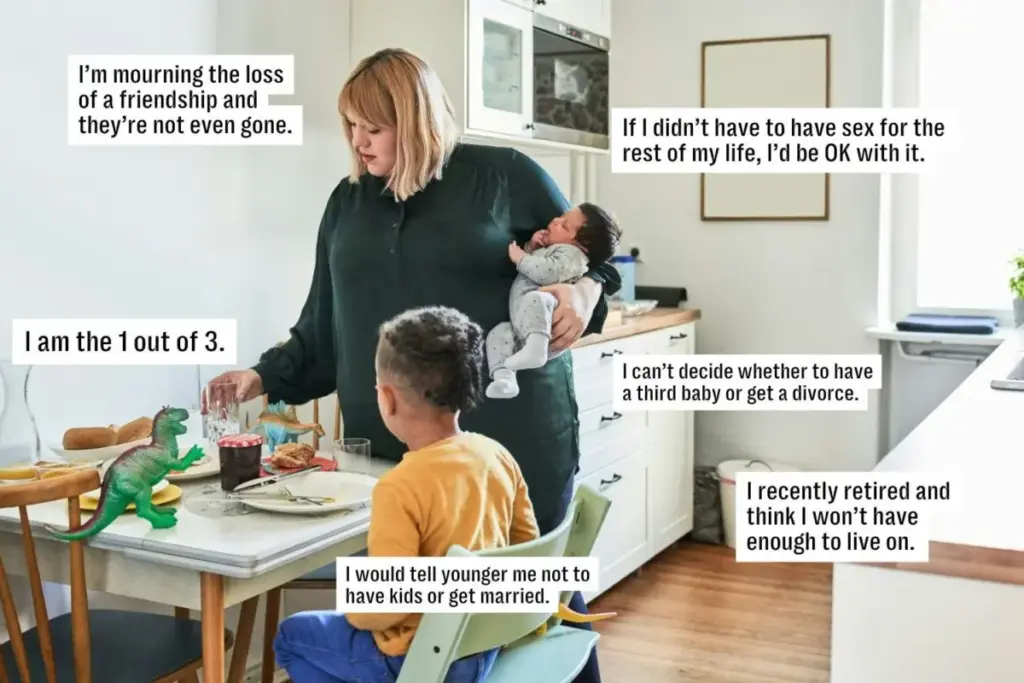
Among the individual confessions shared anonymously this week, the spectrum of emotional and relational turmoil is stark. Several women candidly addressed deep marital dissatisfaction and marital strain. One respondent admitted to feeling completely trapped, wishing she had divorced years ago, while another noted that she wants a divorce but feels unable to leave because she sacrificed everything to raise her children during the early years. Others expressed profound loneliness within their partnerships, describing their marriages as feeling more like living with a roommate and a babysitter than a husband, with some confessing that they actively hate their spouses or would prefer to never have sex again for the rest of their lives.
Career anxiety and workplace toxicity also featured prominently in the weekly haul. Several respondents reported the heavy stress of impending job cuts by top administration, describing feelings of nausea and intense dread. Others celebrated escaping toxic work environments or confessed to lingering guilt over not being better employees, while feeling acutely aware of how much harder professional life is for working mothers navigating career advancement alongside domestic responsibilities.
Health concerns—both physical and mental—added another layer of vulnerability to the submissions. Confessions ranged from the terrifying onset of a sudden seizure and the subsequent fear of developing epilepsy, to the long-overdue acknowledgment of crippling anxiety and the decision to finally seek medical help at age 47. Others weighed the pros and cons of seeking pharmacological help for weight loss, such as starting a GLP-1 medication, balanced against the fear of permanent dependency.
Complicated family dynamics and the nuances of parenting also weighed heavily on the contributors. Mothers confessed to the quiet grief of navigating friendships that are slipping away, the intense stress of supporting neurodivergent children when standard expert guidance falls short, and the bittersweet final stages of breastfeeding a youngest child. Others shared the strain of parenting young children with absent partners, managing complex relationships with in-laws, and confronting the heartbreaking reality of dealing with an abusive child.
Ultimately, these anonymous dispatches serve as a mirror for contemporary maternal experiences, reflecting a community of women who are simultaneously trying to protect their children, manage their households, sustain their careers, and process a world that frequently feels overwhelming.