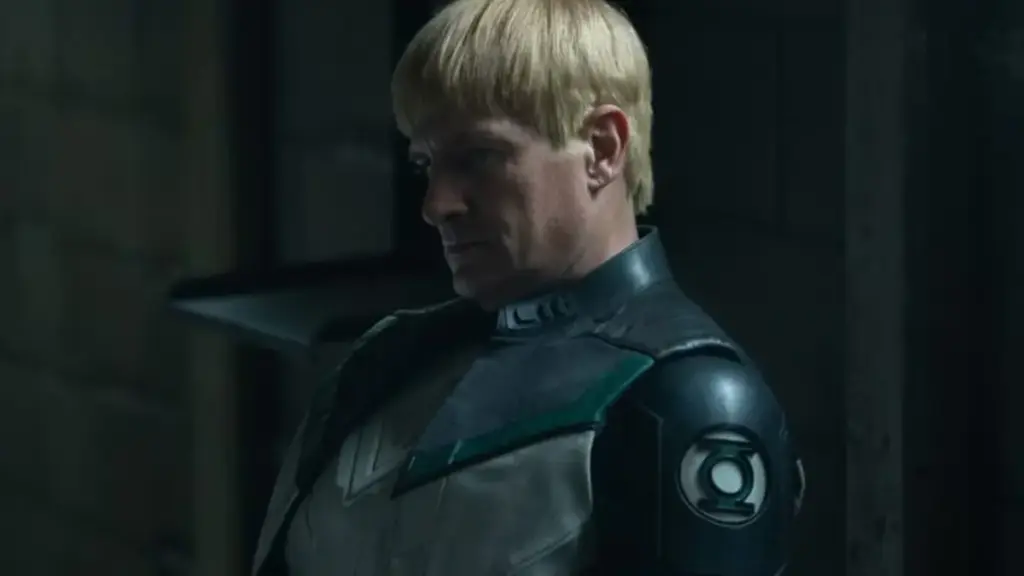
Following the explosive and defining events of its fifth installment, the HBO series Lanterns has officially returned with Episode 6, shifting its narrative focus back to the 2026 timeline and attempting to untangle the mystery surrounding Hal Jordan’s apparent murder. Earning a "6 / Okay" rating in the latest review, the series finds itself navigating a difficult structural transition, struggling to maintain the exhilarating momentum established by its mid-season climax.
Navigating a Complex Pacing Shift
It was evident from watching Lanterns Episode 5 that the series was due for a major shake-up across its remaining three installments. The gripping 2016 storyline reached a fiery climax that resulted in half of Rushville being destroyed, the true identity of the Manhunter being unmasked, and John Stewart, played by Aaron Pierre, finally experiencing his long-anticipated falling-out with Hal Jordan, portrayed by Kyle Chandler.
Rather than continuing down that immediate path, the series pivots by returning fully to the 2026 timeline first teased in the pilot episode. By diving headfirst into the investigation surrounding Hal’s death, Lanterns transforms into a noticeably different show in Episode 6—though, unfortunately, not necessarily for the better.
Looking at Season 1 as a whole, the overall pacing has proven to be somewhat unusual. The production teased a flash-forward to the 2026 narrative early in its run, only to wait a full month before returning to that plot thread. Meanwhile, Episode 5 acted as a major storytelling climax smack dab in the middle of the narrative arc. This structure naturally prompts questions about whether the writers could have more evenly distributed the 2016 and 2026 storylines, perhaps delaying the epic battle in Rushville until later in the season. Of course, such an approach would introduce its own unique writing challenges, particularly when trying to unpack the 2026 mystery without overtly spoiling the historical events of 2016.
Reports from behind the scenes suggest that Episode 5 was originally intended to be Episode 7, indicating that the creative team was actively experimenting with the season’s overall structure. Regardless of the intentions behind the editing room choices, viewers face a difficult adjustment when moving from the high-octane spectacle and sweeping drama of Episode 5 to the much quieter, more somber murder mystery that dominates Episode 6. It creates an experience akin to riding a rollercoaster that hits its absolute peak midway through the journey.
The Absence of the Core Dynamic
The fundamental problem with jumping ten years into the future is that the narrative momentarily sidelines the show’s greatest selling point: the dynamic partnership between its two Green Lanterns. With Hal reported dead, audiences are denied the all-important, Training Day-esque interplay between Pierre and Chandler that powered the earlier episodes.
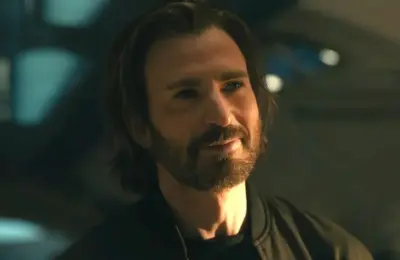
Episode 6 features only a single scene between the two characters, taking place in a diner mere hours before Hal is mysteriously killed. It is a standout moment, with Chandler delivering some of his finest work on the series to date. He expertly conveys a decade of emotional and physical hardship that Hal has endured since the former partners last crossed paths. Hal even exhibits genuine fear at the prospect of John revealing their past meeting, opening the door to burning questions that demand answers. Sadly, it is simply not enough screen time to sustain the emotional weight of the episode.

In an effort to compensate for the absence of Hal, the narrative attempts to manufacture friction between John and various other figures in his life. His relationships with family members have clearly deteriorated over the course of a decade, and the episode handles this backstory with a degree of elegance, avoiding overly expository dialogue. Furthermore, John wades into perilous waters by returning to Rushville and inevitably implicating himself in Hal’s ongoing murder investigation. The episode paints a portrait of a man desperately trying to prevent his carefully constructed, post-superhero life from collapsing around him.
Even with these character beats, Episode 6 struggles to maintain a complete hold on the viewer’s attention. This is particularly true during a subplot involving a waitress named Maggie, played by Hannah Christine Shetler, who attempts to blackmail John. The sequence feels somewhat extraneous, as if writers Justin Britt-Gibson and Damon Lindelof are introducing manufactured character drama simply to fill time.
Fans looking for forward momentum naturally want the series to prioritize pressing matters: the true identity of Hal Jordan’s killer, the current whereabouts of Sinestro, played by Ulrich Thomsen, and the lingering question of how and why John finally fully embraces his ultimate destiny as a Green Lantern. Placing heavy emphasis on John’s legal troubles and his mundane efforts to salvage his architecture firm often comes across as a frustrating narrative diversion.
Green Lantern Lore and Supporting Players
Aside from the compelling opening diner scene, Episode 6 achieves its strongest moments when it leans directly into the broader Green Lantern mythology. Most notably, the episode delivers a long-promised cameo from Nathan Fillion as Guy Gardner. Gardner successfully fills the Hal-sized hole in the narrative for a couple of scenes, establishing an entertaining and sharp dynamic with John that bodes well for future appearances, such as next year’s Man of Tomorrow. This installment also cleverly addresses some lingering questions regarding the Green Lantern successorship, shedding light on why Guy—rather than Hal or John—was designated as Earth’s active Lantern during the events of the 2025 Superman film.
The funeral sequence for Hal Jordan is another highlight, serving as a bleakly amusing tribute that highlights how far the character has fallen over the years. Hal had long assumed his final send-off would draw dignitaries, celebrities, and alien representatives from across the cosmos. Instead, the sparse gathering features only two former girlfriends and a solitary ex-colleague who thoroughly despised him.
This sequence provides a welcome treat in the form of Carol Ferris, played by Amie MacKenzie, who stops by to briefly acknowledge her own tumultuous, long-running history with Hal. Yet, much like other classic Green Lantern supporting characters integrated into the series, Carol departs far too quickly, leaving viewers wanting a more substantial exploration of her history with the fallen hero.
Verdict
Lanterns takes a noticeable step backward in Episode 6 as the production struggles to transition away from the narrative peak achieved in "Lights Out." The primary hurdle facing the series at this juncture is that Hal’s death deprives the show of the core, mentor-mentee dynamic that defined its early success, though that obstacle should hopefully be temporary as the mystery unfolds. Currently, the narrative spends too much time lingering on smaller, localized subplots that feel inconsequential in the grander scheme of the DC universe, steering focus away from the compelling murder mystery and John’s uncertain future.