



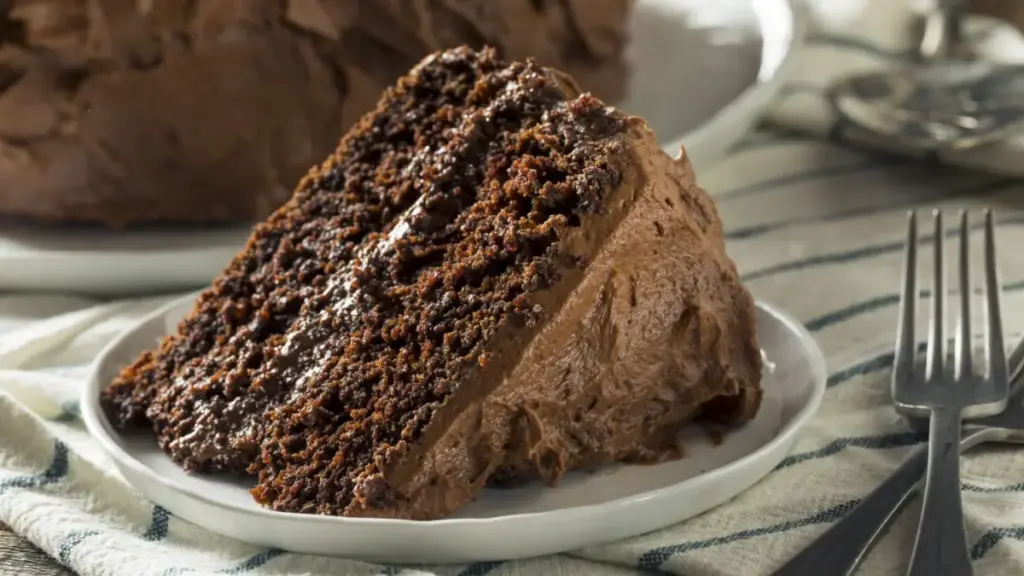
It is difficult for modern home bakers to picture a kitchen era without the effortless convenience of boxed cake mix. Standing in the baking aisle today, shoppers are greeted by vibrant rows of cardboard boxes promising a foolproof, bakery-quality treat in under an hour with just a few simple additions from the refrigerator. Yet, this revolutionary culinary shortcut is less than a century old, having first emerged during the 1930s as a humble experiment in preserved baking goods.
Long before the household names of today dominated supermarket shelves, a little-known Pittsburgh enterprise named P. Duff and Sons patented the world’s first dehydrated gingerbread mix. This initial breakthrough proved that consumers were hungry for kitchen efficiency, sparking a wave of innovation that would transform American baking habits forever. Over the subsequent two decades, a wider variety of cake mixes became available to American shoppers from companies that would eventually become titanic household staples: Duncan Hines, Pillsbury, and Betty Crocker.
Among these three legendary competitors, Betty Crocker was the pioneer, becoming the first to introduce a comprehensive line of cake mixes to the commercial market in 1947. The Betty Crocker brand itself has a fascinating lineage, having been originally developed in 1921 by the Washburn-Crosby company—the historic owners of Gold Medal Flour. The corporation created the fictional character to personally answer an overwhelming influx of baking questions sent in by concerned and curious home cooks across the country.
The strategy was an unprecedented success. The company went on to sponsor cooking schools nationwide, steadily building immense consumer trust and brand loyalty before even attempting to sell a packaged mix. In 1946, the corporation established its own dedicated test kitchens to refine recipes, and just a year later, it made its grand entrance into the boxed cake business with the release of a pioneering Ginger cake mix. The public response was overwhelmingly positive, paving the way for the introduction of Devil’s Food and Party Cake mixes in 1949.
Over the decades, Betty Crocker expanded its footprint by introducing numerous variations that captured the hearts and palates of generations of families. Classic flavors such as yellow cake, white cake, angel food, and rich chocolate quickly became absolute household staples, establishing a high benchmark for the burgeoning industry. However, rival corporations were watching closely, and Pillsbury was hot on Betty Crocker’s heels, eager to capture its own share of the lucrative convenience market, with Duncan Hines following shortly thereafter to redefine the standards of taste and texture.
Pillsbury Introduced the First Chocolate Cake Mix to Stores in 1948
The post-World War II economic boom provided the ultimate catalyst for the convenience food industry. Around the same time Betty Crocker mixes first hit grocery store shelves, more than 200 other competing companies were racing to follow suit and capitalize on the trend. The massive commercial success of these early mixes surged dramatically after the war, as food manufacturers successfully applied the technical tricks and preservation methods they had learned while manufacturing dry food rations for military troops to consumer goods marketed directly to American homemakers.
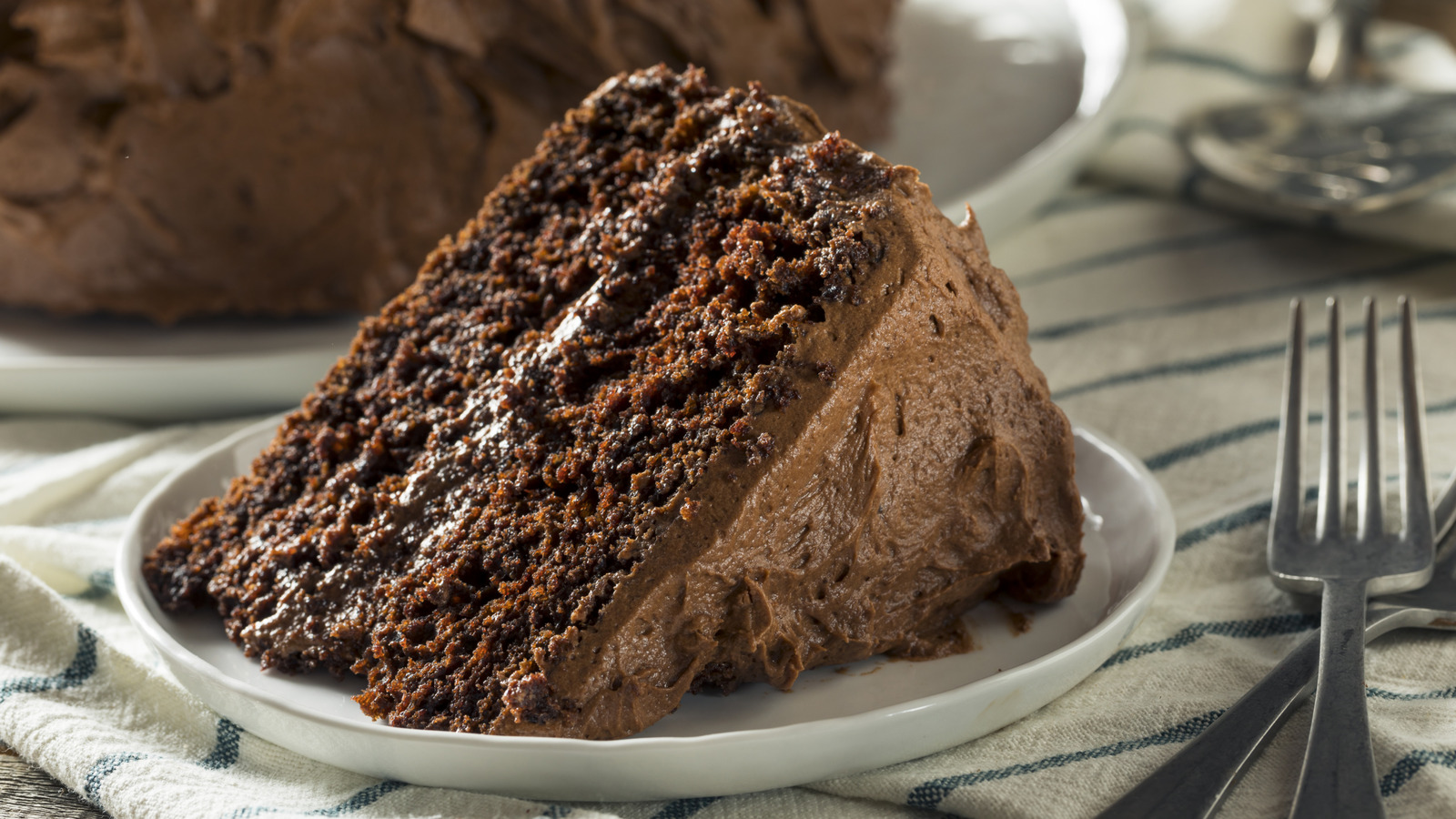
In 1948, Pillsbury made a significant splash by becoming the first major company to offer a dedicated chocolate cake mix to everyday consumers. This early mix was particularly notable for a specific formulation choice: it included powdered eggs right inside the box. This meant home cooks did not have to worry about whether they had fresh eggs on hand before deciding to bake a cake, offering an unprecedented level of pantry-stable convenience.
This specific formulation bore a strong resemblance to the pioneering style patented years earlier by P. Duff and Sons, whereas Betty Crocker’s contemporary mixes typically called for consumers to supply whole eggs or egg whites separately. By 1954, Pillsbury’s robust lineup of boxed cake mix flavors had expanded to include white, chocolate fudge, yellow, spice, and angel food cake.
The marketing strategy of the era heavily emphasized convenience. Pillsbury’s vintage boxes explicitly directed home chefs to simply add milk, reassuring them that the eggs were already integrated into the dry mixture. Historic print advertisements proudly declared that "Water is all you add," a claim famously featured even on their angel food cake mix, which boastfully advertised that it contained the dried equivalent of 13 whole egg whites packed inside the box.
However, consumer preferences and manufacturing philosophies evolved. Starting at some point in the late 1950s, Pillsbury adjusted its formulations and marketing, and its advertisements quietly stopped mentioning that the cake mixes included pre-blended eggs. Customers were once again instructed to crack fresh whole eggs or separate egg whites to add directly to the batter, a practice that brought the texture closer to traditional from-scratch baking. Today, the classic brand of boxed cake mixes continues to hold its own, frequently beating out fierce competitors like Duncan Hines in blind taste tests conducted by culinary publications like Tasting Table.
Duncan Hines Perfected the Process With Cake Mixes That Tasted Homemade
Despite the initial enthusiasm for convenience, the boxed cake mix industry faced a surprising psychological hurdle by the 1950s. Sales dropped dramatically as homemakers experienced a unique form of consumer resistance. Market research conducted at the time by prominent motivation researcher Ernest Dichter revealed a fascinating cultural friction: women felt that the ultra-simple "just add water" mixes actually made baking far too easy, leading many to feel guilty or lazy for taking such a significant shortcut in the kitchen.
At the time, Duncan Hines was not yet a food manufacturing mogul. Instead, he was best known across America as a traveling salesman who had gained national fame by self-publishing popular restaurant guides for motorists and travelers. Recognizing his profound influence on American dining and his trusted reputation for culinary quality, Hines was approached by Roy Park, a marketing agent for a farm cooperative, who convinced him to make a bold foray into the commercial food business.
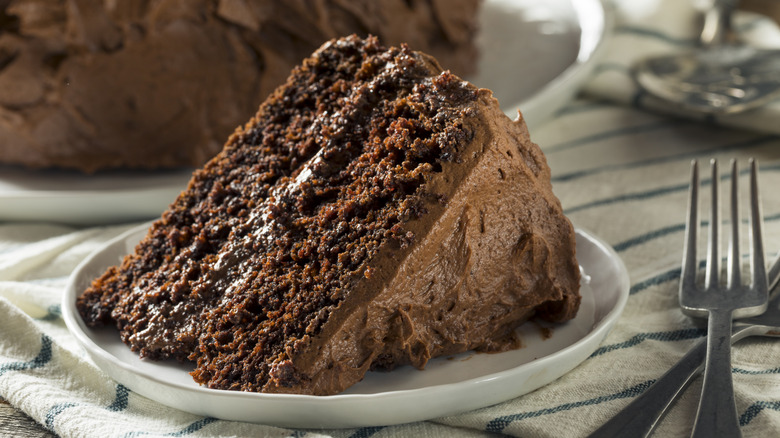
Together, they founded Hines-Park Foods and partnered with Nebraska Consolidated Mills food scientist Arlen Andre. Their collective goal was to engineer a radically improved cake mix that could overcome consumer guilt by producing a finished product with a texture and flavor that truly tasted homemade.
By 1951, their innovative mix—formulated to be baked with real, fresh eggs rather than the powdered variety used by some competitors—was officially patented. The company released the new product in July of that year, initially offering it in just two foundational varieties: Devil’s Food and a versatile 3-Star mix, which served as a reliable vanilla base for yellow, white, or spice cakes.
This technical innovation quickly propelled Duncan Hines to the absolute forefront of grocery store cake mix sales. Within just three weeks of its regional launch, the brand was responsible for nearly half of the entire sales market in the category. The legacy of that quality-focused formulation endures to this day, with Tasting Table taste tests frequently ranking Duncan Hines as the premier choice for boxed chocolate cake.
As the decade progressed, other major companies also elected to make strategic changes to their box mixes to recapture the attention and imagination of reluctant home chefs. Cake mix advertisements began actively directing homemakers to use creative frostings, decorative toppings, and other culinary novelties to personalize their cakes and make them feel uniquely homemade despite the boxed foundation.
Innovation continued to reshape the market when Betty Crocker introduced the Answer Cake in 1954. This clever product was an all-in-one kit that packaged a boxed cake mix alongside a matching frosting mix, and remarkably, even included a disposable cake pan right inside the box. Today, modern home bakers continue to draw on a rich tradition of culinary tweaks, finding countless tips and tricks for how to elevate a standard boxed cake mix so that it tastes like an artisanal creation straight from a professional bakery.