By Olivia Rosane and Cristen Hemingway Jaynes
Invisible, odorless, and pervasive, methane has quietly emerged as one of the most critical frontiers in the global fight against climate change. While carbon dioxide frequently commands the bulk of public attention, methane operates as a far more potent greenhouse gas, trapping staggering amounts of heat in Earth’s atmosphere over a compressed timeline. Found everywhere from natural wetlands and agricultural livestock to the basement furnaces and gas infrastructure powering modern society, this hydrocarbon represents both an acute environmental challenge and a vital opportunity for rapid climate action.
As scientists, policymakers, and industry leaders grapple with soaring atmospheric concentrations, understanding the origins, measurement, and systemic impacts of methane has never been more urgent. Experts emphasize that because methane breaks down much faster than carbon dioxide, aggressively slashing its emissions offers the single most effective strategy to cool the planet over the next two decades.
What Is Methane?
Methane is a hydrocarbon composed of four hydrogen atoms bonded to a single carbon atom. As the primary component of natural gas—which currently generates roughly 25 percent of the world’s electricity—it is abundant in nature and forms through both geological and biological pathways. Geologically, methane is typically created when heat and pressure act upon decomposing organic matter over millions of years, forming the deposits extracted as fossil fuels. It can also form deep underground without organic material through distinct geophysical processes.

Biologically, methane is generated through methanogenesis, a process in which specialized underwater microorganisms known as archaea produce the gas as a byproduct of oxygen-free respiration. This mechanism drives methane production in natural wetlands, freshwater ecosystems, and the digestive tracts of creatures such as termites and ruminant livestock.
How Is Methane Measured?
Quantifying global methane emissions relies on two primary methodologies: bottom-up and top-down approaches. Bottom-up assessments begin on the ground with localized sources, calculating total emissions by multiplying the output of individual equipment units, facilities, or animals by their total population. For example, researchers might estimate agricultural emissions by multiplying the average methane produced per cow by the total number of livestock raised within a region.
Conversely, top-down approaches start in the skies, utilizing airplanes, high-altitude platforms, and increasingly sophisticated satellites to measure atmospheric concentrations directly. These space-based observations are then combined with atmospheric models to trace emissions back to their terrestrial sources.
Advanced satellite technology has revealed a critical blind spot in traditional bottom-up inventories: the prevalence of "super-emitting" incidents. While facility operators often estimate emissions using standard equipment leak rates, studies show that roughly 5 percent of extraordinary leaks account for more than half of all gas-industry leak volumes. Consequently, direct measurements frequently eclipse official government projections. One comprehensive study found that direct measurements of U.S. oil and gas methane emissions were 60 percent higher than estimates compiled by the U.S. Environmental Protection Agency.

How Does Methane Contribute to the Climate Crisis?
Once released into the atmosphere, methane acts as a powerful heat-trapping agent, absorbing terrestrial infrared radiation and redirecting it back toward Earth’s surface. Although natural sinks—primarily soil and chemical reactions in the troposphere—regularly break down methane into carbon dioxide and water vapor, human activities since the industrial revolution have vastly outpaced these natural absorption capacities.
By 2023, atmospheric methane concentrations had surged by 265 percent compared with pre-industrial levels, reaching 1,934 parts per billion. Human activities drive approximately 60 percent of these emissions, fueling roughly one-third of current global heating. Because methane is significantly more potent than carbon dioxide—trapping 86 times more heat per unit of mass over a 20-year timeframe—its atmospheric presence accelerates short-term warming dramatically.
The Intergovernmental Panel on Climate Change has calculated that global methane emissions must fall by approximately 34 percent by 2030 relative to 2019 levels to keep the critical threshold of 1.5 degrees Celsius of global heating within reach.
What Are the Main Sources of Methane?
Human-caused emissions account for about 60 percent of atmospheric methane, with more than 90 percent of those emissions originating from three primary sectors: agriculture, fossil fuels, and waste storage. Natural sources, led by wetlands and freshwater systems, make up the remaining 40 percent.

Agriculture represents roughly 40 percent of anthropogenic emissions, driven predominantly by livestock. Ruminant animals like cattle, sheep, and goats produce methane during digestion through a process known as enteric fermentation. Manure storage systems, particularly for cattle and pigs, release additional quantities. Rice cultivation accounts for another significant share, as flooded paddies provide ideal, oxygen-depleted environments for methane-producing microbes.
Fossil fuel operations contribute approximately 35 percent of human-caused emissions. The extraction, transport, and processing of oil and natural gas account for 23 percent, driven by intentional venting and accidental leaks. Coal mining operations and abandoned coal seams release an additional 12 percent, with underground mines producing the vast majority of these emissions due to safety ventilation requirements.
Landfills and waste management facilities generate roughly 20 percent of human-caused methane. As organic material decomposes in oxygen-deprived municipal landfills and wastewater treatment plants, microbes release large quantities of the gas. With global waste volumes projected to rise significantly in coming decades, emissions from this sector are climbing rapidly.
Natural sources, led by wetlands, play a dominant role in the global methane cycle. Wetlands cover a small fraction of the Earth’s land surface but account for about one-third of total global emissions. Climate change is intensifying this dynamic through the "wetland methane feedback," where rising temperatures and altered precipitation patterns expand tropical and Arctic wetlands, accelerating microbial activity and releasing unprecedented volumes of gas.

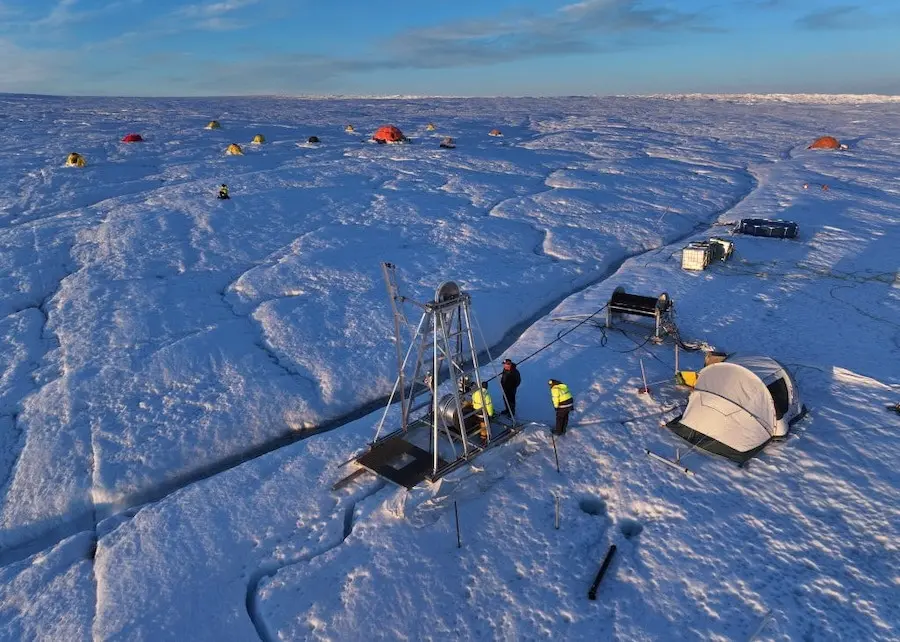
Oceans, geological seeps, wildfires, and thawing permafrost represent additional natural and compounding sources. Permafrost thaw is of particular concern to scientists, as frozen soils contain vast reserves of trapped organic carbon and methane hydrates. As Arctic temperatures rise, these frozen reservoirs begin to thaw, threatening to unleash massive pulse emissions that could severely undermine global climate targets.
Methane and the "Bridge Fuel" Myth
The expansion of natural gas infrastructure, including the rapid growth of liquefied natural gas exports, has intensified debates over the fuel’s climate credentials. Proponents have long championed natural gas as a "bridge fuel" capable of displacing coal during the transition to renewables, noting that burning gas produces lower carbon dioxide emissions than coal per unit of energy.
However, this argument frequently overlooks the substantial volume of methane that escapes unburned into the atmosphere during extraction, liquefaction, and long-distance transport. Research indicates that even minor leakage rates can entirely negate the climate benefits of switching from coal to gas. When methane leaks are factored into lifecycle analyses, liquefied natural gas exhibits a significantly higher global warming potential over a 20-year timeline than the coal it replaces. Furthermore, analysts warn that the massive buildout of export terminals threatens to lock in high greenhouse gas emissions for decades, overshadowing investments in genuine renewable energy alternatives.
What Are Other Benefits to Reducing Methane Emissions?
Curbing methane offers immediate public health benefits alongside its climate dividends. Methane acts as a crucial chemical precursor in the formation of ground-level ozone, a hazardous air pollutant that damages human respiratory tissue and stunts agricultural crop yields.

Current levels of methane-generated ozone are estimated to cause hundreds of thousands of premature deaths annually while reducing global harvests of staple crops such as wheat, soybeans, and rice. Aggressive methane mitigation strategies would rapidly improve air quality, preventing thousands of cardiovascular and respiratory emergencies every year while safeguarding global food security.
What Can Be Done to Reduce Methane Emissions?
A comprehensive suite of technological and systemic solutions already exists to curb methane output across all major sectors. In agriculture, reducing food waste and shifting toward more sustainable dietary patterns in wealthy nations can significantly lower livestock and rice production pressures. On the operational side, supplementing ruminant diets with specific feed additives, such as seaweed extracts, has been shown to dramatically reduce enteric fermentation without harming animal health. Improved manure management, including the adoption of biogas digesters and alternative wetting and drying techniques for rice cultivation, offers further substantial reductions.
In the fossil fuel sector, phasing out coal, oil, and gas remains the ultimate long-term solution. In the near term, however, deploying rigorous leak detection and repair programs, replacing outdated pneumatic equipment, and capturing fugitive gas at active and abandoned extraction sites can eliminate a major share of industry emissions at minimal net cost. Similarly, upgrading municipal wastewater facilities and instituting comprehensive organic waste diversion and composting programs can effectively constrain landfill emissions.
What Progress Has Been Made to Reduce Methane Emissions So Far?
International momentum has grown around methane mitigation, highlighted by the launch of the Global Methane Pledge at the COP26 climate summit in Glasgow. By January 2025, 159 nations had joined the initiative, committing to slash global methane emissions by 30 percent relative to 2020 levels by the end of the decade.

Despite these high-level commitments, real-world emissions have continued to climb, driven by rising fossil fuel production and expanding agricultural demands. Analysts point to a persistent "implementation gap," noting that only a fraction of global methane emissions are currently covered by binding domestic reduction policies. Bridging this gap will require governments and industrial operators to translate voluntary pledges into strict regulatory enforcement and rapid technological deployment.
Methane emissions occupy a unique and urgent space in environmental science. Because the gas exerts an intense short-term warming effect while persisting in the atmosphere for only about a dozen years, decisive action to cut emissions can yield immediate climate stabilization benefits. Spreading awareness of how methane is generated, holding political and corporate leadership accountable, and deploying existing mitigation technologies remain essential steps in navigating the global climate challenge.